
Manifest
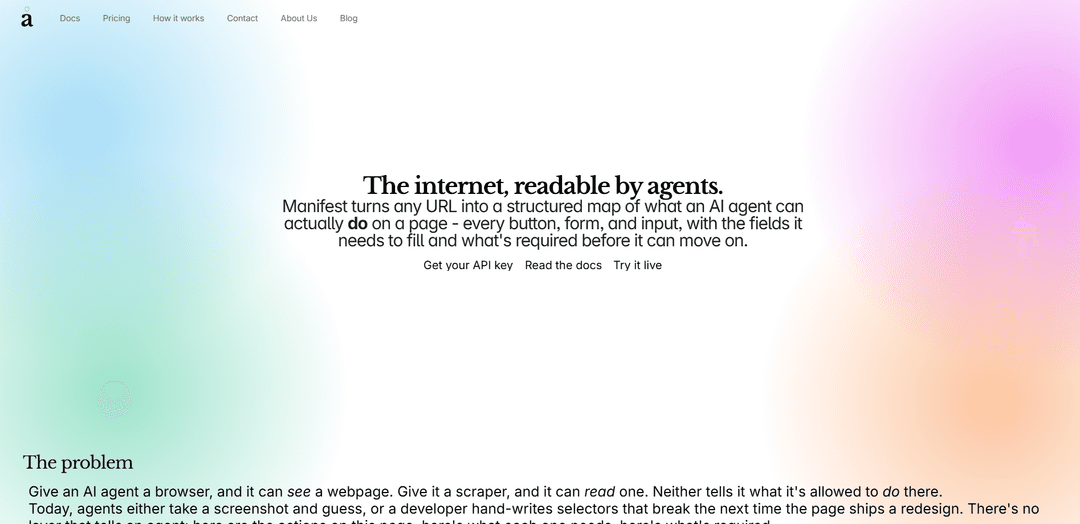
Manifest biến bất kỳ URL nào thành một bản đồ JSON có cấu trúc của các yếu tố UI có thể hành động—nút, biểu mẫu và đầu vào—để các tác nhân AI có thể nhấp, điền và gửi một cách đáng tin cậy mà không cần các bộ chọn hoặc ảnh chụp màn hình dễ hỏng.
https://omfang.io/?ref=producthunt&utm_source=aipure
Thông tin Sản phẩm
Đã cập nhật:Aug 8, 2026
Manifest là gì
Manifest (bởi omfang) là một API "lớp hành động" dành cho các tác nhân AI, chuyển đổi một trang web thành một biểu diễn rõ ràng, dễ đọc cho tác nhân về những gì có thể được thực hiện trên trang đó. Thay vì chỉ hiển thị cho tác nhân giao diện của một trang (công cụ trình duyệt) hoặc nội dung của nó (trình trích xuất/trình cạo nội dung), Manifest xác định các điều khiển tương tác—chẳng hạn như đầu vào, nút và liên kết điều hướng—và mô tả chúng với ngữ cảnh mà tác nhân cần để hành động chính xác, bao gồm cả những gì được yêu cầu trước khi nó có thể tiếp tục.
Các Tính năng Chính của Manifest
Manifest là một API biến bất kỳ URL trang web nào thành một "bản đồ hành động" JSON có cấu trúc mà một tác nhân AI có thể suy luận và thực thi một cách đáng tin cậy. Nó phân tích cây khả năng truy cập của trang (giống như trình đọc màn hình) và đối chiếu nó với DOM cơ bản để nắm bắt các phần tử UI có thể hành động—nút, biểu mẫu, trường nhập—và các chi tiết mà tác nhân cần để thành công (trường bắt buộc, loại đầu vào, văn bản giữ chỗ, trạng thái bị vô hiệu hóa), tránh các bộ chọn CSS dễ vỡ và đoán dựa trên ảnh chụp màn hình trong khi vẫn kiên cường trước các thiết kế lại UI.
URL → Khai báo hành động JSON: Một lệnh gọi API chuyển đổi một trang web thành một danh sách hành động có cấu trúc, rõ ràng (nhấp/điền/gửi) cộng với các liên kết điều hướng, làm cho các trang có thể hoạt động theo chương trình cho các tác nhân.
Hiểu biết dựa trên cây khả năng truy cập: Đọc cây khả năng truy cập theo cách mà công nghệ hỗ trợ thực hiện, tạo ra các mô tả ngữ nghĩa, ổn định của các phần tử tương tác thay vì các phỏng đoán dựa trên hình ảnh hoặc bộ chọn dễ vỡ.
Đối chiếu DOM để tìm các chi tiết bị thiếu: Bổ sung dữ liệu khả năng truy cập với các chi tiết cụ thể có nguồn gốc từ DOM như trường bắt buộc, loại đầu vào, văn bản giữ chỗ và trạng thái bị vô hiệu hóa—quan trọng để hoàn thành biểu mẫu một cách chính xác.
Đầu ra có thể suy luận được bởi tác nhân (không phải HTML thô): Trả về các hành động với nhãn, loại, mô tả và cờ yêu cầu để các tác nhân có thể lập kế hoạch các bước (ví dụ: những gì phải được điền trước khi gửi) mà không cần phân tích cú pháp tùy chỉnh.
Kiên cường trước các thiết kế lại UI: Tránh các bộ chọn được duy trì thủ công và các đường dẫn CSS dễ vỡ bị hỏng khi các trang thay đổi, cải thiện độ tin cậy lâu dài cho tự động hóa.
Bộ nhớ đệm cho tốc độ và chi phí dự đoán được: Các phản hồi được lưu vào bộ nhớ đệm nhanh chóng và nhằm mục đích giảm chi phí lặp lại cho các tác nhân thường xuyên truy cập lại cùng một URL.
Các Trường hợp Sử dụng của Manifest
Tự động hóa tác vụ web của tác nhân AI: Cho phép các tác nhân hoàn thành đáng tin cậy các tác vụ trang web nhiều bước (điền biểu mẫu, nhấp nút, gửi luồng) bằng cách sử dụng lớp hành động có cấu trúc thay vì ảnh chụp màn hình hoặc bộ chọn dễ vỡ.
Hỗ trợ khách hàng và quy trình tự phục vụ: Cung cấp năng lượng cho các tác nhân/bot hỗ trợ có thể điều hướng các cổng tài khoản, gửi yêu cầu và hướng dẫn người dùng thông qua các biểu mẫu web bằng cách hiểu những hành động nào có sẵn và được yêu cầu.
Tự động hóa bán hàng và thu thập khách hàng tiềm năng: Tự động hóa các hoạt động tiếp cận như gửi biểu mẫu liên hệ, yêu cầu bản demo hoặc hoàn thành biểu mẫu giới thiệu đối tác trong khi xử lý đúng các trường bắt buộc và loại đầu vào.
Kiểm thử QA và hồi quy cho các ứng dụng web: Tạo một danh mục ổn định các phần tử tương tác để tự động hóa kiểm thử ít nhạy cảm hơn với việc tái cấu trúc UI, cải thiện khả năng bảo trì của các kiểm thử đầu cuối.
Hiện đại hóa RPA cho doanh nghiệp: Thay thế các tập lệnh RPA nặng về bộ chọn bằng một lớp khai báo hành động ngữ nghĩa để giảm sự cố trên các công cụ nội bộ và hệ thống web của bên thứ ba.
Tự động hóa có nhận thức về khả năng truy cập: Tận dụng cây khả năng truy cập để thúc đẩy các tự động hóa phù hợp với ngữ nghĩa có thể truy cập, giúp đảm bảo các tác nhân tương tác với các trang một cách mạnh mẽ, giống như trình đọc màn hình.
Ưu điểm
Mạnh mẽ hơn các bộ chọn viết tay bằng cách dựa vào ngữ nghĩa khả năng truy cập và xác thực DOM.
Đầu ra JSON có cấu trúc thân thiện với tác nhân liệt kê rõ ràng các hành động và yêu cầu có sẵn.
Tránh đoán dựa trên ảnh chụp màn hình, cho phép các luồng tự động hóa xác định hơn.
Bộ nhớ đệm có thể cải thiện hiệu suất và làm cho các tương tác lặp lại có thể dự đoán được chi phí hơn.
Nhược điểm
Hiệu quả có thể phụ thuộc vào chất lượng cây khả năng truy cập và cấu trúc DOM của một trang web (các trang được gắn nhãn kém có thể tạo ra các khai báo ít hữu ích hơn).
Chủ yếu mô tả những gì có thể được thực hiện trên một trang; việc thực hiện các hành động vẫn yêu cầu một công cụ thời gian chạy/trình duyệt của tác nhân.
Các UI động hoặc có nhiều tập lệnh có thể yêu cầu xử lý bổ sung ngoài việc khám phá phần tử tĩnh.
Cách Sử dụng Manifest
1) Truy cập Manifest: Truy cập https://omfang.io/ và nhấp vào "Get your API key" (hoặc truy cập https://app.manifest.omfang.io/login) để đăng nhập và lấy khóa API cho Manifest API.
2) Quyết định trang (URL) bạn muốn ánh xạ thành các hành động: Chọn URL chính xác mà tác nhân của bạn cần hoạt động (ví dụ: trang đăng nhập, trang thanh toán, biểu mẫu liên hệ). Manifest hoạt động bằng cách truy cập một URL và tạo ra một bản đồ hành động có cấu trúc cho trang đó.
3) Gọi điểm cuối Manifest để tạo một bản kê khai hành động: Gửi yêu cầu đến điểm cuối API Manifest được hiển thị trong tài liệu: POST /manifest với một nội dung JSON như { "url": "https://example.com" }. Điều này kích hoạt Manifest truy cập trang, đọc cây truy cập, đối chiếu DOM và trả về một bản kê khai JSON có cấu trúc của các hành động có sẵn.
4) Đọc tóm tắt trang được trả về (current_page_state): Trong JSON phản hồi, sử dụng trường "current_page_state" để hiểu bạn đang ở trang nào (ví dụ: “Trang liên hệ với biểu mẫu tin nhắn”). Điều này giúp tác nhân xác nhận ngữ cảnh trước khi thực hiện hành động.
5) Liệt kê các hành động có sẵn (nút, biểu mẫu, đầu vào): Kiểm tra mảng "actions" trong phản hồi. Mỗi hành động bao gồm các trường như id, label, type, description và required. Đây là đầu ra cốt lõi: một danh sách có cấu trúc về những gì tác nhân có thể nhấp, điền hoặc gửi.
6) Xác định các trường và ràng buộc bắt buộc trước khi hành động: Sử dụng siêu dữ liệu của mỗi hành động (ví dụ: "required": true/false) để xác định những gì phải được điền trước khi gửi. Manifest được thiết kế để bao gồm các chi tiết mà cây truy cập thường bỏ lỡ, chẳng hạn như các trường bắt buộc, loại đầu vào, phần giữ chỗ và trạng thái bị vô hiệu hóa.
7) Sử dụng các liên kết điều hướng để di chuyển giữa các trang khi cần: Kiểm tra mảng "navigation" (ví dụ: { "label": "Home", "url": "/" }) để tìm các mục tiêu điều hướng ổn định. Sử dụng các URL này để hướng tác nhân đến trang tiếp theo, sau đó chạy lại POST /manifest trên URL mới để lấy bản đồ hành động của trang tiếp theo.
8) Lặp lại: chạy lại Manifest sau mỗi lần thay đổi trang: Bất cứ khi nào tác nhân điều hướng đến một trang khác hoặc trạng thái UI thay đổi, hãy gọi lại POST /manifest cho URL hiện tại. Điều này giữ cho bản đồ hành động của tác nhân phù hợp với trạng thái trang trực tiếp mà không cần dựa vào các bộ chọn hoặc ảnh chụp màn hình dễ hỏng.
9) Thử trực tiếp trước khi tích hợp: Sử dụng bản demo trực tiếp tại https://demo.manifest.omfang.io/demo để xem khái niệm từ đầu đến cuối: URL vào → bản kê khai hành động JSON có cấu trúc ra.
10) Quản lý việc sử dụng và chi phí với bộ nhớ đệm và một kế hoạch: Chọn một gói từ https://omfang.io/#pricing dựa trên khối lượng cuộc gọi dự kiến (Miễn phí/Khởi động/Chuyên nghiệp/Doanh nghiệp). Lưu ý rằng các phản hồi được lưu trong bộ nhớ đệm được mô tả là nhanh và thường không tính vào giới hạn tốc độ giống như các yêu cầu lạnh, điều này giúp giữ cho các quy trình làm việc của tác nhân lặp lại có thể dự đoán được.
Câu hỏi Thường gặp về Manifest
Manifest là một API "lớp hành động" biến bất kỳ URL nào thành một bản đồ JSON có cấu trúc về những gì tác nhân AI có thể làm trên một trang web – các nút, biểu mẫu và đầu vào – cộng với những gì cần thiết trước khi tác nhân có thể tiếp tục.
Video Manifest
Bài viết phổ biến

Atoms: Nền tảng AI đa tác nhân biến ý tưởng thành sản phẩm sẵn sàng ra mắt
May 22, 2026
Nano Banana SBTI: Nó là gì, Cách thức hoạt động và Cách sử dụng nó vào năm 2026
Apr 15, 2026

Đánh giá Atoms — Trình tạo sản phẩm AI định nghĩa lại việc tạo nội dung số vào năm 2026
Apr 10, 2026

Kilo Claw: Cách Triển Khai và Sử Dụng AI Agent "Làm-Thay-Bạn" Thực Sự (Cập Nhật 2026)
Apr 3, 2026
Công cụ AI Mới nhất Tương tự Manifest
Jorpex
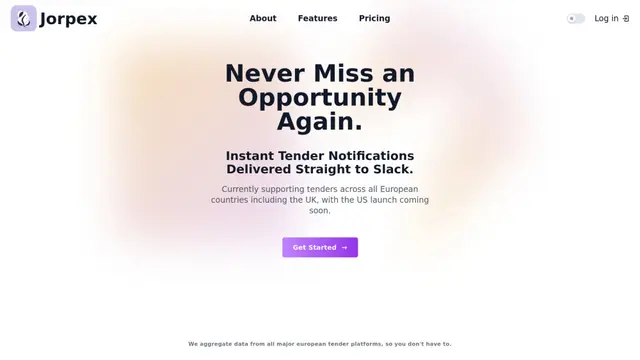
Jorpex là một nền tảng thông báo thầu toàn diện tổng hợp và cung cấp các cảnh báo thầu tức thì từ khắp các quốc gia châu Âu trực tiếp đến Slack, giúp doanh nghiệp không bỏ lỡ cơ hội.
Leadsmrt
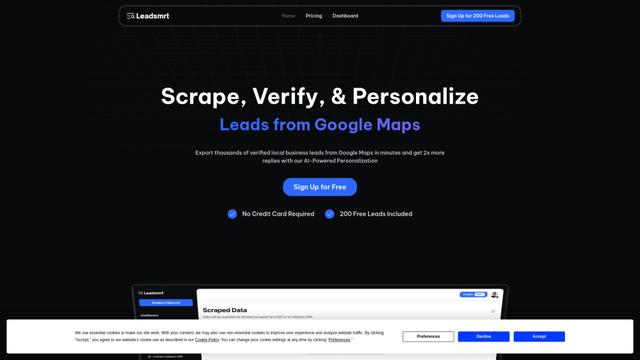
Leadsmrt là một công cụ tạo ra khách hàng tiềm năng giúp các doanh nghiệp thu thập, xác minh và cá nhân hóa các khách hàng tiềm năng doanh nghiệp mục tiêu từ Google Maps với khả năng cá nhân hóa dựa trên AI.
Omnial AI
Omnial AI là một nền tảng trí tuệ dữ liệu khai thác các đại lý AI để biến các gợi ý từ web thành những thông tin dữ liệu có cấu trúc, có thể hành động được hỗ trợ bởi Afore Capital.
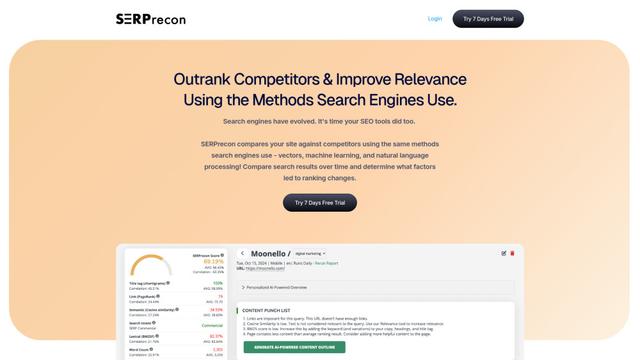
SERPrecon
SERPrecon là một công cụ SEO tiên tiến sử dụng vector, học máy, và xử lý ngôn ngữ tự nhiên để giúp người dùng phân tích và vượt qua đối thủ bằng cách sử dụng cùng các phương pháp như các công cụ tìm kiếm hiện đại.
Công cụ AI Phổ biến Giống Manifest
Magentic-UI
Magentic-UI là một nguyên mẫu tác nhân web lấy con người làm trung tâm, mã nguồn mở của Microsoft Research, cho phép lập kế hoạch và thực hiện hợp tác các tác vụ dựa trên web phức tạp thông qua tương tác minh bạch giữa con người và các tác nhân AI.
Web Accessibility Testing MCP
A11y MCP là một máy chủ Model Context Protocol cho phép các mô hình ngôn ngữ AI thực hiện kiểm tra khả năng truy cập web tự động bằng cách tích hợp với Axe-core API của Deque và Puppeteer để phân tích nội dung web để tuân thủ WCAG.
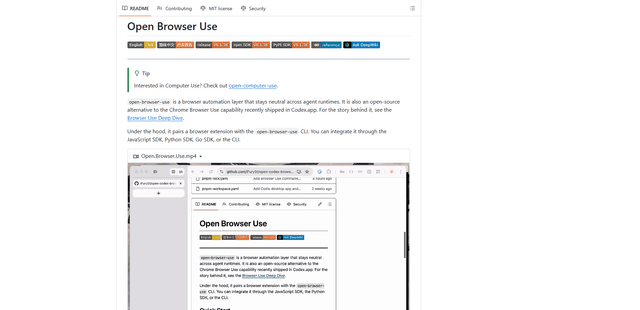
Open Browser Use
Open Browser Use là một lớp tự động hóa trình duyệt mã nguồn mở, trung lập với môi trường chạy tác nhân, kết hợp tiện ích mở rộng Chrome với CLI/SDK/MCP để cho phép kiểm soát tab, điều hướng và hành động dựa trên DOM, được hỗ trợ bởi CDP trên các công cụ tác nhân AI khác nhau.
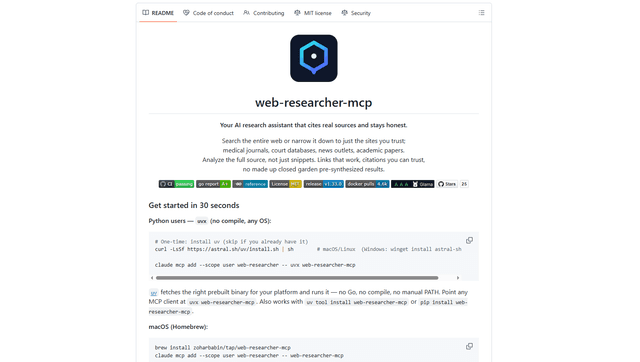
Web Researcher MCP
Web Researcher MCP là một máy chủ MCP cục bộ, cấp sản xuất cho phép các trợ lý AI tìm kiếm web (tùy chọn giới hạn trong các “ống kính tìm kiếm” đáng tin cậy), đọc toàn bộ nguồn (bao gồm các trang được hiển thị bằng JS, PDF và bản ghi YouTube), và trả về các trích dẫn có thể xác minh với chuyển đổi dự phòng đa nhà cung cấp. [Nguồn: https://github.com/zoharbabin/web-researcher-mcp?ref=producthunt]