
Aura : Agents + GIt + Loops OSS ADE
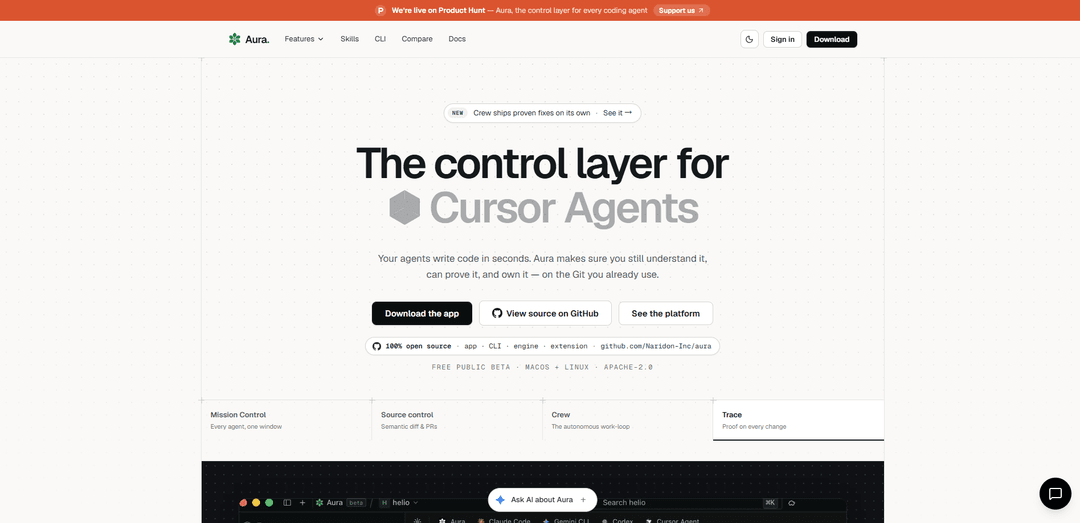
Aura adalah lapisan semantik dan asal Git-native sumber terbuka (ditambah loop kerja agen) yang mengoordinasikan beberapa agen pengkodean AI dalam satu riwayat bersama dengan perbedaan tingkat AST, pencatatan niat, dan catatan yang dapat diverifikasi secara kriptografis—tanpa mengganti Git.
https://auravcs.com/?ref=producthunt&utm_source=aipure
Informasi Produk
Diperbarui:Jul 15, 2026
Apa itu Aura : Agents + GIt + Loops OSS ADE
Aura: Agents + Git + Loops OSS ADE adalah Lingkungan Pengembangan Agen Git-native yang dirancang untuk tim yang mengirimkan kode produksi dengan agen AI (Claude Code, Cursor, Gemini CLI, Codex, Copilot, dan alat berkemampuan MCP lainnya). Alih-alih memperkenalkan VCS baru, Aura mencangkok ke repositori Git yang sudah Anda gunakan melalui hook dan catatan Git, menambahkan tampilan semantik (tingkat AST) dari perubahan kode dan lapisan asal yang menangkap "apa yang berubah" dan "mengapa itu berubah." Ini menyediakan ruang kerja terpadu di mana beberapa agen dapat bekerja secara paralel sambil mempertahankan satu garis waktu yang dapat ditinjau yang mengikat editan dan commit kembali ke tujuan, sesi, dan niat—bertujuan untuk membuat kode yang ditulis agen dapat diaudit dan aman untuk digabungkan.
Fitur Utama Aura : Agents + GIt + Loops OSS ADE
Aura adalah lapisan "semantik + asal" sumber terbuka, lokal-pertama yang menyatu dengan Git yang sudah Anda gunakan untuk membuat pengkodean agen AI lebih aman untuk dikirim. Ini menambahkan diff semantik tingkat AST, penangkapan niat + transkrip, catatan asal yang ditandatangani/diverifikasi, dan server MCP sehingga alat seperti Claude Code, Cursor, Gemini CLI, Codex, dan Copilot dapat beroperasi dengan riwayat bersama dan pagar pembatas yang dapat ditegakkan. Aura juga memperkenalkan perulangan kerja agen (orkestrasi Crew/GSD) untuk menjalankan backlog sesuai urutan dependensi dengan pemeriksaan verifikasi-sebelum-gabung, ditambah mekanisme pengembalian seperti Protokol Amnesia yang dapat mengatur ulang konteks agen yang salah untuk menghentikan perulangan halusinasi—tanpa mengganti Git atau memerlukan migrasi.
Lapisan semantik asli Git (diff AST): Melacak perubahan kode pada tingkat AST/logika daripada diff baris, memungkinkan peninjauan yang tahan penggantian nama, sadar struktur, penggabungan semantik, dan keterlacakan yang lebih jelas tentang apa yang sebenarnya berubah.
Penegakan niat + transkrip: Menangkap "mengapa" (niat) dan transkrip agen melalui integrasi MCP/hook dan dapat memblokir perubahan AI yang tidak terdokumentasi atau tidak selaras sebelum ditinjau, meningkatkan auditabilitas dan mengurangi pengeditan senyap yang berisiko.
Catatan asal yang ditandatangani, dapat diverifikasi: Menghasilkan catatan portabel yang disegel secara kriptografis (misalnya, melalui asal gaya sigstore) yang mengikat sesi/agen ke komit sehingga peninjau dan auditor dapat memverifikasi kepengarangan dan alasannya.
Server MCP untuk perkakas multi-agen: Menjalankan server MCP kelas satu (aura-vcs) yang mengekspos operasi semantik terstruktur ke klien yang sadar MCP (Claude Code, Cursor, Zed, Windsurf, dll.), memberikan agen akses alat yang konsisten di seluruh editor.
Perulangan kerja & orkestrasi agen (mesin Crew/GSD): Mengubah backlog menjadi kode yang dikirimkan dengan membiarkan agen paralel mengklaim tugas yang tidak diblokir di worktree yang terisolasi, mengeksekusi sesuai urutan dependensi, dan melampirkan setiap penyelesaian ke tujuan yang dicapainya.
Protokol Amnesia untuk pemulihan perulangan halusinasi: Mendukung pemutaran ulang semantik bedah dari node yang rusak dan menyuntikkan "System Override" ke dalam log obrolan AI lokal (Aider/Gemini/Claude) untuk memaksa agen melupakan konteks yang buruk dan berhenti mengulangi kesalahan.
Kasus Penggunaan Aura : Agents + GIt + Loops OSS ADE
Tim perangkat lunak perusahaan dengan banyak agen pengkodean: Mengkoordinasikan agen AI paralel di seluruh repositori besar menggunakan isolasi worktree-per-agen, riwayat bersama, dan bukti verifikasi-sebelum-gabung sehingga perubahan throughput tinggi tetap dapat ditinjau dan diatribusikan.
Industri yang diatur (fintech/kesehatan/pemerintah) yang membutuhkan jejak audit: Menghasilkan asal yang dapat diverifikasi (siapa/agen mana/mengapa) dan menegakkan pencatatan niat untuk memenuhi kepatuhan, kontrol internal, dan audit eksternal tanpa mengirim kode keluar dari lokasi.
Monorepo dengan churn gabungan tinggi: Mengurangi masalah konflik dengan diff/penggabungan semantik tingkat AST dan kesadaran dampak lintas-cabang, meningkatkan keandalan ketika banyak manusia dan agen menyentuh area logis yang sama.
Eksekusi backlog otonom untuk tim produk: Menggunakan perulangan Crew/GSD untuk menjalankan antrean tugas sesuai urutan dependensi, secara otomatis memeriksa setiap perubahan terhadap tujuan yang dinyatakan dan menyimpan buku besar tujuan↔komit untuk pemangku kepentingan.
Respons insiden / penambalan cepat dengan pagar pembatas keamanan: Selama perbaikan mendesak, menegakkan niat yang didokumentasikan, menyimpan catatan sesi yang disegel, dan menggunakan pemutaran ulang semantik + Amnesia untuk dengan cepat membatalkan pengeditan agen yang salah dan mencegah "perbaikan" halusinasi yang berulang.
Kelebihan
Lapisan meta yang kompatibel dengan Git: tanpa migrasi; Anda dapat kembali ke Git biasa kapan saja.
Lokal-pertama + sumber terbuka (Apache-2.0): kedaulatan dan auditabilitas yang lebih baik; kode tetap di mesin Anda kecuali Anda melakukan push.
Keamanan AI yang lebih kuat untuk pengkodean: penegakan niat/transkrip, asal, dan verifikasi-sebelum-gabung mengurangi kegagalan senyap.
Meningkatkan throughput multi-agen: perulangan orkestrasi dan worktree yang terisolasi memungkinkan kerja agen paralel tanpa kesulitan pergantian cabang.
Kekurangan
Overhead alur kerja tambahan: penegakan yang ketat dapat memblokir perubahan dan terasa "brutal," terutama untuk iterasi cepat.
Terbaik untuk kode dengan AST yang bermakna: nilai lebih rendah untuk repositori dokumen/konten statis atau tim yang tidak menggunakan agen AI.
Kompleksitas ekosistem: mengintegrasikan MCP, hook, dan beberapa agen/editor mungkin memerlukan penyiapan dan disiplin operasional.
Sinyal kematangan Alpha/beta: fitur yang lebih baru (misalnya, orkestrasi/Amnesia) dapat berkembang dengan cepat dan memerlukan adopsi yang hati-hati.
Cara Menggunakan Aura : Agents + GIt + Loops OSS ADE
1) Instal Aura (macOS/Linux): Jalankan: curl -fsSL https://auravcs.com/install.sh | bash. Ini menginstal aplikasi desktop Aura + CLI yang cocok sehingga Aura dapat mencangkok ke repositori Git lokal Anda yang sudah ada.
2) Buka (atau buat) repositori Git: Aura adalah Git-native dan berada di atas repositori Git lokal yang sudah ada. Buat atau masuk ke direktori repo (misalnya, git init, atau klon repo yang sudah ada), lalu cd ke dalamnya.
3) Inisialisasi Aura di repo: Di dalam repositori, jalankan: aura init. Ini membuat ruang kerja .aura/ (status agen/proyek) dan menyiapkan permukaan integrasi Git yang digunakan Aura (hook/catatan/penyimpanan bayangan).
4) Verifikasi Aura aktif dan terindeks: Jalankan: aura status. Ini berfungsi sebagai dasbor langsung dari indeks semantik Anda (node AST/logika), status sesi, perubahan pohon kerja, dan sinyal penegakan (misalnya, mode ketat, pelanggaran). Jika Anda melihat "no session", konfirmasikan bahwa Anda berada di dalam repo dan aura init telah dijalankan.
5) Aktifkan server MCP Aura (agar agen dapat menggunakan alat Aura): Mulai server MCP dari dalam repo: aura mcp serve. Ini mengekspos operasi semantik Aura ke klien yang sadar MCP (Claude Code, Claude Desktop, Cursor, Zed, Windsurf, Cline, agen kustom). Log ditulis ke .aura/logs/mcp.log.
6) Hubungkan klien pengkodean AI Anda ke server MCP Aura: Di klien berkemampuan MCP Anda, tambahkan/aktifkan server bernama aura-vcs (atau nama apa pun yang Anda konfigurasikan). Jika alat tidak muncul, penyebab umum adalah: jalur biner yang salah di mcp.json, memulai ulang klien sebelum server mengikat stdio, atau berjalan di luar repositori Git.
7) Mulai sesi agen dan buat perubahan melalui mesin Aura: Gunakan agen pilihan Anda (Claude Code, Gemini CLI, Codex, Cursor Agents, dll.) dengan Aura terhubung. Tujuan Aura adalah menjaga satu riwayat bersama di seluruh agen dan menangkap apa yang berubah pada tingkat logika (AST), bukan hanya perbedaan baris.
8) Catat niat untuk perubahan (agar editan dapat dijelaskan/diaudit): Aktifkan/patuhi pencatatan niat (misalnya, melalui pencatatan niat MCP Aura dan/atau hook untuk agen Anda). Alur kerja Aura menekankan bahwa setiap editan AI harus memiliki catatan niat dan tangkapan transkrip terkait.
9) Tinjau perubahan menggunakan perbedaan semantik (tingkat AST): Gunakan permukaan perbedaan semantik Aura (UI desktop) untuk memeriksa apa yang berubah pada tingkat logika (fungsi/kelas/hubungan) di bawah judul "mengapa itu berubah", daripada hanya mengandalkan perbedaan teks merah/hijau.
10) Simpan titik pemeriksaan saat Anda bekerja (manusia atau agen): Gunakan alur kerja checkpointing CLI Aura (misalnya, aura save) untuk membuat titik pemeriksaan semantik yang tahan lama yang terikat pada status saat ini. Aura mempertahankan ini di seluruh operasi Git standar (rebase/stash/pull) menggunakan pendekatan penyimpanan shadow-branch/orphan-nya.
11) Buktikan/verifikasi pekerjaan sebelum menggabungkan atau mengirimkan: Gunakan alur kerja verifikasi Aura (misalnya, aura prove) sehingga setiap penyelesaian diperiksa terhadap tujuan yang ingin dicapai. Aura mencatat putusan (misalnya, terhubung/sebagian terhubung/tidak terhubung) dan mengikat tujuan ↔ commit dalam buku besar bukti.
12) Commit dan push dengan Git seperti biasa (Aura tetap Git-native): Lanjutkan menggunakan git commit, git push, dan branch persis seperti yang Anda lakukan hari ini. Aura hidup berdampingan dengan Git melalui hook/catatan dan dapat memblokir perubahan yang tidak dapat dijelaskan melalui penegakan pre-commit saat dikonfigurasi.
13) Gunakan worktree-per-agent untuk pekerjaan paralel (hindari kesulitan pergantian branch): Jalankan beberapa agen secara paralel dengan mengisolasinya di worktree terpisah (Aura mendukung model worktree-per-agent). Ini mencegah agen saling mengganggu atau pohon kerja Anda sambil tetap berbagi satu riwayat semantik.
14) Jalankan Loop (/loop) untuk mengeksekusi gelombang tugas (Rencanakan → Eksekusi → Lanjutkan): Gunakan alur kerja loop Aura (sering dipanggil dari obrolan sebagai /loop) untuk mengubah backlog menjadi kode yang dikirim: sistem merencanakan, mengeksekusi dalam gelombang dependensi, lalu melanjutkan (merespons/merencanakan lagi/mengklarifikasi). Ini dirancang untuk eksekusi agen dengan verifikasi sebagai bagian dari loop.
15) Pantau kemajuan dan tanda terima dari eksekusi: Lacak status langsung (berjalan/selesai/gagal/menunggu) dan tinjau tanda terima eksekusi yang disimpan (output JSON Drone + metadata) yang disimpan di bawah .aura/ (misalnya, .aura/drones/runs/) sehingga Anda dapat mengaudit atau memutar ulang tanpa menjalankan ulang.
16) Bagikan konteks di seluruh sesi dengan basis pengetahuan tim / artefak serah terima: Gunakan alur kerja serah terima Aura (misalnya, aura_handover) untuk mengompresi status saat ini menjadi artefak konteks padat yang dapat dicerna agen baru. Ini membantu agen tiba dengan "cerita, bukan hanya file," dan mendukung kesinambungan lintas sesi.
17) Pecahkan masalah umum MCP + masalah sesi: Jika alat MCP tidak muncul: konfirmasikan aura mcp serve berjalan dari shell Anda, periksa .aura/logs/mcp.log, verifikasi jalur biner di mcp.json, dan pastikan klien dimulai ulang setelah server siap. Jika aura status menunjukkan "no session": Anda kemungkinan berada di luar repositori Git atau tidak pernah menjalankan aura init.
FAQ Aura : Agents + GIt + Loops OSS ADE
Aura adalah lapisan semantik dan "provenance" git-native untuk agen pengkodean AI. Ini menambahkan "diff" tingkat AST (tingkat logika), pencatatan maksud, dan catatan yang dapat diverifikasi secara kriptografis di atas repositori Git yang sudah Anda gunakan, sehingga perubahan yang didorong agen tetap dapat dipahami dan diaudit.
Artikel Populer

Vosko AI: Lokalisasi dan Sulih Suara Video untuk Audiens Global
Oct 15, 2026

Atoms: Platform AI Multi-Agen yang Mengubah Ide menjadi Produk Siap Diluncurkan
May 22, 2026

Nano Banana SBTI: Apa Itu, Bagaimana Cara Kerjanya, dan Cara Menggunakannya di Tahun 2026
Apr 15, 2026

Ulasan Atoms — Pembuat Produk AI yang Mendefinisikan Ulang Kreasi Digital di Tahun 2026
Apr 10, 2026
Alat AI Terbaru Serupa dengan Aura : Agents + GIt + Loops OSS ADE
Gait
Gait adalah alat kolaborasi yang mengintegrasikan generasi kode yang dibantu AI dengan kontrol versi, memungkinkan tim untuk melacak, memahami, dan membagikan konteks kode yang dihasilkan AI dengan efisien.
invoices.dev
invoices.dev adalah platform penagihan otomatis yang menghasilkan faktur langsung dari komit Git pengembang, dengan kemampuan integrasi untuk layanan GitHub, Slack, Linear, dan Google.
EasyRFP
EasyRFP adalah toolkit komputasi tepi yang didukung AI yang memperlancar respons RFP (Permintaan Proposal) dan memungkinkan fenotip lapangan waktu nyata melalui teknologi pembelajaran mendalam.

Cart.ai
Cart.ai adalah platform layanan bertenaga AI yang menyediakan solusi otomatisasi bisnis yang komprehensif termasuk pengkodean, manajemen hubungan pelanggan, pengeditan video, pengaturan e-commerce, dan pengembangan AI kustom dengan dukungan 24/7.
Alat AI Populer Seperti Aura : Agents + GIt + Loops OSS ADE

GitHub Copilot Chat
GitHub Copilot Chat adalah asisten pengkodean bertenaga AI yang menyediakan interaksi bahasa alami, saran kode waktu nyata, dan dukungan kontekstual langsung di dalam IDE yang didukung dan GitHub.com.
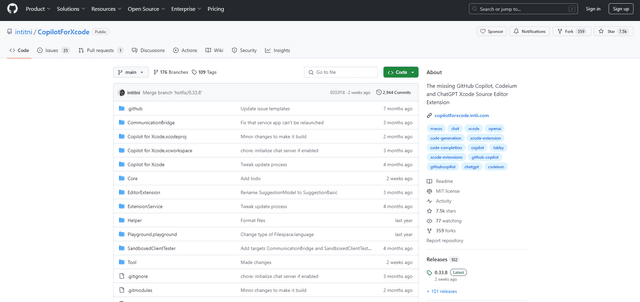
CopilotForXcode
CopilotForXcode adalah Ekstensi Editor Sumber Xcode yang mengintegrasikan GitHub Copilot, Codeium, dan ChatGPT untuk memberikan saran kode yang didukung AI, bantuan obrolan, dan fungsionalitas prompt-to-code di dalam Xcode.
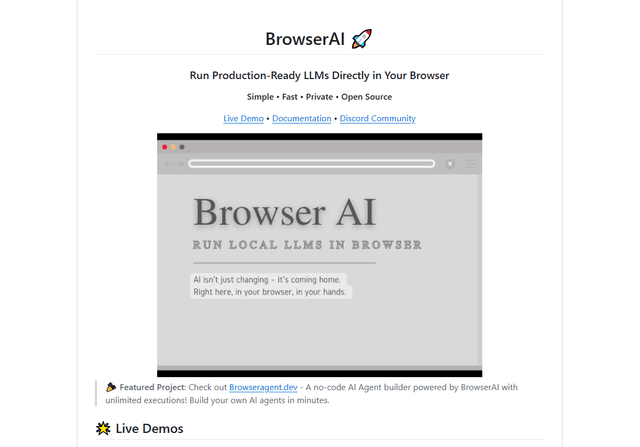
BrowserAI
BrowserAI adalah pustaka sumber terbuka yang memungkinkan menjalankan Model Bahasa Besar (LLM) lokal langsung di browser web dengan akselerasi WebGPU, menawarkan kemampuan AI yang berfokus pada privasi tanpa memerlukan infrastruktur server.
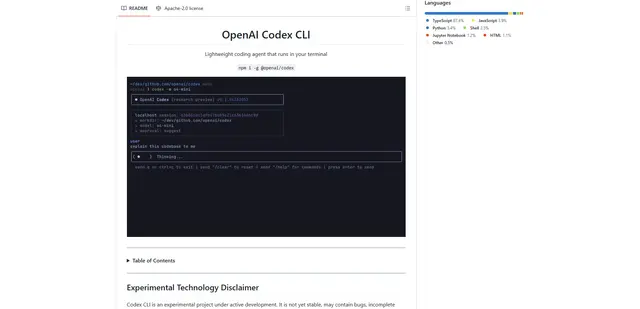
OpenAI Codex CLI
OpenAI Codex CLI adalah agen pengkodean sumber terbuka ringan yang berjalan di terminal Anda, memungkinkan pengembang untuk menerjemahkan bahasa alami ke dalam eksekusi kode sambil memberikan penalaran tingkat ChatGPT dengan kemampuan untuk menjalankan kode, memanipulasi file, dan melakukan iterasi di bawah kontrol versi.