
pixserp
pixserp is an AI-native search engine API that provides one OpenAI-compatible endpoint to query the live web—covering web, news, images, places, shopping, travel, YouTube, transcripts, and any URL—with citations by default and streaming support.
https://pixserp.com/ph?ref=producthunt
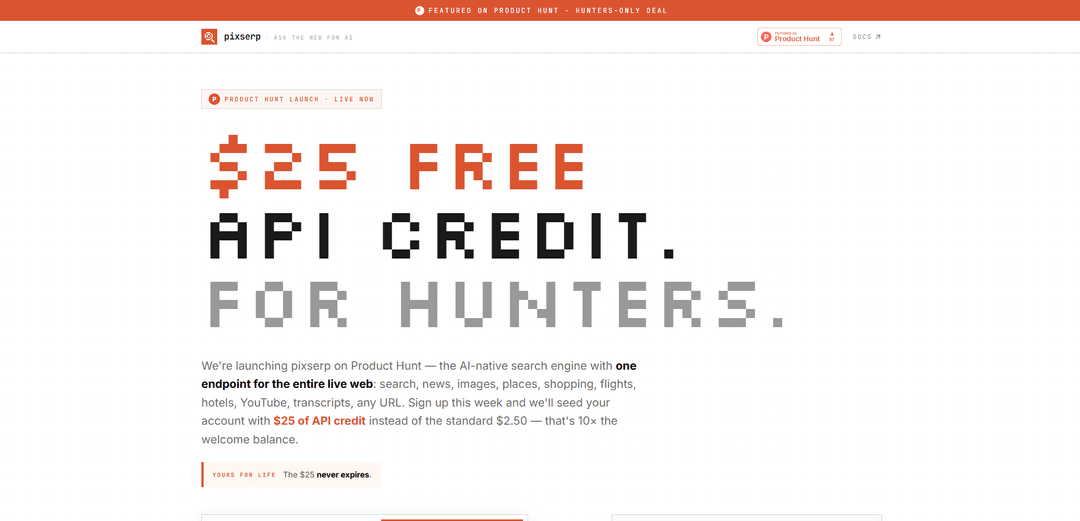
Product Information
Updated:Jun 8, 2026
What is pixserp
pixserp is a developer-focused, AI-native search engine designed to make live-web retrieval simple for apps and agents. Instead of integrating multiple providers or building custom pipelines, it offers a single API endpoint that can return structured, cited answers across many content types (from general web results and news to images, places, shopping, flights, hotels, YouTube, transcripts, and arbitrary URLs). It’s positioned as an easy drop-in for teams already using OpenAI-style chat completions, with a flat per-request pricing model.
Key Features of pixserp
pixserp is an AI-native search API that provides a single chat-completions–style endpoint to access multiple “shapes” of live web data—web results, news, images, places, shopping, flights, hotels, YouTube, transcripts, and arbitrary URLs—returning structured answers with citations by default. It supports an OpenAI SDK drop-in integration via base_url swap, offers streaming SSE for low-latency responses, and uses flat per-request pricing across models (fast/standard/deep) plus an agent mode priced per step.
One endpoint for the live web: Access web, news, images, places/maps, shopping, flights, hotels, YouTube, transcripts, and “any URL” extraction through a single API interface.
Citations by default: Every response includes source URLs as a structured field, enabling traceable outputs and easier downstream UI display or evaluation.
OpenAI SDK drop-in compatibility: Integrates with existing chat-completions code by swapping the base_url, minimizing engineering effort to add web-grounded answers.
Streaming SSE responses: Supports token-by-token streaming with progress events for faster perceived latency and responsive agent/user experiences.
Flat, predictable pricing: Pay-as-you-go with flat per-request pricing for cited answers (fast/standard/deep) and a separate multi-step agent mode priced per step.
Multiple depth modes + agent mode: Choose between quick cited answers, balanced research, deep cross-referenced research, or a multi-step research agent workflow.
Use Cases of pixserp
AI assistants with grounded answers: Power chatbots or copilots that answer user questions with cited sources from across the live web without building a bespoke retrieval pipeline.
News and policy monitoring: Track and summarize current events (e.g., regulatory updates) with citations for analysts, compliance teams, and internal briefings.
E-commerce and price intelligence: Search shopping results to compare products, pricing, and availability, and feed structured findings into dashboards or recommendation engines.
Travel search and itinerary building: Query flights and hotels to assemble options and constraints (dates, direct flights, star ratings) inside travel apps or agent workflows.
YouTube and transcript research: Pull videos and transcripts for summarization, key-claim extraction, and knowledge capture for education, marketing, or competitive research.
Automated URL analysis: Extract key claims or structured insights from any provided webpage URL for fact-checking, content audits, and research pipelines.
Pros
Single unified API covers many content types (web, news, images, places, shopping, travel, YouTube, transcripts, URL extraction).
Cited outputs by default make results more auditable and easier to trust and present.
Easy integration via OpenAI SDK drop-in and streaming SSE for responsive apps.
Flat per-request pricing improves predictability versus token-plus-request pricing models.
Cons
Model choice (fast/standard/deep/agent) may require experimentation to balance cost, latency, and thoroughness for each workload.
Pricing and competitive comparisons are time-sensitive and should be re-verified before quoting externally.
How to Use pixserp
1) Claim the Product Hunt credit: Open https://pixserp.com/ph?ref=producthunt and click “Claim your $25”. This is a Product Hunt week deal that seeds your account with $25 of API credit (instead of the standard $2.50).
2) Sign in with the magic link: Use the magic-link sign-in flow on the claim page. No card and no subscription are required to receive the credit.
3) Confirm your balance in the dashboard: After signing in, check your dashboard to verify the $25 credit has landed. The page states the $25 credit never expires (“Yours for life”).
4) Choose what you want to query (the ‘shape’ of the web): Decide which type of information you want back: web search, news, images, places/maps, shopping, flights, hotels, YouTube, transcripts, or extracting from any URL. pixserp supports all of these behind one endpoint.
5) Pick a response depth/model: Select the model that matches your needs: pixserp-fast (quick cited answers, minimal latency), pixserp-standard (balanced research, verified key facts), pixserp-deep (thorough cross-referenced research), or pixserp-agent (multi-step research agent priced per step).
6) Call the single endpoint: Send your request to the OpenAI-compatible endpoint: POST /v1/chat/completions. pixserp is positioned as an “OpenAI SDK drop-in,” meaning you keep your existing chat-completions code and swap the base_url to pixserp.
7) Ask in plain language and request citations: Write your prompt as a normal question or instruction (e.g., “Latest on the EU AI Act enforcement” or “Extract the key claims from this article: <URL>”). pixserp is “cited by default,” returning sources as URLs you can display or evaluate.
8) Parse the structured citations field: In the API response, read the answer plus the structured citations (source URLs) that back each claim. Use these citations directly in your UI or downstream evaluation without an extra retrieval step.
9) (Optional) Enable streaming for faster UX: If you want token-by-token output, use Streaming SSE as described on the site (“Token-by-token answer with live progress events” and sub-second time-to-first-token).
10) Iterate across content types without changing endpoints: Reuse the same /v1/chat/completions workflow to switch between web/news/images/places/shopping/flights/hotels/YouTube/transcripts/any-URL tasks—pixserp’s promise is “one endpoint, ten shapes.”
11) Track usage against your credit: Monitor how many requests you can run based on the model you chose. The page provides an example: $25 can buy roughly 16,666 ‘fast’ cited-answer requests at list price.
pixserp FAQs
pixserp is an AI-native search engine API that provides one endpoint for accessing the live web in multiple “shapes,” returning structured answers with citations.
Popular Articles

Vosko AI: Localize and Dub Videos for Global Audiences
Oct 15, 2026

Atoms: A Multi-Agent AI Platform That Transforms Ideas into Launch-Ready Products
Oct 13, 2026

Nano Banana SBTI: What It Is, How It Works, and How to Use It in 2026
Apr 15, 2026

Atoms Review — The AI Product Builder Redefining Digital Creation in 2026
Apr 10, 2026
Latest AI Tools Similar to pixserp
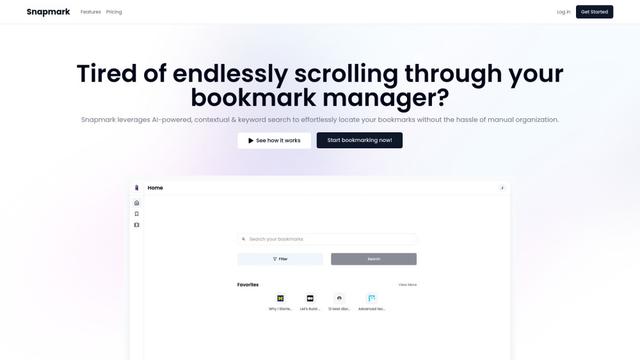
Snapmark
Snapmark is an AI-powered search engine for bookmarks that allows users to save, search, and organize websites, images, and text without manual tagging or categorization.
Uměl.cz
Uměl.cz is a Czech AI-powered search engine that provides intelligent and contextual answers to user queries.
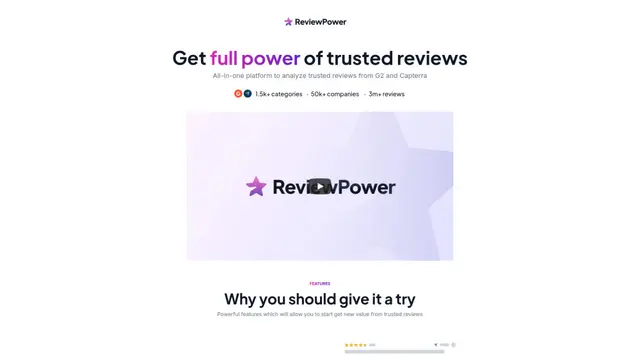
ReviewPower
ReviewPower is an all-in-one platform that aggregates and analyzes trusted reviews from G2 and Capterra to help businesses gain valuable insights from customer feedback.
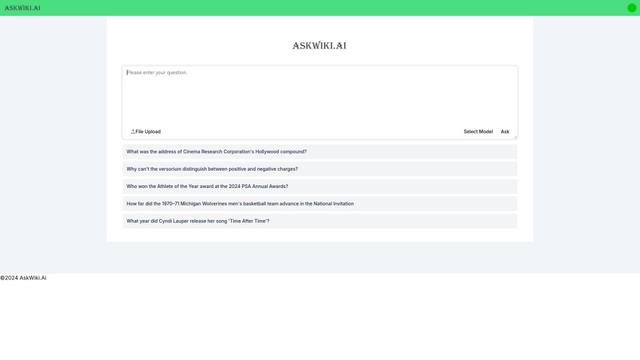
AskWiki
AskWiki is a semantic intelligence software and natural language search engine that enables users to query Wikipedia content through simple questions and receive specific, accurate answers.
Popular AI Tools Like pixserp
SearchGPT
SearchGPT is an AI-powered search prototype by OpenAI that provides fast, conversational answers with clear sources using GPT models.
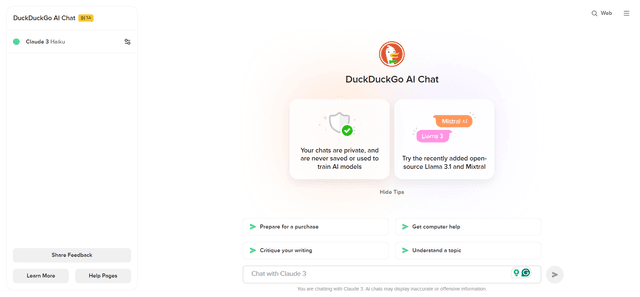
DuckDuckGo AI Chat
DuckDuckGo AI Chat is a free, anonymous way to access popular AI chatbots like GPT-3.5, Claude, and others while preserving user privacy.

R2R
R2R (Reason to Retrieve) is an advanced AI retrieval system that provides production-ready Retrieval-Augmented Generation (RAG) capabilities with multimodal content ingestion, hybrid search, knowledge graphs, and comprehensive document management through a RESTful API.
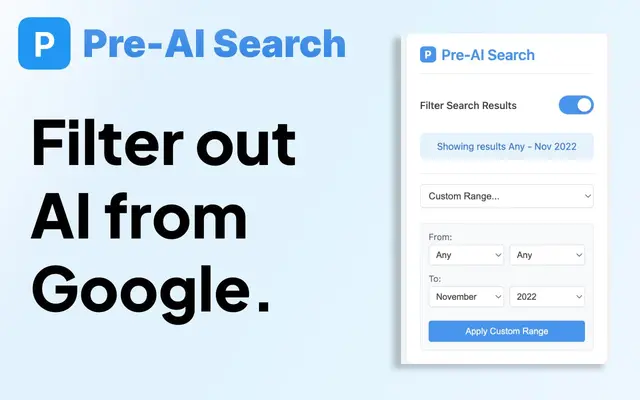
Pre-AI Search - Filter Google AI Content
Pre-AI Search is a Chrome extension that helps users filter out AI-generated content from Google search results by focusing on content published before the rise of AI content generation.