
Permit.io
Permit.io is a comprehensive full-stack authorization solution that enables developers to implement fine-grained permissions and access control into any product within minutes, supporting both traditional applications and AI agent security.
https://www.permit.io/?ref=producthunt

Product Information
Updated:Apr 8, 2026
Permit.io Monthly Traffic Trends
Permit.io received 124.1k visits last month, demonstrating a Slight Decline of -3.2%. Based on our analysis, this trend aligns with typical market dynamics in the AI tools sector.
View history trafficWhat is Permit.io
Permit.io is a modern authorization platform that serves as a unified solution for managing permissions and access control across applications, APIs, services, and AI agents. Built on strong open-source foundations like OPA (Open Policy Agent) and OPAL (Open Policy Administration Layer), it provides a complete authorization framework that goes beyond basic role-based access control. The platform is designed to address the growing challenges of authorization in both traditional software systems and emerging AI-driven applications, offering a seamless integration with existing authentication providers and developer stacks.
Key Features of Permit.io
Permit.io is a full-stack authorization solution that provides fine-grained access control for applications, AI agents, and data. It offers policy creation and enforcement tooling based on Open Policy Agent (OPA) and OPAL, enabling developers to implement authorization within minutes while supporting various authentication methods, policy languages, and deployment options. The platform includes visual policy editing tools, SDKs, APIs, and interfaces designed for both technical and non-technical team accessibility.
AI Agent Security: Provides real-time authorization for AI agents with identity verification, intent interrogation, and policy enforcement across every system interaction
Fine-grained Authorization: Supports RBAC, ABAC, and ReBAC models with sub-millisecond decision latency and policy enforcement at various levels including frontend, backend, and database
Developer-friendly Tools: Offers comprehensive CLI, SDKs, APIs, GitOps workflows, and policy-as-code capabilities for seamless integration and management
Hybrid Deployment: Supports both cloud-based and on-premises deployment options with the ability to keep sensitive data within your own VPC
Use Cases of Permit.io
Enterprise Access Management: Large organizations can implement consistent authorization across multiple systems while maintaining compliance with regulations like HIPAA and GDPR
AI Application Security: Companies developing AI-powered applications can secure agent interactions and enforce proper access controls on AI operations and data access
SaaS Platform Authorization: SaaS providers can implement robust permission systems for their products without building complex authorization infrastructure from scratch
Pros
Comprehensive authorization solution with support for multiple policy engines and deployment options
Strong developer experience with extensive tooling and documentation
Enterprise-grade security features and compliance certifications
Cons
May be overkill for smaller projects with simple authorization needs
Limited deployment options for organizations requiring full control over authorization infrastructure
Requires integration effort and potential architecture changes for existing systems
How to Use Permit.io
Create a Permit.io Account: Sign up for a Permit.io account using Google/GitHub credentials or SSO login. This account will be used to configure and manage the authorization layer of your application.
Get API Key: Open the Permit Dashboard, go to Projects screen, select desired Project and Environment. Click the menu in top-right corner and choose 'Copy API Key'. This key will be used to authenticate your application with Permit.
Install Permit SDK: Install the Permit SDK in your project using your preferred package manager. Permit supports multiple programming languages including Python, Node.js, and others.
Initialize PDP Container: Set up the Policy Decision Point (PDP) container that will run alongside your application. This microservice will handle authorization decisions.
Create Resources and Actions: In the Permit dashboard, create resources that represent the objects in your application that need protection, and define the actions that can be performed on them.
Define Roles: Create roles and assign permissions to them using the Policy Editor. You can use either block view or grid view to manage permissions.
Assign Roles to Users: Assign the created roles to users in your application. Users can have different roles in different tenants if using multi-tenancy.
Implement Permission Checks: Add permission checks in your code using the Permit SDK. Use permit.check() to verify if users have permission to perform specific actions.
Set Up Frontend Controls: Implement frontend permission checks to show/hide UI elements based on user permissions using Permit's frontend SDK.
Configure Audit Logging: Enable audit logging to track all authorization decisions and access patterns in your application.
Permit.io FAQs
Permit.io is a full-stack authorization solution that provides access control for products and services, covering infrastructure (policy engines, SDKs, APIs), back office controls, and end-user interfaces. It's designed to work with both human users and AI agents.
Permit.io Video
Popular Articles

Atoms: A Multi-Agent AI Platform That Transforms Ideas into Launch-Ready Products
May 22, 2026

Nano Banana SBTI: What It Is, How It Works, and How to Use It in 2026
Apr 15, 2026

Atoms Review — The AI Product Builder Redefining Digital Creation in 2026
Apr 10, 2026

Kilo Claw: How to Deploy and Use a True "Do‑It‑For‑You" AI Agent(2026 Update)
Apr 3, 2026
Analytics of Permit.io Website
Permit.io Traffic & Rankings
124.1K
Monthly Visits
#299202
Global Rank
#4878
Category Rank
Traffic Trends: Jan 2025-Jun 2025
Permit.io User Insights
00:00:51
Avg. Visit Duration
2.26
Pages Per Visit
42.78%
User Bounce Rate
Top Regions of Permit.io
US: 19.04%
IN: 8.06%
VN: 4.62%
CO: 3.13%
GB: 3%
Others: 62.14%
Latest AI Tools Similar to Permit.io
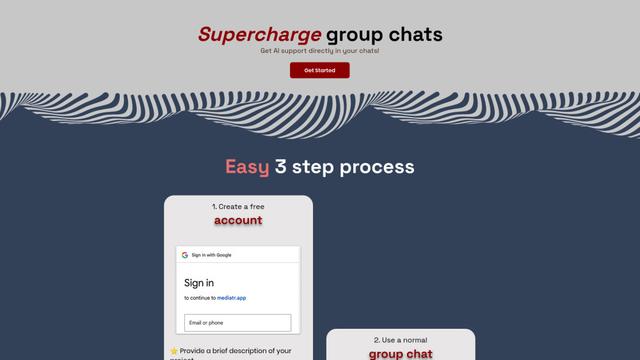
Mediatr
MediatR is a popular open-source .NET library that implements the Mediator pattern to provide simple and flexible request/response handling, command processing, and event notifications while promoting loose coupling between application components.
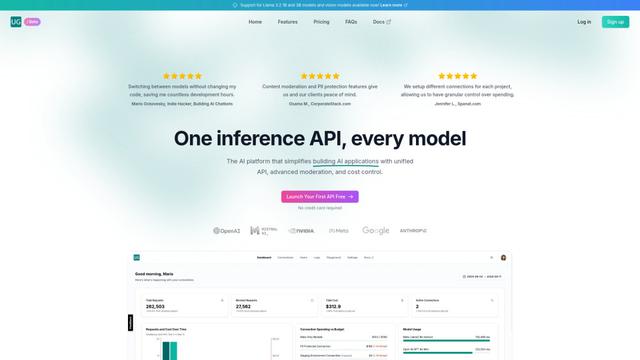
UsageGuard
UsageGuard is a secure AI platform that provides unified API access to multiple LLM providers with built-in safeguards, moderation, and cost control features.
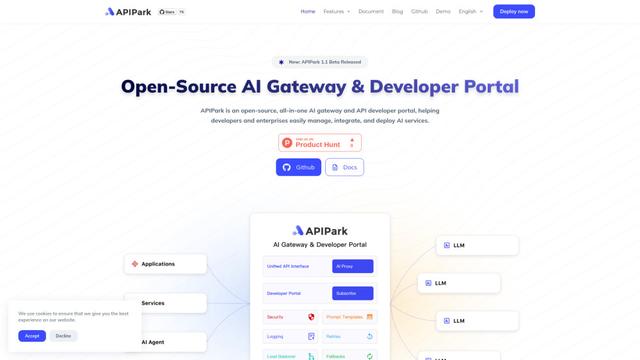
APIPark
APIPark is an open-source, all-in-one AI gateway and API developer portal that enables organizations to quickly build internal API portals, manage multiple AI models, and streamline API lifecycle management with enterprise-grade security and governance features.

API Fabric
API Fabric is an AI-powered application generator that helps create APIs and frontends by describing the application requirements through natural language prompts.
Popular AI Tools Like Permit.io

A2A Protocol
A2A (Agent2Agent) Protocol is an open interoperability protocol developed by Google that enables seamless communication and collaboration between AI agents across different frameworks and vendors, regardless of their underlying architecture.
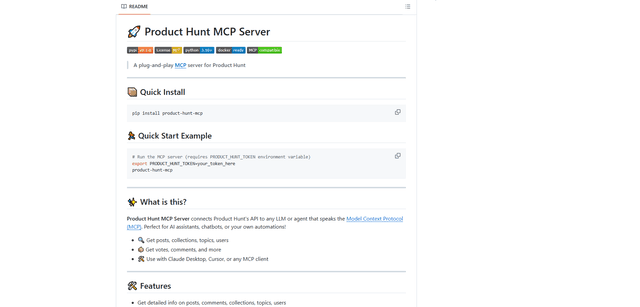
Product Hunt MCP
Product Hunt MCP Server is a blazing-fast, plug-and-play server that connects Product Hunt's API to any LLM or AI agent through the Model Context Protocol (MCP), enabling seamless access to posts, collections, topics, users, votes, and comments.
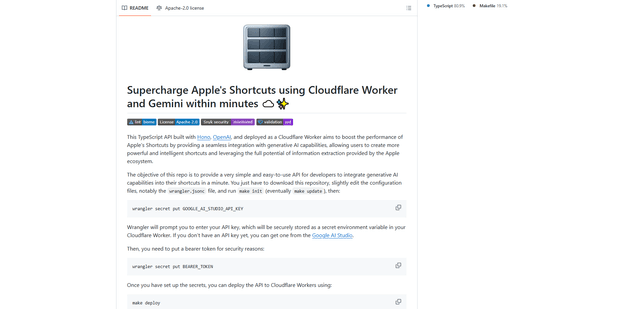
GenAI API for Apple Shortcuts
A TypeScript API that supercharges Apple's Shortcuts by integrating Cloudflare Workers with Google's Gemini AI model to enable powerful AI capabilities within minutes and for free (up to 1,500 requests per day).
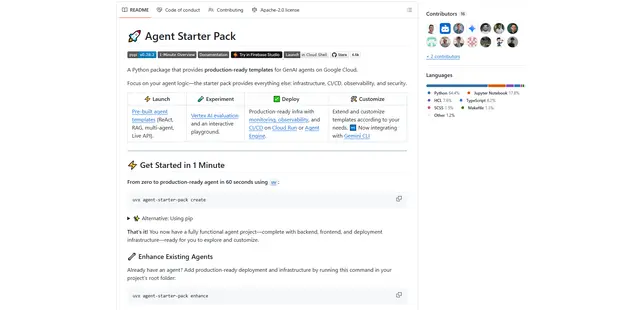
Agent Starter Pack
Agent Starter Pack is a Python package that provides production-ready templates for building GenAI agents on Google Cloud with built-in infrastructure, CI/CD, observability, and security features.