
OpenChatCut
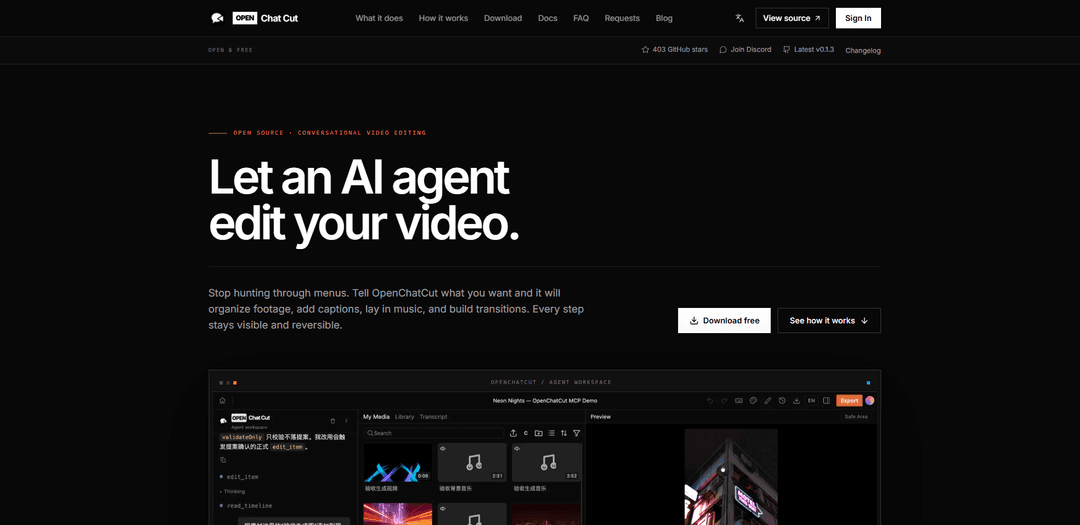
OpenChatCut is an open-source, local-first AI video editor that lets conversational agents edit a real multi-track timeline via MCP, with visible, reversible changes and production-ready exports powered by Remotion.
https://openchatcut.com/?ref=producthunt
Product Information
Updated:Aug 8, 2026
What is OpenChatCut
OpenChatCut is a desktop, local-first conversational video editing tool designed for creators and developers who want AI to participate directly in professional editing workflows without losing control. Instead of generating an untouchable final video, it operates on an editable, multi-track timeline—video, audio, captions, transitions, effects, LUTs, motion graphics, and keyframes—so every AI-driven change is previewable, adjustable, and undoable. It’s open source, model-agnostic, and built to integrate with external agents and tooling through MCP.
Key Features of OpenChatCut
OpenChatCut is an open-source, local-first conversational AI video editor that lets an AI agent directly edit a real multi-track timeline (not just provide suggestions). You describe the cut in natural language and the agent performs reversible, visible edits such as trimming, arranging clips, adding captions, music, transitions, effects, and motion graphics, with Remotion-powered rendering for export. It supports connecting external agents/models (e.g., Codex, Claude) via MCP integration, while keeping core editing and project storage local unless you explicitly configure cloud services for features like transcription or generation.
Conversational timeline editing: Edit by describing intent (pace, style, structure) while the agent applies concrete changes—placing clips, trimming dead space, adding captions/music—directly onto the editable timeline.
Professional multi-track timeline: Work with video, audio, captions, transitions, effects, LUTs, motion graphics, and keyframes in a familiar, non-black-box project you can refine manually.
Local-first workflow and storage: Core editing, projects, chat history, and version data live locally (e.g., ~/.openchatcut) with local media storage; cloud-connected features are optional and only activate when configured.
Model-agnostic agents via MCP: Bring your own agent and switch models without rebuilding workflows by integrating Codex, Claude, or custom agents through MCP, plugins, and templates.
Remotion-powered rendering: Export and render videos using a Remotion-based pipeline, supporting a programmable approach to motion graphics and consistent output.
Open-source and transparent: AGPL-licensed codebase with downloadable desktop builds (macOS/Windows) and the option to run from source for development and troubleshooting.
Use Cases of OpenChatCut
Creator/podcaster talking-head edits: Quickly remove pauses and repeated takes, tighten pacing, add captions, and lay in background music for YouTube and social clips while keeping full timeline control.
Marketing and brand content production: Generate first-pass edits with consistent transitions, motion graphics templates, and captions, then fine-tune visuals and timing for brand-aligned promos and ads.
Agency or studio prototyping: Use agent-driven rough cuts to accelerate iteration with clients, keeping every edit reversible and editable in a professional multi-track timeline.
Education and training videos: Assemble lessons from screen recordings and camera footage, add captions and chapter-like structure, and rapidly revise content through conversational instructions.
Developer/automation-driven video workflows: Integrate custom agents and tools through MCP to automate repetitive editing tasks, experiment with templates, and render outputs via Remotion.
Pros
Local-first and transparent: core editing works without cloud dependencies, and storage is local unless you configure external services.
True editable timeline: the agent performs real, reversible timeline operations rather than producing a flattened, uneditable result.
Model-agnostic integrations: connect Codex/Claude/custom agents via MCP and swap models later without retooling the workflow.
Cons
Active development: features, project format, and agent tooling are evolving, so production workflows should be validated against current release status.
Some capabilities depend on external configuration: transcription, generation, and online media features require you to set up corresponding services.
AGPL licensing: may impose strong copyleft obligations for certain commercial or networked deployments.
How to Use OpenChatCut
1) Install OpenChatCut (desktop) or pull the source: Go to https://openchatcut.com/download to download the desktop build, or open the source repo at https://github.com/0xsline/OpenChatCut and clone it if you prefer running from code. OpenChatCut is local-first and open source (AGPLv3+).
2) Launch OpenChatCut and create/open a project: Start the app and create a new project (or open an existing one). OpenChatCut works on a real multi-track timeline (video, audio, captions, effects, motion graphics, keyframes).
3) Import your media into the project: Add your footage/audio into the project so it appears in the asset/media area and can be placed onto the timeline. User media is stored in a local media directory you can back up or migrate.
4) Connect an AI agent (Codex, Claude, or your own) via MCP: In the agent/workspace setup, connect the model/agent you want to use through MCP (OpenChatCut is model-agnostic). Whether requests leave your machine depends on the model/services you configure; unconfigured cloud features won’t affect local editing.
5) Describe the edit you want in natural language: Tell the agent the pace, style, and destination (e.g., “tighten pacing, remove dead space, add captions, and lay in music”). OpenChatCut’s agent uses real editing tools and applies changes directly to the editable timeline (not a flattened, locked video).
6) Let the agent perform timeline edits: The agent can place clips, trim dead space, add captions/subtitles, lay in music, and build transitions/effects/motion graphics using built-in templates. Changes appear on the timeline as it works.
7) Refine by continuing the conversation: Keep iterating with follow-up instructions (e.g., “make it faster,” “use a cleaner transition,” “change the music track,” “adjust caption style”). The agent understands what you selected and the rest of the project context.
8) Manually fine-tune with standard editing controls: After the agent creates a first pass, adjust details yourself using the timeline controls (trim points, keyframes, track levels, captions timing, transitions, effects, LUTs, motion graphics). Every step stays visible and reversible.
9) Undo or roll back changes when needed: If you don’t like an automated change, undo it or revert to earlier versions. OpenChatCut emphasizes reversible, transparent edits rather than one-shot generation.
10) Export your video (H.264) and tune performance if needed: Export the finished edit. Local H.264 exports prefer hardware encoders when available (VideoToolbox on macOS, NVENC on compatible Windows), then fall back to software encoding. If exports are slow or unstable, tune environment variables such as OPENCHATCUT_RENDER_CONCURRENCY, OPENCHATCUT_MAX_ACTIVE_EXPORTS, OPENCHATCUT_DISABLE_HARDWARE_ENCODING, or OPENCHATCUT_H264_ENCODER (see .env.example).
11) Manage local storage and backups: Projects, chat history, and version data are stored locally under ~/.openchatcut (with IndexedDB used for browser-side cache/legacy migration). Back up the local store and your media directory if you want portability across machines.
12) Secure MCP access if exposing it beyond your machine: If you expose MCP externally, configure a Bearer Token and restrict network access to the editor endpoint to avoid unauthorized control of your editing environment.
OpenChatCut FAQs
OpenChatCut is an open-source, local-first AI agent video editor and an open-source alternative to ChatCut. It combines conversational editing with a real multitrack timeline so AI agents can make actual edits that remain fully editable.
Popular Articles
Atoms: A Multi-Agent AI Platform That Transforms Ideas into Launch-Ready Products
May 22, 2026

Nano Banana SBTI: What It Is, How It Works, and How to Use It in 2026
Apr 15, 2026

Atoms Review — The AI Product Builder Redefining Digital Creation in 2026
Apr 10, 2026

Kilo Claw: How to Deploy and Use a True "Do‑It‑For‑You" AI Agent(2026 Update)
Apr 3, 2026
Latest AI Tools Similar to OpenChatCut
EzVideos
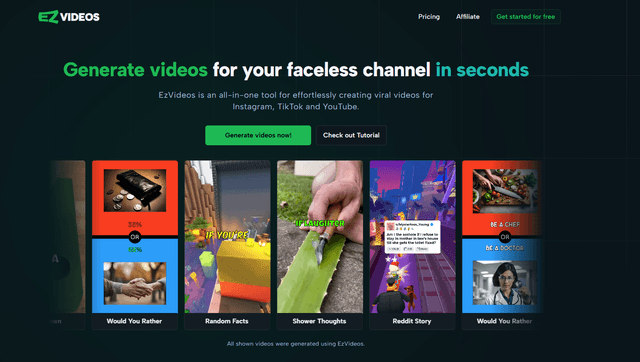
EzVideos is an all-in-one video creation tool that helps users generate viral videos for social media platforms like Instagram, TikTok, and YouTube with automated editing features and built-in resources.

Blanc AI
Blanc AI is a revolutionary AI solution that enables video content translation and dubbing into 47+ languages while preserving the original voice, emotions, and lip synchronization.
Wink Mody
Wink Mody is a modified version of the Wink video editing app that offers premium features like AI-powered retouching, 4K exports, and watermark-free editing completely free of charge.
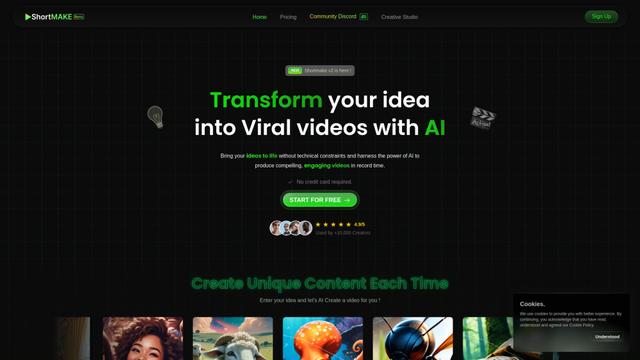
Shortmake AI
ShortMake is an AI-powered video creation platform that transforms ideas into viral-ready videos by automatically generating scripts, voiceovers, visuals, and subtitles specifically optimized for platforms like TikTok and YouTube Shorts.
Popular AI Tools Like OpenChatCut
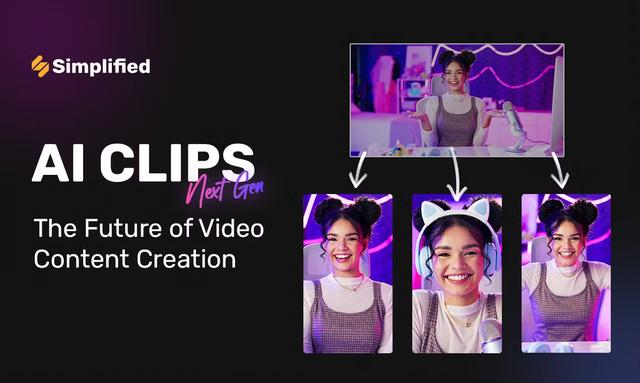
AI Clips - New Gen
AI Clips - New Gen is an AI-powered video clipping tool that automatically generates engaging short-form content from long videos for multiple social media platforms like YouTube Shorts, TikTok, Instagram Reels and more.
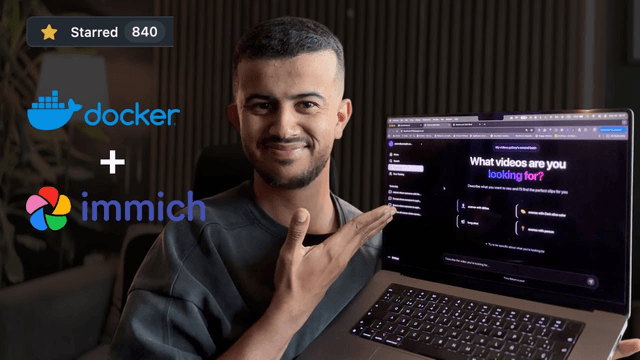
Edit Mind
Edit Mind is an open-source, AI-powered video indexing and semantic search platform that enables users to analyze and search through video content using natural language queries, with features including transcription, frame analysis, face recognition, and object detection.
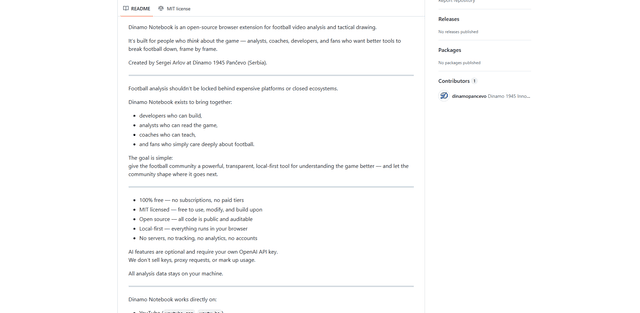
Dinamo Notebook
FreeAI Video Editing
Dinamo Notebook is a free, MIT-licensed, local-first browser extension for football video analysis that lets you draw tactical annotations on YouTube/Dailymotion/Twitch footage and optionally use AI (with your own OpenAI API key) for tactical insights.
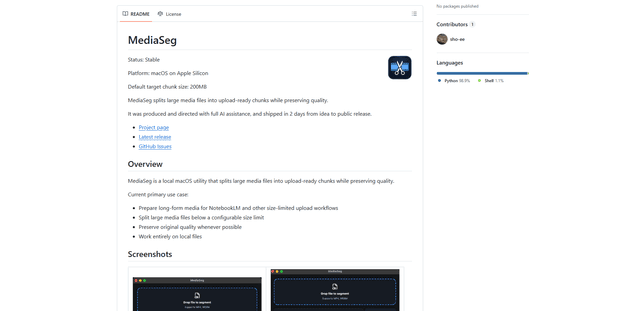
MediaSeg
MediaSeg is a stable, local-first macOS utility that splits large MP4/WEBM media files into upload-ready chunks under a configurable size limit while preserving quality using ffmpeg/ffprobe and an AI-assisted, target-based sizing strategy.