
Deck
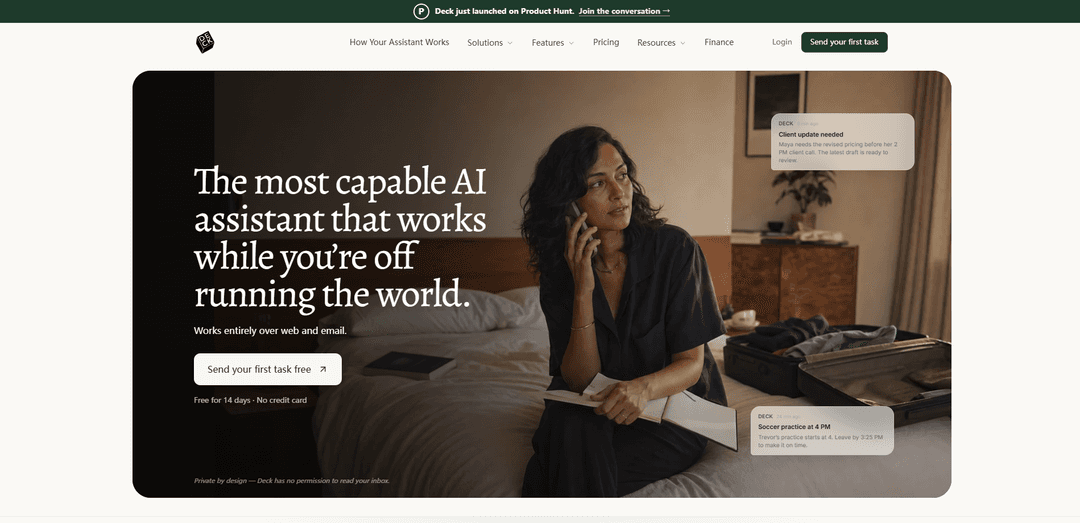
Deck è un assistente AI progettato per la privacy che funziona tramite e-mail e web: mettilo in CC nelle conversazioni o inoltra i messaggi per redigere risposte, tenere traccia delle attività, eseguire routine e collegare il contesto tra i tuoi strumenti senza accesso alla casella di posta.
https://hellodeck.ai/?ref=producthunt&utm_source=aipure
Informazioni sul Prodotto
Aggiornato:Aug 8, 2026
Cos'è Deck
Deck è un assistente AI progettato per aiutare i professionisti e i team impegnati a mantenere il lavoro in movimento trasformando il flusso quotidiano di e-mail e informazioni in output organizzati e attuabili. Invece di richiedere un'app, un plug-in o autorizzazioni per leggere la tua casella di posta, Deck ti fornisce un indirizzo e-mail dedicato per l'assistente (ad esempio, @agent.hellodeck.ai) a cui puoi mettere in CC nelle conversazioni o inoltrare messaggi e file, come coinvolgere un compagno di squadra. Si posiziona come un "team di uno" che può supportare tutto, dalla logistica personale ai flussi di lavoro professionali (incluse vendite, finanza, investimenti e servizi) ricordando il contesto, redigendo comunicazioni e aiutando a garantire che i dettagli importanti non vadano persi.
Caratteristiche principali di Deck
Deck è un assistente AI che funziona principalmente tramite email (e web), progettato per aiutare individui e team impegnati a tenere sotto controllo conversazioni, attività e routine senza installare un'app o concedere l'accesso alla casella di posta. Puoi mettere in CC o inoltrare le email al tuo indirizzo assistente dedicato (es. @agent.hellodeck.ai), e seguirà le conversazioni, segnalerà rischi e scadenze, ricorderà il contesto (persone, progetti, preferenze, file) e potrà eseguire routine programmate che riassumono e confrontano informazioni tra strumenti collegati (es. Calendar, Slack, Notion, HubSpot, note di chiamata). Risponde solo a te nelle conversazioni email e pone l'accento sulla privacy-by-design (nessun permesso di leggere la tua casella di posta), con dichiarazioni di sicurezza di livello aziendale (SOC 2, GDPR) e piani che vanno da Gratuito a Pro a Enterprise.
Assistente nativo per email (flusso di lavoro CC/inoltro): Deck funziona dalla tua email esistente: mettilo in CC in una conversazione o inoltra messaggi/file, e si aggiorna con il contesto completo, senza plugin, senza nuova app e con una configurazione minima.
Privacy by design senza accesso alla casella di posta: Deck è posizionato per operare senza il permesso di leggere la tua casella di posta; vede solo ciò che invii/metti esplicitamente in CC e risponde solo a te (non a clienti/compagni di squadra nella conversazione).
Monitoraggio proattivo e "secondo paio di occhi": Segue le conversazioni per segnalare discretamente ciò che richiede attenzione, ad esempio, risposte mancanti, termini contrattuali nascosti, conflitti di tempistica e altri rischi prima che tu risponda.
Memoria per persone, progetti e preferenze: Mentre lavora al tuo fianco, impara come scrivi, chi/cosa ha alta priorità e dettagli/decisioni chiave in modo che bozze future, promemoria e riassunti rimangano allineati.
Routine e briefing programmati: Puoi impostare automazioni che vengono eseguite su base programmata (quotidiana/settimanale) come briefing mattutini, riassunti di newsletter, aggiornamenti account e riepiloghi settimanali del team consegnati via email.
Integrazioni con strumenti di lavoro comuni: Deck può utilizzare fonti supportate come Google Calendar, Slack, Notion, HubSpot, strumenti per note di chiamata (es. Fireflies/Granola) e file di progetto selezionati per sintetizzare aggiornamenti e azioni successive.
Casi d'uso di Deck
Fondatori e operatori: esecuzione quotidiana e follow-up: Ricevi briefing mattutini, identifica conversazioni in ritardo, redigi follow-up concisi e impedisci che i progetti sfuggano di mano mentre gestisci riunioni e stakeholder.
Team di vendita: igiene dell'account e della pipeline: Riassumi chiamate/note recenti, estrai lo stato dell'account dal CRM (es. HubSpot), suggerisci i passaggi successivi e redigi solleciti quando gli affari si fermano.
Team finanziari e di investimento: supporto al flusso di lavoro delle trattative: Automatizza parti del flusso di trattative/due diligence organizzando i materiali in entrata (modelli, note, presentazioni) in insight strutturati ed evidenziando rischi o elementi mancanti.
Servizi professionali: supervisione delle conversazioni con i clienti: Tieni sotto controllo la deriva dello scope e le richieste dei clienti mettendo Deck in CC nelle conversazioni chiave; segnala cambiamenti, scadenze e suggerisce il linguaggio di risposta.
Triage della revisione legale/contrattuale: Usa Deck come prima analisi per evidenziare termini notevoli (es. clausole di rinnovo automatico, commissioni, strette contingenze) e redigere risposte che sollevano domande, prima della revisione formale.
Logistica personale per professionisti/genitori impegnati: Inoltra email scolastiche, mediche e domestiche; Deck può trasformarle in promemoria/cose da fare, segnalare conflitti di orario e redigere risposte rapide.
Vantaggi
Adozione a basso attrito: funziona via email senza app/plugin e con una configurazione rapida.
Posizione sulla privacy: nessun accesso alla casella di posta richiesto; elabora solo ciò che invii/metti in CC e risponde solo a te.
Ottimo per il contesto continuo: ricorda persone/progetti/preferenze e supporta routine programmate tra gli strumenti.
Svantaggi
Visibilità limitata per design: senza accesso alla casella di posta, non può agire proattivamente sulle email che dimentichi di mettere in CC/inoltrare.
Le integrazioni sono in evoluzione: le fonti sono supportate ma "altri modi per connettersi arriveranno presto", quindi alcuni flussi di lavoro potrebbero non essere ancora coperti.
Vincoli del livello gratuito: limiti di messaggi e meno funzionalità di automazione/memoria rispetto a Pro.
Come usare Deck
1) Crea il tuo assistente Deck (ottieni il tuo indirizzo e-mail dell'assistente): Vai su https://app.hellodeck.ai/sign-up (o clicca su "Get your assistant email" / "Get Started" su https://hellodeck.ai). Scegli un nome per il tuo assistente; Deck genererà un indirizzo dedicato nel formato [email protected]. La configurazione è progettata per richiedere meno di un minuto.
2) Inizia a usare Deck dalla tua e-mail esistente (nessuna installazione, nessun accesso alla casella di posta): Da Gmail o Outlook, inizia una normale conversazione e-mail. Aggiungi il tuo assistente Deck mettendolo in CC nella conversazione (o inoltrando l'e-mail ad esso). Deck è progettato per funzionare interamente tramite web ed e-mail e non richiede l'autorizzazione per leggere la tua casella di posta.
3) Chiedi a Deck di rivedere la conversazione e segnalare ciò che richiede la tua attenzione: Quando è in CC, Deck segue la conversazione e ti invia privatamente note su dettagli importanti, rischi o prossimi passi (ad esempio, clausole di rinnovo, costi nascosti, scadenze). Risponde solo a te, non ad altre persone nella conversazione.
4) Delega la redazione e le risposte: Invia un'e-mail al tuo assistente Deck (o tienilo in CC) e chiedigli di redigere una risposta o un follow-up. Gli esempi di attività mostrate includono la redazione di follow-up quando qualcuno non ha risposto, o la redazione di una risposta che solleva specifiche preoccupazioni contrattuali.
5) Affida un compito direttamente (oltre alla redazione): Invia a Deck una richiesta diretta via e-mail per eseguire una routine o completare un compito nel contesto (ad esempio, "Recupera i numeri del terzo trimestre", "Prepara un riassunto di una pagina per la mia riunione sui prezzi delle 16:00" o "Aggiungi questa scadenza ai miei impegni"). Deck può collegare i punti nel tuo contesto di lavoro e restituire i risultati via e-mail.
6) Imposta routine programmate (brief, riepiloghi, monitoraggio): Configura automazioni ricorrenti che vengono eseguite secondo il tuo programma, come un brief mattutino, riepiloghi settimanali della newsletter, aggiornamenti dell'account o un riepilogo settimanale di ciò che è stato spedito/prossima settimana. Deck esegue la ricerca e ti invia il risultato via e-mail.
7) Collega gli strumenti che già utilizzi (opzionale, per un contesto più ricco): Deck supporta il lavoro con strumenti comuni mostrati sul sito, inclusi Slack, Google Calendar, Fireflies, Granola, DocuSign, Notion, Google Drive, HubSpot e SharePoint. Utilizza queste connessioni in modo che i brief programmati e le richieste di attività possano fare riferimento a riunioni, note e contesto del progetto.
8) Usa il "brief mattutino" di Deck per pianificare la tua giornata: Fai in modo che Deck ti invii via e-mail un brief quotidiano che riassume il tuo programma (riunioni, esigenze chiave di preparazione, blocchi aperti) e evidenzia gli elementi "degni di nota". Questo viene presentato come un'e-mail che puoi rivedere prima che inizi la giornata.
9) Mantieni Deck in conversazioni a lungo termine in modo che possa ricordare il contesto: Continua a mettere in CC Deck nelle conversazioni importanti nel tempo. Deck è progettato per ricordare file, decisioni e dettagli nel contesto in modo da non doverlo ri-briefare ogni volta che chiedi aiuto.
10) Scegli un piano (Gratuito, Pro trial o Enterprise) in base all'utilizzo: Il piano Gratuito include redazione/risposte, fino a 20 messaggi al giorno e un indirizzo e-mail dell'assistente. Il piano Pro include una prova gratuita di 14 giorni (senza carta di credito) con messaggi illimitati più automazioni/integrazioni e tracciamento delle preferenze. Il piano Enterprise offre prezzi personalizzati con SSO/SAML, dominio assistente personalizzato, accesso API e supporto dedicato.
FAQ di Deck
Deck è un assistente AI che funziona tramite web ed e-mail. Gli invii e-mail in copia conoscenza o le inoltri, gli fai domande o gli assegni compiti e routine, e lui ti risponde via e-mail con i risultati.
Articoli Popolari
Atoms: Una Piattaforma AI Multi-Agente Che Trasforma le Idee in Prodotti Pronti al Lancio
May 22, 2026

Nano Banana SBTI: Cos'è, come funziona e come usarlo nel 2026
Apr 15, 2026

Recensione di Atoms — Il builder di prodotti AI che ridefinisce la creazione digitale nel 2026
Apr 10, 2026

Kilo Claw: Come Distribuire e Utilizzare un Vero Agente AI "Fai-da-Te" (Aggiornamento 2026)
Apr 3, 2026
Ultimi Strumenti AI Simili a Deck

10xBeast
10xBeast è una piattaforma di vendita alimentata dall'IA che aiuta le aziende ad automatizzare e personalizzare l'outreach via email a freddo per convertire i lead in clienti in pochi clic.
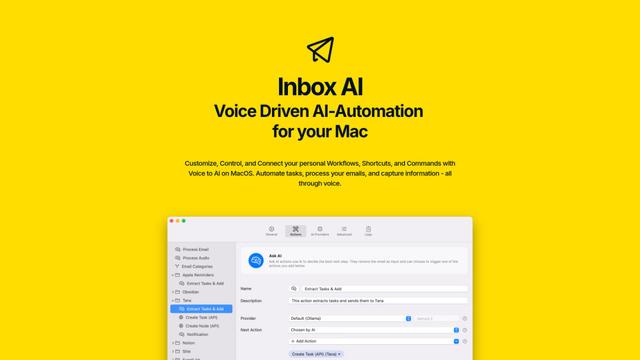
Inbox AI
Inbox AI è un'app di produttività per MacOS incentrata sulla privacy che combina automazione AI guidata dalla voce con capacità di gestione delle email, consentendo agli utenti di creare flussi di lavoro e comandi personalizzati, offrendo sia opzioni AI basate su cloud che su dispositivo.

MailSense
MailSense è un assistente email alimentato da AI che filtra, riassume e genera risposte alle email tramite un'interfaccia bot Telegram per aiutare gli utenti a gestire la loro casella di posta in modo più efficiente.
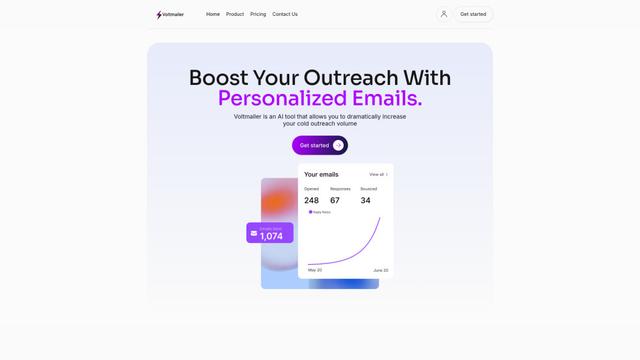
Voltmailer
Voltmailer è uno strumento di automazione delle email alimentato da AI che aiuta le aziende a scalare il loro outreach a freddo generando email personalizzate attraverso l'estrazione di dati dai siti web e la personalizzazione automatizzata.
Strumenti AI Popolari Come Deck
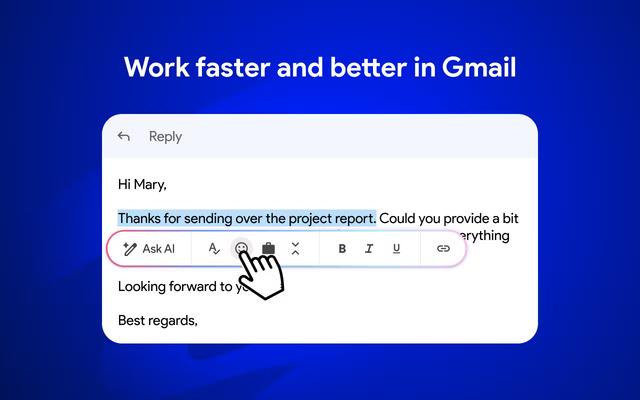
Mailmeteor AI for Gmail
Mailmeteor è un potente strumento di estensione per Gmail che combina scrittura di email AI, mail merge, follow-up automatizzati e capacità di esportazione di email per migliorare la produttività e la gestione delle email all'interno di Gmail.
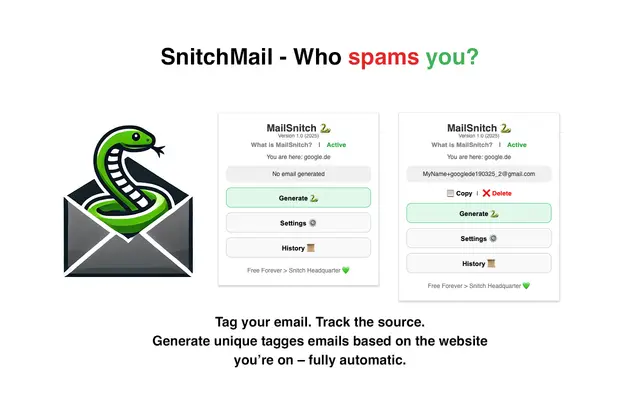
MailSnitch
MailSnitch è un'estensione gratuita di Chrome per il tracciamento della posta elettronica e anti-spam che aiuta gli utenti a identificare le fonti di spam attraverso il sistema automatizzato di tagging e tracciamento della posta elettronica.
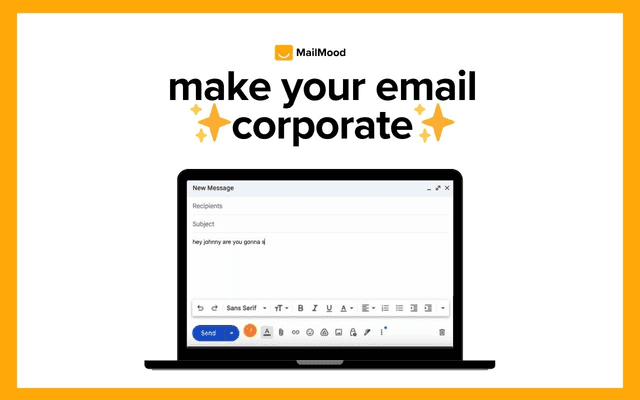
MailMood - AI Email Rewriter
MailMood è un'estensione di Chrome che trasforma istantaneamente i messaggi di Gmail in un linguaggio aziendale professionale, pulito e sicuro di sé con tre diverse opzioni di tono - aziendale, informale o assertivo - tutto con un solo clic.
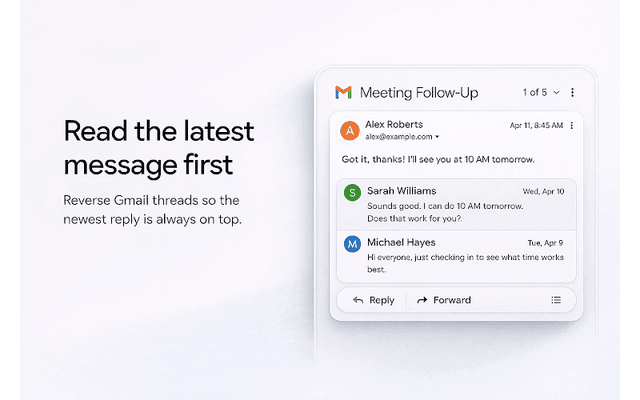
Apparent for Gmail
Apparent per Gmail è un'estensione di Chrome che migliora la leggibilità e l'usabilità di Gmail riorganizzando le conversazioni, semplificando i layout e ottimizzando i flussi di lavoro, mantenendo al contempo la privacy e la sicurezza.