
HelixDB
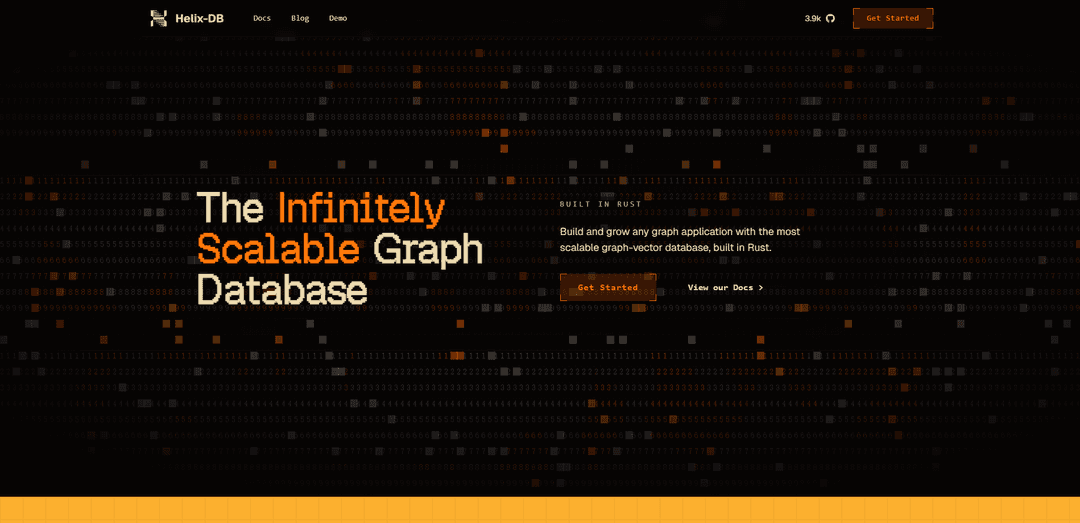
HelixDB is an open-source graph-vector database built in Rust that combines graph and vector capabilities natively in a single platform for building RAG and AI applications.
https://helix-db.com/?ref=producthunt
Produktinformationen
Aktualisiert:Mar 8, 2026
Was ist HelixDB
HelixDB is a high-performance database system that brings together graph and vector data models in one unified platform. Built from scratch in Rust, it provides a comprehensive solution for AI applications by integrating semantic search capabilities with relationship modeling. The database was founded in 2025 by Xavier Cochran and George Curtis, and is available both as an open-source project and as a managed service for enterprise users. It features its own type-safe query language called HelixQL, which compiles into Rust code and runs as native endpoints.
Hauptfunktionen von HelixDB
HelixDB is an open-source graph-vector database built in Rust that combines graph and vector data types in a single platform. It provides native support for both similarity searches and relationship queries, making it particularly suitable for RAG (Retrieval-Augmented Generation) and AI applications. The database offers high performance, type-safe queries through HelixQL, and built-in MCP support for AI agents to traverse and discover data within the graph.
Hybrid Data Model: Natively combines graph and vector data types, supporting KV, documents, and relational data in a single platform
HelixQL Query Language: Type-safe query language that compiles into Rust code and runs as native endpoints
Built-in Vector Operations: Includes embedded functionality to vectorize text and perform vector operations without requiring separate embedding processes
MCP Support: Built-in support for AI agents to discover and traverse data in the graph without generating human-readable queries
Anwendungsfälle von HelixDB
AI-Powered Search Systems: Enables semantic search combined with relationship-based queries for more contextual and accurate search results
RAG Applications: Supports building retrieval-augmented generation systems by combining vector similarity search with structured relationship data
AI Agent Systems: Provides infrastructure for AI agents to store, recall, and reason over contextual data in a single system
Vorteile
High performance with 2-3 orders of magnitude faster than Neo4j for vector search
Simplified architecture by combining multiple database types in one platform
Built with Rust for type safety and performance
Nachteile
Relatively new product with limited production usage
Limited to 5MB database size by default (though configurable)
Currently available only as a managed service for selected users
Wie verwendet man HelixDB
Install Prerequisites: Ensure you have Rust version 1.88.0 or higher installed. Run 'rustup update' to update Rust if needed.
Add Dependencies: Add helix-db dependency to your Cargo.toml: [dependencies] helix-db = "0.1.0"
Initialize Client: Create a new HelixDB client instance. Default port is 6969: let client = HelixDB::new(None); // Or specify custom port: let client = HelixDB::new(Some(8080));
Define Data Structures: Create Rust structs for your data using Serde for serialization/deserialization. Example: #[derive(Serialize)] struct UserInput { name: String, age: i32 }
Write Queries: Use HelixQL to write type-safe queries that will be compiled to Rust code. Queries can combine vector search and graph traversals.
Execute Queries: Use the client.query() method to execute queries: let result: UserOutput = client.query("addUser", &input).await?;
Vector Operations: Use the built-in Embed function to vectorize text data. No pre-embedding required before sending to Helix.
Graph Operations: Use MCP support to allow agents to discover data and walk the graph structure. Combine with vector search for hybrid queries.
Access Control: Data is private by default and can only be accessed through compiled HelixQL queries.
HelixDB FAQs
HelixDB is an open-source graph-vector database built in Rust that combines graph and vector data models in a single platform. It's designed to make building AI applications easier by eliminating the need for separate application DB, vector DB, graph DB, or multiple storage locations.
Beliebte Artikel
Atoms: Eine Multi-Agenten-KI-Plattform, die Ideen in startbereite Produkte verwandelt
May 22, 2026

Nano Banana SBTI: Was es ist, wie es funktioniert und wie man es im Jahr 2026 einsetzt
Apr 15, 2026

Atoms Review – Der KI-Produkt-Builder, der die digitale Erstellung im Jahr 2026 neu definiert
Apr 10, 2026

Kilo Claw: Wie man einen echten "Do-It-For-You" KI-Agenten bereitstellt und verwendet (2026 Update)
Apr 3, 2026
Neueste KI-Tools ähnlich wie HelixDB
Tomat
Tomat.AI ist eine KI-gestützte Desktop-Anwendung, die es Benutzern ermöglicht, große CSV- und Excel-Dateien einfach zu erkunden, zu analysieren und zu automatisieren, ohne zu programmieren, und die lokale Verarbeitung sowie fortgeschrittene Datenmanipulationsfunktionen bietet.
Data Nuts
DataNuts ist ein umfassender Anbieter von Datenmanagement- und Analyselösungen, der sich auf Gesundheitslösungen, Cloud-Migration und KI-gestützte Datenbankabfragefähigkeiten spezialisiert hat.
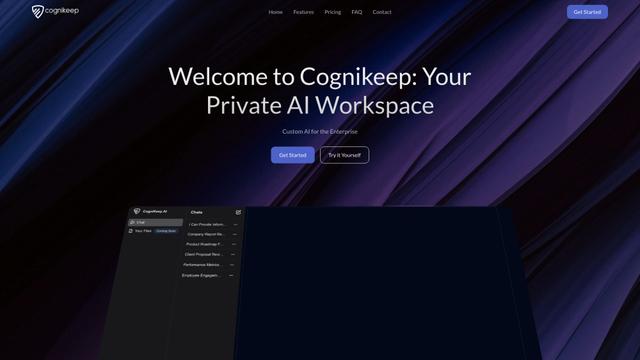
CogniKeep AI
CogniKeep AI ist eine private, unternehmensgerechte KI-Lösung, die es Organisationen ermöglicht, sichere, anpassbare KI-Funktionen innerhalb ihrer eigenen Infrastruktur bereitzustellen und dabei vollständige Datenprivatsphäre und -sicherheit zu gewährleisten.
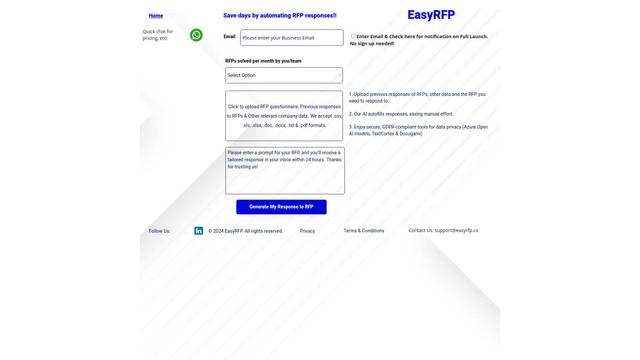
EasyRFP
EasyRFP ist ein KI-gestütztes Edge-Computing-Toolkit, das RFP (Request for Proposal)-Antworten optimiert und eine Echtzeit-Feldphänotypisierung durch Deep-Learning-Technologie ermöglicht.
Beliebte KI-Tools wie HelixDB

Researcher & Analyst in M365 Copilot
Contact for PricingAI Data Mining
Researcher und Analyst sind zwei neuartige KI-Reasoning-Agenten in Microsoft 365 Copilot, die Benutzern helfen, komplexe Forschungs- und Datenanalyseaufgaben zu bewältigen, indem sie sowohl Unternehmens- als auch Webdaten mit fortschrittlichen Reasoning-Funktionen nutzen.
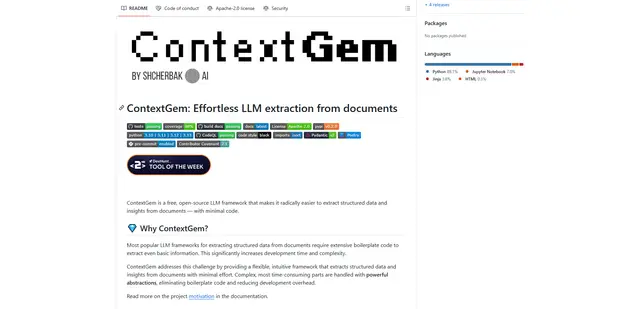
ContextGem
ContextGem ist ein kostenloses Open-Source-LLM-Framework, das die Extraktion strukturierter Daten und Erkenntnisse aus Dokumenten mit minimalem Code durch leistungsstarke integrierte Abstraktionen und automatisierte Funktionen vereinfacht.
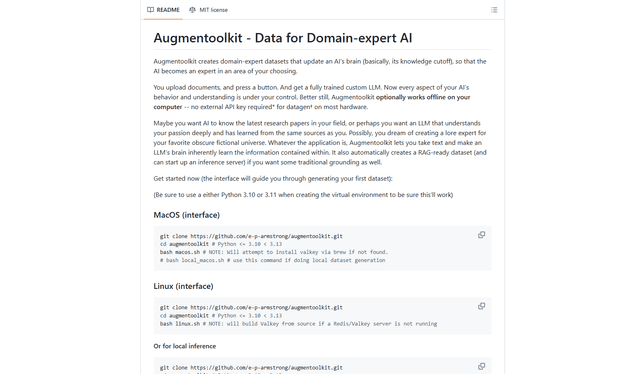
Augmentoolkit 3.0
Augmentoolkit 3.0 ist ein verfeinertes und praxiserprobtes Open-Source-Tool, das Domänenexperten-Datensätze erstellt, um benutzerdefinierte LLMs mit Ihren eigenen Daten zu trainieren. Es verfügt über eine intuitive Benutzeroberfläche, Offline-Funktionen sowie automatische Datensatzgenerierungs- und Trainingsprozesse.
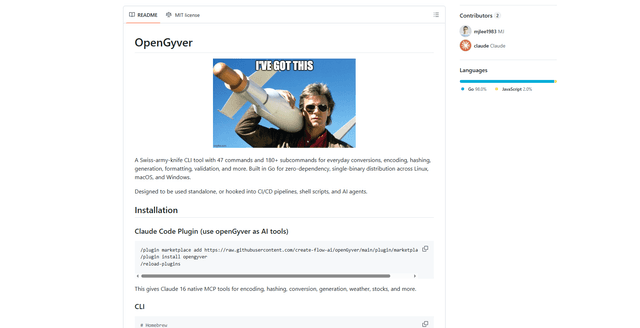
OpenGyver
OpenGyver is an open-source Swiss-army-knife CLI tool with 47 commands and 180+ subcommands for everyday conversions, encoding, hashing, generation, formatting, and validation, designed for standalone use or integration with CI/CD pipelines, shell scripts, and AI agents.