
SellerClaw
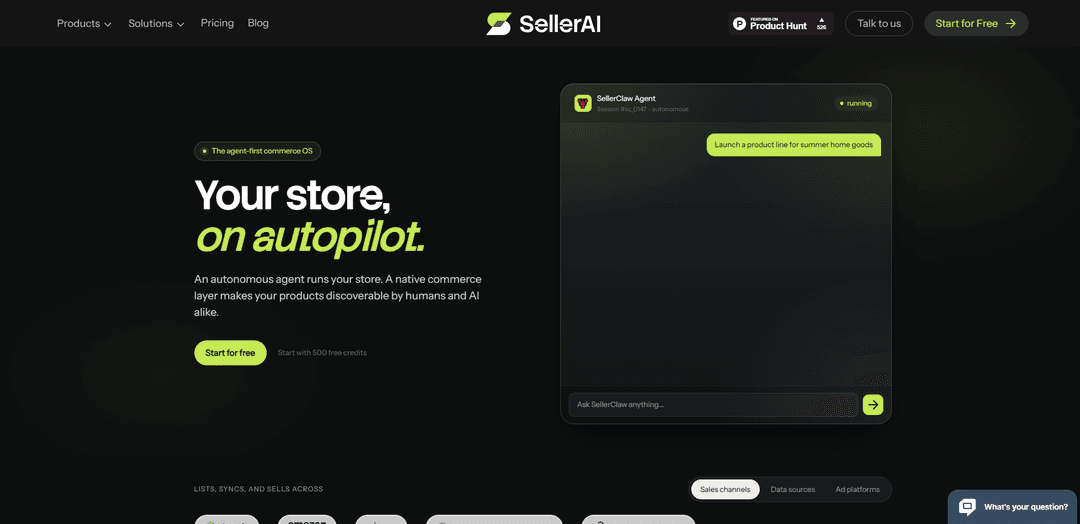
SellerClaw es un agente de comercio autónomo que gestiona tiendas de comercio electrónico de principio a fin (abastecimiento de productos, generación de listados, sincronización de canales, gestión de anuncios y operaciones diarias), disponible tanto como SaaS alojado como en una versión autoalojada/local con límites de aprobación configurables.
https://sellerai.com/?ref=producthunt&utm_source=aipure
Información del Producto
Actualizado:08/06/2026
¿Qué es SellerClaw?
SellerClaw es el "operador de comercio autónomo" de SellerAI, diseñado para administrar una tienda en línea con una mínima intervención humana. Construido sobre una arquitectura de agente adaptada para el comercio, puede conectarse a plataformas como Shopify, eBay y otros canales a través de API, y coordinar flujos de trabajo especializados como el abastecimiento de productos, la creación de listados, las operaciones publicitarias y las tareas relacionadas con el cumplimiento. A diferencia de un chatbot típico que solo hace recomendaciones, SellerClaw está diseñado para tomar acciones reales en su tienda y sistemas conectados, manteniendo esas acciones observables y controlables a través de las reglas que usted establezca.
Características Principales de SellerClaw
SellerClaw es un agente de comercio autónomo que opera tiendas en línea de principio a fin a través de canales como Shopify, eBay y Amazon. Puede buscar y evaluar productos y proveedores, generar y sincronizar listados de productos, gestionar anuncios y flujos de trabajo de crecimiento, y manejar las operaciones diarias utilizando integraciones de API o automatización de navegador real cuando las API no están disponibles. SellerClaw está diseñado para ejecutar acciones reales con pasos observables y aprobables y barandillas configurables, y está disponible como una opción alojada en la nube y autoalojada; la ejecución local puede desviar los costos de las llamadas a herramientas, el almacenamiento y la programación para que los créditos se utilicen principalmente para la computación de IA.
Operaciones autónomas de la tienda: Ejecuta flujos de trabajo clave como la creación de listados, la sincronización de catálogos, las tareas de precios/operaciones y la gestión continua de la tienda con una mínima intervención humana, más que un chatbot de "sugerencias".
Ejecución de comercio multicanal: Funciona en los principales mercados y plataformas de tiendas (por ejemplo, Shopify, eBay, Amazon) y admite canales adicionales a través de API.
Flujos de trabajo de abastecimiento y cumplimiento de proveedores: Ayuda a identificar productos, buscar y evaluar proveedores, y realizar pedidos/coordinar los pasos de cumplimiento como parte de un ciclo de comercio de principio a fin.
Gestión de flujos de trabajo de anuncios y crecimiento: Gestiona la publicidad y las tareas de crecimiento iterativas (operaciones creativas/de campaña y flujos de trabajo relacionados) como parte de las operaciones diarias de la tienda.
Extensibilidad de API + MCP: Se conecta a ERP, PIM, 3PL, portales de proveedores, plataformas de anuncios y herramientas internas a través de API o MCP para que el agente pueda usarlos como capacidades nativas.
Automatización del navegador con barandillas: Utiliza un navegador real para operar sistemas heredados o portales de proveedores/mercados solo web; las acciones son observables y pueden requerir aprobación según las políticas que usted establezca.
Casos de Uso de SellerClaw
Piloto automático de tienda de dropshipping: Automatiza el descubrimiento de productos impulsado por tendencias, la evaluación de proveedores, la creación de listados, la realización de pedidos y la ampliación de anuncios para una operación de dropshipping.
Operador de rendimiento de marca privada: Analiza el rendimiento de la tienda y ejecuta ciclos de optimización continuos (precios, iteraciones creativas y operaciones de campaña) sin necesidad de crear un gran equipo interno.
Estructuración de catálogo mayorista/revendedor: Convierte archivos de proveedores desordenados (facturas/listas de empaque) en listados estructurados y vendibles, y posiciona los precios frente a la competencia del mercado en vivo.
Flujo de trabajo de expansión de mercado: Replica y mantiene listados en múltiples canales (por ejemplo, Shopify a eBay/Amazon) y mantiene el estado del catálogo sincronizado.
Automatizaciones personalizadas empresariales: Implementa flujos de trabajo gobernados y multimarca con integraciones personalizadas, puertas de aprobación y auditabilidad en equipos y regiones.
Ventajas
Autonomía de extremo a extremo: puede realizar acciones reales en el abastecimiento, la publicación, los anuncios y las operaciones en lugar de solo proporcionar recomendaciones.
Integración flexible: admite API/MCP más automatización del navegador para sistemas sin API.
Compatible con la gobernanza: acciones observables con reglas de aprobación y barandillas configurables.
Elección de implementación: disponible en versiones alojadas y autoalojadas/ejecución local, con posibles ahorros de costos al ejecutar llamadas a herramientas/almacenamiento/programación localmente.
Desventajas
Requiere barandillas cuidadosas: las acciones autónomas pueden introducir riesgos si las políticas de aprobación y los permisos no están bien configurados.
El esfuerzo de integración varía: la conexión de ERP, portales de proveedores y plataformas de anuncios puede requerir configuración y mantenimiento continuo.
El alojamiento local/autoalojado aún depende de una cuenta/plan de pago de SellerAI y del uso de créditos para la computación de IA (no es completamente de código abierto en todas las descripciones).
Cómo Usar SellerClaw
1) Elija cómo ejecutará SellerClaw (alojado vs local/autoalojado): Decida entre el SaaS alojado en la nube o la versión que se ejecuta en su propia máquina. Nota: la ejecución local aún requiere una cuenta de SellerAI y un plan de pago; lo que cambia es que las llamadas a herramientas, el almacenamiento y la programación se realizan localmente sin cargo, por lo que los créditos se gastan principalmente en la computación en la nube (el razonamiento de la IA).
2) Cree una cuenta de SellerAI y elija un plan: Regístrese en SellerAI y seleccione un plan basado en créditos. El precio se basa en el trabajo realizado (créditos), no por asiento: una suscripción y un grupo de créditos para su equipo.
3) Conecte sus canales de comercio: Vincule SellerClaw a las tiendas/mercados en los que vende (por ejemplo, Shopify, eBay, Amazon) y a cualquier otra tienda que admita el acceso a la API. Esto le da al agente acceso con permisos para operar sus escaparates.
4) Importe su catálogo existente (o comience desde una hoja de cálculo): Importe productos de su tienda/mercado actual, o proporcione un CSV/XLSX/Google Sheet. SellerAI mapea su catálogo en los datos de producto estructurados necesarios para las superficies de compra de IA.
5) Revise y ajuste cómo aparecen los productos en los canales de IA: En el panel de control, refine los títulos de los productos, las descripciones, los atributos y cualquier campo estructurado para que su catálogo sea preciso y detectable en las experiencias de compra de búsqueda/chat de IA.
6) Establezca límites y reglas de aprobación: Defina qué puede hacer SellerClaw de forma autónoma frente a lo que requiere aprobación (por ejemplo, publicar listados, cambiar precios, lanzar anuncios, realizar pedidos a proveedores). Las acciones están diseñadas para ser observables y aprobables.
7) Conecte proveedores y dependencias de cumplimiento: Adjunte sistemas de proveedores (APIs cuando estén disponibles) para que SellerClaw pueda obtener productos, verificar proveedores y realizar pedidos. Si un proveedor solo tiene un portal web, habilite la operación basada en navegador para que el agente pueda iniciar sesión y completar tareas como un operador humano.
8) Inicie un objetivo operativo (dígale a SellerClaw qué vender y dónde): Proporcione instrucciones como categorías, objetivos de margen, canales a priorizar y restricciones. Los agentes especializados de SellerClaw (abastecimiento, operaciones de tienda, publicidad) se coordinan bajo un supervisor que usted dirige.
9) Deje que SellerClaw genere y prepare páginas de productos: SellerClaw crea páginas/listados de productos vendibles y los prepara para su publicación en los canales conectados. Revise los artículos preparados si necesita aprobación antes de publicarlos.
10) Publique y sincronice listados en todos los canales: Apruebe y publique listados en Shopify/eBay/Amazon (y otros canales conectados). SellerClaw mantiene los listados y el estado del catálogo sincronizados mientras opera.
11) Habilite flujos de trabajo de crecimiento (anuncios, precios, operaciones diarias): Permita que SellerClaw administre anuncios, ejecute ciclos creativos, ajuste precios y ejecute flujos de trabajo operativos diarios dentro de sus límites.
12) Comience a recibir y procesar pedidos: Una vez que los programas se activan, SellerClaw maneja el flujo de pedidos y las actualizaciones posteriores a la compra en sus sistemas conectados. Supervise la ejecución e intervenga solo cuando se activen aprobaciones o excepciones.
13) Expanda las integraciones a través de API o MCP (opcional): Conecte ERPs, PIMs, 3PLs, plataformas publicitarias, portales de proveedores o herramientas internas. Si un servicio tiene una API o habla MCP, SellerClaw puede aprender a usarlo como una capacidad nativa.
14) (Si corresponde) Prepárese para canales de comercio agenticos como ChatGPT Instant Checkout: Utilice la capa de comercio de SellerAI para hacer que los productos sean detectables y comprables dentro de los asistentes de IA. Dependiendo de su configuración, SellerAI puede actuar como comerciante registrado para PYMES, mientras que los comerciantes empresariales pueden mantener su propia pila de MoR y usar SellerAI para la capa de comercio agentico (feed + API de pago basada en ACP).
15) Supervise el uso de créditos y optimice dónde se ejecuta el trabajo: Realice un seguimiento del consumo de créditos (facturación basada en el trabajo). Si ejecuta localmente, puede reducir el gasto en llamadas a herramientas/almacenamiento/programación manteniendo esos elementos locales, reservando créditos principalmente para la computación en la nube (el razonamiento del agente).
Preguntas Frecuentes de SellerClaw
SellerClaw es el operador de comercio autónomo de SellerAI, un agente de IA que puede ejecutar operaciones de comercio electrónico de principio a fin en canales como Shopify, eBay, Amazon y más, realizando acciones reales (no solo haciendo sugerencias) dentro de los límites que usted establezca.
Video de SellerClaw
Artículos Populares

Vosko AI: Localiza y dobla videos para audiencias globales
Oct 15, 2026

Atoms: Una Plataforma de IA Multiagente Que Transforma Ideas en Productos Listos para Lanzar
May 22, 2026

Nano Banana SBTI: Qué es, cómo funciona y cómo usarlo en 2026
Apr 15, 2026

Reseña de Atoms: El Constructor de Productos de IA que Redefine la Creación Digital en 2026
Apr 10, 2026
Últimas herramientas de IA similares a SellerClaw
BizBoom.ai
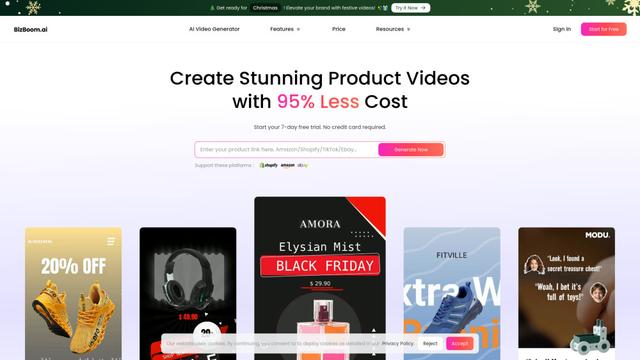
BizBoom.ai es una plataforma impulsada por IA que genera automáticamente videos profesionales de productos a partir de enlaces e imágenes de productos con un 95% menos de costo.
Vuepak
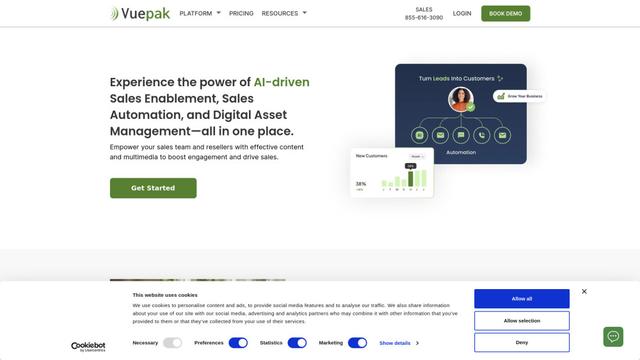
Vuepak es una plataforma de ventas y marketing impulsada por IA que combina habilitación de ventas, automatización y gestión de activos digitales para ayudar a los equipos a organizar activos multimedia en presentaciones dinámicas para mejorar el compromiso del cliente.
SnapGenie
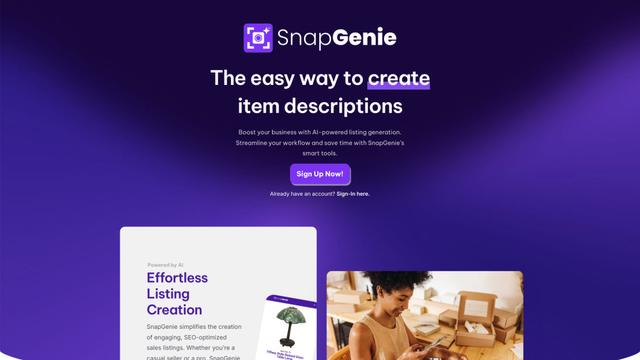
SnapGenie es una aplicación web impulsada por IA que transforma fotos de productos en listados de ventas profesionales con descripciones optimizadas, estimaciones de valor y contenido amigable para SEO.
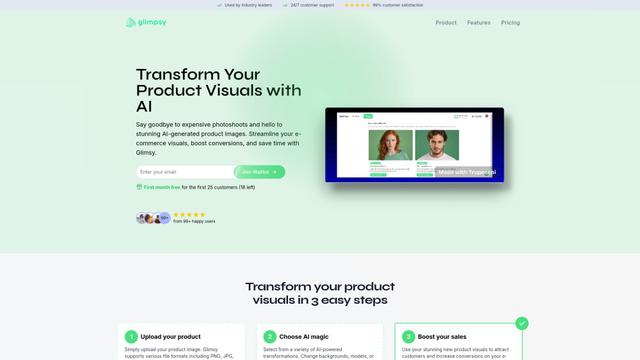
Glimsy
Glimsy es una plataforma de visualización de productos impulsada por IA que transforma imágenes de productos de comercio electrónico a través de sesiones de fotos automatizadas y transformaciones de fondo sin requerir habilidades de diseño.
Herramientas de IA populares como SellerClaw
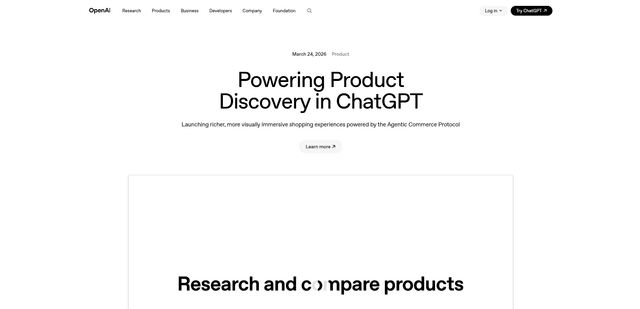
ChatGPT Shopping
ChatGPT Shopping es una plataforma de descubrimiento y comparación de productos impulsada por IA que permite a los usuarios navegar, investigar y comparar productos visualmente a través de interacciones conversacionales, impulsada por el Protocolo de Comercio Agentic y un modelo GPT-5 mini especializado.

Shopify
Free TrialAI E-commerce Tools
Shopify es una plataforma de comercio todo en uno líder que ayuda a empresas de todos los tamaños a crear y administrar tiendas en línea, procesar pagos, gestionar envíos y vender productos a través de múltiples canales sin necesidad de codificación.
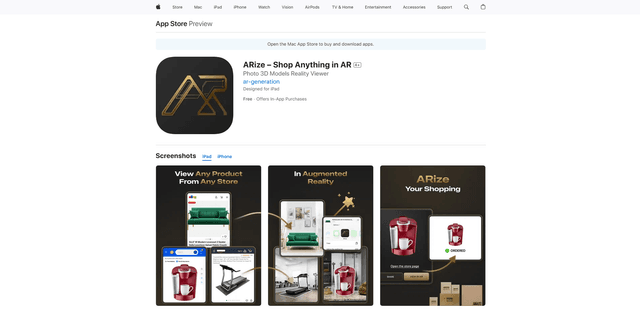
ARize – Shop Anything in AR
FreemiumAI E-commerce Tools
ARize es una innovadora aplicación de compras de realidad aumentada que permite a los usuarios generar instantáneamente modelos 3D a partir de cualquier imagen de producto y visualizar artículos en su espacio real antes de realizar una compra.
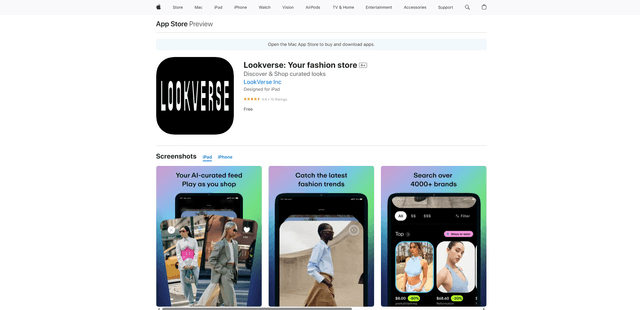
Lookverse.ai
Lookverse.ai es un casamentero de moda impulsado por IA que personaliza tu experiencia de compra seleccionando atuendos de más de 2500 marcas globales basándose en tus preferencias de estilo, forma del cuerpo, colores, eventos y presupuesto.