
PromptQL
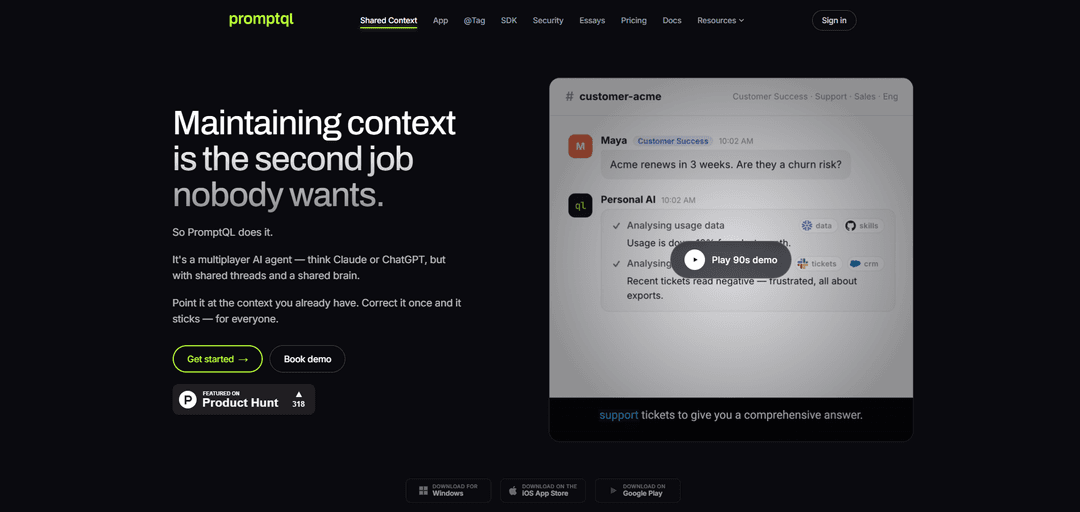
PromptQLは、共有スレッドと共有コンテキスト「脳」を持つマルチプレイヤーAIエージェントであり、ビジネスデータとシステムに接続して、根拠のある追跡可能な分析と自動化を本番環境レベルの信頼性で提供します。
https://promptql.io/?ref=producthunt&utm_source=aipure
製品情報
更新日:2026年08月08日
PromptQLとは
PromptQL(Hasuraのチームによって構築)は、チームが複雑なビジネス上の質問をし、自然言語を使用してリスクの高いワークフローを自動化するのを支援するために設計されたAIプラットフォームであり、実際のエンタープライズデータにしっかりと基づいています。PromptQLはスタンドアロンのチャットボットのように機能するのではなく、チームの共有同僚として位置付けられています。会話はオープンなチャネルとスレッドで行われ、コンテキストはチームメイト間で共有され、システムは組織の用語、定義、運用ルールを継続的に学習します。データがすでに存在するデータベース、ウェアハウス、SaaSツール、APIに接続し、ユーザーにSQLの記述やパイプラインの再構築を強制することなく、信頼できる回答と再現可能なワークフローを提供することを目指しています。
PromptQLの主な機能
PromptQLは、既存のデータソース(データベース、SaaSアプリ、API、コードエージェント)に接続し、根拠に基づいた追跡可能な推論で影響の大きいビジネス上の質問に答える、チーム向けに構築されたマルチプレイヤーAIプラットフォームです。Wikipediaのようなセマンティック/Wikiレイヤーで共有されたビジネスコンテキストをキャプチャし維持し、インフローの修正によって改善され、会話と修正を再利用可能なチームの知識とスキルに変えます。PromptQLは、計画と実行を分離し、データレイヤーでユーザーごとの権限を強制し、AIの費用とアクセス制御に関する可視性を提供することで信頼性を重視しています。これにより、データを移動したり再形成したりすることなく、分析と自動化が可能になります。
共有AIスレッド(「マルチプレイヤーAI」): チームが一緒に質問を探索する、Slackのような共同スレッド。コンテキストと結論が永続するため、引き継ぎ間で作業が失われることはありません。
生きたセマンティック+Wikiスタイルのコンテキストグラフ: スキル、知識、ビジネス定義のための相互接続されたページを継続的に構築します。修正は引用され、再利用可能なコンテキストとなり、「Wikiの腐敗」を防ぎます。
データが存在する場所への接続(ETLなし): ウェアハウス/データベース(Postgres、Snowflake、BigQuery、Databricksなど)やSaaSツール(Slack、Salesforce、Google Workspace、GitHubなど)と統合し、スキーマを内省して、データをコピーしたり再形成したりすることなく、統一されたデータグラフを形成します。
信頼性の高いエージェントによる計画と実行: LLMコンテキスト外でクエリ計画を作成し、データを処理することで、一般的なRAG/Text-to-SQL/ツール呼び出しアプローチを超えて精度と再現性を向上させます。
ガバナンス:スコープ、権限、監査可能性: 取得と更新にわたるスコープベースの可視性と編集制御、改訂履歴/監査証跡、および基盤となるデータレイヤーでのユーザーごとの権限強制。
AIワークロードの可視性とコスト管理: コンテキスト探索、クエリ計画、実行にわたる費用を可視化し、各レイヤーを最適化するための推奨事項と制御を提供します。
PromptQLのユースケース
GTM収益と取引リスク分析: Salesforce/Clariと内部データを接続して、リスクのある取引を特定し、「リスク」ルールを定義し、パイプラインをスコアリングし、取引の変化に応じて最新の状態に保たれるアクションを提案します。
顧客成功チャーンリスクトリアージ: 製品の使用状況、サポートチケット、CRMコンテキストを組み合わせてチャーンリスクを評価します。繰り返されるパターン(既知の運用上の問題など)を共有ルールとしてキャプチャし、将来のスコアリングを改善します。
小売業のパフォーマンスとサプライチェーンの洞察: 複数のシステムにわたる製品のパフォーマンス、プロモーション、サプライチェーンの健全性を分析し、運用上の質問に迅速に答え、再利用可能な分析を作成します。
金融サービスのコンプライアンスとAMLワークフロー: トランザクションを照会し、疑わしいパターンを検出し、説明可能な推論と機密データへの管理されたアクセスにより、コンプライアンス調査を合理化します。
部門横断的な「ビジネス真実の単一ソース」: 共有された定義(収益と見なされるもの、テストアカウントなどの除外)を維持し、チームが古くなったコンテキストや不足しているコンテキストを発見したときにWikiの更新を自動的に提案します。
セキュアなコード委任によるエンジニアリング+データ運用: 資格情報を保護し、アクションを監査可能に保ちながら、コード調査、機能開発、またはブラウザテストをセキュアな環境で接続されたコーディングエージェントに委任します。
メリット
強力なチームコラボレーションモデル:共有スレッドと共有され進化するコンテキスト/Wikiレイヤーにより、再説明が減り、組織の知識が保持されます。
高い信頼性への注力:計画/実行の分離、根拠のあるソース、再現性により、複雑なエンタープライズの質問に対して基本的なRAG/Text-to-SQLアプローチを上回ることを目指します。
エンタープライズ対応のガバナンス:スコープ、監査証跡、ユーザーごとのデータレイヤー権限は、機密性の高いマルチテナントのユースケースに役立ちます。
データ移動なしの幅広い接続性:データベースとSaaSツール全体に統合し、スキーマ内省を通じて統一されたデータグラフを構築します。
デメリット
最高の精度に達するには継続的な人間による修正が必要です。システムは「修正されることで学習する」ため、初期設定と反復的な改善が導入の一部となります。
統合とガバナンスの複雑さ:多くのソースを接続し、スコープ/権限を定義することは、大規模な組織にとって初期の運用作業を増やす可能性があります。
コスト管理は容易ではない場合があります。多段階のエージェントワークフローとモデルの選択は費用を増大させる可能性があり、監視と制御が必要になります。
PromptQLの使い方
1. PromptQLをどこで使用するかを選択します: チームがPromptQLアプリでPromptQLとやり取りするか、Slack/Teams内のAIエージェントとしてやり取りするかを決定します。目標は、作業と質問がすでに行われている場所にPromptQLを配置することです。
2. データソースとツールを接続します: データがすでに存在するシステム(例:Postgres、Snowflake、BigQuery、Databricks)とSaaSツール(例:GitHub、Slack、Salesforce、Google Workspace)を接続します。PromptQLはデータをインプレースでクエリし(コピー/ETLなし)、行/列の制御を含むデータ層でユーザーごとの権限を適用します。
3. 実際のビジネス上の質問で新しいスレッドを開始します: 「新しいスレッド」を開始点として使用し、自然言語で具体的な質問をします(SQLを記述する必要はありません)。すでに追跡しているメトリックや手動で行った分析など、シンプルだが現実的なものから始めて、PromptQLがあなたの期待を学習できるようにします。
4. 実行前にクエリプランを確認します: 何かを実行する前に、PromptQLは、何を行うか、どのソースをクエリするか、その理由を記述した構造化されたクエリプランを表示します。仮定、定義、データソースを確認するために読みます。これは主要な信頼性機能です(ブラックボックスではありません)。
5. 必要に応じてクエリプランを編集します(PromptQLを教えます): プランにコンテキストが不足している場合や、間違った定義/ソースを使用している場合は、クエリプランの横にある鉛筆アイコンをクリックして変更します。これは、ドメインの専門知識を適用する場所です(例:「収益」の意味を修正したり、どのテーブルが権威的であるかを修正したりします)。PromptQLはこれらの修正を記憶し、将来のスレッドで自己修正します。
6. プランを実行し、結果を検査します: プランを実行して、接続されたシステムをクエリします。PromptQLは必要なデータを取得し、AIを使用してそれを解釈するのに役立ちます。期待値に対して出力を検証します。エラーはチェック可能なポイントに限定されます(例:SQLエンジンは無効な構文を拒否します)。
7. アーティファクトを使用して出力をキャプチャして再利用します: PromptQLは通常、アーティファクト(テーブル、テキスト、視覚化などの構造化された出力)を生成します。アーティファクトは処理された結果を保存し、後で会話で参照したり、エクスポートしたり、フォローアップ分析のために新しいスレッドを開始したりできます。
8. 仮定を修正し、再利用可能なコンテキストを共有Wikiに追加します: PromptQLが仮定(例:チャーンシグナルと見なされるもの)を立てたり、既知のエッジケースを見逃したりした場合は、フロー内でそれを修正します。PromptQLは「学習したい」更新を提案できます。それをレビュー/編集し、Wikiに追加して、知識が引用され、スコープされ、チームにとって再利用可能になるようにします。
9. スレッド内で共同作業し、適切な人物をタグ付けします: コンテキストについて不明な点がある場合は、スレッド内で直接チームメイト(例:顧客チケットに近い人物)を巻き込みます。PromptQLはやり取りをキャプチャし、それを共有コンテキストに変えることで、会議やステータス更新を減らします。
10. スコープでアクセスを管理します: スコープを構成して、取得、作成、更新できるものをエンドツーエンドで制御します。スコープを使用して、内部プレイブックを顧客向けページから分離し、機密/人事/財務のユースケースを処理し、きめ細かな表示/編集制御(一括操作を含む)を適用します。
11. (オプション) プログラムAPIを使用してPromptQLをワークフローに埋め込みます: 自動化のために、Webhookまたはサーバーレス関数からPromptQLのプログラムAPIを呼び出します(例:ラベルで問題を分類する、要約を生成する、トレンドを分析する、通知を送信する)。PromptQLの外部でツールを実装し(検索、データの読み書き、外部API)、AIプリミティブ(分類、要約、抽出)を使用してLLM機能を運用します。
12. (オプション) アプリに自然言語APIを統合します: PromptQL設定から、自然言語エンドポイント(例:https://api.promptql.pro.hasura.io/query)をコピーし、APIキーを生成します。これらをクライアント/サーバーで使用して、自然言語リクエストを送信し、ストリーミングされたチャンク(メッセージ、プラン、アーティファクトの更新、コード出力)をレンダリングします。
13. 繰り返し:すべてのタスクを信頼性を向上させる機会として扱います: PromptQLはやり取りを通じて改善されます。初期段階で一発で完璧を期待しないでください。代わりに、問い合わせを続けるときに主要な詳細を再記述します(またはアーティファクトから開始します)。各修正は、別のWikiで劣化するのではなく、永続的なチームコンテキストに蓄積されます。
PromptQLのよくある質問
PromptQLは、Slack、ドキュメント、チケット、CRM、ウェアハウステーブルなどのツールにわたってチームがすでに持っているコンテキストから機能するように設計された、共有スレッドと共有コンテキスト(「共有脳」)を持つマルチプレイヤーAIエージェントです。



PromptQLに類似した最新のAIツール
Tomat
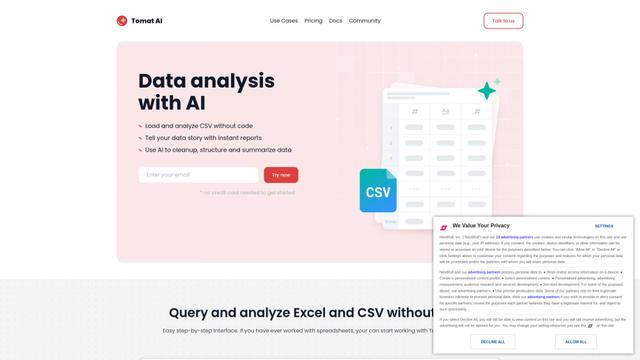
Tomat.AIは、ユーザーがコーディングなしで大規模なCSVおよびExcelファイルを簡単に探索、分析、そして自動化できるAI駆動のデスクトップアプリケーションであり、ローカル処理と高度なデータ操作機能を備えています。
Data Nuts
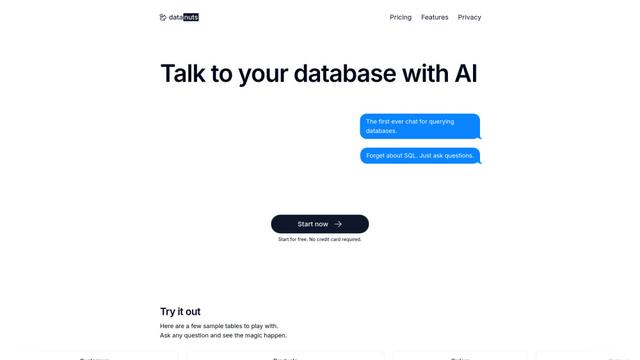
DataNutsは、ヘルスケアソリューション、クラウド移行、AI駆動のデータベースクエリ機能を専門とする包括的なデータ管理および分析ソリューションプロバイダーです。
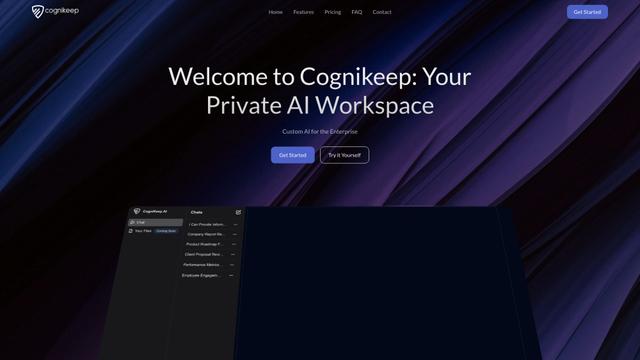
CogniKeep AI
CogniKeep AIは、組織が自社のインフラ内で安全でカスタマイズ可能なAI機能を展開しながら、完全なデータプライバシーとセキュリティを維持できるプライベートなエンタープライズグレードのAIソリューションです
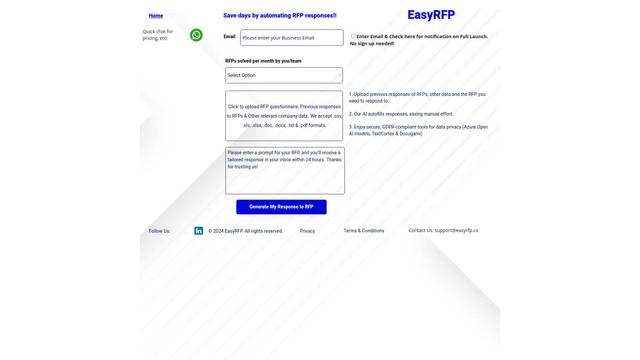
EasyRFP
EasyRFPは、RFP(提案依頼)の応答を効率化し、深層学習技術を通じてリアルタイムのフィールド表現型を可能にするAI駆動のエッジコンピューティングツールキットです
PromptQLに似た人気のAIツール

Researcher & Analyst in M365 Copilot
Contact for PricingAI Data Mining
ResearcherとAnalystは、Microsoft 365 Copilotにおける初のAI推論エージェントであり、高度な推論機能を使用してエンタープライズデータとWebデータの両方を活用することで、ユーザーが複雑な調査およびデータ分析タスクに取り組むのに役立ちます。
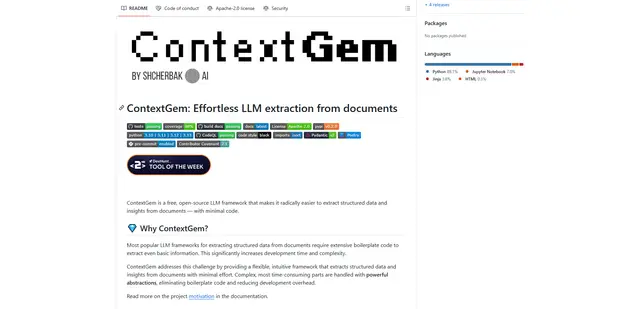
ContextGem
ContextGemは、強力な組み込みの抽象化と自動化された機能により、最小限のコードでドキュメントから構造化されたデータと洞察の抽出を簡素化する、無料のオープンソースLLMフレームワークです。
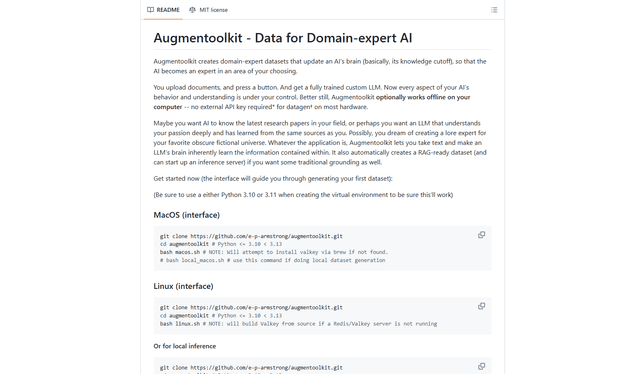
Augmentoolkit 3.0
Augmentoolkit 3.0 は、洗練され、実証済みのオープンソースツールであり、独自のデータでカスタム LLM をトレーニングするためのドメインエキスパートデータセットを作成します。直感的なインターフェース、オフライン機能、自動データセット生成およびトレーニングプロセスを備えています。
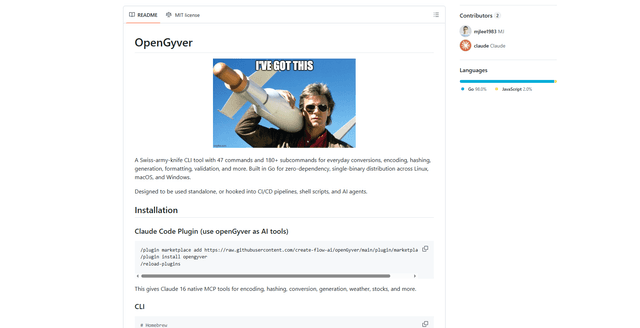
OpenGyver
OpenGyverは、日常的な変換、エンコード、ハッシュ、生成、フォーマット、および検証のための47個のコマンドと180以上のサブコマンドを備えたオープンソースのスイスアーミーナイフCLIツールであり、スタンドアロンで使用するか、CI/CDパイプライン、シェルスクリプト、およびAIエージェントと統合するように設計されています。