NeuroVidz
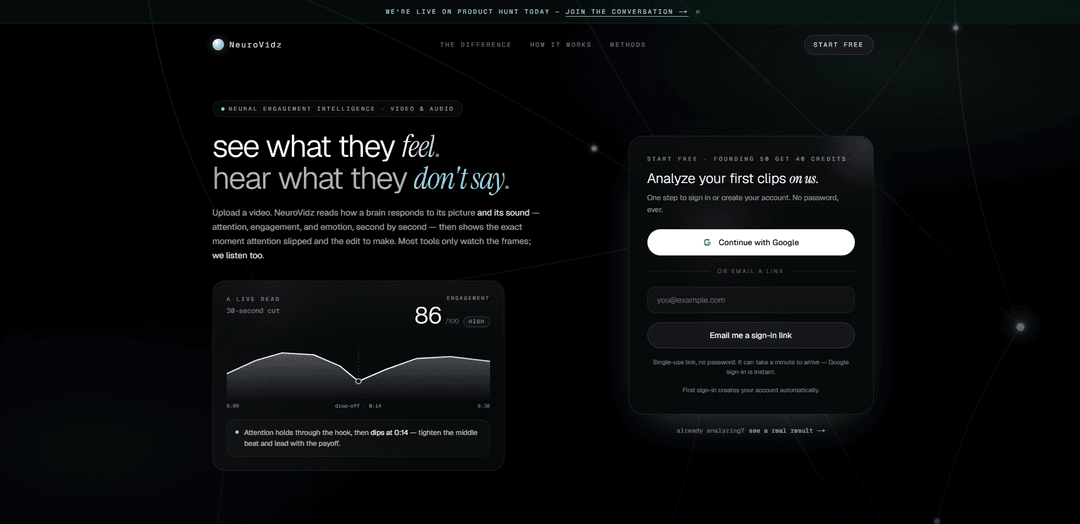
NeuroVidz is an AI video-and-audio analysis tool that predicts moment-by-moment attention, engagement, and emotion, pinpointing the exact second viewers drop off and suggesting edits to improve your cut.
https://neurovidz.com/?ref=producthunt
Product Information
Updated:Aug 8, 2026
What is NeuroVidz
NeuroVidz (“see what they feel”) is a neural engagement intelligence platform for creators and teams who want clearer feedback on how their videos land with an audience. Instead of relying on surface-level metrics, it analyzes both the picture and the sound to produce second-by-second timelines of attention, engagement (scored 0–100), and emotion—highlighting where interest holds, where it slips, and what to change in the edit. The product is built around fast, practical analysis for short clips, helping users move from guesswork to actionable creative decisions.
Key Features of NeuroVidz
NeuroVidz is a video-and-audio analysis tool that predicts moment-by-moment viewer brain response—attention, engagement, and emotion—so creators can see exactly where viewers lose focus and what to change in the edit. Users upload short clips (up to 3 minutes), NeuroVidz extracts high-frequency perceptual signals from both visuals and sound, maps them to a second-by-second “read,” and outputs an actionable 0–100 engagement score plus specific edit guidance to improve retention and impact.
Audio + video “brain read”: Analyzes both picture and sound (voice, music, beat drops, silence) to assess engagement more completely than frame-only tools.
Second-by-second attention drop-off timeline: Shows the precise second attention slips so you can identify what to cut, tighten, or rework.
Engagement score (0–100), magnitude-aware: Provides a dynamic engagement score that moves with what’s actually happening in the clip—not a static vanity metric.
Emotion timeline with uncertainty handling: Displays the emotional shape of the clip over time and explicitly indicates when it’s unsure rather than forcing a confident label.
Actionable edit recommendations: Doesn’t just report metrics—highlights the exact moments to revise and suggests what to change for the next cut.
Fast workflow for short clips: Supports uploads up to 3 minutes (mp4, mov, webm) and processes dense signals (described as 32 signals/sec) to produce quick, usable feedback.
Use Cases of NeuroVidz
Social media short-form optimization: Improve retention on TikTok/Reels/Shorts by pinpointing where attention drops and adjusting pacing, audio cues, and hooks.
Marketing & ad creative iteration: Compare multiple ad cuts and refine the moment-to-moment engagement curve to reduce drop-off and strengthen key beats (voiceover, music, reveals).
Podcast/video talking-head editing: Identify sections where delivery, silence, or background audio weakens engagement, and tighten edits or re-score audio to keep viewers attentive.
Trailer and teaser development: Shape emotional arcs and engagement peaks for trailers by validating where suspense, punchlines, and beat drops land effectively.
E-learning and training content: Detect boring or confusing segments in instructional videos and re-edit narration, visuals, and timing to sustain attention.
Pros
Considers audio as a first-class signal, addressing a common blind spot in video-only analytics.
Provides granular, second-by-second timelines for attention and emotion, enabling precise editing decisions.
Outputs actionable guidance (what to fix), not just scores.
Cons
Clip length limit (≤ 3 minutes) may be restrictive for long-form content workflows.
Outputs are predictive/interpretive (a modeled “brain response”), which may not always match real audience performance without validation.
Requires uploading video content, which may be a concern for teams with strict confidentiality requirements.
How to Use NeuroVidz
1) Open NeuroVidz: Go to https://neurovidz.com/ and choose “start free” (or the equivalent sign-up/login option) to access the upload workflow.
2) Prepare your video file: Select a clip that meets NeuroVidz’ stated limits: up to 3 minutes long, in mp4, mov, or webm format.
3) Upload the clip: Upload your video to NeuroVidz (the tool is designed to analyze both picture and sound, so include the original audio track).
4) Let NeuroVidz extract signals: After upload, NeuroVidz automatically extracts perceptual signals from the clip (described as 32 signals per second), including motion, faces, sound, and emotion-related cues.
5) Review the Attention timeline (focus & drop-off): Inspect where attention holds and identify the exact second attention drops off, so you know precisely what moment may need trimming or restructuring.
6) Review the Engagement score (0–100, magnitude-aware): Check the engagement score that changes with what is happening in both video and audio (not just the frames), to understand which sections are truly working.
7) Review the Emotion timeline (second-by-second): Look at the emotional shape of the clip over time; NeuroVidz presents an “honest timeline” and may mark moments as uncertain rather than forcing a label.
8) Apply the recommended edits (“the fix”): Use NeuroVidz’ output to make concrete changes—especially around the identified drop-off moments—by cutting, tightening, or re-editing sections to improve retention and engagement.
9) Re-export and re-test (iterate): Create a new cut of your video, then upload the revised version to compare timelines/scores and confirm whether attention drop-offs improved.
NeuroVidz FAQs
NeuroVidz analyzes a video’s picture and sound to estimate brain-response signals—attention, engagement, and emotion—second by second. It highlights the exact moments attention drops and provides edits you can make to improve the cut.
NeuroVidz Video
Popular Articles
Atoms: A Multi-Agent AI Platform That Transforms Ideas into Launch-Ready Products
May 22, 2026

Nano Banana SBTI: What It Is, How It Works, and How to Use It in 2026
Apr 15, 2026

Atoms Review — The AI Product Builder Redefining Digital Creation in 2026
Apr 10, 2026

Kilo Claw: How to Deploy and Use a True "Do‑It‑For‑You" AI Agent(2026 Update)
Apr 3, 2026
Latest AI Tools Similar to NeuroVidz
EzVideos
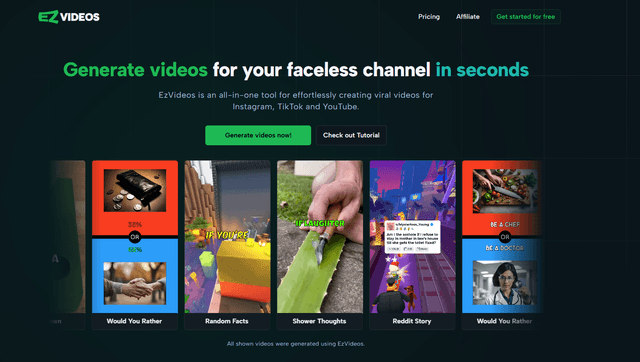
EzVideos is an all-in-one video creation tool that helps users generate viral videos for social media platforms like Instagram, TikTok, and YouTube with automated editing features and built-in resources.

Blanc AI
Blanc AI is a revolutionary AI solution that enables video content translation and dubbing into 47+ languages while preserving the original voice, emotions, and lip synchronization.
Wink Mody
Wink Mody is a modified version of the Wink video editing app that offers premium features like AI-powered retouching, 4K exports, and watermark-free editing completely free of charge.
Shortmake AI
ShortMake is an AI-powered video creation platform that transforms ideas into viral-ready videos by automatically generating scripts, voiceovers, visuals, and subtitles specifically optimized for platforms like TikTok and YouTube Shorts.
Popular AI Tools Like NeuroVidz
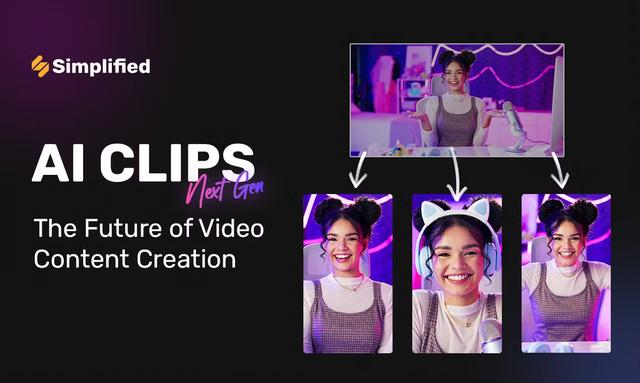
AI Clips - New Gen
AI Clips - New Gen is an AI-powered video clipping tool that automatically generates engaging short-form content from long videos for multiple social media platforms like YouTube Shorts, TikTok, Instagram Reels and more.
Edit Mind
Edit Mind is an open-source, AI-powered video indexing and semantic search platform that enables users to analyze and search through video content using natural language queries, with features including transcription, frame analysis, face recognition, and object detection.
Dinamo Notebook
FreeAI Video Editing
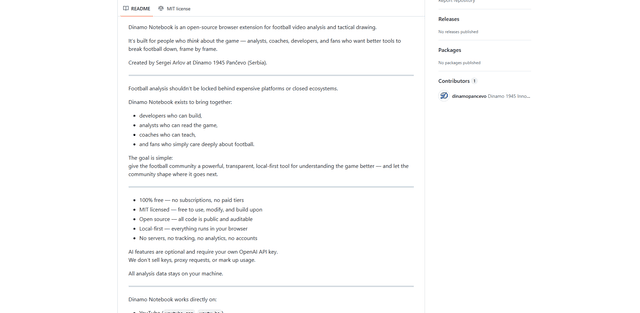
Dinamo Notebook is a free, MIT-licensed, local-first browser extension for football video analysis that lets you draw tactical annotations on YouTube/Dailymotion/Twitch footage and optionally use AI (with your own OpenAI API key) for tactical insights.
MediaSeg
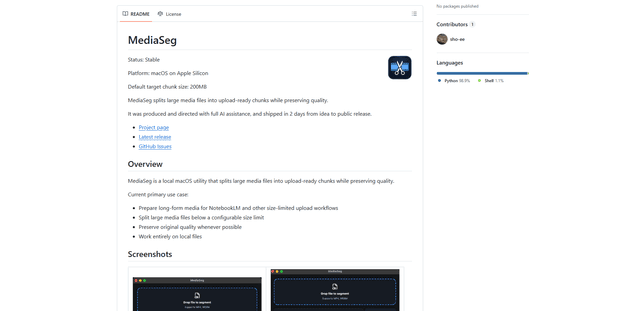
MediaSeg is a stable, local-first macOS utility that splits large MP4/WEBM media files into upload-ready chunks under a configurable size limit while preserving quality using ffmpeg/ffprobe and an AI-assisted, target-based sizing strategy.