
Manta AI
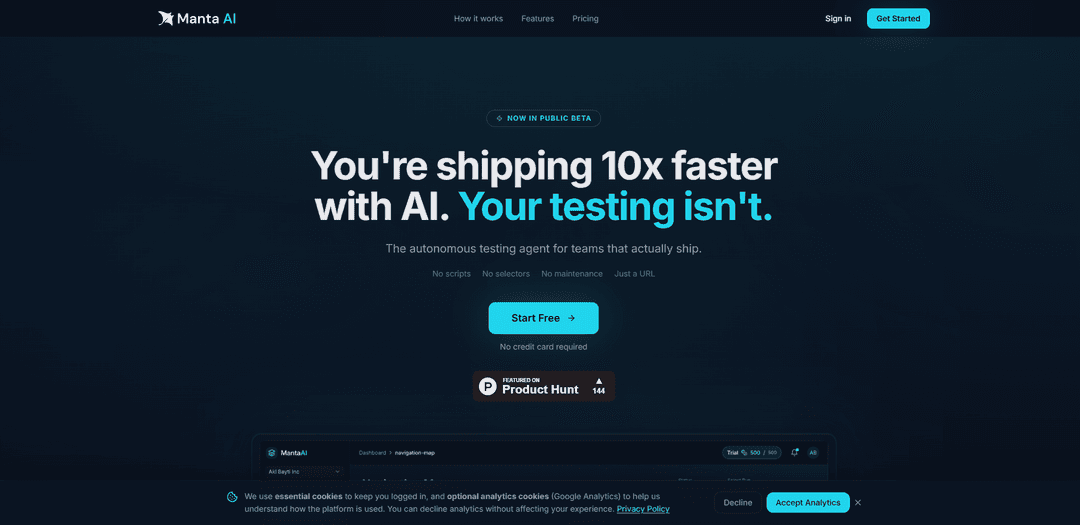
Manta AI is an autonomous web app testing agent that crawls your product from a URL, understands real user flows, and automatically detects regressions and breaking behavior—without scripts, selectors, or ongoing test maintenance.
https://mantaai.co/?ref=producthunt
Product Information
Updated:Aug 8, 2026
What is Manta AI
Manta AI is a public-beta autonomous QA platform built for teams shipping quickly with modern AI-assisted development. Instead of relying on manually written test cases and brittle selectors, Manta tests a web application by exploring it like a real user and building a live model of the app’s pages, routes, and critical flows. The product is designed to fit into developer workflows and help teams catch bugs and regressions earlier, with clear traces and reproduction context so issues can be fixed fast.
Key Features of Manta AI
Manta AI is an autonomous web app testing agent (currently in public beta) designed for fast-shipping teams that need scalable QA without writing or maintaining brittle test scripts. By starting from just a URL, Manta crawls an application like a real user, builds a continuously updated behavioral understanding of pages and flows, and automatically surfaces breaking behavior such as regressions, dead clicks, and broken user journeys—providing trace and reproduction context to help teams ship with confidence as code velocity increases.
URL-based autonomous crawling: Point Manta at a staging or production URL and it navigates the UI, interacts with elements, and discovers pages, routes, and flows automatically—no setup-heavy test authoring required.
Live application mapping: Generates a navigation map of your app in real time, reconstructing user flows from observed behavior and tracking app state across runs to maintain a living model of the product.
Behavioral understanding that deepens over time: Each run improves Manta’s understanding of what matters, what’s fragile, and what changed, enabling more effective detection of meaningful issues as the product evolves.
Automatic regression and break detection: Flags bugs and regressions (e.g., broken flows, dead clicks, unexpected behavior) automatically and provides trace/reproduction context so teams can diagnose issues faster.
Self-adapting tests (reduced maintenance): Designed to adapt when the UI changes, avoiding brittle selector-based scripts and minimizing ongoing maintenance work typical of traditional end-to-end testing.
Plain-English flow execution: Supports describing user flows in natural language and having Manta run them, aligning QA intent with how teams communicate requirements.
Use Cases of Manta AI
Startup/product teams shipping rapidly: Continuously test core user journeys as features change daily, catching regressions early without scaling a manual QA team or maintaining large scripted suites.
CI-oriented engineering teams (release gates): Use automated runs to validate key flows before releases; API-driven CI/CD integration is indicated as a planned capability to slot into pipelines.
SaaS platforms with frequent UI iterations: Reduce flakiness and maintenance from selector-based tests by relying on behavior-driven exploration and self-adapting test logic as UI components evolve.
E-commerce and conversion-critical funnels: Detect broken checkout steps, dead clicks, and navigation issues that impact revenue by automatically exploring and validating end-to-end purchasing flows.
Cross-functional product alignment (PM/BA/Eng): Leverage the app’s “living model” and structured findings as a shared source of truth for understanding critical paths and changes; product/spec intelligence is also positioned as a future direction.
Pros
No scripts/selectors required, reducing setup time and ongoing maintenance compared with traditional E2E testing.
Automatically maps the app and detects breaking behavior with reproduction context, improving regression visibility.
Behavioral model updates across runs, helping the system stay aligned with a changing product.
Cons
Some integrations and capabilities are marked as “Soon” (e.g., CI/CD, MCP), so workflow fit may be limited until released.
As a public beta product, coverage, stability, and enterprise readiness may vary by app complexity and environment.
How to Use Manta AI
1) Open Manta AI: Go to https://mantaai.co/ (public beta).
2) Start a new crawl/run: From the product’s start flow, begin a run (no scripts/selectors needed).
3) Provide the URL you want tested: Paste a URL to your web app (staging or production). Manta’s workflow is “Just a URL.”
4) Let Manta crawl your app like a real user: Manta navigates the UI, interacts with elements, and automatically discovers pages, routes, and flows.
5) Review the live navigation map: Inspect the automatically generated map of your app structure (pages discovered, navigation paths, reconstructed user flows).
6) Run again to deepen Manta’s understanding: Each run updates Manta’s behavioral model of your app, helping it identify what matters, what’s fragile, and what changed.
7) Check surfaced breaking behavior: Review automatically flagged issues such as bugs, regressions, dead clicks, and broken flows, along with trace/reproduction context.
8) Describe a user flow in plain English (optional): Specify a flow the way you’d explain it to a teammate; Manta can run flows described in plain English.
9) Use results to ship with regression clarity: Use Manta’s findings to understand exactly what broke and what didn’t after changes, without maintaining brittle test scripts.
10) Plan integrations (as they become available): Manta lists upcoming CI/CD integration (trigger runs via API), MCP integration (connect to AI coding agents), and product intelligence (upload specs/user stories for cross-checking and test generation).
Manta AI FAQs
Manta AI is an autonomous web app testing agent (currently in public beta) designed for teams that ship quickly. It tests web apps by crawling and interacting with the UI like a real user, then flags breaking behavior such as bugs, regressions, dead clicks, and broken flows.
Manta AI Video
Popular Articles

Vosko AI: Localize and Dub Videos for Global Audiences
Oct 15, 2026
Atoms: A Multi-Agent AI Platform That Transforms Ideas into Launch-Ready Products
Oct 13, 2026

Nano Banana SBTI: What It Is, How It Works, and How to Use It in 2026
Apr 15, 2026

Atoms Review — The AI Product Builder Redefining Digital Creation in 2026
Apr 10, 2026
Latest AI Tools Similar to Manta AI
ExoTest
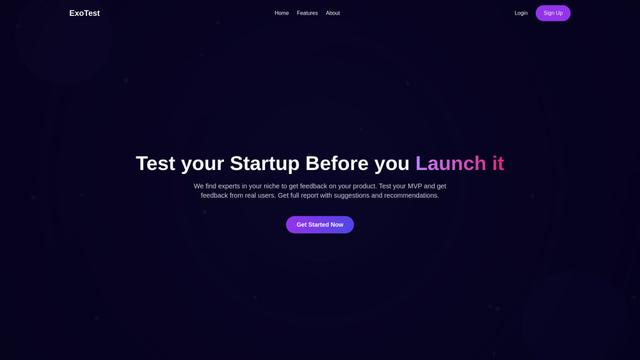
ExoTest is an AI-driven product testing platform that connects startups with expert testers in their specific niche to provide comprehensive feedback and actionable insights before product launch.
AI Dev Assess
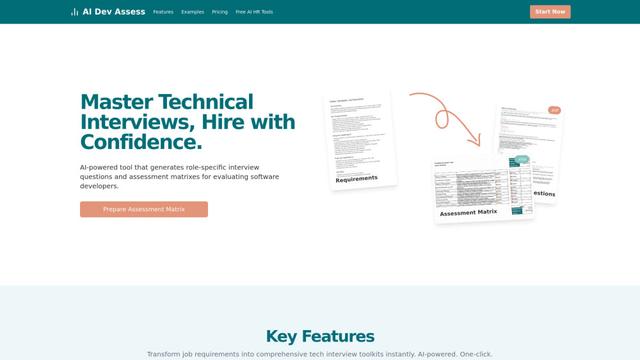
AI Dev Assess is an AI-powered tool that automatically generates role-specific interview questions and assessment matrices to help HR professionals and technical interviewers evaluate software developer candidates efficiently.
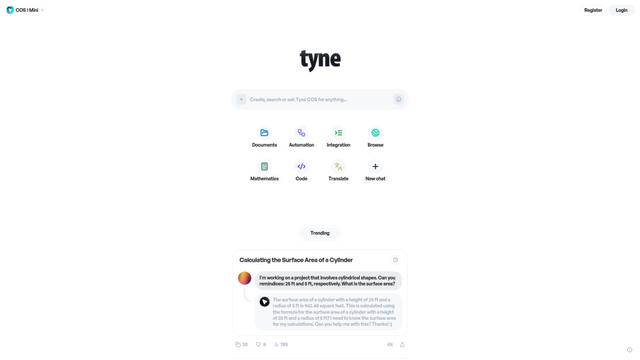
Tyne
Tyne is a professional AI-powered software and consulting company that helps businesses streamline their everyday needs through data analysis, yield improvement systems, and AI solutions.
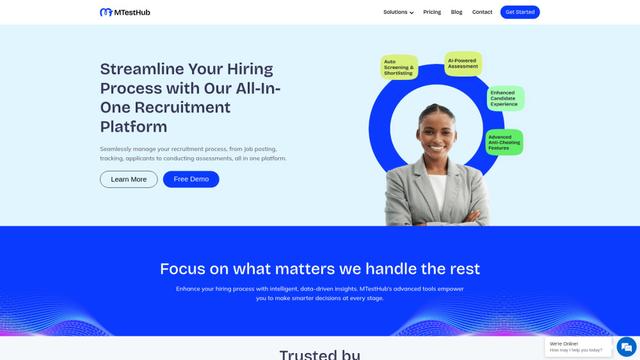
MTestHub
MTestHub is an all-in-one AI-powered recruitment and assessment platform that streamlines hiring processes with automated screening, skill evaluations, and advanced anti-cheating measures.
Popular AI Tools Like Manta AI
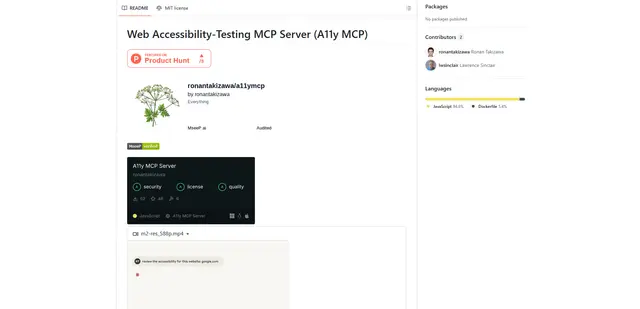
Web Accessibility Testing MCP
A11y MCP is a Model Context Protocol server that enables AI language models to perform automated web accessibility testing by integrating with Deque's Axe-core API and Puppeteer to analyze web content for WCAG compliance.
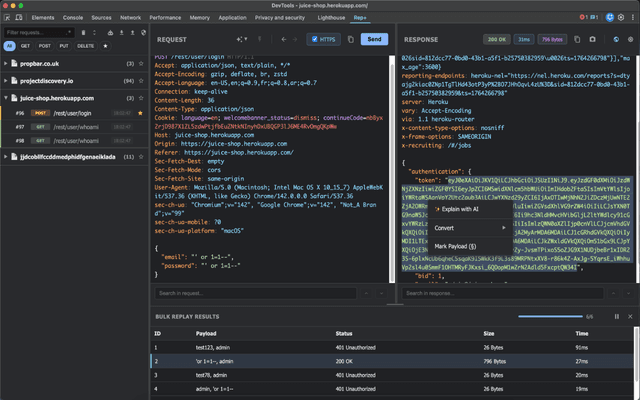
rep+
rep+ is a powerful Chrome DevTools extension that brings Burp Suite Repeater functionality directly into your browser, enabling HTTP request testing, security analysis, and AI-powered attack suggestions without proxy setup.
Gatling AI Assistant for VS Code
Gatling AI Assistant is an AI-powered extension for Visual Studio Code that helps developers create and manage load testing scenarios using Gatling's load testing framework.
KaneAI
KaneAI is the world's first end-to-end AI-powered software testing agent that enables users to create, debug, and evolve tests using natural language.