
Kastra
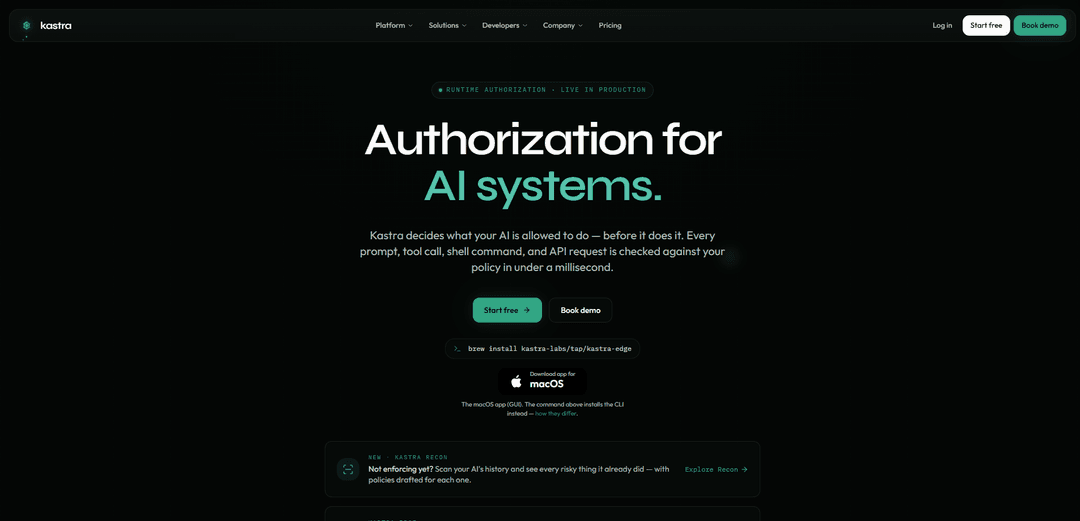
Kastra is a runtime authorization layer for AI systems that intercepts every prompt, tool call, shell command, and API request and enforces deterministic allow/deny policies in under a millisecond—before any real-world action executes.
https://kastra.ai/?ref=producthunt
Product Information
Updated:Aug 8, 2026
What is Kastra
Kastra is an infrastructure product designed to govern what AI agents and copilots are allowed to do at runtime. Instead of relying on prompts, reviews, or after-the-fact monitoring, it sits directly in the execution path and makes a permission decision before an action reaches a database, API, shell, or browser. Built for real engineering and operational workflows (where agents may run commands, query data, open PRs, or interact with internal services), Kastra provides policy-as-code enforcement, consistent controls across environments, and an auditable record of decisions for teams operating in production and regulated settings.
Key Features of Kastra
Kastra is a runtime authorization layer for AI systems that intercepts every model-initiated action—prompts, tool calls, shell commands, API requests, database queries, and even browser-agent clicks—and evaluates it against deterministic, policy-as-code rules before execution. It provides sub-millisecond allow/deny decisions, consistent enforcement across environments (laptops to production), approval-gated checkpoints for sensitive operations, and signed, replayable audit logs to prove exactly what was allowed or blocked and under which policy version.
Sub-millisecond runtime authorization: Evaluates each AI action (tool call, command, API request, query) against policy in under a millisecond, allowing safe actions through and blocking risky ones before they execute.
Policy-as-code (YAML) with deterministic rules: Uses simple YAML policies to allow/block operations based on conditions like command patterns, file paths, repo context, or action type—enabling repeatable, reviewable governance.
Interception for popular coding agents: Sits in the execution path for assistants like Claude Code, Cursor, and Codex to prevent arbitrary system commands or unsafe database writes without relying solely on prompts or reviews.
Unified enforcement control plane: Applies one policy surface across laptops, agents, browsers, and backend services—standardizing guardrails and reducing scattered scripts or tool-specific safety configurations.
Human approval checkpoints for sensitive actions: Supports approval-gated operations so agents pause and request signed human authorization before executing high-risk steps (e.g., destructive queries, production changes).
Signed, replayable audit trail: Logs each action, verdict, and policy version with signed, replayable records (append-only chain) to support investigations, compliance, and byte-for-byte session replay.
Use Cases of Kastra
Prevent destructive production database operations: Block or require approval for risky SQL (e.g., DELETE/UPDATE without constraints) when an AI agent attempts to run queries against production systems.
Govern AI-assisted DevOps and infrastructure changes: Authorize or deny shell commands, IaC actions, and deployment steps so agents can automate safely while preventing unauthorized changes to critical environments.
Enterprise compliance and audit readiness: Provide regulators and auditors with verifiable evidence of what AI systems were permitted to do, including signed decisions tied to specific policy versions.
Secure internal tool and API access for agents: Control which endpoints, methods, and payload patterns agents can call—reducing the chance of data exfiltration or unintended side effects in internal services.
Browser-agent governance for sensitive workflows: Enforce domain/selector/form-field allowlists and approval gates for autonomous browser agents (e.g., clicks, navigation, downloads) before DOM events fire.
Pros
Pre-execution enforcement (allow/deny) reduces reliance on post-hoc monitoring and prevents unsafe actions before they happen.
Deterministic, policy-as-code approach is reviewable, repeatable, and can be standardized across teams and environments.
Signed, replayable audit trail supports incident response and compliance requirements.
Cons
Effectiveness depends on writing and maintaining high-quality policies; overly strict rules may slow workflows or require frequent tuning.
Tooling support is emphasized around specific assistants (e.g., Claude Code, Cursor, Codex), which may limit coverage for other agent frameworks.
How to Use Kastra
1) Install Kastra (Edge) locally: On macOS with Homebrew, install the Kastra Edge agent: `brew install kastra-labs/tap/kastra-edge`. This gives you the local runtime authorization layer that can sit in the path of AI actions.
2) Create a policy file (policy-as-code): Create a plain-text YAML policy file in your repo (so it can be version-controlled). Define rules that allow or block operations (e.g., file writes, shell commands, network/API calls) based on conditions like file paths, command patterns, or repository context.
3) Point Kastra at your policy: Configure Kastra to use the policy file you created. The intended workflow is: install the Kastra CLI/Edge agent and point it at the policy file so it can evaluate every requested action against your rules before execution.
4) Wrap your AI coding assistant with Kastra: Run your coding assistant through Kastra so Kastra sits between the assistant and your environment. Kastra supports Claude Code, Cursor, and Codex (at launch). It integrates by wrapping the target assistant via environment variables or IDE configuration so actions can be intercepted.
5) Run your normal AI workflow; Kastra intercepts actions: Use your assistant as usual (prompts, agent runs, tool calls). When the model attempts an action (prompt/tool call/shell command/API request), Kastra intercepts it and performs a policy check before anything executes.
6) Observe allow/deny decisions in real time: Kastra evaluates each action through ordered checks (Identity, Scope, Guardrails, Audit) and returns an allow/deny decision in under a millisecond. Only allowed actions reach the target tool/API/database; denied actions are blocked.
7) Review audit logs and decision proofs: Kastra logs policy decisions for auditability. Decisions are signed and replayable/exportable, enabling you to prove what was allowed/denied and under which policy version.
8) Add approval gates for sensitive actions (human checkpoints): For high-risk operations, mark actions as approval-gated in policy. When triggered, the agent pauses and sends a signed request to a human approver before proceeding.
9) Apply least-privilege scoping (recommended hardening): Start with deny-by-default and add explicit allowlists. Example restrictions mentioned in the sources include blocking writes outside the current project directory, limiting command patterns, and constraining network/API access.
10) (Optional) Govern browser agents (OpenClaw integration): If you use browser agents like OpenClaw, route browser actions through Kastra at the action boundary. Configure per-session allowlists for domains, selectors, and form fields; clicks, navigation, form fills, and downloads are checked against policy before the DOM event fires.
Kastra FAQs
Kastra is an authorization layer for AI systems that decides what an AI model, agent, or copilot is allowed to do—before it does it—by checking every prompt, tool call, shell command, and API request against policy.
Kastra Video
Popular Articles
Atoms: A Multi-Agent AI Platform That Transforms Ideas into Launch-Ready Products
May 22, 2026

Nano Banana SBTI: What It Is, How It Works, and How to Use It in 2026
Apr 15, 2026

Atoms Review — The AI Product Builder Redefining Digital Creation in 2026
Apr 10, 2026

Kilo Claw: How to Deploy and Use a True "Do‑It‑For‑You" AI Agent(2026 Update)
Apr 3, 2026
Latest AI Tools Similar to Kastra

Hapticlabs
Hapticlabs is a no-code toolkit that enables designers, developers and researchers to easily design, prototype and deploy immersive haptic interactions across devices without coding.
Deployo.ai
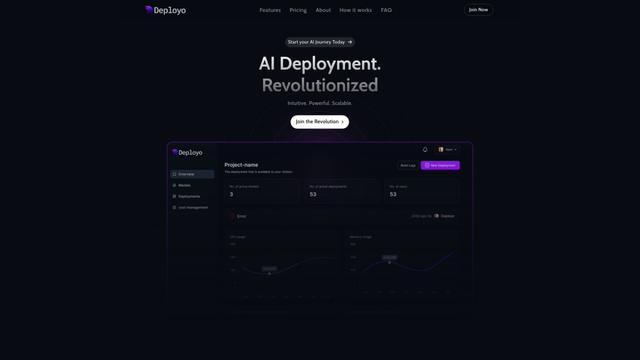
Deployo.ai is a comprehensive AI deployment platform that enables seamless model deployment, monitoring, and scaling with built-in ethical AI frameworks and cross-cloud compatibility.
CloudSoul
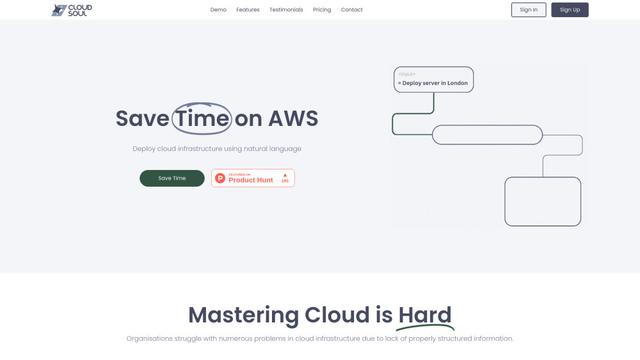
CloudSoul is an AI-powered SaaS platform that enables users to instantly deploy and manage cloud infrastructure through natural language conversations, making AWS resource management more accessible and efficient.
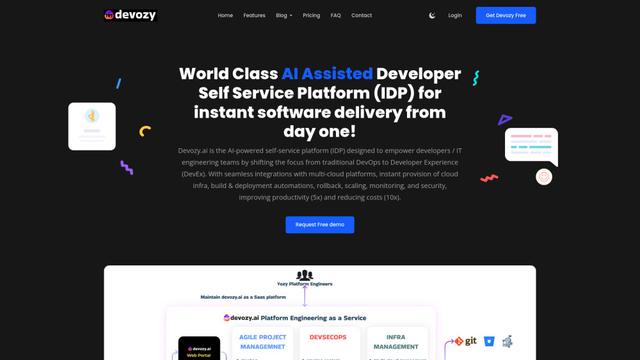
Devozy.ai
Devozy.ai is an AI-powered developer self-service platform that combines Agile project management, DevSecOps, multi-cloud infrastructure management, and IT service management into a unified solution for accelerating software delivery.
Popular AI Tools Like Kastra

A2A Protocol
A2A (Agent2Agent) Protocol is an open interoperability protocol developed by Google that enables seamless communication and collaboration between AI agents across different frameworks and vendors, regardless of their underlying architecture.
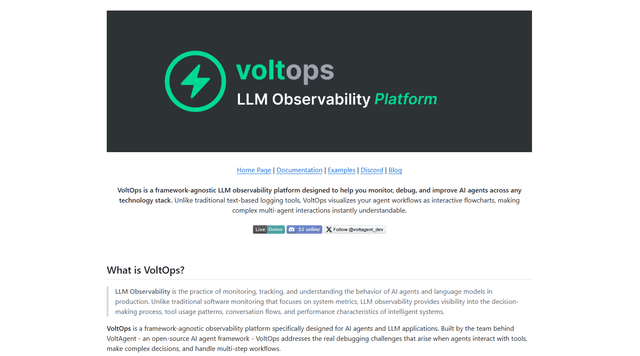
VoltOps
VoltOps is a framework-agnostic LLM observability platform that provides real-time visual monitoring, debugging, and optimization tools for AI agents across any technology stack.
Chaterm
Chaterm is an open-source AI-native terminal and SRE copilot that enables engineers to manage complex infrastructure through natural language, automating deployment, troubleshooting, and operations without memorizing commands.
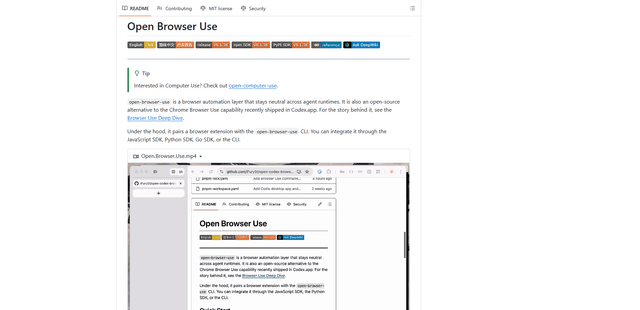
Open Browser Use
Open Browser Use is an open-source, agent-runtime-neutral browser automation layer that pairs a Chrome extension with a CLI/SDK/MCP to enable DOM-aware, CDP-powered tab control, navigation, and actions across different AI agent tools.