
CitedSpy
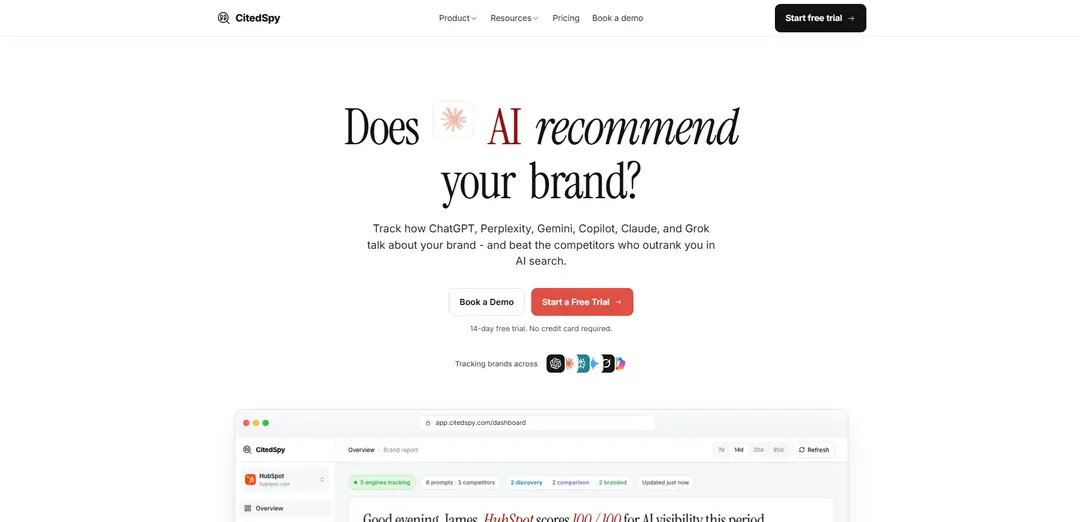
CitedSpy is a generative-engine optimization (GEO) tracking tool that monitors how AI assistants mention and cite your brand, measuring share of voice, sentiment, competitors, and citation sources across engines like ChatGPT, Perplexity, Gemini, Copilot, Claude, and Grok with automated reports and actionable recommendations.
https://www.citedspy.com/?ref=producthunt
Product Information
Updated:Aug 8, 2026
What is CitedSpy
CitedSpy helps teams answer a new marketing question: “Does AI recommend our brand?” As more buyers research products directly inside AI assistants, brands can become invisible if they don’t appear in those generated answers. CitedSpy is built to track your brand’s visibility in AI responses—capturing brand mentions (even without links), citations, sentiment, and overall share of voice—so you can see where you stand versus competitors and what’s influencing AI recommendations. It offers a 14-day free trial (no credit card) and is positioned as an accessible alternative to enterprise tools for companies that want ongoing, automated monitoring rather than one-off checks.
Key Features of CitedSpy
CitedSpy is a generative-engine optimization (GEO) and AI visibility tracking tool that monitors how (and whether) AI assistants recommend your brand across ChatGPT, Perplexity, Gemini, Microsoft Copilot, Claude, and Grok. It runs your tracked prompts repeatedly (up to daily, with multiple samples per week) to measure share-of-voice, mention frequency/position, sentiment, and the citation sources that drive those mentions. It also provides an “action layer” with prioritized recommendations—like which Reddit threads to engage, Wikipedia gaps to close, or on-site FAQ/schema changes—to help you improve future AI recommendations, plus reporting and agency features (white-label PDFs, API/Looker Studio) on higher tiers.
Multi-engine AI visibility tracking: Tracks brand presence across six major AI engines (ChatGPT, Perplexity, Gemini, Copilot, Claude, Grok) so you can see where your brand is recommended and where it’s missing.
Share-of-voice & competitor benchmarking: Quantifies how AI “sees” your brand versus competitors with share-of-voice and side-by-side competitor tables (mention rate, relative position, sentiment) across engines.
Repeated sampling for more reliable results: Runs each tracked prompt multiple times per week (up to 7 checks/week per engine) to reduce randomness and show how often you truly appear, not just a one-off snapshot.
Citation/source tracking: Identifies which domains AI models cite or pull from (e.g., Wikipedia, Reddit, G2, Product Hunt, and your owned pages), helping you focus efforts on the sources influencing AI answers.
Action items with impact estimates: Surfaces specific, prioritized recommendations (e.g., add pricing FAQs, update Wikipedia sections, engage in particular Reddit threads) including expected impact and time estimates.
Reporting + agency/scale features: Provides automated reports and, on Pro, white-label PDFs, multi-client management, and integrations (API and Looker Studio) for agencies and larger teams.
Use Cases of CitedSpy
SaaS competitive monitoring: Track whether your product is recommended for high-intent prompts (e.g., “best CRM for startups”), compare against rivals, and identify the sources/models driving competitor mentions.
Agency client reporting & optimization: Manage multiple brands, deliver white-label AI visibility reports, and turn findings into concrete work items (content, community engagement, Wikipedia, schema) for retainers.
Reputation & sentiment tracking for consumer brands: Monitor how AI assistants describe your brand and competitors over time, spotting negative sentiment shifts and the prompts where perception changes.
Regulated or fast-changing offerings (accuracy risk): Use source tracking to find where models may be pulling outdated pricing/features/compliance claims, then update the underlying sources to reduce harmful stale recommendations.
Content and SEO/GEO prioritization: Discover prompt gaps where you’re absent, then create or refine FAQs, pricing pages, and comparison content designed to improve AI visibility and citations.
Pros
Covers multiple major AI engines and supports competitor share-of-voice tracking across them.
Repeated prompt sampling (multiple checks per week) helps reduce the noise of one-off AI responses.
Action-oriented recommendations (what to fix next) plus clear source/citation visibility.
Public, predictable pricing with a free trial and agency-grade reporting/integrations on higher tiers.
Cons
Lower tiers require choosing a subset of engines (pick 4 of 6), which may limit full coverage.
White-label reporting, API, and Looker Studio are gated to the Pro plan.
Effectiveness depends on the quality/coverage of your tracked prompts and the external sources models rely on (e.g., Reddit/Wikipedia), which you may not fully control.
How to Use CitedSpy
1) Start a free trial: Go to https://www.citedspy.com/ and click “Start 14-day trial” (no credit card required). Create your account in the app signup flow.
2) Add your brand (domain): In the dashboard, paste your brand’s domain (your website URL). CitedSpy will use your site to understand what you do and begin setup.
3) Review auto-detected competitors: After you add your domain, review the competitors CitedSpy auto-detects. Adjust the list if needed (add/remove competitors) so comparisons match your real market.
4) Choose or edit starter prompts (questions): Use the suggested set of starter prompts (e.g., buyer-intent questions like “best CRM for startups”). Edit them to match the questions your buyers actually ask.
5) Select which AI engines to track: Pick the engines you want included in tracking. CitedSpy supports ChatGPT, Perplexity, Gemini, Microsoft Copilot, Claude, and Grok (plans let you pick a subset).
6) Let CitedSpy run the prompts on a schedule: CitedSpy will run your prompts repeatedly across the selected engines on an automated schedule (e.g., daily on Growth/Pro; twice weekly on Solo). This is designed to account for answer variability across runs.
7) Check your Share-of-Voice score: Open the Share-of-Voice view to see how often your brand is mentioned versus competitors across engines. Use this as the headline metric for “how AI sees your brand.”
8) Inspect real answers and mention frequency: Open the “recent AI answers”/responses view to see actual model outputs with your brand mentions highlighted. Use the repeated runs to understand how often you appear (not just a single snapshot).
9) Compare competitor rankings and sentiment: Use the competitor table to see mention rate, average position/rank, and sentiment for your brand versus each competitor. Identify where you’re absent, outranked, or framed negatively.
10) Review Source Tracking (citations and domains): Open Source Tracking to see which websites AI engines cite or rely on when they mention you (and your competitors)—e.g., Wikipedia, Reddit, G2, Product Hunt. Use this to decide where to invest content and reputation work.
11) Execute the recommended Action Items: Go to Action Items to get specific fixes (examples shown: add an FAQ section to a pricing page; engage in specific Reddit threads; update relevant Wikipedia gaps). Follow the provided time/impact guidance to prioritize.
12) Track trends over time (ongoing monitoring): Keep monitoring daily/weekly reports to see whether changes improve presence, rank, sentiment, and sources. Use the trend charts to validate that your GEO work is moving the metrics.
13) Configure alerts (if your plan includes them): If you’re on a plan that supports Slack/webhook alerts, enable them so you’re notified when your visibility changes (e.g., sudden drops, competitor gains, or new sources driving mentions).
14) Use agency/team features (Pro tier): If you manage multiple brands/clients, add additional brands in the same dashboard. Enable white-label PDF reporting (and custom branding) to generate client-ready reports.
15) Connect reporting via API / Looker Studio (Pro tier): If you need dashboards outside CitedSpy, use the API access and/or Looker Studio integration (available on Pro) to pull metrics into your internal reporting stack.
16) Adjust plan settings to match your needs: If you need more brands, prompts, competitors, seats, or daily tracking, upgrade from Solo to Growth/Pro. Plans differ by brands tracked, prompt limits, competitor limits, seats, and tracking frequency.
CitedSpy FAQs
CitedSpy is a tool for tracking how AI engines talk about your brand—monitoring brand mentions, citations, share of voice, sentiment, and trends across ChatGPT, Perplexity, Gemini, Microsoft Copilot, Claude, and Grok.
CitedSpy Video
Popular Articles
Atoms: A Multi-Agent AI Platform That Transforms Ideas into Launch-Ready Products
May 22, 2026

Nano Banana SBTI: What It Is, How It Works, and How to Use It in 2026
Apr 15, 2026
Atoms Review — The AI Product Builder Redefining Digital Creation in 2026
Apr 10, 2026
Kilo Claw: How to Deploy and Use a True "Do‑It‑For‑You" AI Agent(2026 Update)
Apr 3, 2026
Latest AI Tools Similar to CitedSpy
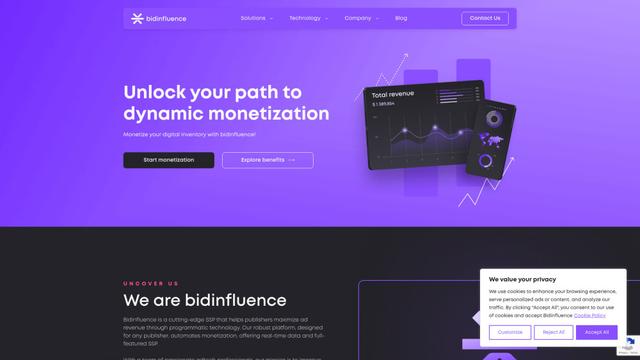
Bidinfluence
Bidinfluence is a cutting-edge supply-side platform (SSP) specializing in dynamic monetization through high-quality programmatic video advertising for publishers.
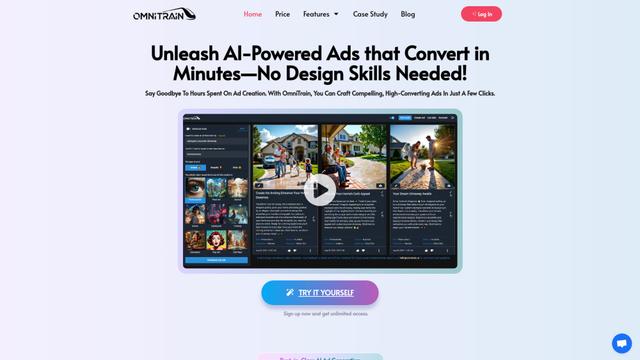
Omnitrain
Omnitrain is an AI-powered platform that creates high-converting social media ads in minutes without requiring design skills.
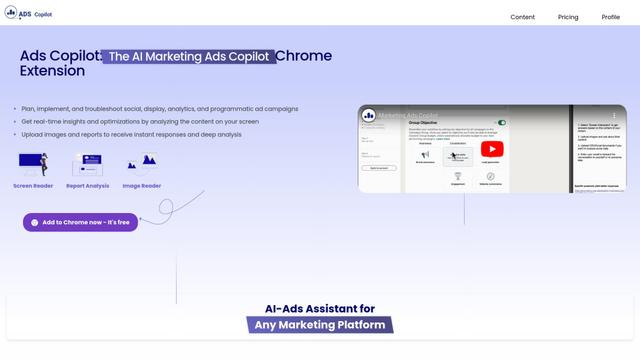
Ads Copilot
Ads Copilot is an AI-powered Chrome extension that assists marketers in planning, implementing, and optimizing ad campaigns across multiple platforms through real-time insights, report analysis, and image reading capabilities.
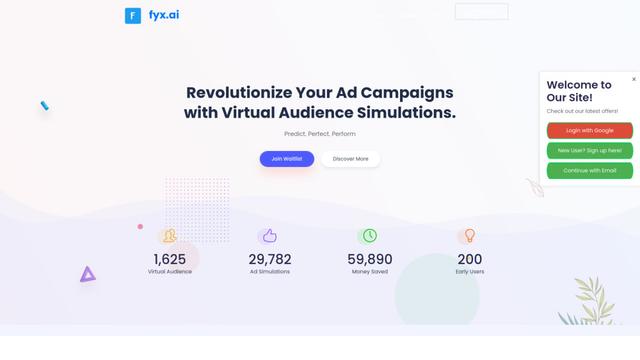
Fyx.ai
Fyx.ai is an AI-powered platform that enables advertisers to create virtual audiences, simulate ad campaigns, and optimize performance before real-world launch.
Popular AI Tools Like CitedSpy
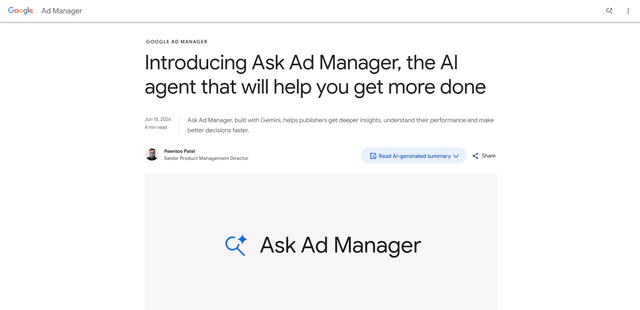
Ask Ad Manager by Google Ads
Ask Ad Manager is a Gemini-powered conversational agent inside Google Ad Manager that helps publishers troubleshoot issues in real time, generate custom performance reports from prompts, and navigate directly to the right settings using their own Ad Manager data.
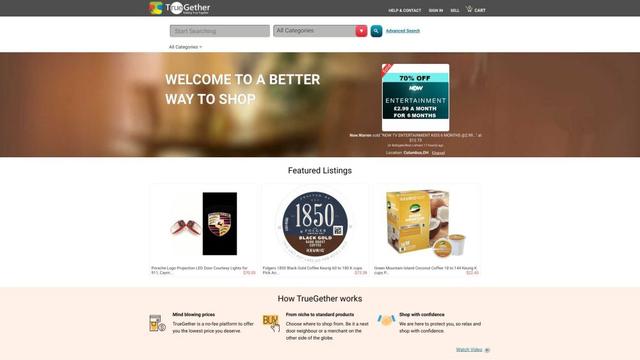
TrueGether
TrueGether is a no-fee, AI-powered e-commerce marketplace that offers buyers low prices and sellers an easy way to list products across multiple channels.
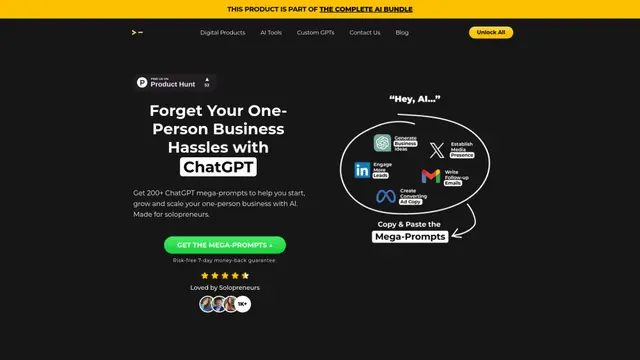
200+ ChatGPT Mega-Prompts for Solopreneurs
A curated collection of 200+ powerful ChatGPT mega-prompts designed to help solopreneurs streamline their business operations, boost productivity, and scale their ventures efficiently.
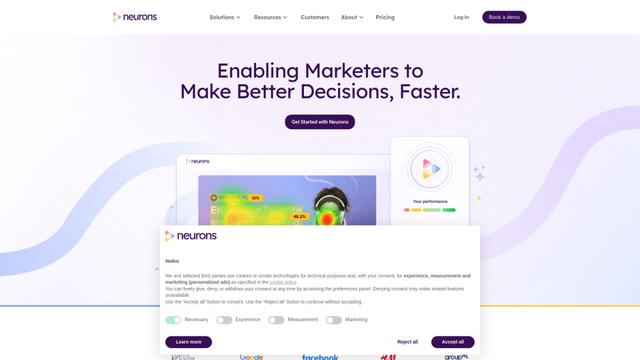
Neurons
Neurons is a consumer neuroscience company that uses AI and neuroscience to predict customer behavior and optimize marketing assets.