canitbebuilt
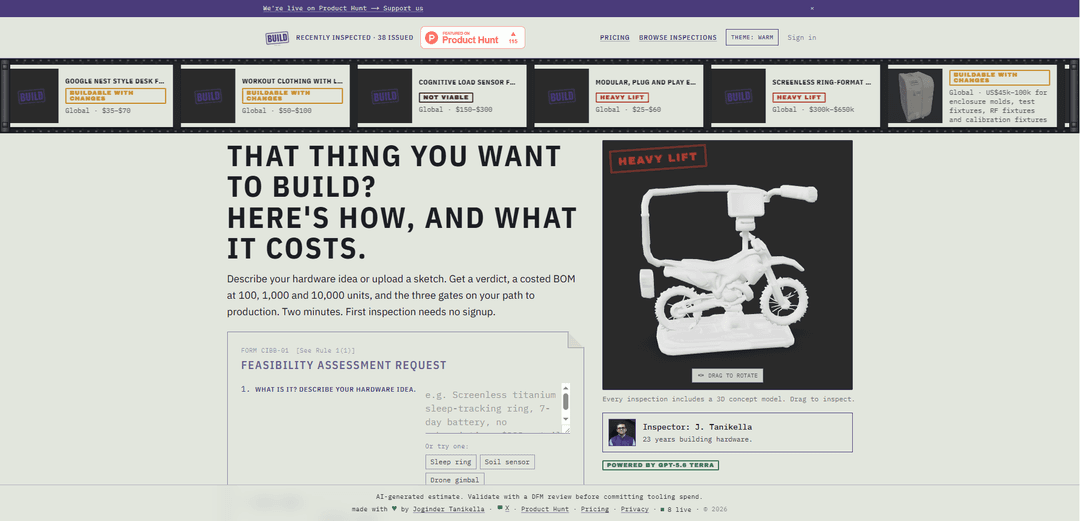
canitbebuilt is an AI-powered hardware feasibility inspector that delivers a straight-talk verdict (Buildable / Buildable with changes / Heavy lift / Not viable) in about two minutes, along with costed BOMs at 100/1,000/10,000 units, subsystem risk ratings, certification gates, and a 3D concept model.
https://www.canitbebuilt.ai/?ref=producthunt
Product Information
Updated:Aug 8, 2026
What is canitbebuilt
canitbebuilt is a rapid hardware feasibility assessment tool designed to answer a founder’s first question—“Can this actually be built?”—with clear, numbers-first output. You describe your hardware idea in a sentence (or upload a sketch), and the platform returns a structured inspection report that includes a feasibility verdict, estimated costs, and the key hurdles to reach production. It’s positioned as “straight talk” with no cushioning, reflecting the judgment you’d get from an experienced hardware builder, and it offers a first inspection free with no signup.
Key Features of canitbebuilt
canitbebuilt is an AI-powered hardware feasibility inspection tool that takes a short product description (and optionally a sketch) and returns a fast, “straight talk” assessment in about two minutes. It delivers a structured verdict (Buildable / Buildable with changes / Heavy lift / Not viable), includes a costed bill of materials at multiple production volumes (100, 1,000, 10,000 units), flags subsystem risks, outlines key certification/regulatory gates by market, and provides an interactive 3D concept model to visualize the idea early—positioned as a low-friction first-pass sanity check for founders and product teams.
Strict feasibility verdict schema: Returns a single clear outcome—Buildable, Buildable with changes, Heavy lift, or Not viable—so teams can quickly decide whether to proceed, revise requirements, or stop.
Costed BOM at multiple quantities: Generates a bill of materials with pricing estimates at 100, 1,000, and 10,000 units to show how unit economics and sourcing assumptions change with scale.
Subsystem risk ratings: Highlights where the engineering and supply-chain risk sits (e.g., power, sensors, mechanics, enclosure, manufacturing processes), helping teams prioritize de-risking work.
Certification and compliance gates: Surfaces the major certification steps relevant to the target market (e.g., safety, EMC/radio, battery/charging) so product plans account for regulatory time and cost.
3D concept model included: Provides a 3D conceptual visualization that can be rotated/inspected, useful for communicating form factor and basic architecture before detailed CAD.
Low-friction, fast “first inspection” workflow: Designed for quick iteration: describe the idea in a sentence (optionally upload a sketch) and receive a report without signup for the first inspection.
Use Cases of canitbebuilt
Startup hardware idea triage: Founders can sanity-check feasibility, likely cost ranges, and the biggest technical unknowns before spending on industrial design, prototypes, or tooling.
Consumer electronics concept validation: Teams exploring wearables, audio devices, smart home products, or accessories can quickly identify high-risk requirements (battery life, radios, sensors, enclosure constraints) and iterate specs.
Robotics and automation early planning: For concepts like cleaning robots or inspection devices, the tool can help map mechanical/electrical complexity, estimate BOM scaling, and spotlight manufacturing and test-fixture needs.
Industrial/IoT product scoping: IoT teams can evaluate sensor + connectivity designs (e.g., LoRa probes) with attention to environmental sealing, power budgets, field life targets, and certification implications.
Investor and stakeholder pre-read: Product teams can use the verdict + BOM + risk framing as a lightweight artifact to support go/no-go discussions and align stakeholders on what must change to be viable.
Requirements negotiation and cost-down: When a concept is “Buildable with changes” or “Heavy lift,” teams can use the report to identify which requirements (materials, performance targets, features) drive cost and complexity.
Pros
Very fast turnaround (minutes) with a clear, decision-oriented verdict.
Practical outputs for early-stage planning: BOM at multiple volumes, risk flags, and certification gates.
Includes a 3D concept model to aid communication and early visualization.
Low barrier to entry (first inspection without signup) encourages rapid iteration.
Cons
Estimates depend on input quality and assumptions; early BOM/cost figures may diverge from supplier quotes and detailed engineering.
A 3D concept model is not a substitute for manufacturable CAD, tolerance analysis, or detailed DFM work.
Certification guidance is high-level; real compliance planning still requires test labs and regulatory specialists.
Complex, novel, or safety-critical products may be labeled “Heavy lift/Not viable” without the nuance a full engineering study would provide.
How to Use canitbebuilt
1) Open the site: Go to https://www.canitbebuilt.ai/ (the homepage is the main entry point for running an inspection).
2) Start a new feasibility assessment (CIBB-01 form): On the homepage, locate the “Feasibility assessment request” section (labeled FORM CIBB-01). This is where you submit your idea for an inspection.
3) Describe your hardware idea in one sentence: In the “What is it? Describe your hardware idea.” field, write a clear, single-sentence description of the product you want to build (you can also use one of the suggested example prompts shown on the page).
4) (Optional) Upload a sketch: If you have a drawing or concept image, attach it in the “Sketch (opt.)” upload area to provide extra context.
5) (Optional) Add detail for a sharper verdict: Fill in the optional fields to improve accuracy: “Who is it for?”, “Target retail”, and “Market”. More specificity helps the tool produce a clearer verdict, BOM assumptions, and certification gates.
6) Submit the inspection: Submit the form to run the inspection. The site indicates the report is generated in about two minutes.
7) Read the verdict first: Review the headline verdict, which follows a strict schema: “Buildable”, “Buildable with changes”, “Heavy lift”, or “Not viable”.
8) Review the costed BOM at multiple volumes: In the report, check the Bill of Materials (BOM) costed at 100, 1,000, and 10,000 units to understand how unit economics change with scale.
9) Check subsystem risk ratings: Use the subsystem risk ratings section to identify which parts of the product (mechanical, electrical, firmware, manufacturing, etc.) are most likely to cause schedule/cost overruns.
10) Note certification gates for your market: Find the certification/compliance gates listed for the market you selected (or global defaults). Use these as a checklist for regulatory steps on the path to production.
11) Inspect the included 3D concept model: Open the report’s 3D concept model (the site notes you can drag to inspect) to visualize the proposed form factor and major components.
12) Browse other reports for benchmarks (optional): From the homepage “Recently inspected” list, open similar products to compare verdicts, cost ranges, and typical risks to calibrate your expectations.
13) Run your first inspection without signup (as advertised): The homepage states the first inspection is free and requires no signup. If you need additional inspections beyond the first, follow any on-site prompts for account creation or access.
canitbebuilt FAQs
canitbebuilt is an AI-assisted hardware feasibility inspection tool. You describe a hardware idea (or upload a sketch) and it returns a feasibility verdict plus production-oriented outputs like a costed bill of materials (BOM) and key gates to reach manufacturing.
canitbebuilt Video
Popular Articles

Atoms: A Multi-Agent AI Platform That Transforms Ideas into Launch-Ready Products
May 22, 2026

Nano Banana SBTI: What It Is, How It Works, and How to Use It in 2026
Apr 15, 2026

Atoms Review — The AI Product Builder Redefining Digital Creation in 2026
Apr 10, 2026

Kilo Claw: How to Deploy and Use a True "Do‑It‑For‑You" AI Agent(2026 Update)
Apr 3, 2026
Latest AI Tools Similar to canitbebuilt
TubeVoice
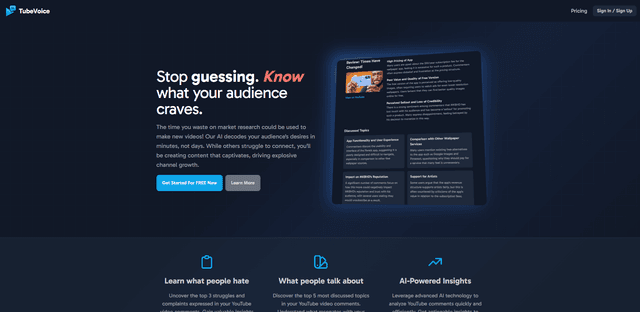
TubeVoice is an AI-powered YouTube comment analyzer that helps content creators understand their audience by providing insights from video comments through automated analysis.

ReviewPower
ReviewPower is an all-in-one platform that aggregates and analyzes trusted reviews from G2 and Capterra to help businesses gain valuable insights from customer feedback.

Insightfull
Insightfull is an AI-powered health tracking platform that helps users monitor symptoms, analyze health data, and receive personalized insights through symptom tracking, food logging, and medication management features.

SERPrecon
SERPrecon is an advanced SEO tool that leverages vectors, machine learning, and natural language processing to help users analyze and outrank competitors by using the same methods as modern search engines.
Popular AI Tools Like canitbebuilt
Radar
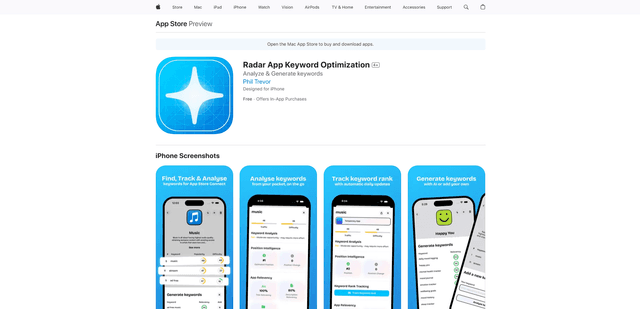
App Radar is a comprehensive app store optimization (ASO) tool that leverages AI-powered keyword research, competitor analysis, and automated tools to help improve app visibility and rankings across the Apple App Store and Google Play Store.
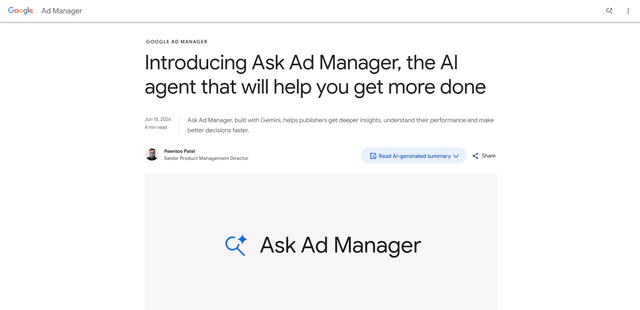
Ask Ad Manager by Google Ads
Ask Ad Manager is a Gemini-powered conversational agent inside Google Ad Manager that helps publishers troubleshoot issues in real time, generate custom performance reports from prompts, and navigate directly to the right settings using their own Ad Manager data.

Intercom
Intercom is an AI-powered customer service platform that provides instant support, enhances agent productivity, and delivers insights to support leaders.

Branded
Branded is a market research company that uses AI and advanced sampling techniques to provide high-quality consumer insights and data.