
Tyto by ai-coustics
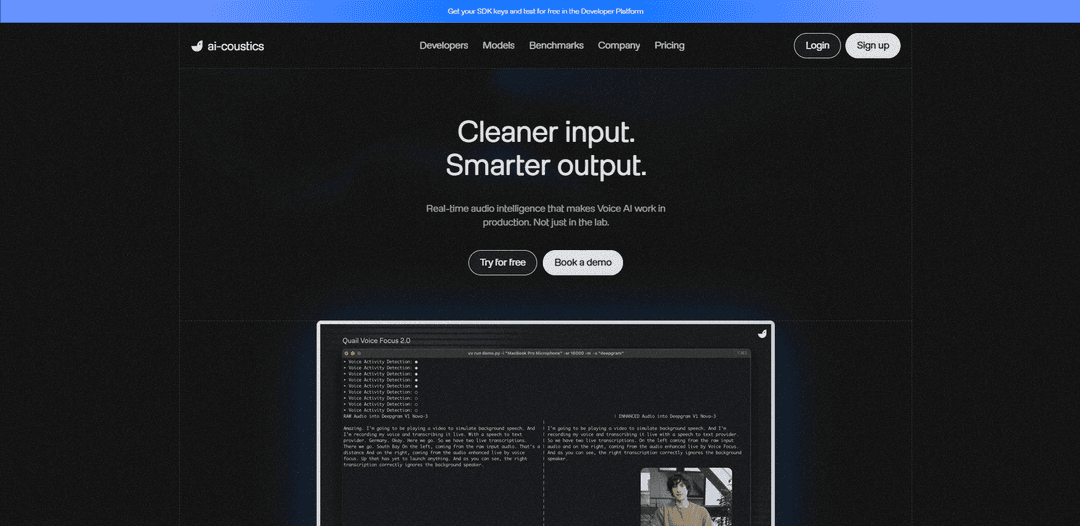
Tyto by ai-coustics is a real-time, low-latency speech enhancement solution that stabilizes noisy, unpredictable audio for production Voice AI by improving clarity and emitting reliability telemetry.
https://ai-coustics.com/?utm_source=product-hunt&utm_medium=social&utm_campaign=tyto-ph-launch&ref=producthunt
Product Information
Updated:Jul 8, 2026
Tyto by ai-coustics Monthly Traffic Trends
Tyto by ai-coustics received 270.4k visits last month, demonstrating a Significant Growth of 51.6%. Based on our analysis, this trend aligns with typical market dynamics in the AI tools sector.
View history trafficWhat is Tyto by ai-coustics
Tyto by ai-coustics is part of ai-coustics’ “audio reliability layer” designed to make voice systems work in real-world conditions—not just controlled lab settings. Built by audio and ML engineers and trained on broad real-world acoustic variability, Tyto focuses on conditioning raw audio (e.g., background chatter, clipping, room effects, and device artifacts) into cleaner, more interpretable speech for downstream Voice AI components such as ASR, VAD, and LLM-based voice agents. It’s delivered via SDKs/APIs intended for production deployment, including on-device use cases, with an emphasis on fast integration and measurable reliability.
Key Features of Tyto by ai-coustics
Tyto by ai-coustics is a real-time speech enhancement solution designed to turn noisy, unpredictable audio into cleaner, more reliable speech before it reaches downstream Voice AI components. It focuses on improving input quality at scale—reducing background noise and common call/recording artifacts—so systems like ASR and voice agents perform more accurately and consistently in real-world environments, with low-latency processing suitable for live production deployments and easy integration via ai-coustics’ SDK/developer platform.
Real-time speech enhancement: Enhances speech live (low-latency processing) to deliver cleaner, more stable audio for production voice pipelines rather than offline-only cleanup.
Noise reduction for real-world environments: Reduces background chatter and a wide range of noise conditions to improve intelligibility and make audio more “machine-ready.”
Artifact and quality issue mitigation: Helps address common degradations in practical audio (e.g., clipped or chaotic inputs and other transmission/recording artifacts) to stabilize downstream performance.
Voice AI reliability uplift (upstream conditioning): Acts as an “audio reliability layer” in front of ASR/VAD/LLM voice stacks so models receive cleaner input, improving accuracy and robustness.
Developer-friendly deployment via SDK/platform: Designed to be integrated quickly into existing stacks through ai-coustics’ SDK and developer platform workflow (keys, testing, deployment).
Use Cases of Tyto by ai-coustics
Call center & telephony voice agents: Cleans inbound caller audio in real time to reduce misunderstandings, improve turn-taking, and increase ASR accuracy in noisy call conditions.
Transcription pipelines (media, meetings, compliance): Improves speech clarity upstream so transcription systems produce fewer word errors on low-quality recordings and challenging acoustic environments.
Video conferencing and unified communications: Enhances participant speech to reduce background noise and stabilize audio quality for clearer conversations across variable devices and rooms.
Creator workflows (podcasts, interviews, video narration): Removes vocal noise and improves perceived speech quality to achieve more professional-sounding dialogue from imperfect recording setups.
Voice cloning / speech dataset preparation: Cleans speech at the source to produce more consistent training/input audio, supporting cleaner voice clones and more stable speaker identity.
Pros
Real-time, production-oriented speech enhancement that targets Voice AI reliability (cleaner input for better downstream results).
Designed for real-world acoustic variability (noise and messy inputs), making it suitable for live deployments at scale.
Integration-friendly approach via SDK/developer platform for faster adoption in existing voice stacks.
Cons
Publicly available details in the provided sources are broader to ai-coustics overall; Tyto-specific capabilities and limits are not deeply specified here.
Some user feedback indicates limited fine-grained control over enhancement strength (historically default levels), depending on product/UI version.
How to Use Tyto by ai-coustics
1) Confirm Tyto is the right ai-coustics product for your use case: Tyto is positioned as a tool to identify audio issues before they impact voice agents. If your goal is real-time speech enhancement/denoising, you’ll likely use Quail/Rook instead; if your goal is detecting and diagnosing audio reliability problems in production, proceed with Tyto.
2) Create an ai-coustics developer account: Go to the ai-coustics Developer Platform and sign up (linked from the main site via “Try for free”). This is where you can test models and generate SDK keys.
3) Generate SDK/API credentials: In the Developer Platform dashboard, generate your SDK keys. Keep them secure and load them via environment variables or your secrets manager.
4) Decide where Tyto will run in your voice pipeline: Place Tyto where you can observe real call audio and metadata—typically around your audio ingress/egress or alongside your voice agent runtime—so it can surface issues before they degrade ASR/VAD/LLM performance.
5) Choose your integration surface (SDK vs. legacy API): Use the ai-coustics SDK (recommended). The older Python API examples repository notes the API has been sunset and instructs migration to the SDK documentation.
6) Install and initialize the ai-coustics SDK in your environment: Install the SDK for your target platform (Windows, Mac, Linux, Web, Android, iOS; embedded/desktop/cloud). Initialize it with the SDK key you generated in the Developer Platform.
7) Feed Tyto the audio you want to monitor: Provide Tyto access to the same audio your agent/ASR receives (e.g., 8 kHz or 16 kHz PCM telephony audio, as referenced for real-time inference in the ai-coustics stack). Ensure you pass consistent sample rate/format so diagnostics reflect real conditions.
8) Run Tyto during real calls (or replay recorded calls) to detect issues: Use Tyto to identify common production audio problems (e.g., clipped calls, compression artifacts, reverberant rooms, background chatter) so you can catch reliability regressions before they impact agent behavior.
9) Review Tyto outputs and map them to operational actions: Use Tyto’s findings to decide whether to: (a) fix capture/telephony settings, (b) adjust your pipeline, or (c) add/adjust ai-coustics enhancement (e.g., Quail/Rook) upstream to stabilize audio before ASR/VAD/LLM.
10) Validate improvements with benchmarks and controlled tests: After changes, re-test with the same noisy/reverberant samples and compare outcomes (e.g., fewer word errors, fewer barge-in/turn-taking issues). The ai-coustics site emphasizes measurable improvements in real-world conditions.
11) Roll out gradually and monitor at scale: Deploy Tyto in staging first, then progressively in production. The platform messaging emphasizes production readiness and large-scale deployment; use Tyto continuously to catch new audio failure modes as traffic and environments change.
12) Get support if you need implementation guidance: If you hit integration or deployment issues, use ai-coustics support channels (the site links to Discord support) or book a demo/speak to an expert for enterprise guidance.
Tyto by ai-coustics FAQs
Tyto is part of ai-coustics’ real-time audio intelligence lineup, focused on improving the reliability of voice input by enhancing speech quality before it reaches downstream Voice AI components like STT/ASR, VAD, and LLM-based voice agents.
Tyto by ai-coustics Video
Popular Articles

Vosko AI: Localize and Dub Videos for Global Audiences
Oct 15, 2026
Atoms: A Multi-Agent AI Platform That Transforms Ideas into Launch-Ready Products
Oct 13, 2026

Nano Banana SBTI: What It Is, How It Works, and How to Use It in 2026
Apr 15, 2026

Atoms Review — The AI Product Builder Redefining Digital Creation in 2026
Apr 10, 2026
Analytics of Tyto by ai-coustics Website
Tyto by ai-coustics Traffic & Rankings
270.4K
Monthly Visits
#110898
Global Rank
#234
Category Rank
Traffic Trends: Jul 2024-Jun 2025
Tyto by ai-coustics User Insights
00:02:15
Avg. Visit Duration
6.9
Pages Per Visit
35.66%
User Bounce Rate
Top Regions of Tyto by ai-coustics
IN: 32.44%
UA: 11.52%
RU: 9.06%
PK: 6.29%
BR: 3.78%
Others: 36.91%
Latest AI Tools Similar to Tyto by ai-coustics
ChopLab
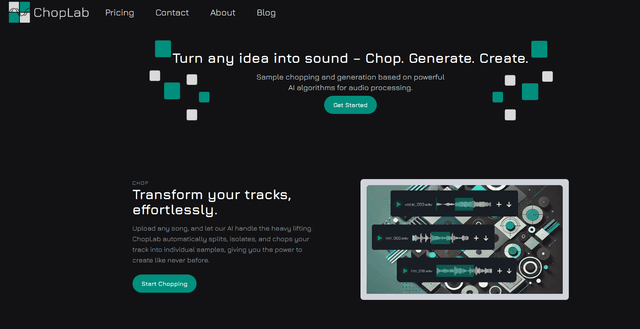
ChopLab is an AI-powered tool that enables music producers to transform audio tracks into unique samples and custom drum packs through automated splitting, isolation, and chopping processes.
SongGenerator.io: AI Music Generator Free Online
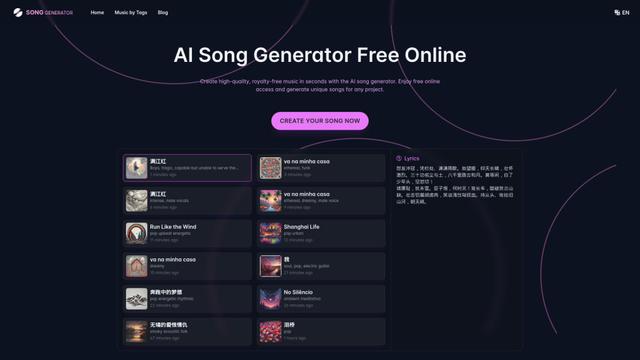
SongGenerator.io is a free online AI music generator that allows users to create unique, high-quality songs in seconds by inputting text descriptions, lyrics, or style preferences.
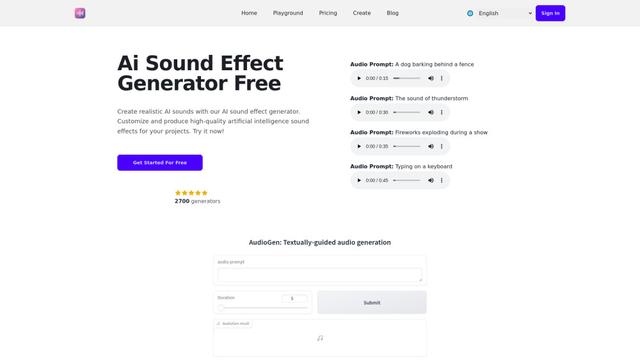
AI Sound Effect Generator
AI Sound Effect Generator is an innovative tool that uses artificial intelligence to instantly create customized, high-quality sound effects from text prompts for various multimedia projects.
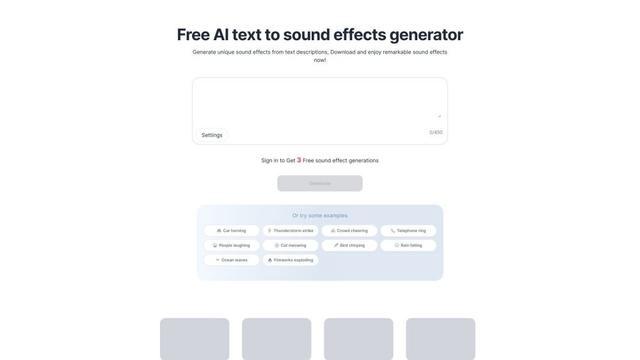
Soundify
Soundify is an AI-powered tool that generates unique sound effects from text descriptions, offering free and customizable audio clips for various creative projects.
Popular AI Tools Like Tyto by ai-coustics
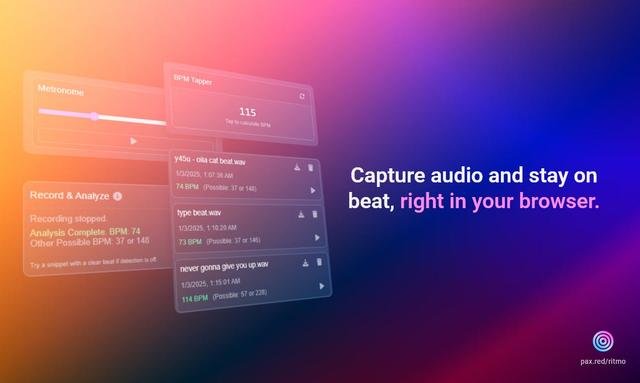
Ritmo
Ritmo is a smart audio toolkit Chrome extension that helps capture, analyze, and manage audio with features like BPM analysis, tap tempo, and metronome functionality.

Adobe Podcast
Adobe Podcast is an AI-powered web-based audio toolset that allows users to record, enhance, edit, and share high-quality podcasts and voiceovers with professional-sounding results.
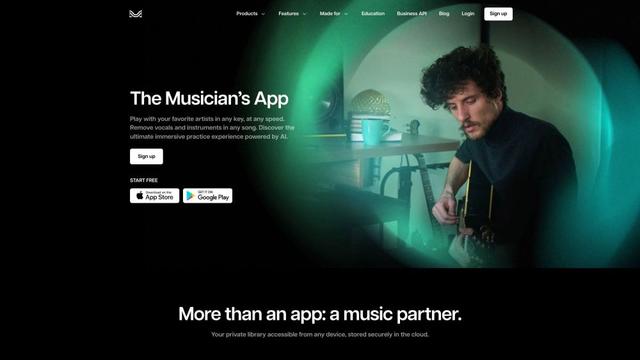
Moises App
Moises App is an AI-powered music platform that allows musicians to separate audio tracks, adjust pitch and tempo, detect chords, and practice with customized backing tracks.

eMastered
eMastered is an AI-powered online audio mastering service that provides instant, professional sound enhancement for music tracks, developed by Grammy-winning engineers.