Sakana Fugu
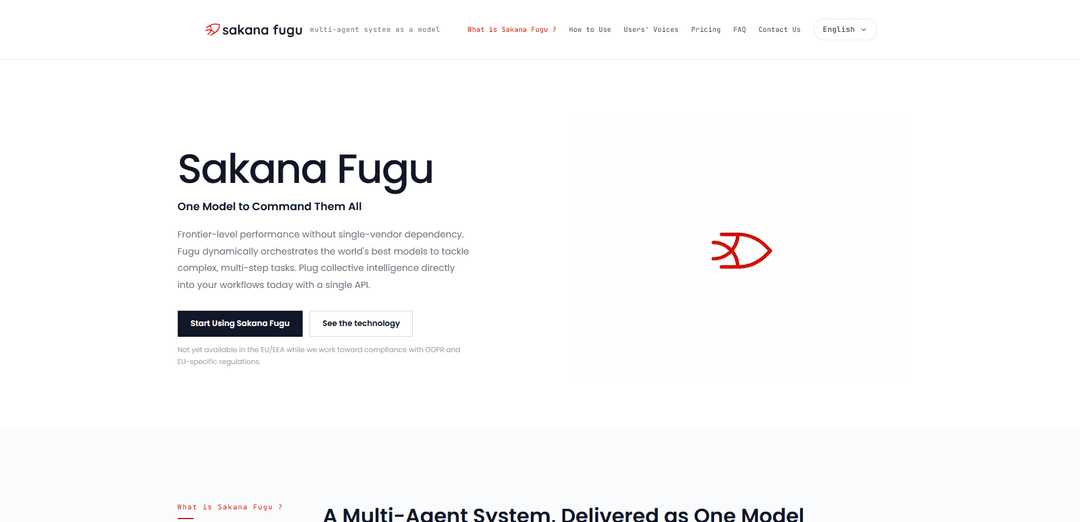
Sakana Fugu là một API “mô hình đơn” tương thích với OpenAI, mang lại kết quả cấp độ tiên phong bằng cách điều phối động một nhóm các tác nhân LLM chuyên biệt hàng đầu cho các tác vụ phức tạp, nhiều bước—mà không phụ thuộc vào một nhà cung cấp duy nhất.
https://sakana.ai/fugu?ref=producthunt&utm_source=aipure
Thông tin Sản phẩm
Đã cập nhật:Jul 8, 2026
Xu hướng Lưu lượng Truy cập Hàng tháng của Sakana Fugu
Sakana Fugu đã nhận được 280.1k lượt truy cập trong tháng trước, thể hiện mức Tăng trưởng Đáng kể 71.9%. Dựa trên phân tích của chúng tôi, xu hướng này phù hợp với động lực thị trường điển hình trong lĩnh vực công cụ AI.
Xem lịch sử lưu lượng truy cậpSakana Fugu là gì
Sakana Fugu là một sản phẩm AI thương mại từ Sakana AI, đóng gói một hệ thống điều phối đa tác nhân hoàn chỉnh đằng sau một điểm cuối mô hình duy nhất, tương thích với OpenAI. Thay vì yêu cầu các nhà phát triển chọn một mô hình hoặc tự thiết kế quy trình làm việc của tác nhân, Fugu hoạt động như một mô hình bên ngoài trong khi bên trong phối hợp nhiều mô hình chuyên gia để giải quyết các tác vụ mã hóa, suy luận, nghiên cứu và các tác vụ quan trọng về chất lượng khác. Nó được cung cấp dưới hai biến thể—Fugu (độ trễ và hiệu suất cân bằng cho việc sử dụng tương tác hàng ngày) và Fugu Ultra (tối ưu hóa cho chất lượng câu trả lời tối đa trên các vấn đề khó hơn, có rủi ro cao, nhiều bước)—và được định vị là một giải pháp thay thế linh hoạt để không phải phụ thuộc vào bất kỳ nhà cung cấp mô hình tiên phong nào.
Các Tính năng Chính của Sakana Fugu
Sakana Fugu là một “hệ thống đa tác nhân như một mô hình” được phơi bày thông qua một API tương thích OpenAI duy nhất: bạn gửi một yêu cầu đến một điểm cuối, và Fugu tự động định tuyến, ủy quyền, xác minh và tổng hợp công việc trên một nhóm các mô hình tiên tiến chuyên biệt (và thậm chí có thể tự gọi lại một cách đệ quy). Thay vì dựa vào các quy trình làm việc của tác nhân được thiết kế thủ công, nó sử dụng điều phối đã học (dựa trên nghiên cứu TRINITY và Conductor của Sakana AI) để tập hợp các mẫu cộng tác hiệu quả cho mỗi tác vụ, nhằm đạt được chất lượng cấp độ tiên tiến trong khi giảm sự phụ thuộc vào một nhà cung cấp duy nhất và cho phép khả năng phục hồi nếu một nhà cung cấp bị hạn chế. Nó được cung cấp dưới hai dạng—Fugu (độ trễ/chất lượng cân bằng cho công việc hàng ngày) và Fugu Ultra (phối hợp tác nhân sâu hơn cho các tác vụ phức tạp, có rủi ro cao)—với các điều khiển để từ chối các nhà cung cấp cụ thể cho Fugu và một nhóm đầy đủ cố định cho Ultra.
Một điểm cuối tương thích OpenAI duy nhất: Tích hợp như một LLM tiêu chuẩn thông qua API tương thích OpenAI (Hoàn thành trò chuyện và Phản hồi), vì vậy các nhóm có thể chuyển sang Fugu mà không cần di chuyển SDK hoặc viết lại máy khách.
Điều phối đa tác nhân đã học: Tự động chọn và phối hợp nhiều mô hình chuyên gia cho mỗi yêu cầu (lựa chọn, ủy quyền, xác minh, tổng hợp) bằng cách sử dụng các chiến lược đã học thay vì các quy trình làm việc được mã hóa cứng.
Hai chế độ: Fugu so với Fugu Ultra: Fugu được tối ưu hóa cho việc viết mã/trò chuyện hàng ngày với độ trễ thấp hơn; Fugu Ultra phối hợp một nhóm chuyên gia sâu hơn để tối đa hóa chất lượng câu trả lời cho các vấn đề phức tạp, đa bước, có rủi ro cao (với thời gian phản hồi lâu hơn).
Khả năng phục hồi thông qua nhóm mô hình có thể hoán đổi: Được thiết kế để giảm sự phụ thuộc vào một nhà cung cấp duy nhất và định tuyến xung quanh các gián đoạn hoặc hạn chế của nhà cung cấp bằng cách tận dụng một nhóm các mô hình có thể truy cập công khai.
Tham gia tác nhân có thể cấu hình (Fugu): Đối với mô hình Fugu tiêu chuẩn, người dùng có thể từ chối các nhà cung cấp/mô hình cụ thể để đáp ứng các ràng buộc về dữ liệu, quyền riêng tư, tuân thủ hoặc tổ chức (nhóm của Ultra được cố định để đạt được hiệu suất của nó).
Định giá không xếp chồng cho các lần chạy đa tác nhân: Khi nhiều tác nhân hoạt động, phí không được cộng dồn trên các mô hình; việc thanh toán sử dụng một mức giá duy nhất dựa trên mô hình cấp cao nhất có liên quan trong nhóm được cấu hình (Ultra có định giá cố định trên mỗi token với mức giá cao hơn trên 272K ngữ cảnh).
Các Trường hợp Sử dụng của Sakana Fugu
Kỹ thuật phần mềm: viết mã & đánh giá mã: Sử dụng như một mô hình mặc định trong các công cụ phát triển (ví dụ: quy trình làm việc giống Codex) để triển khai, gỡ lỗi và đánh giá mã toàn diện, có lợi từ việc ủy quyền và xác minh nội bộ.
Tự động hóa nghiên cứu AI/ML: Chạy các quy trình làm việc nghiên cứu tác nhân có tầm nhìn dài hơn như cải thiện lặp đi lặp lại các công thức đào tạo, chạy thử nghiệm và chỉ giữ lại các cải tiến đã được xác thực (ví dụ: các vòng lặp kiểu AutoResearch).
Đánh giá an ninh mạng (có phạm vi): Hỗ trợ các kỹ sư bảo mật với các đánh giá từ đầu đến cuối—trinh sát, kiểm tra lỗ hổng phổ biến (ví dụ: XSS/SQLi), xem xét xác thực và tạo báo cáo—trong khi nhấn mạnh việc tuân thủ phạm vi được cung cấp.
R&D và thiết kế kỹ thuật (CAD): Tạo và tinh chỉnh các thiết kế CAD cơ khí (ví dụ: cơ chế mống mắt giống khẩu độ máy ảnh) nơi lý luận đa bước và xác thực cấu trúc cải thiện độ tin cậy.
Công việc tri thức doanh nghiệp: điều tra tài liệu & bằng sáng chế: Tăng tốc phân tích đa tài liệu như lập bản đồ các lĩnh vực bằng sáng chế trên các bài báo và bằng sáng chế, tổng hợp các kết nối và tạo ra các báo cáo có cấu trúc.
Lý luận phức tạp và phân tích ngữ cảnh dài: Áp dụng cho các tác vụ yêu cầu duy trì tính nhất quán trong các phiên dài và ngữ cảnh lớn (lưu ý rằng các lần chạy Ultra phức tạp có thể yêu cầu thời gian chờ phía máy khách cao hơn).
Ưu điểm
Hiệu suất cấp độ tiên tiến thông qua điều phối: phối hợp nhiều mô hình mạnh mẽ để thường xuyên cạnh tranh hoặc vượt trội so với các đường cơ sở mô hình đơn lẻ trên các điểm chuẩn mã hóa/lý luận/tác nhân được báo cáo bởi Sakana.
Đơn giản trong vận hành: một API tương thích OpenAI ẩn đi sự phức tạp của việc lựa chọn/chuyển đổi mô hình trong khi cho phép áp dụng nhanh chóng.
Khả năng phục hồi và chủ quyền: có thể định tuyến xung quanh các hạn chế của nhà cung cấp bằng cách sử dụng một nhóm các mô hình có thể truy cập công khai có thể hoán đổi.
Tính linh hoạt trong quản trị (Fugu): khả năng từ chối các nhà cung cấp/mô hình cụ thể để phù hợp hơn với nhu cầu về quyền riêng tư/tuân thủ.
Nhược điểm
Tính minh bạch hạn chế: các mô hình cụ thể được chọn và định tuyến/phối hợp nội bộ là độc quyền và không được tiết lộ theo thiết kế.
Độ trễ/thời gian chờ cho các tác vụ phức tạp: đặc biệt với Fugu Ultra, phản hồi có thể mất nhiều thời gian hơn và có thể yêu cầu tăng thời gian chờ phía máy khách.
Hạn chế về khả dụng theo khu vực: không có sẵn ở EU/EEA trong khi công việc tuân thủ quy định GDPR/EU đang diễn ra.
Nhóm Ultra được cố định: Fugu Ultra không thể loại trừ chọn lọc các nhà cung cấp/mô hình, điều này có thể là một trở ngại cho các môi trường tuân thủ nghiêm ngặt.
Cách Sử dụng Sakana Fugu
1) Kiểm tra tính khả dụng cho khu vực của bạn: Xác nhận rằng bạn không ở EU/EEA, nơi Sakana Fugu hiện không khả dụng trong khi Sakana AI đang nỗ lực tuân thủ GDPR/quy định của EU. Nếu bạn ở ngoài EU/EEA, hãy tiếp tục.
2) Tạo tài khoản trong bảng điều khiển Sakana: Truy cập trang đăng nhập bảng điều khiển Sakana (console.sakana.ai) và đăng nhập / tạo tài khoản.
3) Chọn gói giá (Đăng ký hoặc Trả theo mức sử dụng): Chọn gói Đăng ký hàng tháng (Tiêu chuẩn/Pro/Max) để sử dụng hàng ngày, hoặc gói Token (trả theo mức sử dụng) cho các khối lượng công việc sản xuất linh hoạt, nặng. Lưu ý rằng việc sử dụng gói token được ưu tiên cao hơn các token của gói hàng tháng.
4) Thêm chi tiết thanh toán (nếu bảng điều khiển yêu cầu): Hoàn tất thiết lập gói trong bảng điều khiển (ví dụ: đăng ký thẻ tín dụng) để bảng điều khiển có thể cấp khóa API và hiển thị URL cơ sở của bạn.
5) Tạo và sao chép khóa API + URL cơ sở của bạn: Từ khu vực “bắt đầu” của bảng điều khiển, sao chép khóa API và URL cơ sở API mà bạn sẽ sử dụng trong ứng dụng khách của mình. Sakana Fugu được truy cập thông qua API tương thích với OpenAI, vì vậy bạn thường chỉ cần hoán đổi điểm cuối và khóa trong các công cụ hiện có.
6) Quyết định mô hình nào để gọi: fugu so với fugu-ultra: Sử dụng “Fugu” làm mặc định cho hiệu suất cân bằng và độ trễ thấp (mã hóa tương tác, đánh giá mã, chatbot phản hồi). Sử dụng “Fugu Ultra” khi bạn muốn chất lượng câu trả lời tối đa trên các tác vụ khó, nhiều bước, có rủi ro cao (ví dụ: nghiên cứu, tái tạo bài báo, phân tích an ninh mạng, điều tra tài liệu/bằng sáng chế), chấp nhận độ trễ cao hơn.
7) (Tùy chọn) Cấu hình nhóm tác nhân Fugu để tuân thủ (chỉ Fugu): Nếu bạn cần từ chối các nhà cung cấp/mô hình cụ thể vì lý do dữ liệu, quyền riêng tư hoặc tuân thủ, hãy bật cài đặt bảng điều khiển để tùy chỉnh nhóm mô hình Fugu và chỉ để lại các nhà cung cấp bạn muốn. Để tắt để sử dụng toàn bộ nhóm mặc định. Lưu ý: Nhóm của Fugu Ultra là cố định và không thể tùy chỉnh.
8) Trỏ ứng dụng khách tương thích OpenAI hiện có của bạn đến điểm cuối của Sakana: Vì API tương thích với OpenAI, hãy sử dụng lại SDK/ứng dụng khách OpenAI hiện có của bạn và thay đổi (a) URL cơ sở thành điểm cuối Fugu của Sakana và (b) khóa API thành khóa Sakana của bạn. Sau đó đặt mô hình thành “fugu” hoặc một phiên bản Ultra cụ thể như “fugu-ultra-20260615”.
9) Gửi yêu cầu qua Chat Completions hoặc Responses: Gọi API bằng API Chat Completions hoặc điểm cuối Responses (cả hai đều được hỗ trợ theo tài liệu chính thức). Từ góc độ của bạn, bạn gọi một mô hình; bên trong Fugu điều phối một nhóm các tác nhân chuyên gia và trả về một câu trả lời tổng hợp duy nhất.
10) Tăng thời gian chờ phía máy khách cho các công việc Ultra phức tạp: Đối với các tác vụ phức tạp—đặc biệt là với fugu-ultra—hãy tăng thời gian chờ HTTP/máy khách của bạn để tránh ngắt kết nối sớm, vì việc điều phối sâu hơn có thể mất nhiều thời gian hơn.
11) Theo dõi mức sử dụng token và chi phí cho mỗi yêu cầu: Sử dụng báo cáo sử dụng cho mỗi yêu cầu để theo dõi mức tiêu thụ token và chi phí theo thời gian thực, đồng thời dự báo chi tiêu trước khi mở rộng quy mô. (Sakana báo cáo mức sử dụng token và chi phí tương ứng cho mỗi yêu cầu.)
12) Hiểu cách hoạt động của việc thanh toán (để bạn có thể dự đoán chi phí): Đối với Fugu trên gói token: nếu một tác nhân hoạt động, bạn trả mức giá tiêu chuẩn của mô hình cơ bản đó; nếu nhiều tác nhân hoạt động, phí không được cộng dồn—bạn trả một mức giá duy nhất dựa trên mô hình cấp cao nhất có trong nhóm đã cấu hình của bạn. Đối với Fugu Ultra (ví dụ: fugu-ultra-20260615), giá được cố định cho mỗi 1 triệu token (với mức giá cao hơn cho các ngữ cảnh >272K).
13) (Tùy chọn) Từ chối sử dụng dữ liệu đào tạo: Nếu bạn không muốn dữ liệu sử dụng của mình được dùng để cải thiện Fugu, hãy bật cài đặt từ chối trong bảng điều khiển bất cứ lúc nào (Sakana cho biết điều này có sẵn từ trang bảng điều khiển của họ).
14) (Tùy chọn) Sử dụng các tích hợp công cụ chính thức (Codex/CLI): Nếu bạn thích thiết lập dựa trên công cụ, hãy cài đặt tích hợp/CLI Codex chính thức (ví dụ: trình cài đặt một dòng được Sakana tham chiếu) hoặc thêm thủ công khối nhà cung cấp Sakana Fugu vào cấu hình của bạn (ví dụ: config.toml). Điều này cho phép bạn sử dụng Fugu trong các quy trình làm việc mã hóa trong khi vẫn gọi API tương thích OpenAI bên dưới.
Câu hỏi Thường gặp về Sakana Fugu
Sakana Fugu là một hệ thống điều phối AI đa tác nhân của Sakana AI, cung cấp một API tương thích với OpenAI duy nhất trong khi phối hợp động một nhóm các mô hình ngôn ngữ mạnh mẽ để giải quyết các tác vụ phức tạp, nhiều bước.
Bài viết phổ biến

Vosko AI: Bản địa hóa và Lồng tiếng Video cho Khán giả Toàn cầu
Oct 15, 2026

Atoms: Nền tảng AI đa tác nhân biến ý tưởng thành sản phẩm sẵn sàng ra mắt
May 22, 2026

Nano Banana SBTI: Nó là gì, Cách thức hoạt động và Cách sử dụng nó vào năm 2026
Apr 15, 2026

Đánh giá Atoms — Trình tạo sản phẩm AI định nghĩa lại việc tạo nội dung số vào năm 2026
Apr 10, 2026
Phân tích Trang web Sakana Fugu
Lưu lượng truy cập & Xếp hạng của Sakana Fugu
280.1K
Lượt truy cập hàng tháng
#168572
Xếp hạng Toàn cầu
#226
Xếp hạng Danh mục
Xu hướng Lưu lượng truy cập: Jul 2024-Jun 2025
Thông tin chi tiết về Người dùng Sakana Fugu
00:01:33
Thời lượng Truy cập Trung bình
1.89
Số trang mỗi lần Truy cập
52.73%
Tỷ lệ Thoát của Người dùng
Khu vực Hàng đầu của Sakana Fugu
US: 31.61%
DE: 9.1%
JP: 8.62%
IN: 8.19%
BR: 4.25%
Others: 38.21%
Công cụ AI Mới nhất Tương tự Sakana Fugu
Gait
Gait là một công cụ hợp tác tích hợp việc tạo mã hỗ trợ AI với kiểm soát phiên bản, cho phép các nhóm theo dõi, hiểu và chia sẻ bối cảnh mã do AI tạo ra một cách hiệu quả.
invoices.dev
invoices.dev là một nền tảng lập hóa đơn tự động tạo hóa đơn trực tiếp từ các cam kết Git của các nhà phát triển, với khả năng tích hợp cho các dịch vụ GitHub, Slack, Linear và Google.
EasyRFP
EasyRFP là một bộ công cụ tính toán biên được hỗ trợ bởi AI giúp đơn giản hóa các phản hồi RFP (Yêu cầu đề xuất) và cho phép phân loại hình thái thực địa theo thời gian thực thông qua công nghệ học sâu.

Cart.ai
Cart.ai là một nền tảng dịch vụ dựa trên AI cung cấp các giải pháp tự động hóa doanh nghiệp toàn diện bao gồm lập trình, quản lý quan hệ khách hàng, chỉnh sửa video, thiết lập thương mại điện tử và phát triển AI tùy chỉnh với hỗ trợ 24/7.
Công cụ AI Phổ biến Giống Sakana Fugu

GitHub Copilot Chat
GitHub Copilot Chat là một trợ lý lập trình được hỗ trợ bởi AI cung cấp các tương tác bằng ngôn ngữ tự nhiên, các gợi ý mã theo thời gian thực, và hỗ trợ theo ngữ cảnh trực tiếp trong các IDE được hỗ trợ và GitHub.com.
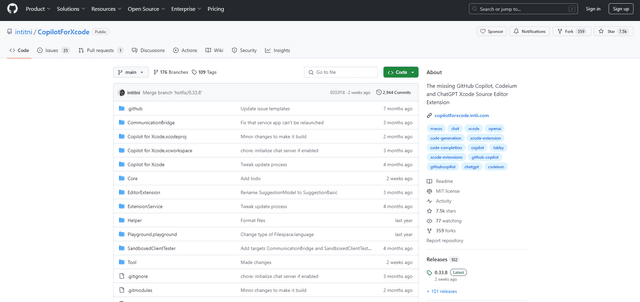
CopilotForXcode
CopilotForXcode là một Tiện ích mở rộng Trình chỉnh sửa mã nguồn Xcode tích hợp GitHub Copilot, Codeium và ChatGPT để cung cấp các gợi ý mã được hỗ trợ bởi AI, hỗ trợ trò chuyện và chức năng từ prompt đến mã trong Xcode.
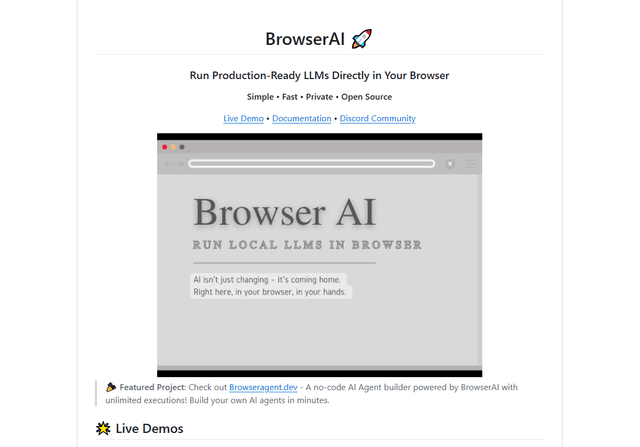
BrowserAI
BrowserAI là một thư viện mã nguồn mở cho phép chạy các Mô hình Ngôn ngữ Lớn (LLM) cục bộ trực tiếp trong trình duyệt web với khả năng tăng tốc WebGPU, cung cấp các khả năng AI tập trung vào quyền riêng tư mà không cần cơ sở hạ tầng máy chủ.
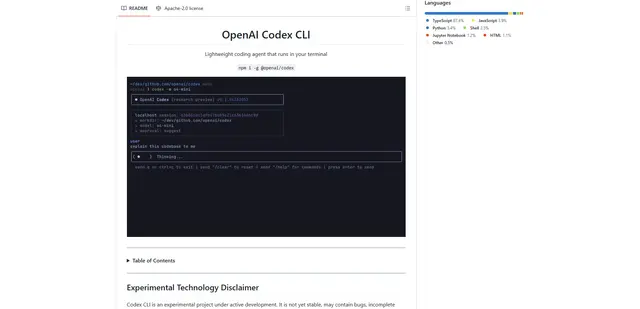
OpenAI Codex CLI
OpenAI Codex CLI là một coding agent mã nguồn mở, nhẹ, chạy trong terminal của bạn, cho phép các nhà phát triển dịch ngôn ngữ tự nhiên thành thực thi mã trong khi cung cấp khả năng suy luận ở cấp độ ChatGPT với khả năng chạy mã, thao tác tệp và lặp lại dưới sự kiểm soát phiên bản.