
Qik Office
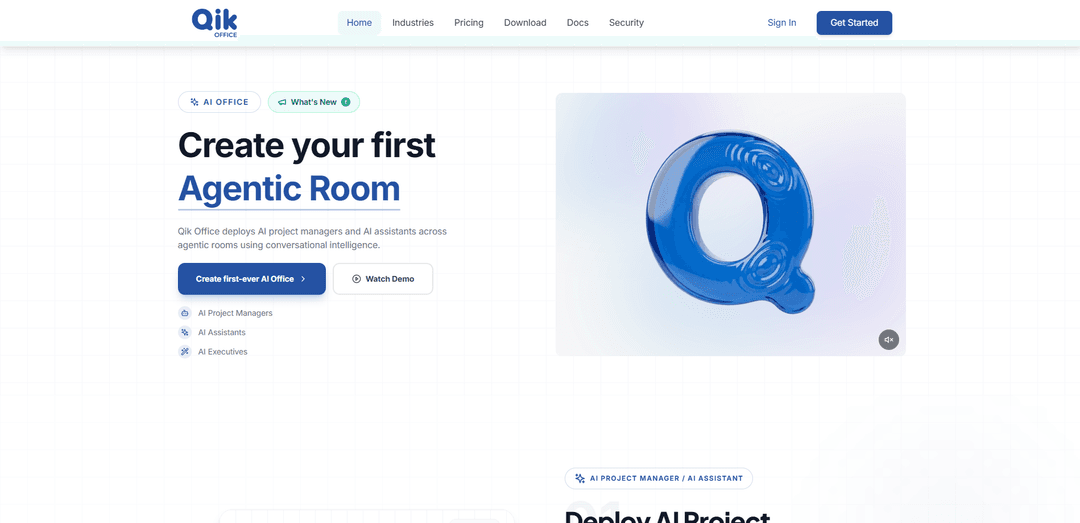
Qik Office is an AI work organizer that deploys AI Project Managers and Agentic Rooms to unify meetings, chat, tasks, files, and schedules into structured, secure, actionable workspaces.
https://qikoffice.com/?ref=producthunt
Product Information
Updated:Jul 8, 2026
What is Qik Office
Qik Office is an AI-driven office app built to help organizations organize and execute work in one place—bringing communication, collaboration, and project management together under a “digital office” model that mimics how teams operate in a physical workplace. It centralizes online, in-person, and hybrid meetings alongside chats, notes, to-dos, tasks, files, whiteboards, recordings, transcriptions, and AI-generated minutes, so teams can keep context, decisions, and follow-ups continuously aligned. Designed for businesses from startups to enterprises, Qik Office also emphasizes enterprise-grade security and privacy with features such as room encryption and enterprise data protection innovations.
Key Features of Qik Office
Qik Office is an AI-powered “digital office” platform that unifies business communication, collaboration, and project execution into persistent, context-bound Agentic Rooms. It auto-organizes work artifacts (chats, files, agendas, meetings, notes, to-dos, whiteboards, recordings, transcripts) and turns conversations from online, in-person, or hybrid meetings into structured outputs like minutes, action items, sprint boards, and reports. The product also emphasizes enterprise-grade security (e.g., room encryption and enterprise data “cocooning”) and adds analytics/business intelligence to surface insights from unified enterprise data across departments and projects.
Agentic Rooms with AI Project Managers: Persistent rooms where AI project managers and human teammates co-exist, keeping conversations, tasks, decisions, and artifacts in one shared context to drive execution continuously.
Conversation Intelligence → Structured Action: Transforms interactions across chat, calls, meetings, notes, and files into structured artifacts—tasks, decisions, summaries, minutes, and action items—reducing manual follow-up.
Meeting capture for online and in-person work: Supports automated recordings, transcriptions, and AI-generated minutes/action items for virtual calls and face-to-face meetings to ensure “meeting memory” and perfect recall.
Unified collaboration hub: Brings together schedules, agendas, meetings, chat, file sharing, notes, to-dos, whiteboards, recordings, and searchable history in a single workspace/room model.
Automated project management and sprints: AI can prioritize tasks, track completion, identify blockers, and help keep projects on schedule (including generating sprint boards and execution plans from meetings or commands).
Enterprise governance, privacy, and security: Designed for enterprise use with security innovations such as room encryption and enterprise data cocooning to protect sensitive organizational information.
Use Cases of Qik Office
Engineering sprints and standups (Technology): Convert standups, sprint planning, and reviews into sprint boards, prioritized tasks, blockers, and auto-generated status reports inside dedicated rooms per feature/team.
Deal execution and compliance tracking (Finance): Centralize client conversations, documents, meeting minutes, and action items in deal rooms; generate structured summaries and audit-friendly records for compliance workflows.
Policy updates and HR operations (HR/People Ops): Run HR rooms for policy rollouts, hiring loops, and employee relations; capture meeting notes, decisions, and assigned follow-ups automatically for consistent execution.
Clinical handoffs and care coordination (Healthcare): Use persistent rooms for teams to capture discussions, handoff notes, and action items with searchable meeting memory to reduce information loss across shifts.
Shift handoffs and quality workflows (Manufacturing): Document production meetings and shift handoffs with recordings/transcripts and AI minutes; track issues, corrective actions, and responsibilities in one operational room.
Client calls and project delivery (Agencies/Professional Services): Turn customer meetings into deliverables: minutes, action items, timelines, and task boards—keeping files, conversations, and approvals organized per client room.
Pros
All-in-one workspace model: unifies meetings, chat, files, tasks, and notes into persistent rooms to reduce tool sprawl.
Strong automation: AI-generated minutes, transcriptions, action items, and structured outputs can reduce manual admin work.
Works across online, in-person, and hybrid scenarios, preserving meeting memory and searchable history.
Enterprise-oriented security posture with room encryption and enterprise data cocooning (as described).
Cons
Breadth of features may create onboarding complexity for teams used to separate tools and simpler workflows.
Some performance/ROI claims (e.g., large productivity gains) are vendor-stated and may vary by organization and adoption.
Advanced automation and agentic workflows may depend on consistent usage patterns and data quality (meeting capture, participation, integrations).
How to Use Qik Office
1) Install Qik Office on your device: Download and install Qik Office (available on iOS App Store, Google Play Store, and desktop platforms). Open the app to begin setup.
2) Create your AI Office: Start the initial setup to create your organization’s AI Office (your top-level workspace that will contain all rooms, users, and work data).
3) Create your first Agentic Room: Create an “Agentic Room” (a persistent, context-bound workspace) where people and AI project managers/assistants co-exist and collaborate over shared context.
4) Add teammates to the room: Invite or add room users (your team members) so conversations, tasks, files, and decisions stay in one unified scope.
5) Use the room as the single place for work artifacts: In the room, keep your work together—messages/updates, files, notes, to-dos, tasks, and meeting-related artifacts—so everything remains organized and searchable.
6) Give a direct command in the Command Center: Use the Command Center to instruct the AI project manager to plan and execute work. Example: “Plan the next sprint—auth backend to Mark, frontend to Sara. Deadline Friday. Create rooms for each.”
7) Review the AI-generated structured outputs: After a command, review what the AI project manager generates (e.g., plans, sprint boards, tasks, room creation, and structured outputs like summaries and reports).
8) Run meetings that automatically drive execution: Hold online, in-person, or hybrid meetings in Qik Office. Qik’s meeting intelligence captures discussion and turns it into structured action (minutes, action items, and follow-ups).
9) Use AI meeting bots for online meetings: For virtual meetings (e.g., Zoom/Google Meet/Teams), use AI meeting bot support to record, transcribe, and summarize conversations so you get reliable meeting memory.
10) Use in-person meeting mode for face-to-face meetings: For physical meetings, use in-person meeting mode so Qik can still generate minutes, discussion points, and action items, and assign action to-dos during the meeting.
11) Track tasks and progress inside the room: Use the room’s task views/boards to monitor what’s Todo/Doing/Done. Qik can prioritize active tasks and keep execution aligned with the room’s context.
12) Search and revisit meeting memory anytime: Use AI search across meetings and room history to quickly find prior decisions, minutes, action items, and shared artifacts.
13) Turn conversations into structured action continuously: Rely on Qik’s conversational intelligence to transform ongoing interactions (chat, notes, files, meetings) into structured artifacts like tasks, decisions, minutes, and summaries.
14) Use business intelligence to get insights from enterprise data: Use the analytics/intelligence layer to derive dashboards, reports, metrics, and real-time insights from structured and unstructured work data across rooms and workspaces.
15) Scale by creating more rooms for departments and projects: Create additional rooms for functions (Finance, Ops, HR, IT) and projects so scattered communication becomes structured workspaces governed under your AI Office.
Qik Office FAQs
Qik Office is an AI office/work organizer app that unifies business communication and collaboration, organizing work data across workspaces and persistent “rooms,” and using AI to generate structured outputs like minutes, summaries, and reports.
Qik Office Video
Popular Articles

Vosko AI: Localize and Dub Videos for Global Audiences
Oct 15, 2026
Atoms: A Multi-Agent AI Platform That Transforms Ideas into Launch-Ready Products
Oct 13, 2026

Nano Banana SBTI: What It Is, How It Works, and How to Use It in 2026
Apr 15, 2026
Atoms Review — The AI Product Builder Redefining Digital Creation in 2026
Apr 10, 2026
Latest AI Tools Similar to Qik Office
Ticknotes
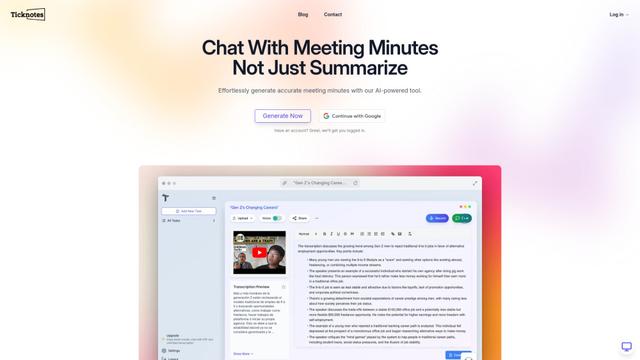
Ticknotes is an AI-powered meeting assistant that automatically records, transcribes, and generates personalized meeting summaries, action items, and key insights from audio, video, and text content.
Feta
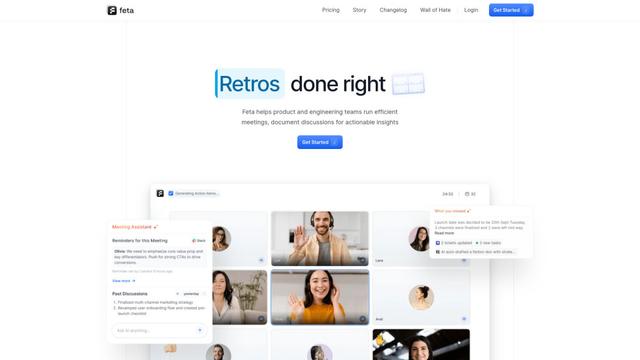
Feta is an AI-powered meeting tool that helps product and engineering teams run efficient meetings by capturing discussions, automating tasks, and providing actionable insights through smart summaries and integrations.
Aimeet
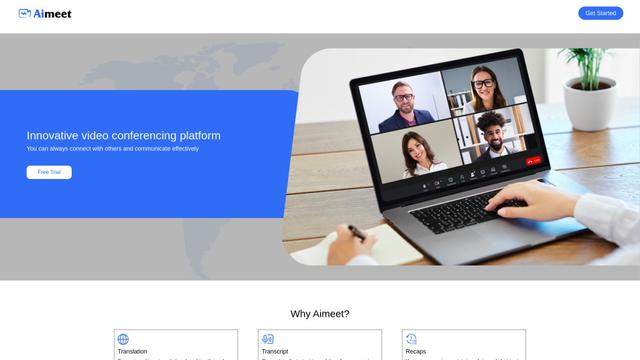
Aimeet is a comprehensive AI-powered communication platform that combines real-time translation, transcription, screen sharing, and unlimited meeting capabilities for effective virtual collaboration.
MinutesLink
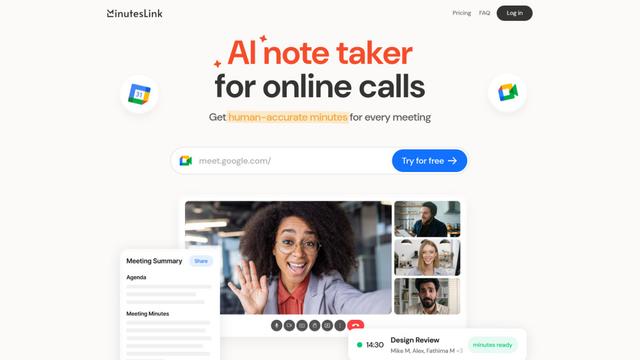
MinutesLink is an advanced AI-powered note-taking assistant that automatically records, transcribes, summarizes and organizes virtual meetings while building personalized digital avatars from meeting data.
Popular AI Tools Like Qik Office
Second Brain for AI
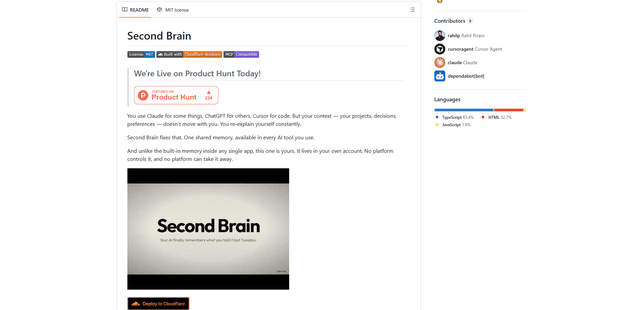
Second Brain for AI is a self-hosted, MCP-compatible persistent memory layer on Cloudflare that lets Claude, ChatGPT, Cursor, and other AI clients store and semantically recall shared context across sessions.
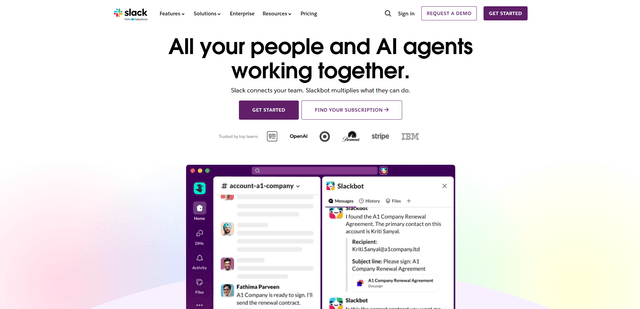
Slack
Slack is an AI-powered work platform that brings team communication, channels, files, automation, and app integrations into one conversational workspace.
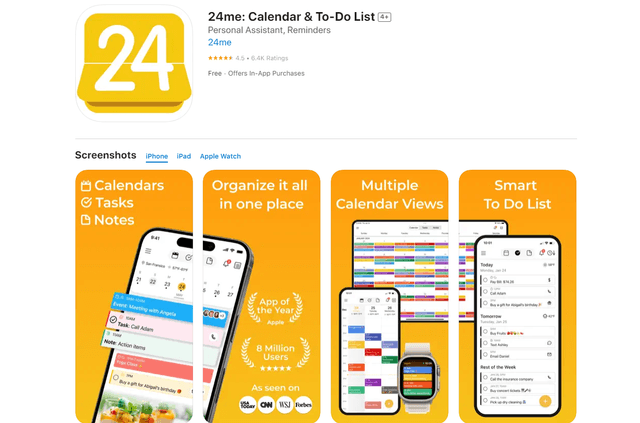
24me Smart Personal Assistant
24me is an award-winning smart personal assistant app that combines calendar, to-do lists, notes, and personal accounts in one unified platform to help boost productivity and time management.
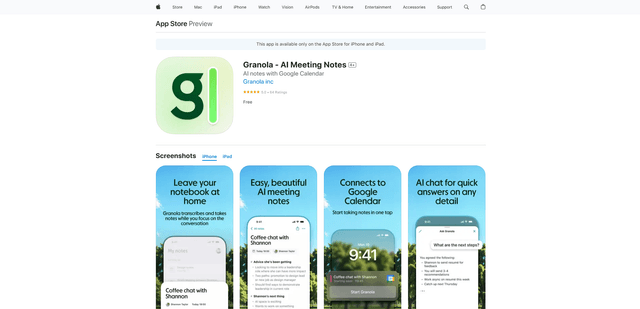
Granola for iOS
Granola for iOS is an AI-powered notepad app that helps users effortlessly capture, transcribe and summarize meeting conversations through intelligent note-taking and one-tap recording capabilities.