
LLMTest
LLMTest là một nền tảng dựa trên proxy để triển khai và thử nghiệm các tính năng LLM, theo dõi chi phí, đánh giá hiệu suất hơn 340 mô hình, thêm tính năng dự phòng tự động và phát hiện sai lệch, đồng thời có thể tự động tối ưu hóa lời nhắc và lựa chọn mô hình trên lưu lượng truy cập sản xuất thực tế (Autopilot).
https://llmtest.io/?ref=producthunt&utm_source=aipure

Thông tin Sản phẩm
Đã cập nhật:Jun 8, 2026
LLMTest là gì
LLMTest là một lớp tối ưu hóa và độ tin cậy của LLM nằm giữa ứng dụng của bạn và các nhà cung cấp mô hình (ví dụ: các API kiểu OpenAI và Anthropic). Nó giúp các nhóm chuyển từ "nó hoạt động trên lời nhắc của tôi" sang các tính năng AI cấp độ sản xuất bằng cách giám sát việc sử dụng thực tế, đo lường chất lượng và kiểm soát chi phí. Ngoài các quy trình đánh giá và thử nghiệm, LLMTest còn cung cấp các công cụ sản xuất thực tế—như định tuyến, chuyển đổi dự phòng và bảng điều khiển chi phí—để bạn có thể triển khai nhanh chóng trong khi vẫn cải thiện chất lượng và hiệu quả theo thời gian.
Các Tính năng Chính của LLMTest
LLMTest là một lớp proxy và tối ưu hóa cho các tính năng sản phẩm được hỗ trợ bởi LLM, giúp đánh giá hơn 340 mô hình, theo dõi chi phí/độ trễ trên mỗi luồng và liên tục cải thiện lời nhắc cũng như lựa chọn mô hình bằng cách sử dụng lưu lượng truy cập sản xuất thực tế. Nó có thể tự động chạy các thử nghiệm hàng tuần (Autopilot) để tìm các biến thể lời nhắc nhanh hơn/rẻ hơn và hoán đổi mô hình, thực thi các cổng an toàn (độ tin cậy, sự đồng thuận của giám khảo, kiểm tra hồi quy golden-set) và cung cấp khả năng chuyển đổi dự phòng tự động khi các nhà cung cấp bị quá tải hoặc ngừng hoạt động—để các nhóm có thể triển khai nhanh chóng, sau đó cải thiện chất lượng, độ tin cậy và chi tiêu một cách có hệ thống theo thời gian.
Đánh giá thông minh trên hơn 340 mô hình: Mô tả tính năng AI của bạn và LLMTest tạo lời nhắc thử nghiệm, chạy đánh giá trên nhiều mô hình ứng cử viên và sử dụng giám khảo AI để chấm điểm chất lượng để bạn có thể chọn các mô hình mạnh trước (hoặc sau) khi triển khai.
Tối ưu hóa lời nhắc + mô hình Autopilot: Các lần chạy nền hàng tuần tùy chọn sẽ viết lại lời nhắc và thử nghiệm các mô hình rẻ hơn/tốt hơn trên lưu lượng truy cập thực tế; chỉ những thay đổi đáp ứng độ tin cậy thống kê và các biện pháp bảo vệ hồi quy mới được quảng bá, với khả năng hoàn tác dễ dàng.
Các chiến lược tối ưu hóa lời nhắc song song: Tự động rút ngắn/làm rõ/cấu trúc lại lời nhắc thông qua nhiều chiến lược tối ưu hóa và chọn ra những người chiến thắng vượt trội so với đường cơ sở với độ tin cậy cao thay vì dựa vào các điều chỉnh thủ công một lần.
Các phương án dự phòng tự động và chuyển đổi dự phòng trong yêu cầu: Khi nhà cung cấp bị giới hạn tốc độ hoặc lỗi (ví dụ: 5xx/quá tải), LLMTest định tuyến cùng một yêu cầu đến mô hình tốt nhất tiếp theo để giữ cho các tính năng hướng tới người dùng trực tuyến.
Phát hiện độ lệch với khả năng khôi phục: Kiểm tra lại các tối ưu hóa theo thời gian; nếu hành vi mô hình thay đổi hoặc lưu lượng truy cập thay đổi khiến chất lượng giảm sút, nó sẽ khôi phục và báo cáo những gì đã xảy ra.
Theo dõi chi phí trên mỗi luồng và bảng điều khiển: Theo dõi chi phí của mỗi tính năng AI theo mô hình/luồng/ngày để ngăn chặn những bất ngờ về chi tiêu và định lượng khoản tiết kiệm từ các thay đổi lời nhắc/mô hình.
Các Trường hợp Sử dụng của LLMTest
Tự động hóa hỗ trợ khách hàng SaaS: Giữ cho bot hỗ trợ đáng tin cậy trong thời gian API ngừng hoạt động với các phương án dự phòng tự động, trong khi Autopilot điều chỉnh lời nhắc/mô hình để giảm chi phí trên mỗi yêu cầu mà không làm giảm mức độ hữu ích.
Gắn thẻ sản phẩm thương mại điện tử và trích xuất có cấu trúc: Cải thiện độ tin cậy của đầu ra JSON/có cấu trúc bằng cách phát hiện lỗi và chuyển đổi dự phòng sang một mô hình mạnh hơn trong cùng một yêu cầu, giảm sự cố đường ống và dọn dẹp thủ công.
Quy trình nội dung tiếp thị và SEO: Tối ưu hóa quy trình tạo nhiều bước (nghiên cứu → dàn ý → bản nháp → viết lại → định dạng) bằng cách gán các mô hình rẻ hơn cho các bước dễ hơn và đánh giá sự đánh đổi về chất lượng từ đầu đến cuối.
Công cụ dành cho nhà phát triển và trợ lý IDE: Sử dụng tích hợp MCP để đưa ra các đề xuất cải thiện lời nhắc/mô hình trong các công cụ như Cursor/Claude Code và áp dụng các thay đổi trực tiếp vào mã bằng cách chấp nhận/hoàn tác bằng một cú nhấp chuột.
Trợ lý nhạy cảm về tuân thủ trong Fintech/chăm sóc sức khỏe: Chạy các thay đổi được kiểm soát, có cổng tin cậy với kiểm tra hồi quy golden-set và phát hiện độ lệch để giảm rủi ro hồi quy chất lượng trong các luồng người dùng được quản lý hoặc có rủi ro cao.
Ưu điểm
Tối ưu hóa liên tục trên lưu lượng truy cập sản xuất thực tế (không chỉ đánh giá ngoại tuyến), với các cổng tin cậy và kiểm tra hồi quy.
Cải thiện độ tin cậy thông qua chuyển đổi dự phòng tự động khi các mô hình/nhà cung cấp ngừng hoạt động hoặc quá tải.
Hiển thị chi phí rõ ràng trên mỗi tính năng/luồng/ngày, cho phép tiết kiệm và lập ngân sách có thể đo lường được.
Nhược điểm
Yêu cầu định tuyến các cuộc gọi LLM thông qua một lớp proxy, điều này có thể thêm các cân nhắc về tích hợp/vận hành.
Các ràng buộc về điều kiện đủ điều kiện của Autopilot (ví dụ: tuổi tài khoản và khối lượng cuộc gọi thực tế tối thiểu) có thể hạn chế lợi ích tức thì cho các ứng dụng hoàn toàn mới.
Việc chấm điểm chất lượng dựa vào các giám khảo AI, điều này có thể gây ra sai lệch của người đánh giá và vẫn có thể yêu cầu xem xét của con người đối với các trường hợp ngoại lệ.
Cách Sử dụng LLMTest
1) Tạo tài khoản: Truy cập https://llmtest.io/signup và tạo tài khoản (không yêu cầu thẻ tín dụng).
2) Thêm tín dụng (tùy chọn): Nếu bạn muốn chạy lưu lượng truy cập/đánh giá hiệu suất trả phí ngay lập tức, hãy thêm tín dụng (5$, 10$, 25$, 50$ hoặc 200$). Tín dụng không bao giờ hết hạn. Bạn sẽ bị tính phí mô hình cơ bản + phí LLMTest 10%.
3) Định tuyến các cuộc gọi LLM của bạn qua LLMTest: Cập nhật ứng dụng của bạn để gửi yêu cầu "qua LLMTest" thay vì gọi trực tiếp nhà cung cấp. LLMTest được thiết kế để hoạt động với bất kỳ ứng dụng tương thích OpenAI nào, vì vậy bạn thường có thể trỏ máy khách kiểu OpenAI hiện có của mình vào LLMTest và giữ nguyên phần còn lại của mã.
4) Xác định một "luồng" cho mỗi tính năng AI: Sắp xếp các yêu cầu theo tính năng (một 'luồng'), ví dụ: support-bot, product-tagger, seo-blog-generator. Điều này cho phép LLMTest theo dõi chi phí và chất lượng cho mỗi tính năng và áp dụng các tối ưu hóa/dự phòng ở cấp độ luồng.
5) Triển khai lời nhắc + mô hình ban đầu của bạn (đừng suy nghĩ quá nhiều): Bắt đầu với một lời nhắc hoạt động và bất kỳ mô hình nào. LLMTest được xây dựng để biến một phiên bản thô sơ đầu tiên thành cấp độ sản xuất bằng cách học hỏi từ việc sử dụng thực tế và chạy các đánh giá hiệu suất/tối ưu hóa.
6) Sử dụng Smart Benchmarks trước khi triển khai (chế độ greenfield): Nếu bạn đang chọn một mô hình lần đầu tiên: (1) Mô tả tính năng AI của bạn, (2) để LLMTest tạo lời nhắc thử nghiệm, (3) chạy các đánh giá hiệu suất thông minh trên hơn 340 mô hình. Một giám khảo AI sẽ chấm điểm đầu ra và LLMTest đề xuất mô hình tốt nhất cho trường hợp sử dụng của bạn.
7) Giám sát lưu lượng truy cập thực tế sau khi hoạt động: Sau khi bạn triển khai, LLMTest sẽ quan sát các lời nhắc và phản hồi thực tế cho mỗi luồng, tìm hiểu cách tính năng được sử dụng và nơi nó gặp lỗi.
8) Bật Chuyển đổi dự phòng tự động: Bật tính năng chuyển đổi dự phòng để nếu một mô hình bị lỗi, bị giới hạn tốc độ hoặc trả về đầu ra không sử dụng được (ví dụ: JSON không hợp lệ không thể phân tích cú pháp), LLMTest có thể thử lại hoặc định tuyến yêu cầu đến mô hình tốt nhất tiếp theo trong cùng một yêu cầu—để người dùng không thấy sự cố ngừng hoạt động hoặc lỗi.
9) Sử dụng Tối ưu hóa lời nhắc: Chạy tối ưu hóa lời nhắc để rút ngắn/làm rõ/cấu trúc lại lời nhắc. LLMTest thử nhiều chiến lược song song và chỉ chọn người chiến thắng nếu nó vượt trội hơn mức cơ sở với độ tin cậy 95%.
10) Bật Autopilot (cho các hệ thống trực tiếp): Chọn tham gia Autopilot trong bảng điều khiển (hoặc thông qua tác nhân IDE). Autopilot khả dụng khi tài khoản của bạn đã hơn 14 ngày tuổi và một luồng có hơn 20 cuộc gọi thực tế.
11) Xem xét các thay đổi hàng tuần của Autopilot: Autopilot chạy hàng tuần trên lưu lượng truy cập thực tế, thử nghiệm các biến thể lời nhắc rẻ hơn/ngắn hơn và các mô hình thay thế. Bạn sẽ nhận được email 'tóm tắt khác biệt sáng thứ Hai' tóm tắt những gì đã thay đổi, những gì bạn đã tiết kiệm và liên kết hoàn tác trong 24 giờ.
12) Hiểu 5 cổng an toàn trước khi các thay đổi được triển khai: Autopilot chỉ triển khai các 'chiến thắng an toàn' vượt qua: (1) Tỷ lệ thắng tự tin 95% (giới hạn dưới của Wilson vượt quá 50% hoặc 4 thắng/0 thua), (2) hai giám khảo độc lập (Claude Sonnet và GPT-4o, hoán đổi vị trí) đồng ý ≥ 80%, (3) tiết kiệm ít nhất 20%, (4) một tập hợp vàng gồm 5 đầu vào đã biết là tốt không bị suy giảm, (5) không có sai lệch độ dài (các biến thể dài hơn 50% so với mức cơ sở yêu cầu sự chấp thuận của con người).
13) Theo dõi chi phí cho mỗi luồng: Sử dụng bảng điều khiển chi phí để xem mỗi tính năng AI tốn bao nhiêu cho mỗi mô hình/mỗi luồng/mỗi ngày để tránh những bất ngờ cuối tháng và để xác định các bước trong các quy trình nhiều bước nơi có thể thay thế các mô hình rẻ hơn.
14) Sử dụng Phát hiện sai lệch: Để LLMTest kiểm tra lại các tối ưu hóa hàng tuần. Nếu chất lượng giảm sút do thay đổi mô hình hoặc thay đổi lưu lượng truy cập, LLMTest sẽ hoàn nguyên và cho bạn biết lý do.
15) Tích hợp với IDE của bạn qua MCP (tùy chọn): Kết nối máy chủ MCP của LLMTest với các công cụ như Claude Code, Cursor, Windsurf, v.v. Nhận các đề xuất tối ưu hóa trực tiếp trong IDE của bạn và chấp nhận chúng để áp dụng các chỉnh sửa mã.
16) Cập nhật với Model Radar: Bật/giám sát radar mô hình để LLMTest phát hiện các mô hình mới và giảm giá hàng ngày và đánh giá hiệu suất các luồng của bạn so với chúng trước khi chuyển đổi—giúp bạn luôn cập nhật mà không cần đánh giá lại thủ công.
Câu hỏi Thường gặp về LLMTest
LLMTest là một proxy API LLM và nền tảng tối ưu hóa giúp theo dõi chi phí, đánh giá các mô hình và có thể tự động viết lại các lời nhắc để ngắn gọn và rẻ hơn mà vẫn giữ được chất lượng.
Bài viết phổ biến

Atoms: Nền tảng AI đa tác nhân biến ý tưởng thành sản phẩm sẵn sàng ra mắt
May 22, 2026

Nano Banana SBTI: Nó là gì, Cách thức hoạt động và Cách sử dụng nó vào năm 2026
Apr 15, 2026

Đánh giá Atoms — Trình tạo sản phẩm AI định nghĩa lại việc tạo nội dung số vào năm 2026
Apr 10, 2026

Kilo Claw: Cách Triển Khai và Sử Dụng AI Agent "Làm-Thay-Bạn" Thực Sự (Cập Nhật 2026)
Apr 3, 2026
Công cụ AI Mới nhất Tương tự LLMTest

Hapticlabs
Hapticlabs là một bộ công cụ không mã cho phép các nhà thiết kế, nhà phát triển và nhà nghiên cứu dễ dàng thiết kế, tạo mẫu và triển khai các tương tác cảm giác sống động trên các thiết bị mà không cần lập trình.
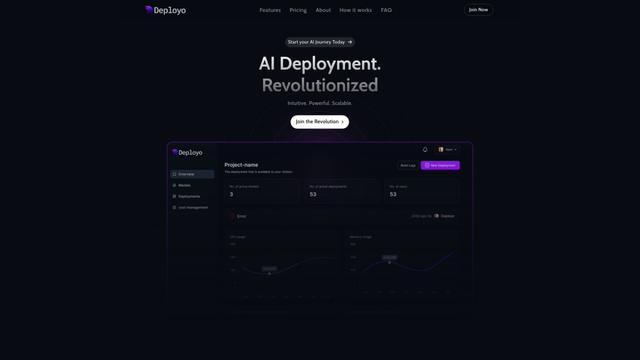
Deployo.ai
Deployo.ai là một nền tảng triển khai AI toàn diện cho phép triển khai mô hình, giám sát và mở rộng một cách liền mạch với các khung AI đạo đức tích hợp và khả năng tương thích đa đám mây.
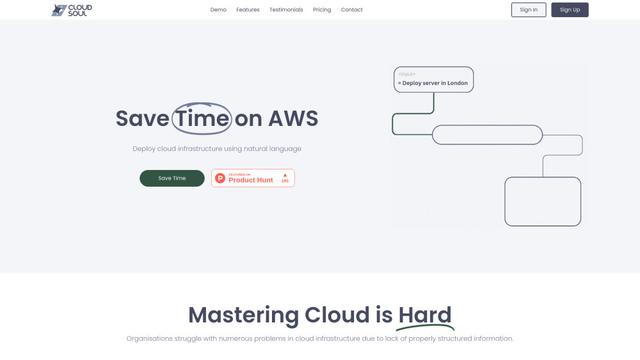
CloudSoul
CloudSoul là một nền tảng SaaS được hỗ trợ bởi AI cho phép người dùng ngay lập tức triển khai và quản lý cơ sở hạ tầng đám mây thông qua các cuộc hội thoại ngôn ngữ tự nhiên, làm cho việc quản lý tài nguyên AWS trở nên dễ tiếp cận và hiệu quả hơn.
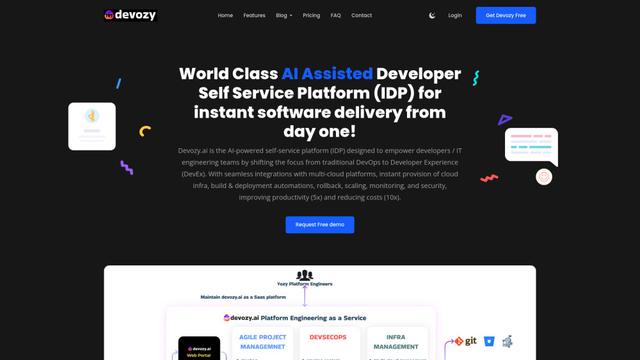
Devozy.ai
Devozy.ai là một nền tảng tự phục vụ cho nhà phát triển được hỗ trợ bởi AI, kết hợp quản lý dự án Agile, DevSecOps, quản lý hạ tầng đa đám mây, và quản lý dịch vụ CNTT thành một giải pháp thống nhất để tăng tốc độ cung cấp phần mềm.
Công cụ AI Phổ biến Giống LLMTest

A2A Protocol
Giao thức A2A (Agent2Agent) là một giao thức tương tác mở được phát triển bởi Google cho phép giao tiếp và cộng tác liền mạch giữa các tác nhân AI trên các khung và nhà cung cấp khác nhau, bất kể kiến trúc cơ bản của chúng.
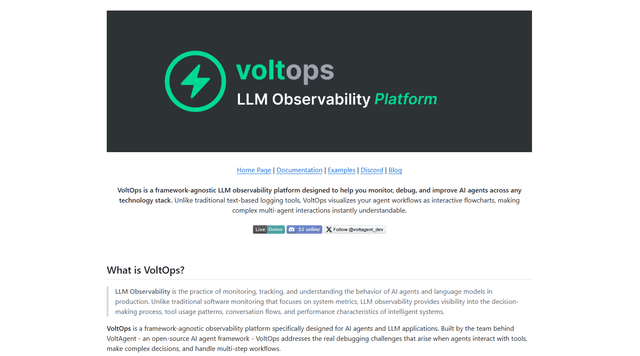
VoltOps
VoltOps là một nền tảng quan sát LLM không phụ thuộc vào khung cung cấp các công cụ giám sát, gỡ lỗi và tối ưu hóa trực quan theo thời gian thực cho các tác nhân AI trên mọi ngăn xếp công nghệ.
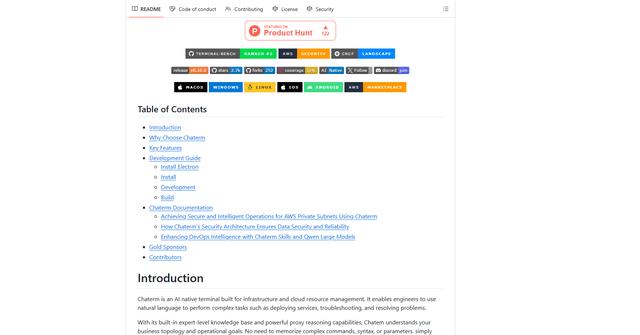
Chaterm
Chaterm là một thiết bị đầu cuối gốc AI mã nguồn mở và trợ lý đồng hành SRE cho phép các kỹ sư quản lý cơ sở hạ tầng phức tạp thông qua ngôn ngữ tự nhiên, tự động hóa việc triển khai, khắc phục sự cố và vận hành mà không cần ghi nhớ các lệnh.
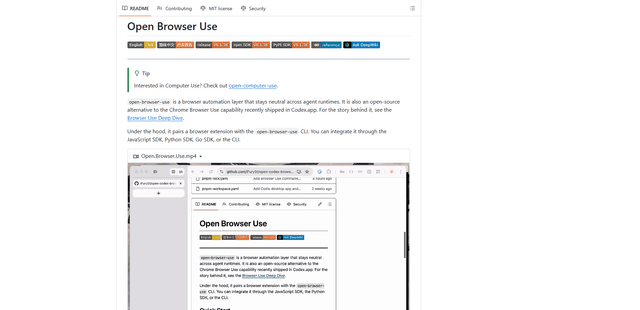
Open Browser Use
Open Browser Use là một lớp tự động hóa trình duyệt mã nguồn mở, trung lập với môi trường chạy tác nhân, kết hợp tiện ích mở rộng Chrome với CLI/SDK/MCP để cho phép kiểm soát tab, điều hướng và hành động dựa trên DOM, được hỗ trợ bởi CDP trên các công cụ tác nhân AI khác nhau.