
Kyro
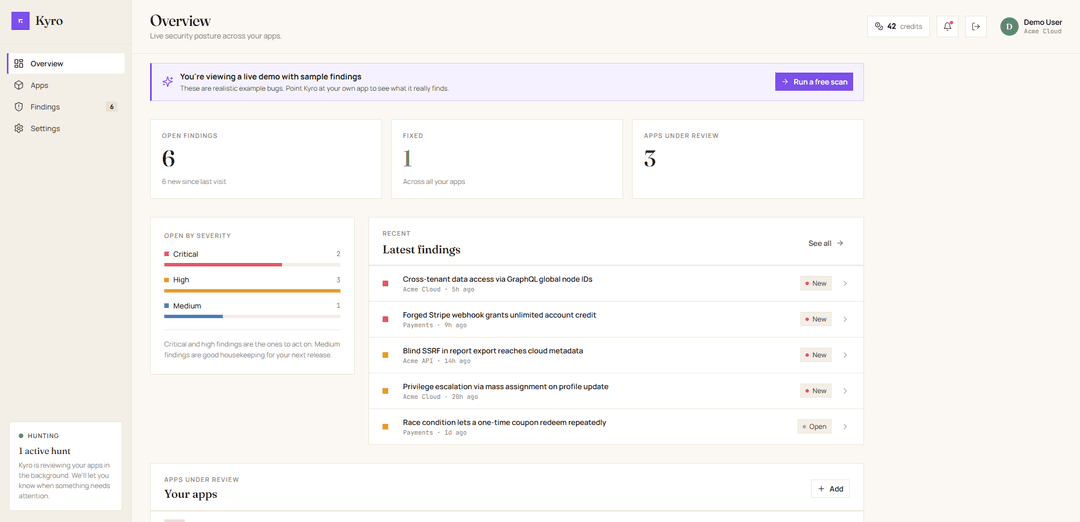
Kyro is an AI-powered platform that helps teams reduce operational friction by automating communication, documentation, and workflow execution—ranging from field reporting and invoicing to structured security findings for SaaS.
https://kyroai.dev/demo?ref=producthunt
Product Information
Updated:Jun 9, 2026
What is Kyro
Kyro is an AI-driven productivity platform positioned across multiple operational use cases, with a strong emphasis on turning unstructured work into structured, reviewable output. In field-service contexts (construction, vegetation management, and storm restoration), Kyro acts as a unified system that connects on-site crews with office staff through mobile-first reporting, document management, and workflow automation. Kyro is also presented as a tool for producing structured outputs in other domains—such as “security findings for your SaaS”—indicating a focus on standardizing and accelerating analysis and reporting where teams typically rely on manual, error-prone processes.
Key Features of Kyro
Kyro (often stylized as KYRO/Kyro AI) is described across sources as an AI-powered platform that improves operational execution and documentation for field-service teams, with a mobile-first workflow for inspections, safety checks, daily reporting, photo-based updates, and centralized document management. It emphasizes real-time visibility (dashboards), offline-ready data capture, and automation/AI assistance (e.g., multilingual voice notes transcription, OCR for forms) to reduce paperwork, close communication gaps between field and office, and support compliance. Sources also mention Kyro in other contexts (e.g., structured AI voice interviews for recruiting), indicating the name is used by multiple products/brands; the features below reflect the KYRO field-operations/construction-management capabilities described in the provided snippets.
Mobile field reporting with photo uploads: Field teams complete safety checks, inspections, and daily reports from iOS/Android devices and attach photos/annotations to provide clear, auditable updates.
Multilingual AI voice notes → structured updates: Crew members can record voice notes in multiple languages that are transcribed into project updates, reducing manual entry and miscommunication.
Centralized document management: A secure, organized repository for critical project files (e.g., blueprints, contracts, compliance docs) to keep everyone working from current versions and prevent costly errors.
OCR and digitization of field paperwork: Optical character recognition helps extract data from documents/forms (e.g., referenced AIA-G702) to streamline reporting and reduce rework.
Offline-ready workflows with automatic sync: Supports work in low-connectivity environments; data captured in the field syncs later to keep projects moving without delays.
Real-time dashboards and operational visibility: Provides live insights into crews, projects, and active work, enabling quicker decisions and better coordination between field and office.
Use Cases of Kyro
Construction site daily logs and compliance: Capture daily reports, safety checks, and photo evidence from the field; store compliance documents centrally for audits and reduced paperwork.
Storm restoration mobilization and tracking: Coordinate rapid field deployment, track progress across multiple crews, and maintain consistent documentation even when teams work offline.
Vegetation management operations: Standardize inspections and work documentation across dispersed crews using mobile forms, photos, and real-time dashboards.
Field-service inspections and PMO reporting: Consultants/inspectors submit structured updates quickly (voice notes + photos), improving reporting quality and reducing turnaround time.
Invoicing and timesheet capture for field teams: Support operational back-office workflows by collecting time and job data from the mobile app to streamline billing and payroll processes.
Pros
Reduces paperwork and communication gaps via mobile-first reporting, photo evidence, and centralized documents.
AI assistance (multilingual voice transcription, OCR) speeds up data capture and improves consistency/accuracy.
Offline capability plus real-time dashboards improves reliability and visibility across distributed operations.
Cons
Brand/name ambiguity in sources ("Kyro" refers to different products in different domains), which can complicate evaluation without a definitive product page/spec.
Effectiveness depends on mobile adoption and consistent field usage; incomplete data capture can still undermine reporting quality.
Integration details are unclear from the provided sources (mentions of "integration arrangements" without specifics).
How to Use Kyro
1) Confirm which “Kyro/KYRO” product you mean: The sources mention multiple products with similar names: (a) KYRO construction/field-service operations platform (mobile app, voice notes, daily reports, invoicing, document management), (b) Kyro for recruiting (structured AI voice interviews), and (c) Kyro — security findings for your SaaS (official site: kyroai.dev). Before you start, verify the correct Kyro by checking your contract, login URL, or the vendor’s onboarding email.
2) Request access / book a demo (common starting point): Use the vendor’s “Book a Demo” or demo page (the official site source is https://kyroai.dev/demo?ref=producthunt). Provide your work email, company, and intended use case so they can provision an account or guide setup.
3) Create your workspace/account: After you receive access, create or join a workspace for your organization. Add basic org details (team name, projects/clients, and roles) so Kyro can structure data and permissions.
4) Invite teammates and set roles: Add users who will participate (e.g., admins, managers, field staff, recruiters, or engineers—depending on the Kyro product). Assign roles so the right people can create records, approve items, and view dashboards.
5) Connect integrations (if available in your Kyro edition): During onboarding, connect the tools Kyro needs to pull/push data. The sources mention “integration arrangements” in KYRO demos; follow the in-app integration setup to link relevant systems (e.g., project files, invoicing workflows, or other operational systems).
6) Set up your core entities (projects/jobs/positions/apps): Create the primary objects you will manage. For KYRO field operations, this typically means creating projects/jobs and associating crews, locations, and required forms. For recruiting Kyro, this means creating roles/positions and defining the screening flow. For SaaS security findings Kyro, this likely means connecting your SaaS environment and defining what constitutes a “finding” and how it’s routed.
7) Configure required data and compliance rules: Enable the checks that prevent missing information. The sources describe “AI alerts ensure required data is never missed” and support for safety checks, inspections, and daily reports. Configure which fields are mandatory, what evidence is required (photos, notes), and who must approve.
8) Use mobile workflows (KYRO field operations): Install the KYRO mobile app (sources state it’s available on Android and iOS). Field teams can complete safety checks, inspections, and daily reports from mobile devices and attach photos for compliance and progress updates.
9) Capture updates with AI voice notes (KYRO field operations): Record voice notes in the field; the sources state KYRO can transcribe multiple languages into project updates. Use voice notes for daily logs, issue reporting, and status updates to reduce manual typing and errors.
10) Manage documents and markups (KYRO field operations): Upload and organize key files (blueprints, contracts, compliance documents). Use document redlining to annotate/markup plans or drawings; the sources say markups become instantly available to all team members across devices.
11) Track time and daily activity (KYRO field operations): Use the platform’s daily log-in/log-out or automatic timer (mentioned in sources) to capture time and activity. Ensure entries are tied to the correct project/job for reporting and invoicing.
12) Generate and send invoices / accelerate financial transactions (KYRO field operations): Use KYRO’s invoicing and financial workflow features (mentioned in sources) to convert approved field documentation (time, materials, photos, reports) into billable records and invoices.
13) Monitor dashboards and real-time visibility (KYRO field operations): Use dashboards for real-time visibility into crews, projects, and active work (mentioned in sources). Review historical insights and inspection history to support decisions and audits.
14) Use offline mode when needed (KYRO field operations): If your KYRO edition supports it (sources mention “Offline-ready – Work anywhere, sync automatically later”), continue capturing reports/photos/notes without connectivity and sync once back online.
15) Run structured AI voice screens (Kyro recruiting product): Configure the role and question set, then invite candidates to complete structured AI voice interviews before the hiring manager stage. The sources emphasize consistent, reviewable output to reduce weak-signal decisions and produce better shortlists.
16) Review outputs and create a shortlist (Kyro recruiting product): Have recruiters/hiring managers review the structured interview outputs (the sources describe them as consistent and audit-friendly). Use the results to decide who advances to live interviews.
17) Triage and route security findings (Kyro — security findings for your SaaS): In the SaaS security findings Kyro edition (official site title), connect your SaaS environment (as supported by the product), then review findings, assign owners, set severity/SLAs, and track remediation status within the workspace.
18) Establish a weekly operating cadence: Create a routine: daily field reporting (or daily candidate screens / daily findings triage), weekly dashboard review, and monthly audits. Use Kyro’s centralized system and real-time collaboration (noted in sources) to keep stakeholders aligned.
Kyro FAQs
Kiro is an agentic AI with an IDE, CLI, and web interface that helps you go from prototype to production by turning prompts into detailed specs and then into working code, docs, and tests.
Popular Articles
Atoms: A Multi-Agent AI Platform That Transforms Ideas into Launch-Ready Products
May 22, 2026

Nano Banana SBTI: What It Is, How It Works, and How to Use It in 2026
Apr 15, 2026

Atoms Review — The AI Product Builder Redefining Digital Creation in 2026
Apr 10, 2026
Kilo Claw: How to Deploy and Use a True "Do‑It‑For‑You" AI Agent(2026 Update)
Apr 3, 2026
Latest AI Tools Similar to Kyro
MultipleWords
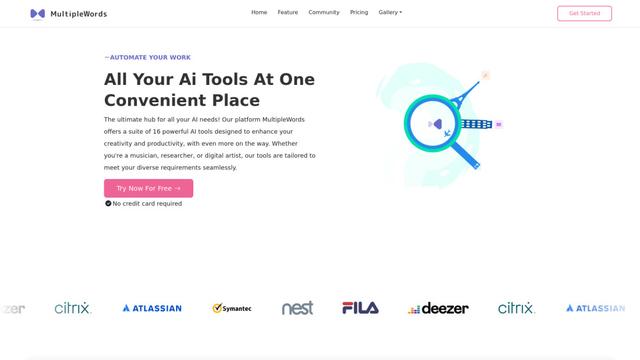
MultipleWords is a comprehensive AI platform offering 16 powerful tools for content creation and manipulation across audio, video, and image editing with cross-platform accessibility.
Athena AI
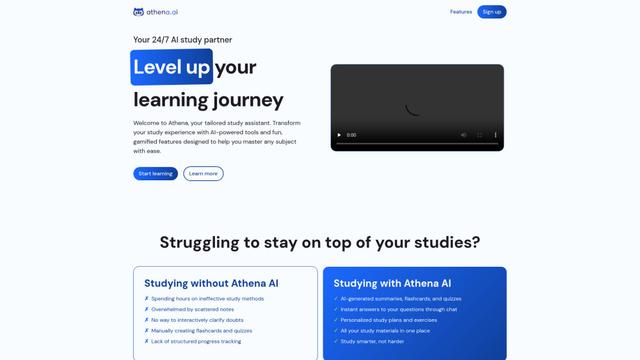
Athena AI is a versatile AI-powered platform offering personalized study assistance, business solutions, and life coaching through features like document analysis, quiz generation, flashcards, and interactive chat capabilities.

Taidai.io
Taidai.io is an AI-powered tool that automatically converts notes, emails, and text content into actionable todo lists.
Repliio
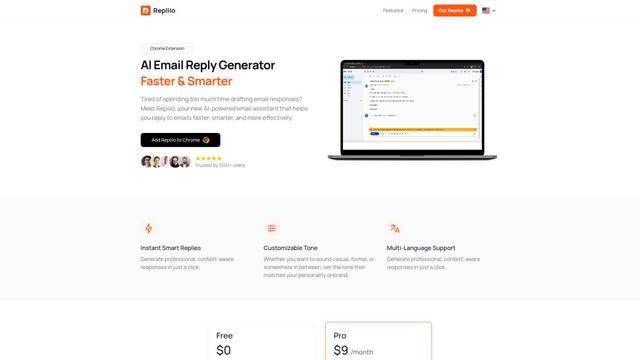
Repliio is an AI-powered email assistant Chrome extension that helps users generate professional, context-aware email responses quickly with customizable tones and multi-language support.
Popular AI Tools Like Kyro
Microsoft Excel: Spreadsheets
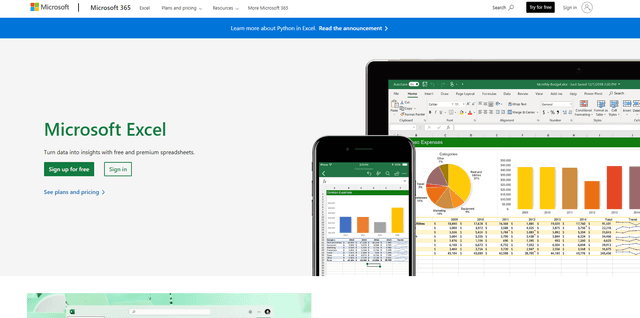
Microsoft Excel is the industry-leading spreadsheet software that allows users to organize, analyze, and visualize data through powerful features like formulas, charts, and AI-powered insights.
Standboy
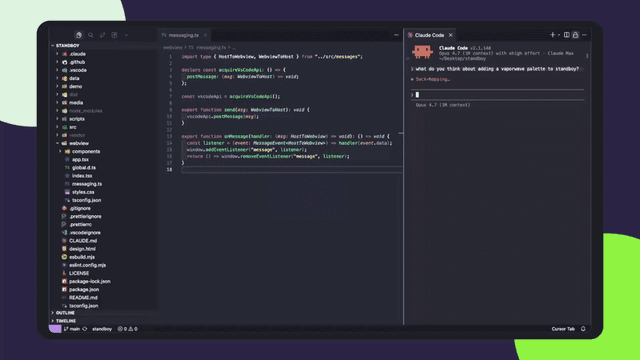
Standboy is a VS Code/Cursor extension that auto-expands a Game Boy (GB/GBC/GBA) emulator in the sidebar during AI agent activity, then auto-hides and pauses—resuming mid-frame next time—while keeping a persistent ROM library, saves, and cover art.
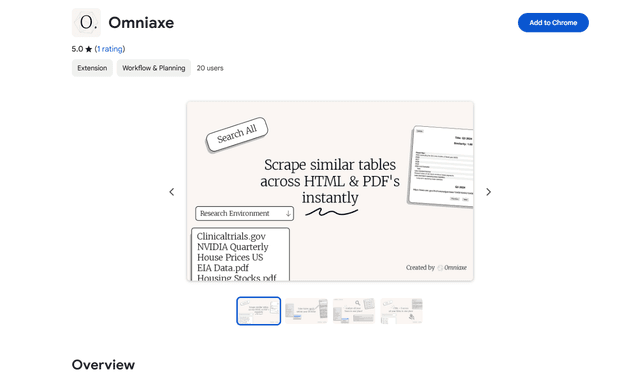
Omniaxe
Omniaxe is an all-in-one Chrome extension research tool that combines seamless data extraction, AI-powered analysis, and centralized note-taking capabilities designed specifically for analysts, researchers and students.
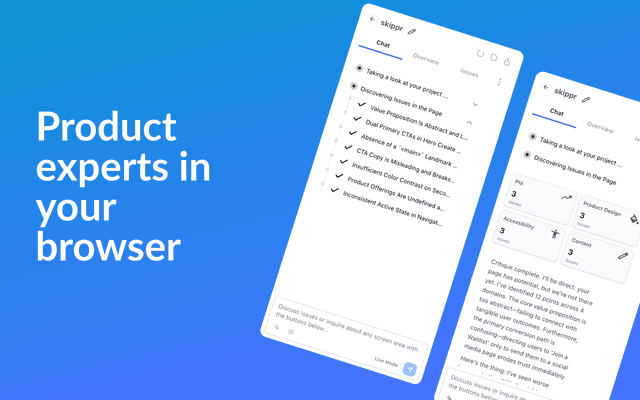
Finesse by Skippr AI
Finesse by Skippr AI is a browser extension that provides instant, expert-level product feedback and critiques across design, content strategy, accessibility, and product direction through specialized AI reviewers.