
Clovr
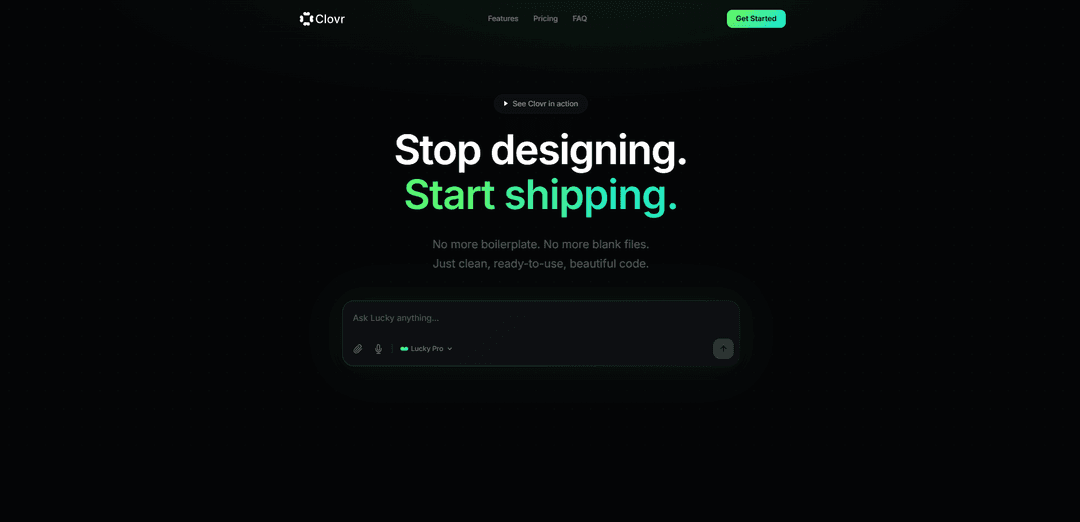
Clovr is an AI-powered frontend development tool that transforms simple prompts into production-ready Next.js applications with complete project architecture, beautiful UI components, and agent-ready code in seconds.
https://clovr.dev/?ref=producthunt
Product Information
Updated:Apr 10, 2026
What is Clovr
Clovr is a revolutionary frontend development platform designed to eliminate the tedious setup and boilerplate coding that typically slows down web development. Unlike traditional code generators that output single-file code dumps, Clovr creates complete, production-ready Next.js applications with proper project structure, routing, layouts, and reusable components. The platform focuses on helping developers and teams skip the initial scaffolding phase and jump straight into building unique product features. With its AI-powered approach, Clovr generates polished, beautiful user interfaces that follow modern design principles and best practices, making it the fastest way to go from idea to production frontend.
Key Features of Clovr
Clovr is an AI-powered frontend development tool that transforms simple text prompts into production-ready, fully-structured Next.js applications. Rather than generating basic boilerplate code, Clovr creates complete project architectures with proper routing, layouts, reusable components, and polished UI designs. The platform is built for speed and collaboration, enabling developers to quickly scaffold applications that are ready for AI coding agents like Cursor or Claude to continue building upon. With export flexibility to GitHub, Vercel, or local download, Clovr bridges the gap between initial concept and deployable code.
Real Project Architecture: Generates complete Next.js applications with proper directory structure, routing conventions, layouts, and organized component hierarchy instead of single-file code dumps.
Agent-Ready Output: Creates scaffolds specifically designed for seamless handoff to AI coding assistants like Cursor, Claude Code, or Codex, enabling continuous development workflow.
Beautiful Default Design: Ships polished UI components with clean typography, proper spacing, and thoughtful design defaults built-in, eliminating the need for initial styling work.
Component-First Architecture: Structures projects with isolated, reusable components from the start, avoiding monolithic page structures that require later refactoring.
Flexible Export Options: Allows developers to download projects locally, push directly to GitHub repositories, or deploy to Vercel, providing complete control over project ownership and deployment.
Prompt-to-Production Speed: Transforms a single sentence prompt into a complete, ready-to-use frontend scaffold in seconds, dramatically accelerating the initial development phase.
Use Cases of Clovr
Rapid MVP Development: Startups and entrepreneurs can quickly generate production-ready frontend scaffolds for minimum viable products, allowing them to validate ideas and ship faster without spending days on initial setup.
AI-Assisted Development Workflow: Development teams using AI coding assistants can leverage Clovr to create initial project structures that AI agents can seamlessly continue building upon, creating an efficient human-AI collaboration pipeline.
Agency Client Projects: Web development agencies can accelerate client project kickoffs by generating customized, polished frontend scaffolds based on client requirements, reducing billable hours on boilerplate work.
Prototyping and Design Handoff: Product designers and UX teams can quickly create functional prototypes with real code architecture, facilitating better communication with development teams and stakeholders.
Internal Tool Development: Companies building internal dashboards, admin panels, or business tools can rapidly scaffold these applications with proper structure and components, accelerating internal software delivery.
Educational Projects: Students and coding bootcamp participants learning modern web development can study well-structured Next.js projects and understand best practices for component architecture and project organization.
Pros
Dramatically reduces time from concept to working code by eliminating manual boilerplate setup
Generates production-quality architecture with proper conventions and reusable components
Seamlessly integrates with popular AI coding assistants for continuous development
Ships with polished, beautiful UI designs out of the box
Cons
Limited to Next.js framework, may not suit developers working with other frontend technologies
Generated code structure may require learning curve for developers unfamiliar with the conventions used
Customization options for initial scaffold generation may be limited compared to manual setup
Dependency on AI-generated architecture may not always align with specific project requirements or team standards
How to Use Clovr
1: Visit the Clovr website at https://clovr.dev and click 'Get Started' to access the application at https://app.clovr.dev
2: Write a simple sentence or prompt describing what you want to build. For example, describe the type of frontend application, dashboard, or website you need.
3: Clovr's AI (Lucky) will generate a complete project scaffold with proper Next.js architecture, including routing, layouts, components, and directory structure - not just boilerplate code.
4: Review the generated project structure, which includes organized folders like app/, components/, with files like layout.tsx, page.tsx, and reusable component files.
5: Export your project using one of the available options: download the project files directly, push to GitHub, or deploy to Vercel.
6: (Optional) Hand off the generated scaffold to AI coding agents like Claude Code, Cursor, or Codex to continue building and extending the application with additional features.
Clovr FAQs
Clovr is an AI-powered frontend code generation tool that creates production-ready, beautiful web applications from simple text prompts. It outputs real project architecture with proper Next.js structure, including routing, layouts, and directory conventions—not just boilerplate or single-file code dumps. Users can go from a single sentence prompt to a complete, polished frontend scaffold in seconds.
Popular Articles

Atoms: A Multi-Agent AI Platform That Transforms Ideas into Launch-Ready Products
May 22, 2026

Nano Banana SBTI: What It Is, How It Works, and How to Use It in 2026
Apr 15, 2026

Atoms Review — The AI Product Builder Redefining Digital Creation in 2026
Apr 10, 2026

Kilo Claw: How to Deploy and Use a True "Do‑It‑For‑You" AI Agent(2026 Update)
Apr 3, 2026
Latest AI Tools Similar to Clovr
GPT Easy Web
GPT Easy Web is a user-friendly AI-powered platform that enables users to easily build, customize and manage websites through natural language interactions and automated tools without requiring coding knowledge.

AI Website Tool
AI Website Tool is an AI-powered website builder that creates professional websites in minutes by automatically generating business-focused copy, custom visuals, and responsive designs with just a few clicks.
Softgen
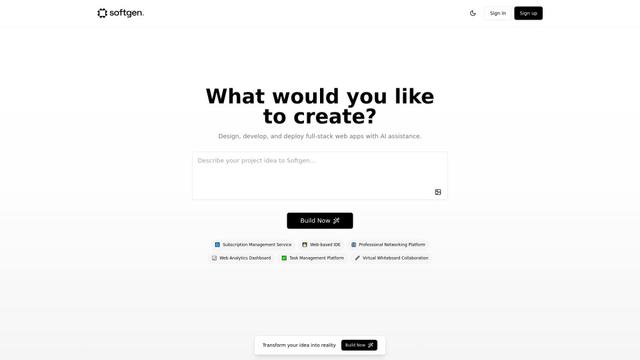
Softgen.ai is an AI-powered full-stack project generator platform that enables users to transform their ideas into functional web applications without coding requirements.
Webifier
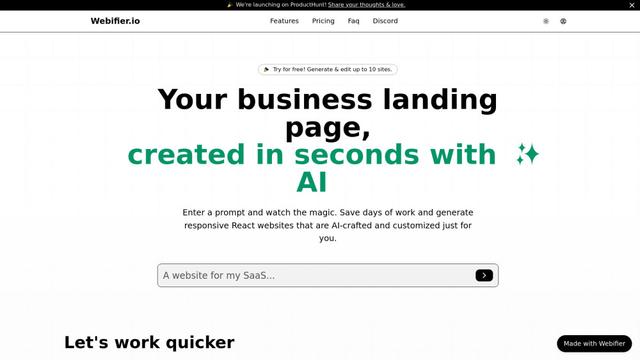
Webifier is an AI-powered tool that transforms text prompts into fully functional React landing pages with clean, exportable code using NextJS14, TailwindCSS, and Shadcn components.
Popular AI Tools Like Clovr
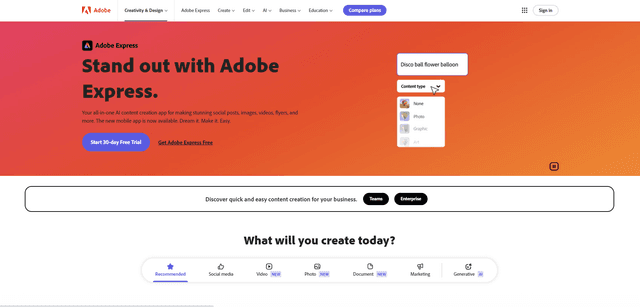
Adobe Express
Adobe Express is an all-in-one AI-powered content creation app for easily making stunning social posts, images, videos, flyers, and more with professionally designed templates and assets.
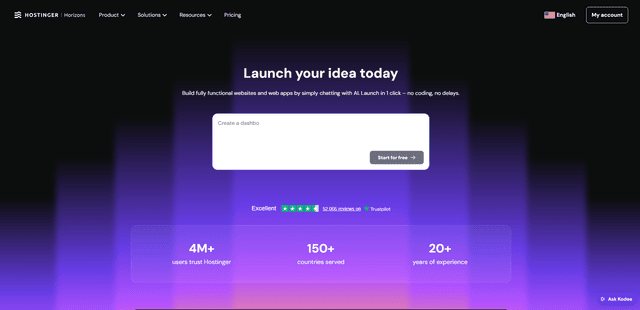
Hostinger
Hostinger is a web hosting and domain service provider offering AI-powered tools like Horizons that enables anyone to build, edit, and publish custom web apps and websites without coding through a simple chat interface.
GPT Engineer
GPT Engineer is an AI-powered software development tool that enables anyone to build web applications by chatting with an AI engineer.
Manus Shopify Connector
Manus Shopify Connector lets you build a Shopify-backed storefront, manage your catalog, and generate data-driven campaigns from a single chat—using Shopify APIs with OAuth-scoped access and Shopify checkout.