
Agent Card
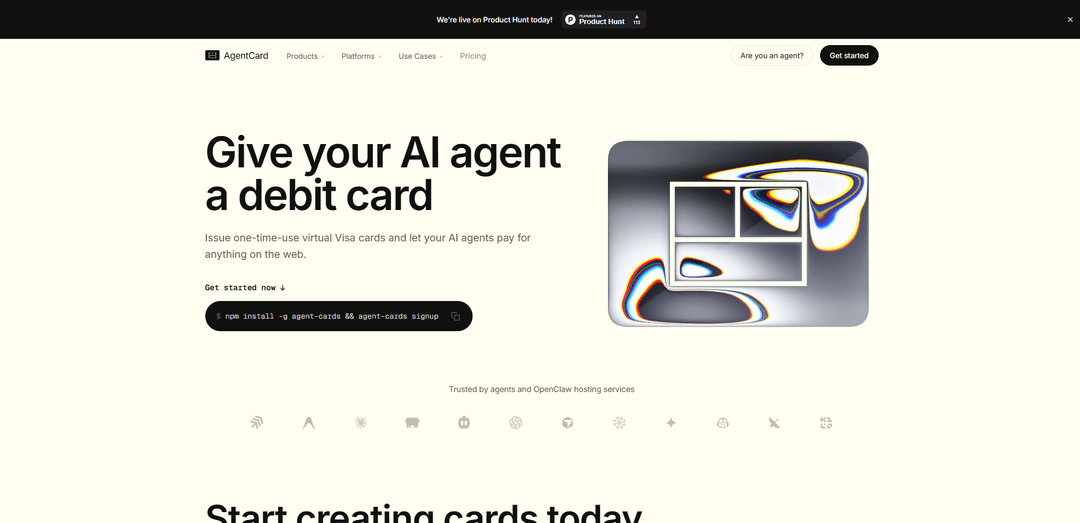
Agent Card refers to both a JSON-based interoperability standard for AI agent discovery in the Agent-to-Agent (A2A) protocol and a fintech product that provides prepaid virtual Visa cards enabling AI agents to make autonomous purchases online.
https://agentcard.sh/?ref=producthunt
Product Information
Updated:May 8, 2026
What is Agent Card
Agent Card has two distinct meanings in the AI ecosystem. First, it's a standardized JSON document that serves as a digital business card for AI agents, typically hosted at .well-known/agent-card.json, containing metadata about an agent's capabilities, skills, authentication requirements, and interaction endpoints. This specification, part of Google's Agent-to-Agent (A2A) protocol co-developed with over 50 technology partners, enables seamless discovery and collaboration between AI agents from different vendors and frameworks. Second, AgentCard (as a product from agentcard.sh) is a fintech solution that issues one-time-use prepaid virtual Visa cards specifically designed for AI agents to make purchases on the web. These cards integrate with AI systems through MCP (Model Context Protocol) tools and CLI interfaces, allowing agents to autonomously handle payments while maintaining human oversight and security controls.
Key Features of Agent Card
AgentCard is a dual-purpose platform that serves two distinct functions: (1) A financial infrastructure service that provides virtual prepaid Visa/Mastercard capabilities for AI agents, allowing them to make autonomous purchases online with human-in-the-loop approval, spend limits, and one-time-use security features; and (2) A standardized JSON-based protocol specification (part of the Agent-to-Agent/A2A ecosystem) that acts as a digital business card for AI agents, describing their capabilities, skills, endpoints, and authentication requirements to enable interoperability and discovery between different AI agents and systems.
One-Time Virtual Cards: AI agents can create single-use virtual Visa cards on demand that self-destruct after 7 days or one transaction, ensuring isolated and traceable payments with automatic hold releases for unused cards.
Human-in-the-Loop Approvals: Every card creation and transaction requires human approval via email or notification, maintaining control over autonomous agent spending while preventing unauthorized purchases.
Standardized Agent Discovery Protocol: JSON-based Agent Card specification that describes an agent's capabilities, skills, endpoints, and authentication requirements, enabling automatic discovery and interaction between agents in the A2A ecosystem.
No Pre-Funding Required: Uses payment method holds instead of pre-funding, charging only when cards are actually used, with automatic release of unused holds to minimize financial risk.
Multi-Platform Integration: Available through CLI, MCP (Model Context Protocol) server, Chrome extension, and API, allowing seamless integration with various AI agent frameworks like Claude, Cursor, Cline, and GitHub Copilot.
Organizational Card Management: API for companies to create and manage cards on behalf of users, with isolated cardholder identities, KYC compliance, dashboard monitoring, and webhook notifications for every transaction.
Use Cases of Agent Card
Autonomous Software Development: AI coding agents like Claude Code, Cursor, or Cline can automatically purchase API access, cloud services, development tools, and software subscriptions needed during the development process without manual intervention.
Multi-Agent System Integration: Organizations building agent ecosystems use Agent Card protocol for agent discovery and interoperability, allowing different AI agents from various vendors to automatically find, authenticate, and collaborate with each other.
E-commerce and Procurement Automation: AI agents can autonomously handle purchasing tasks like restocking inventory, renewing subscriptions, ordering supplies, or buying products online with separate budget controls for different spending categories.
SaaS Platform Payment Infrastructure: Companies like KiloCode integrate AgentCard API to enable their users' AI agents to make payments, eliminating the need to build custom card infrastructure while maintaining full control and compliance.
Marketing and Ad Spend Management: Marketing agents can manage advertising budgets across platforms with isolated cards for different campaigns, ensuring ad spend cannot access other budget categories like API billing.
Agent Marketplace and Service Discovery: Developers publish Agent Cards to registries or decentralized networks (IPFS, blockchain) to make their AI agents discoverable, enabling a self-organizing agent economy where services can find and invoke each other.
Pros
Strong security model with one-time cards, human approval gates, and automatic 7-day expiration prevents overspending and unauthorized transactions
Dual-purpose platform serving both financial infrastructure and agent interoperability needs in the AI ecosystem
No pre-funding required with hold-based system reduces financial risk and improves cash flow
Comprehensive integration options (CLI, MCP, API, Chrome extension) support multiple AI agent frameworks and use cases
Cons
Limited card allowances in free tier (5 cards/month, $50 limit) may be restrictive for active agent deployments
Human-in-the-loop approval requirement, while secure, may slow down time-sensitive autonomous operations
Relatively new platform with potential adoption challenges as AI agent payment infrastructure is still emerging
Confusion potential between two distinct 'AgentCard' concepts (payment cards vs. protocol specification) may require clarification for users
How to Use Agent Card
1. Install the AgentCard CLI: Open your terminal and run: npm install -g agent-cards. This installs the AgentCard command-line interface globally on your system.
2. Sign up for an AgentCard account: Run: agent-cards signup or npx agent-cards signup. This creates your account and generates authentication credentials stored in ~/.agent-cards/config.json.
3. Set up MCP integration (for AI agents): Connect AgentCard to your AI agent using one of two methods: Option A - Run: agent-cards setup-mcp (automatic configuration for Claude Code). Option B - Manually add the MCP server configuration to your client with the URL https://mcp.agentcard.sh/mcp and your JWT token from the config file.
4. Restart your AI agent session: After setting up MCP, restart your AI agent (Claude Code, Cursor, etc.) so the MCP tools load properly and become available to the agent.
5. Create a virtual card: Use the CLI command to create a card: agent-cards create [amount]. This opens a browser payment page where you approve the hold amount. Once payment clears, the full card details (PAN, CVV, expiry) are displayed.
6. Provide card details to your agent: Give the virtual card number, expiry date, and CVV to your AI agent. The agent can now use these details to make purchases on any website that accepts Visa.
7. Monitor card usage: Track your cards using: agent-cards list to see all active cards with IDs, last-four digits, and balances. Use agent-cards balance [card-id] to check remaining funds on a specific card.
8. Close cards when done: Permanently close a virtual card using: agent-cards close [card-id]. This releases any held funds back to your payment method. Unused cards automatically self-destruct after 7 days.
9. (For companies) Create an organization: If building a product for multiple users, run: agent-cards-admin orgs create. This generates API keys and a dashboard to manage cards created on behalf of your users.
10. (For companies) Create cardholders for users: Use the API to create individual cardholder identities for each of your users, ensuring KYC compliance and transaction isolation between users.
11. (For companies) Enable agent card creation: Configure your users' agents to issue single-use cards on demand through the API, with spending limits and controls you define.
12. (For companies) Monitor and control: Use the dashboard or webhooks to monitor every card, transaction, and hold across all your users' agents in real-time.
Agent Card FAQs
AgentCard is a service that allows AI agents to make payments by issuing one-time-use virtual Visa debit cards. It enables agents to pay for anything on the web while maintaining security and control through features like human-in-the-loop approvals and automatic card expiration.
Agent Card Video
Popular Articles

Vosko AI: Localize and Dub Videos for Global Audiences
Oct 15, 2026

Atoms: A Multi-Agent AI Platform That Transforms Ideas into Launch-Ready Products
Oct 13, 2026

Nano Banana SBTI: What It Is, How It Works, and How to Use It in 2026
Apr 15, 2026

Atoms Review — The AI Product Builder Redefining Digital Creation in 2026
Apr 10, 2026
Latest AI Tools Similar to Agent Card
Sweet Justice AI
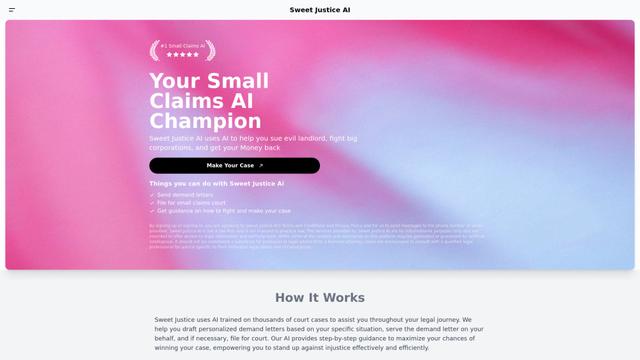
Sweet Justice AI is an AI-powered legal assistance platform that helps individuals fight against landlords, corporations, and unfair practices through automated demand letters, small claims court filings, and step-by-step legal guidance at an affordable price.
BlacktoothAI
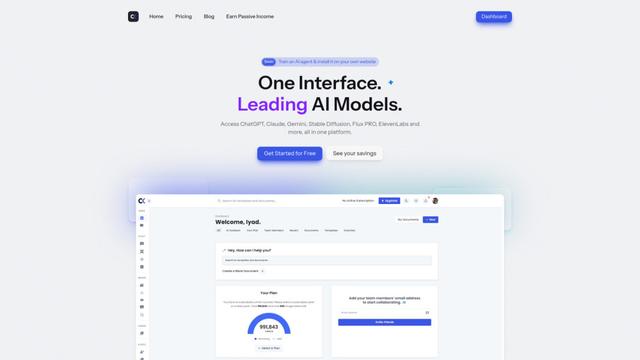
BlacktoothAI is an all-in-one AI platform that provides access to multiple leading AI models like ChatGPT, Claude, Gemini, and Stable Diffusion through a single unified interface for content generation, image creation, and productivity enhancement.
aiworkflow.tools
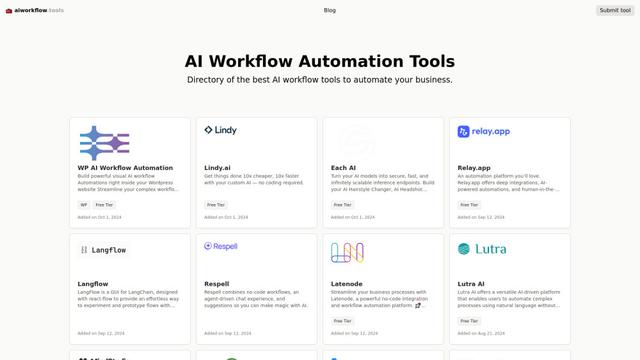
AIworkflow.tools is a comprehensive directory and comparison platform showcasing the best AI workflow automation tools to help businesses streamline their processes and boost productivity.

Dang.ai
FreemiumAI Tools Directory
Dang.ai is a comprehensive directory of AI tools and services, featuring over 5000 AI tools across various categories.
Popular AI Tools Like Agent Card
Copy as Markdown for AI
A Chrome extension that instantly converts web content into clean, structured Markdown format with one click, optimized for AI platforms like ChatGPT, Claude, and other LLMs.
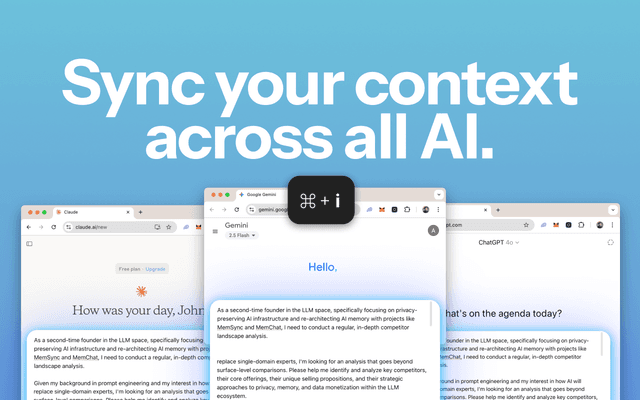
MemSync
MemSync is a Chrome extension that creates a unified memory layer across AI platforms like ChatGPT, Claude, and Grok by securely aggregating user interactions to enable personalized and contextual AI conversations.
Promptify
Promptify is a self-adapting Chrome extension that automatically transforms simple prompts into powerful, context-rich instructions for AI models like ChatGPT, Gemini, and Claude by learning from user behavior and personalizing enhancements.

Scroll
Scroll is a Chrome extension that generates a clickable table of contents for AI conversations in ChatGPT, Claude, and Gemini, enabling instant navigation and efficient conversation management.