Wan 3.0
WAN 3.0 AI Video Generator on Fooocus is an AI video creation tool for generating and refining videos from text prompts, images, and visual references. It supports text-to-video, image-to-video, reference-guided video generation, natural-language editing, camera movement control, and scene consistency.
https://fooocus.one/wan-30?utm_source=aipure
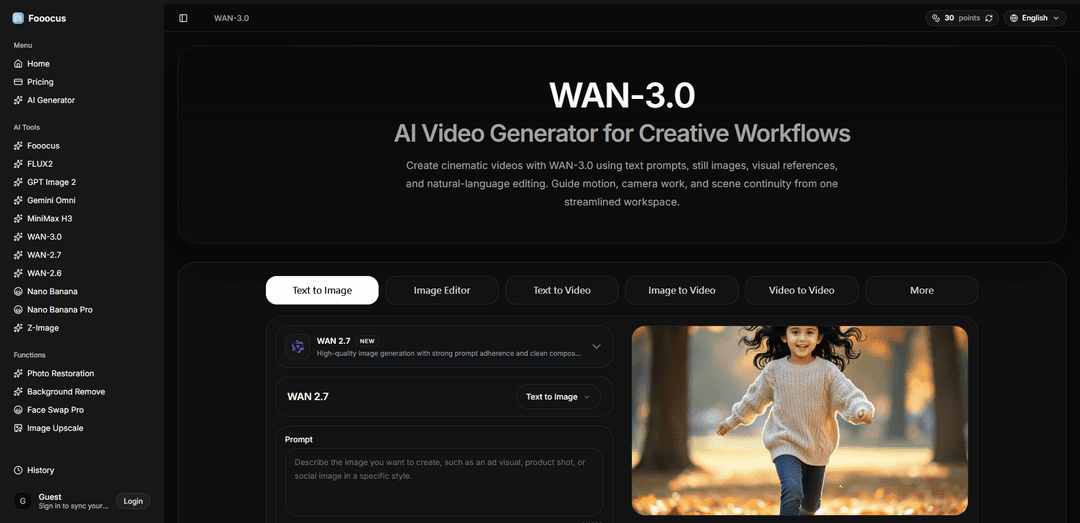
Product Information
Updated:Aug 15, 2026
Wan 3.0 Monthly Traffic Trends
Wan 3.0 received 203.0k visits last month, demonstrating a Slight Growth of 16.8%. Based on our analysis, this trend aligns with typical market dynamics in the AI tools sector.
View history trafficWhat is Wan 3.0
Wan 3.0 is a next-generation AI video generation model available via cloud platforms under the model identifier wan3.0-video. It's designed to move beyond short, silent clips by producing longer, more coherent videos (up to 30 seconds) in one continuous generation run, while also supporting multimodal inputs such as text prompts, images, audio, and video. A standout addition is its Omni-Reference capability, which can ingest documents (e.g., PPT/XLS/PDF/Markdown) and webpages as source material, enabling workflows like report-to-video, product-sheet-to-ad, and webpage-to-promo without manually rewriting everything into a prompt.
Key Features of Wan 3.0
Wan 3.0 is a multimodal AI video model aimed at producing longer, more coherent clips and more controllable outputs than prior Wan releases. Its headline capability is generating up to 30 seconds of video in a single run with smart duration that matches clip length to the prompt, enabling continuous camera moves and fewer stitching artifacts. It also expands inputs beyond text/images to include audio/video references and—distinctively—documents and webpages (Omni-Reference / document-to-video), and can generate audio in the same pass as the picture, supporting more complete, production-style deliverables.
30-second single-run generation (smart duration): Generates up to 30 seconds in one run, with intelligent duration control that avoids padding short prompts—useful for continuous takes and reducing multi-clip stitching.
Native audio with the video: Produces audio alongside visuals in the same generation pass, so outputs can come back as scored/voiced clips rather than silent footage.
Omni-Reference / document-to-video inputs: Accepts documents and structured files (e.g., doc/xls/ppt/pdf/md) and even webpages by URL, reading the content and turning it into a video sequence—positioned as an industry-first input surface.
Multimodal reference control: Supports using mixed references (text plus images/video/audio and documents) to anchor subject, style, motion, or content, improving controllability for specific creative requirements.
Improved subject/scene consistency: Emphasizes steadier character/prop/scene continuity across a longer clip, addressing common drift issues in earlier short-form video generation.
Unified creation + instruction-based editing workflow: Combines text-to-video, image-to-video, reference-guided creation, and natural-language editing/refinement into a single workflow for iterative production.
Use Cases of Wan 3.0
30-second brand spots and product ads: Create a full broadcast-style or social ad unit (opening, product moment, closing frame) inside one generation, reducing continuity issues and post stitching.
Document-to-video explainers for business reporting: Turn decks, PDFs, and spreadsheets into short narrated/illustrated video summaries for internal updates, investor comms, or sales enablement.
Social content and creator storytelling: Generate complete short scenes (Reels/Shorts/TikTok length) with coherent action and camera movement, leveraging references to keep a consistent look.
Concept previsualization and storyboards: Rapidly prototype cinematic concepts with specified camera moves, lighting, and pacing, then iterate via instruction-based edits and references.
Education and training micro-lessons: Convert text-heavy training materials (handbooks, PDFs, slide decks) into short video modules with visuals and audio for faster consumption.
Webpage-to-video marketing repurposing: Ingest a product page or campaign landing page by URL and generate a short promotional clip that reflects the page's key content and structure.
Pros
Longer single-run clips (up to 30s) reduce stitching and enable continuous camera language.
Omni-Reference/document-to-video and webpage inputs expand control and unlock report/deck-to-video workflows.
Audio generated with the visuals supports more complete deliverables from one pass.
Cons
A longer duration is not a license for overly complex prompts; multi-beat scenes still require careful staging and clarity to avoid muddled results.
Pricing/availability details can vary by platform/provider; some widely repeated claims in search results may not match official specs and should be verified per endpoint/terms.
Generation can take several minutes and is sensitive to clip length, resolution, and platform traffic.
How to Use Wan 3.0
1) Pick the right generation mode for your source: Decide how you want to drive Wan 3.0: Text-to-Video (pure prompt), Image-to-Video (animate a still), First Frame / First & Last Frame (constrain start/end), or Reference-to-Video (use multiple references to lock look/motion). Choose the mode that matches what you already have (script-only vs. product photo vs. character reference vs. existing clip).
2) Set your target duration and aspect ratio up front: Choose a duration between ~3 and 30 seconds. Wan 3.0's headline capability is up to 30 seconds in a single pass, so plan the scene as one continuous take (or a short sequence) that can fit inside that time budget. Pick an aspect ratio (e.g., 16:9, 9:16) appropriate for where you'll publish.
3) Gather references (optional, but recommended for consistency): Upload or attach references only if they have a job: character identity, product appearance, location, motion, or audio. Wan 3.0 supports mixed references (images, video, audio) and can also read a document or webpage as source material (Omni-Reference / document-to-video). Keep reference video short: in Reference-to-Video, total reference video duration should be ≤15 seconds, because input + output must stay within the 30-second limit.
4) If using document-to-video, provide the doc or URL and define the output intent: Attach one document (or provide a webpage URL, depending on the interface) and tell Wan 3.0 what to produce from it: the audience, tone, and what must appear on screen. This is designed for turning static, text-heavy material (docs/sheets/decks/pdfs/webpages) into a short video sequence without rewriting everything manually.
5) Write a structured prompt (shot first, then details): Use a clear hierarchy so the model knows what to protect across a long take: (a) shot + subject, (b) camera, (c) setting + lighting, (d) action, (e) timing/beat plan, (f) audio layers, (g) what must stay fixed, (h) exclusions. Lead with the shot and camera, then wardrobe/props, then mood/style. Prefer directional lighting instructions (e.g., low-key from screen left) over vague adjectives.
6) Keep one main action per take (don't overload the 30 seconds): Treat 30 seconds as a time budget, not permission for a huge prompt. Pick one core action and let it evolve over time. If you need multiple events, stage them as simple beats (e.g., 0–10s, 10–20s, 20–30s) rather than unrelated actions competing at once.
7) Direct the camera explicitly: Specify camera position and movement in film language: tracking shot, slow push-in, pan, orbit 360, crane, follow shot, etc. If your tool offers camera movement presets, choose one and reinforce it in the prompt. For 30-second clips, continuous camera language is a major quality lever—state the move and keep it consistent.
8) Lock what must remain consistent across the whole clip: Add explicit must stay fixed constraints so the planner defends them over time: character identity (face/features), wardrobe colors, product label/logo legibility, location continuity, and key props. Example constraint style: The logo stays legible throughout; bottle shape and label design do not change.
9) Plan audio in the same pass (dialogue + ambience + music): Wan 3.0 can generate audio with the picture in one pass, so describe audio layers: dialogue lines (and who speaks), ambient sound (room tone, city rain, crowd), and music (genre, intensity, when it swells). If you provide an audio reference, state its role (narration, timing guide, or style reference).
10) Add a negative prompt only when you see recurring artifacts: Use a Negative Prompt to exclude problems like blurry, low quality, deformed hands, unreadable text, warped logos when they appear. Avoid overstuffing negatives at the start; add them as targeted fixes after you observe issues.
11) Generate a short test first, then scale to 30 seconds: For faster iteration, start with a shorter duration and/or lower resolution if your interface allows it, validate the subject, camera move, and continuity, then rerun at full length. This reduces wasted time when you're still discovering the best wording and reference mix.
12) Iterate by changing one variable per run: Adjust one element at a time (camera move, lighting direction, action timing, a single reference, or one constraint). This makes it clear what improved the result and helps you converge on a stable prompt for repeatable outputs.
13) Use instruction-based editing / natural-language edits when available: If your Wan 3.0 interface supports instruction-based editing, describe the change you want while preserving the rest (e.g., keep the same character and framing; change lighting to golden hour; reduce camera shake; make on-screen text cleaner). This is useful for refining without rebuilding the whole scene.
14) Extend or continue only after you have a strong base clip: Once you get a clip with good continuity, use continuation/extend tools (if provided by your platform) to build longer sequences. Start from your best take so identity, lighting, and motion remain stable.
15) Review for continuity, text legibility, and audio coherence before exporting: Scrub the full clip and check: character drift, prop/logo stability, camera smoothness, and whether any on-screen text stays readable. Confirm dialogue timing and that ambience/music match the scene. Then export/download in the highest quality your platform offers and proceed to any final timeline assembly or titling in your editor if needed.
Wan 3.0 FAQs
Wan 3.0 is a next-generation AI video-generation model. It is positioned as an all-in-one generation and editing video model.
Popular Articles

Atoms: A Multi-Agent AI Platform That Transforms Ideas into Launch-Ready Products
May 22, 2026

Nano Banana SBTI: What It Is, How It Works, and How to Use It in 2026
Apr 15, 2026

Atoms Review — The AI Product Builder Redefining Digital Creation in 2026
Apr 10, 2026

Kilo Claw: How to Deploy and Use a True "Do‑It‑For‑You" AI Agent(2026 Update)
Apr 3, 2026
Analytics of Wan 3.0 Website
Wan 3.0 Traffic & Rankings
203K
Monthly Visits
#188317
Global Rank
#880
Category Rank
Traffic Trends: Jul 2024-Jun 2025
Wan 3.0 User Insights
00:01:21
Avg. Visit Duration
2.65
Pages Per Visit
40%
User Bounce Rate
Top Regions of Wan 3.0
IN: 15.3%
BR: 13.17%
US: 12.95%
ES: 4.25%
IT: 4.16%
Others: 50.17%
Latest AI Tools Similar to Wan 3.0
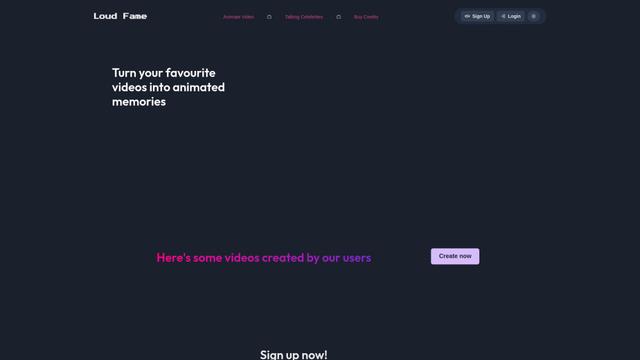
Loud Fame
Loud Fame is an AI-powered video transformation tool that allows users to convert regular videos into anime-style animations and create AI-generated celebrity talking videos.

BizBoom.ai
BizBoom.ai is an AI-powered platform that automatically generates professional product videos from product links and images with 95% less cost.
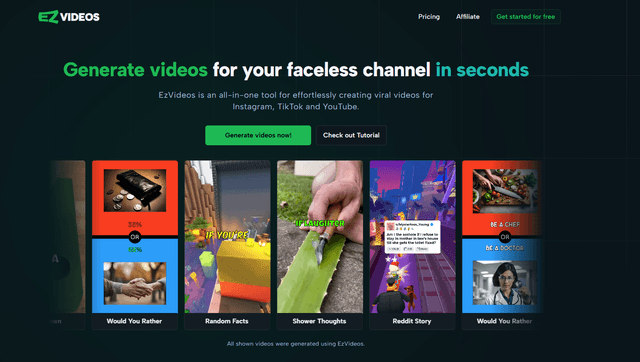
EzVideos
EzVideos is an all-in-one video creation tool that helps users generate viral videos for social media platforms like Instagram, TikTok, and YouTube with automated editing features and built-in resources.
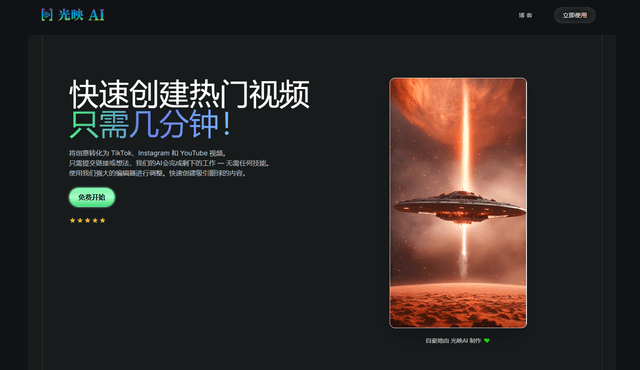
Illuminix
Illuminix is an AI-powered platform that empowers businesses with autonomous hyper-experts and specialized tools for automated business processes, data management, and video content creation.
Popular AI Tools Like Wan 3.0
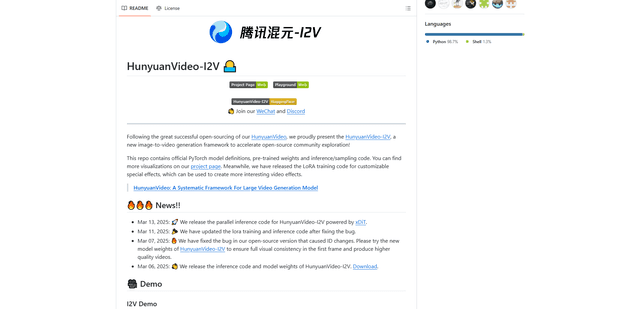
HunyuanVideo-I2V
HunyuanVideo-I2V is an open-source AI framework developed by Tencent that transforms static images into high-quality, dynamic videos with customizable motion effects and exceptional visual consistency.
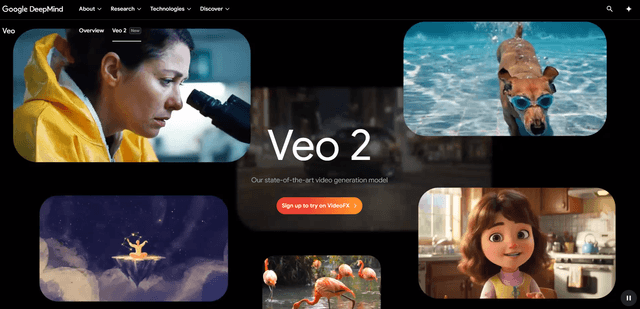
Google Veo 2
Veo 2 is Google DeepMind's state-of-the-art AI video generation model that can create high-quality videos up to 4K resolution with realistic motion, extensive camera controls, and improved physics simulation from text prompts.
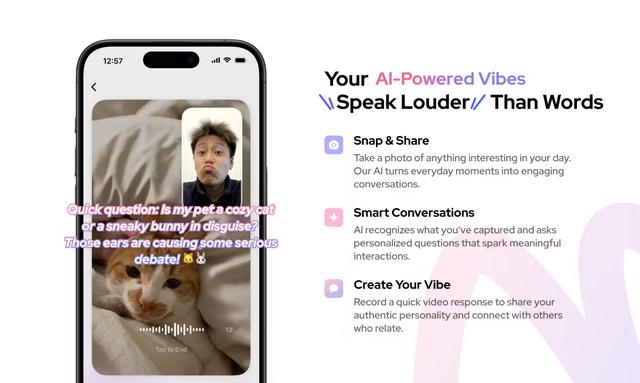
Vibing
Vibing is an AI-powered dating app that helps users share authentic moments through video stories and make genuine connections based on personality matching and interactive features.
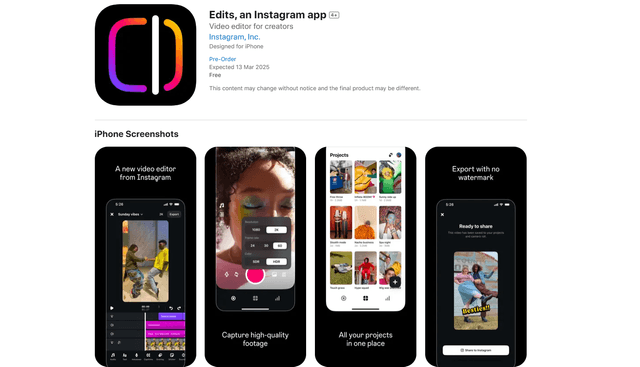
Edits, an Instagram app
Edits is Instagram's free video creation app that provides creators with professional editing tools, AI features, and analytics capabilities to create high-quality videos directly from their phones.