
Sonarly
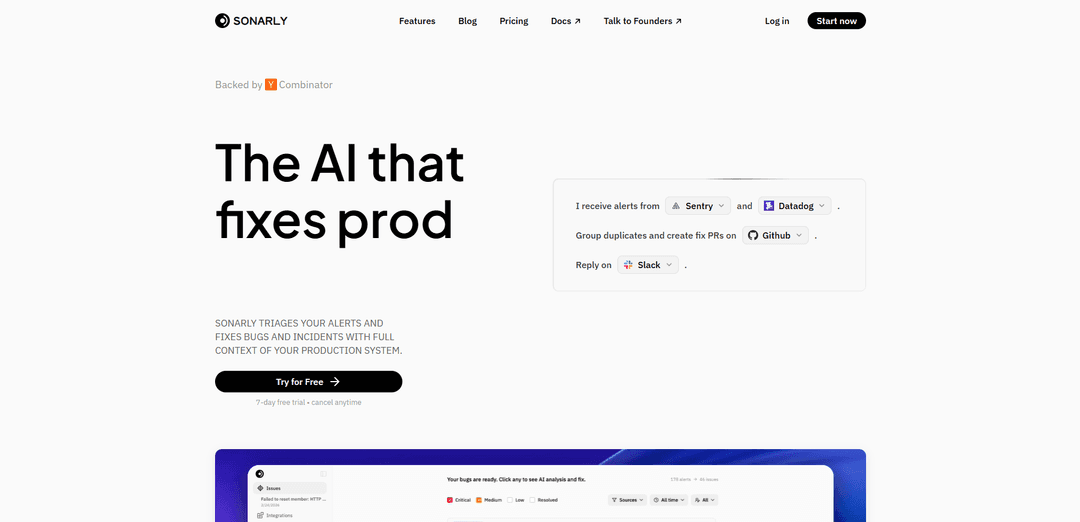
Sonarly adalah solusi perangkat lunak bertenaga AI yang secara otonom menyeleksi peringatan produksi, menghilangkan kebisingan, dan memperbaiki bug dengan konteks lengkap dari sistem produksi Anda.
https://sonarly.com/?ref=producthunt&utm_source=aipure
Informasi Produk
Diperbarui:Mar 15, 2026
Apa itu Sonarly
Sonarly (YC W26) adalah platform AI inovatif yang dirancang untuk menjembatani kesenjangan antara alat pemantauan dan agen pengkodean untuk membantu perangkat lunak meningkatkan dirinya sendiri. Dibangun dengan Claude Code dan Opus 4.6, ia berfungsi sebagai sistem cerdas yang membantu tim pengembangan mengelola dan menyelesaikan masalah produksi dengan lebih efisien. Platform ini terintegrasi dengan alat pemantauan populer seperti Sentry, Datadog, dan PagerDuty untuk memberikan pemantauan sistem produksi yang komprehensif dan kemampuan perbaikan bug otomatis.
Fitur Utama Sonarly
Sonarly adalah alat bertenaga AI yang membantu tim pengembangan mengelola peringatan produksi dan memperbaiki bug secara mandiri. Alat ini terintegrasi dengan alat pemantauan seperti Sentry dan Datadog untuk memilah peringatan, menghilangkan duplikasi, menganalisis akar masalah, dan membuat PR perbaikan yang sadar produksi. Sistem ini memanfaatkan Claude Code dan Opus 4.6 untuk memberikan konteks komprehensif dengan mengakses basis kode, log, metrik, dan jejak.
Deduplikasi Peringatan: Secara otomatis mengelompokkan peringatan duplikat dan mengurangi kebisingan dengan mengidentifikasi masalah terkait, menghemat waktu dan sumber daya untuk tim teknik
Integrasi Tumpukan Penuh: Terhubung dengan berbagai alat observabilitas untuk mengumpulkan konteks lengkap termasuk log, jejak, metrik, dan riwayat kode
Analisis Akar Masalah Bertenaga AI: Menggunakan Claude Opus 4.6 untuk menyelidiki basis kode, log kueri, dan melacak masalah di seluruh layanan untuk menentukan akar penyebab masalah
Pembuatan Perbaikan Otomatis: Membuat pull request yang sadar produksi dengan bukti untuk memperbaiki masalah yang teridentifikasi secara mandiri
Kasus Penggunaan Sonarly
Pemantauan Produksi: Tim pengembangan dapat secara efisien mengelola dan menanggapi peringatan produksi tanpa menyelidiki setiap insiden secara manual
Otomatisasi DevOps: Tim dapat mengotomatiskan proses respons insiden dari deteksi peringatan hingga implementasi perbaikan
Manajemen Peringatan: Organisasi dapat merampingkan proses manajemen peringatan mereka dengan mengurangi kebisingan dan berfokus pada masalah kritis
Kelebihan
Mengurangi Waktu Rata-Rata Penyelesaian (MTTR) dengan mengotomatiskan triase peringatan dan pembuatan perbaikan
Terintegrasi dengan mulus dengan alat pemantauan dan alur kerja yang ada
Memberikan konteks komprehensif untuk pemahaman masalah yang lebih baik
Kekurangan
Harga mungkin mahal untuk tim yang lebih kecil (mulai dari $150/bulan untuk paket Startup)
Terbatas hingga 50 peringatan/bulan pada tingkatan gratis
Cara Menggunakan Sonarly
Mendaftar akun: Buka sonarly.com dan mendaftar untuk uji coba gratis selama 14 hari (tidak perlu kartu kredit)
Hubungkan alat pemantauan: Hubungkan alat observabilitas Anda seperti Sentry, Datadog, atau PagerDuty untuk memasukkan peringatan dengan konteks lengkap termasuk log, jejak, metrik, dan kode
Siapkan saluran komunikasi: Konfigurasikan Sonarly untuk memposting analisis langsung di saluran peringatan Slack atau Discord Anda untuk integrasi tanpa batas dengan alur kerja Anda
Konfigurasikan penanganan peringatan: Biarkan Sonarly secara otomatis menyeleksi peringatan yang masuk, mengelompokkan duplikat, dan menganalisis penyebab utama di seluruh layanan Anda menggunakan AI
Tinjau analisis AI: Periksa analisis penyebab utama yang dihasilkan AI yang menyelidiki basis kode Anda, menanyakan log, dan melacak masalah di seluruh layanan
Terapkan perbaikan: Tinjau dan terapkan saran PR yang sadar produksi yang disediakan oleh Sonarly untuk memperbaiki masalah yang teridentifikasi
Pantau peningkatan: Lacak bagaimana Sonarly membantu mengurangi kebisingan peringatan dan memotong waktu penyelesaian dengan mengelompokkan duplikat dan memberikan analisis penyebab utama yang cepat
FAQ Sonarly
Sonarly adalah alat AI yang memilah peringatan dan memperbaiki bug serta insiden dengan konteks penuh dari sistem produksi Anda. Ia terhubung ke alat observabilitas Anda dan menyediakan analisis akar masalah di seluruh layanan.
Video Sonarly
Artikel Populer

Vosko AI: Lokalisasi dan Sulih Suara Video untuk Audiens Global
Oct 15, 2026
Atoms: Platform AI Multi-Agen yang Mengubah Ide menjadi Produk Siap Diluncurkan
May 22, 2026

Nano Banana SBTI: Apa Itu, Bagaimana Cara Kerjanya, dan Cara Menggunakannya di Tahun 2026
Apr 15, 2026

Ulasan Atoms — Pembuat Produk AI yang Mendefinisikan Ulang Kreasi Digital di Tahun 2026
Apr 10, 2026
Alat AI Terbaru Serupa dengan Sonarly

Hapticlabs
Hapticlabs adalah toolkit tanpa kode yang memungkinkan desainer, pengembang, dan peneliti untuk dengan mudah merancang, membuat prototipe, dan menerapkan interaksi haptik yang imersif di berbagai perangkat tanpa pemrograman.
Deployo.ai
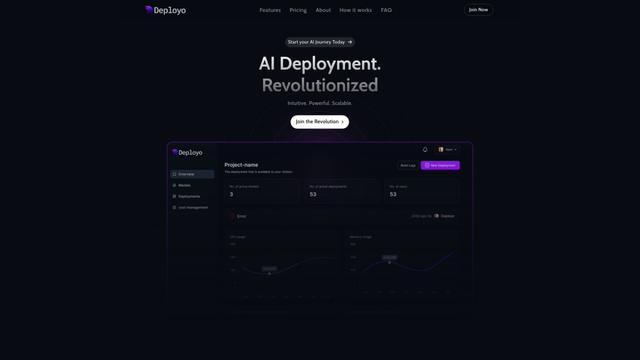
Deployo.ai adalah platform penerapan AI yang komprehensif yang memungkinkan penerapan model, pemantauan, dan penskalaan yang mulus dengan kerangka kerja AI etis bawaan dan kompatibilitas lintas cloud.
CloudSoul
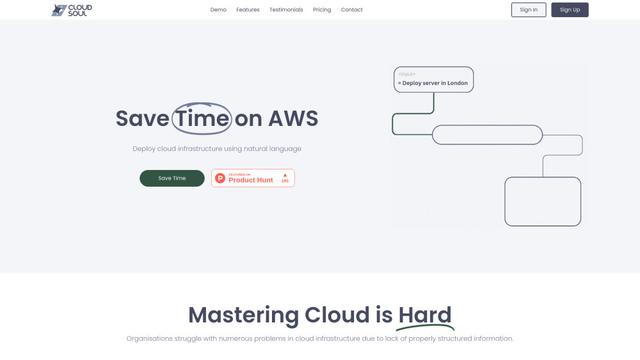
CloudSoul adalah platform SaaS bertenaga AI yang memungkinkan pengguna untuk segera menerapkan dan mengelola infrastruktur cloud melalui percakapan bahasa alami, menjadikan manajemen sumber daya AWS lebih mudah diakses dan efisien.
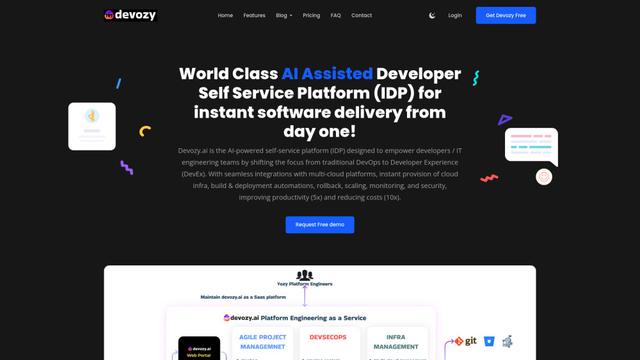
Devozy.ai
Devozy.ai adalah platform layanan mandiri pengembang yang didukung AI yang menggabungkan manajemen proyek Agile, DevSecOps, manajemen infrastruktur multi-cloud, dan manajemen layanan TI menjadi solusi terpadu untuk mempercepat pengiriman perangkat lunak.
Alat AI Populer Seperti Sonarly

A2A Protocol
Protokol A2A (Agent2Agent) adalah protokol interoperabilitas terbuka yang dikembangkan oleh Google yang memungkinkan komunikasi dan kolaborasi tanpa batas antara agen AI di berbagai kerangka kerja dan vendor, terlepas dari arsitektur yang mendasarinya.
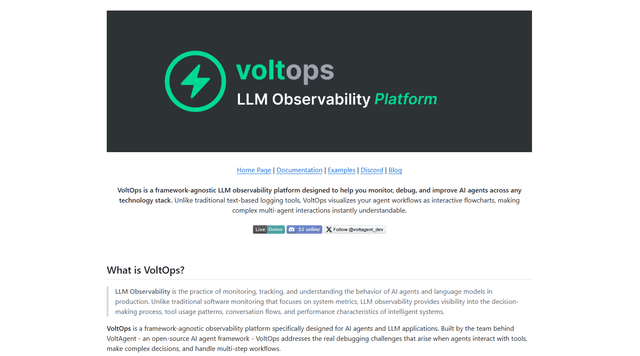
VoltOps
VoltOps adalah platform observabilitas LLM agnostik kerangka kerja yang menyediakan alat pemantauan visual, debugging, dan optimasi waktu nyata untuk agen AI di seluruh tumpukan teknologi apa pun.
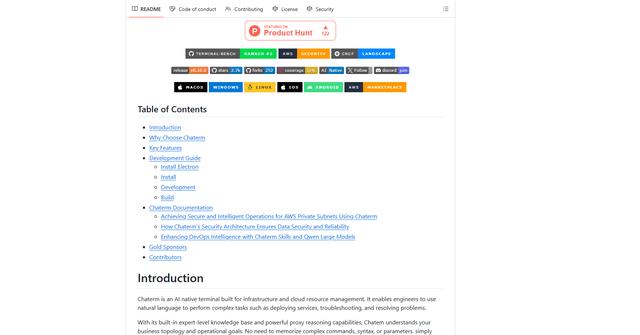
Chaterm
Chaterm adalah terminal asli AI sumber terbuka dan kopilot SRE yang memungkinkan para insinyur untuk mengelola infrastruktur yang kompleks melalui bahasa alami, mengotomatiskan penerapan, pemecahan masalah, dan operasi tanpa menghafal perintah.
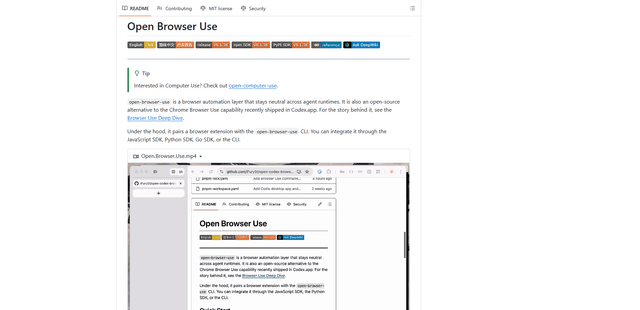
Open Browser Use
Open Browser Use adalah lapisan otomatisasi browser open-source, netral-runtime-agen yang memasangkan ekstensi Chrome dengan CLI/SDK/MCP untuk memungkinkan kontrol tab yang sadar DOM, bertenaga CDP, navigasi, dan tindakan di berbagai alat agen AI.