
Lexarius
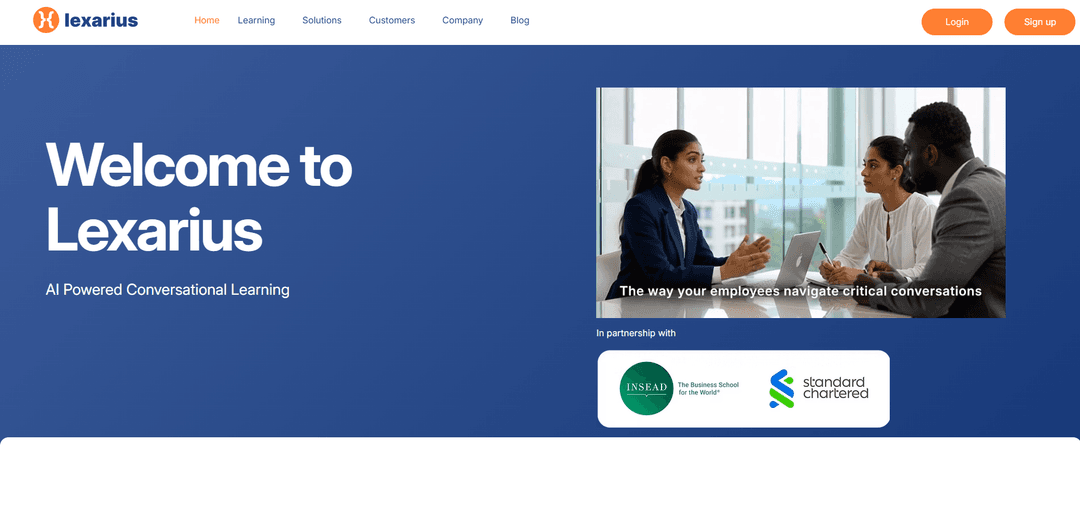
Lexarius is an AI-powered experiential learning platform that uses immersive role-play simulations, lifelike avatars, and real-time feedback to build leadership, sales, decision-making, and communication skills.
https://lexarius.com/?ref=producthunt
Product Information
Updated:May 18, 2026
What is Lexarius
Lexarius is an AI-powered conversational learning platform built in partnership with INSEAD and SC Ventures (Standard Chartered’s venture unit) to help organizations make professional development more experiential and scalable. Instead of relying on static training content, Lexarius enables employees to practice realistic workplace conversations—such as influencing stakeholders, handling objections, and leading teams—and receive targeted, actionable feedback grounded in evidence-based learning design.
Key Features of Lexarius
Lexarius is an AI-powered experiential learning platform (built in partnership with INSEAD and SC Ventures) that uses immersive, tailored “real play” role-play conversations to help professionals practice real-world workplace scenarios and build critical leadership, sales, communication, and decision-making skills. It provides a safe practice environment with adaptive conversations, evidence-based guidance, and instant, actionable feedback (including summaries and detailed coaching insights), and it is designed to be customized to an organization’s contexts, personas, and competency frameworks while safeguarding client inputs with enterprise-grade security.
AI “real play” role-play simulations: Delivers lifelike, interactive workplace conversations that adapt to the learner’s inputs, enabling repeated practice in realistic scenarios.
Real-time and post-session feedback: Provides high-level summaries and timely detailed feedback from recorded conversations to highlight strengths, gaps, and next steps.
Safe practice with shareable coaching: Lets learners keep feedback private or share it with peers/coaches to support coaching workflows and deeper development.
Evidence-based learning frameworks: Builds skills using structured, research-informed approaches (e.g., listening deeply, empathy, and turning objections into constructive dialogue).
Built for customization: Tailors contexts, personas, scenarios, and feedback mechanisms through a collaborative process to match each organization’s needs and competencies.
Enterprise trust and IP protection: Emphasizes safeguarding client IP and strategic inputs with industry-leading cybersecurity and a client-first partnership approach.
Use Cases of Lexarius
Sales enablement for new solutions: Helps sales teams practice pitching innovative offerings, handling objections, addressing stakeholder concerns, and improving persuasion in a risk-free environment.
Leadership development at every level: Trains managers and emerging leaders through simulations focused on decision-making, communication, and navigating complex interpersonal dynamics.
Change management and storytelling: Supports transformation programs by letting leaders rehearse narratives that align stakeholders, overcome resistance, and drive adoption.
Psychological safety and inclusive team culture: Enables practice of conversations that build trust, encourage speaking up, and foster inclusive, high-performing teams.
Customer support and service conversations: Applies role-play coaching to de-escalation, empathy, and resolution skills so service teams can handle difficult interactions more consistently.
Pros
Highly scalable experiential learning compared to workshops/coaching alone, while still enabling realistic practice.
Actionable feedback loops (summaries + detailed insights) that accelerate skill acquisition and behavior change.
Strong customization potential to align scenarios and evaluation to company-specific competencies and contexts.
Partnership credibility and enterprise orientation (INSEAD + SC Ventures) with emphasis on security and IP protection.
Cons
Effectiveness depends on scenario design and the quality of organizational customization (time and stakeholder input may be needed).
AI-driven role-play may not fully replicate the nuance and stakes of real human interactions for some advanced situations.
Organizations may need change management to drive adoption (e.g., learner buy-in, coaching integration, privacy preferences).
How to Use Lexarius
1. Go to Lexarius: Visit https://lexarius.com/ to learn what Lexarius offers (AI-powered conversational learning via roleplays) and how it fits your learning and development needs.
2. Clarify your learning goal and use case: Decide what you want to practice (e.g., selling innovative solutions, driving change with storytelling, promoting psychological safety, or enabling leaders at every level) so the roleplay context can be aligned to the right competency.
3. Engage Lexarius for a tailored setup (for organizations): Lexarius is built for customization via a collaborative process—work with their team to tailor the scenario contexts, personas, and feedback mechanisms to your organization’s needs.
4. Access the Lexarius Learning Portal (if provided): If your organization has enabled it, sign in to the Lexarius Learning Portal (*.lexarius.com) to start your assigned or selected simulations.
5. Choose a roleplay scenario and persona: Select a realistic workplace scenario and the counterpart persona you’ll be speaking with (e.g., a resistant stakeholder, a team member raising concerns, or a customer with objections).
6. Start the AI “real play” conversation: Begin the interactive conversation. Respond naturally to the AI-driven prompts; the simulation adapts to your input to mirror real-world dialogue.
7. Progress from basic to advanced situations: Practice with simpler objections first, then move to more complex scenarios to build confidence and capability over time.
8. Apply evidence-based techniques during the conversation: Use the platform’s evidence-based frameworks to practice listening deeply, showing empathy, and turning objections into constructive dialogue.
9. Record and review your conversation outputs (if enabled): Use recorded conversations to reflect on what happened and what you might change next time; Lexarius uses these recordings to generate summaries and detailed feedback.
10. Read the high-level summary feedback: After the roleplay, review the high-level summary to quickly understand strengths, gaps, and the overall impact of your communication choices.
11. Dive into timely, detailed feedback: Review the more granular feedback to identify specific moments where you handled objections well (or missed opportunities) and what to try differently in the next attempt.
12. Control privacy and sharing of feedback: Keep feedback private or share it with peers/coaches to get deeper insights and reinforce learning between coaching or workshop sessions.
13. Repeat practice to drive behavioral change: Run additional simulations regularly to reinforce new behaviors and track improvement across scenarios aligned to your target competencies.
14. Get support or report issues: If you encounter bugs or have concerns, contact Lexarius at [email protected] (general support) or [email protected] (partnership inquiries).
Lexarius FAQs
Lexarius is an AI-powered conversational learning platform that provides real-world roleplay simulations with instant feedback to help employees develop critical skills and behaviors.
Lexarius Video
Popular Articles
Atoms: A Multi-Agent AI Platform That Transforms Ideas into Launch-Ready Products
May 22, 2026

Nano Banana SBTI: What It Is, How It Works, and How to Use It in 2026
Apr 15, 2026

Atoms Review — The AI Product Builder Redefining Digital Creation in 2026
Apr 10, 2026
Kilo Claw: How to Deploy and Use a True "Do‑It‑For‑You" AI Agent(2026 Update)
Apr 3, 2026
Latest AI Tools Similar to Lexarius
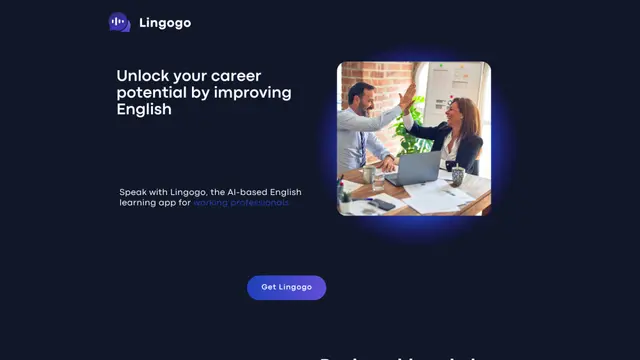
Lingogo
Lingogo is an AI-powered English learning app designed specifically for working professionals that offers real-world workplace scenario practice through conversational AI tutoring.
Resume Workshop
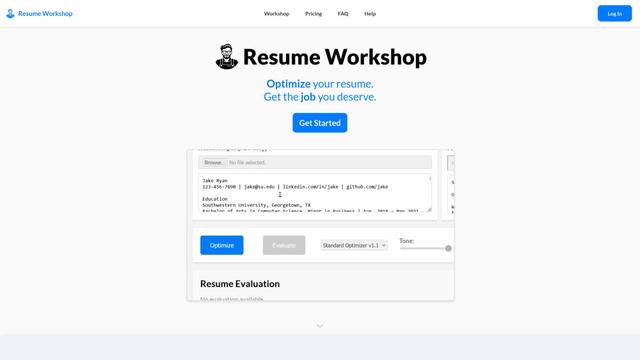
Resume Workshop is an AI-powered resume optimization platform that helps job seekers tailor their resumes with relevant keywords and phrases to match specific job postings.
Jobbie
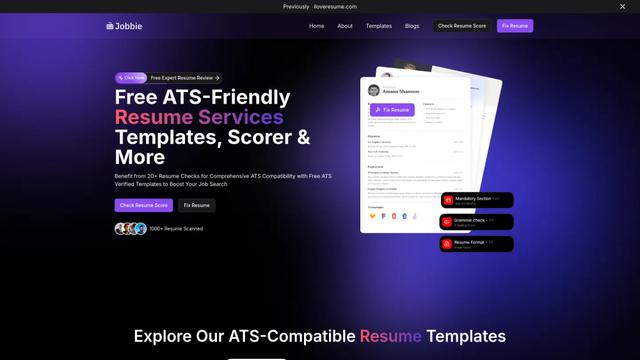
Jobbie is a comprehensive online platform offering free ATS-friendly resume services including resume checking, scoring, templates, and AI-powered optimization tools to help job seekers create professional resumes that pass through Applicant Tracking Systems.

Hiring Studio by Metaview
Hiring Studio by Metaview is a free AI-powered tool that helps recruiting teams generate customized interview questions with follow-up suggestions and detailed answer rubrics.
Popular AI Tools Like Lexarius
ClueoMCP
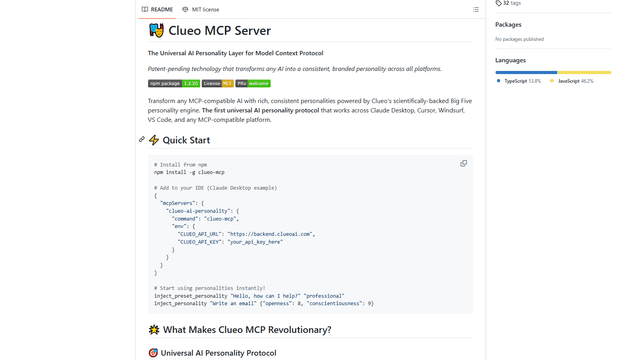
ClueoMCP is a universal AI personality layer that transforms any AI into a consistent, branded personality across all platforms using patent-pending technology and scientifically-backed Big Five personality traits.
Quick Mock - AI interviewer for Any Job
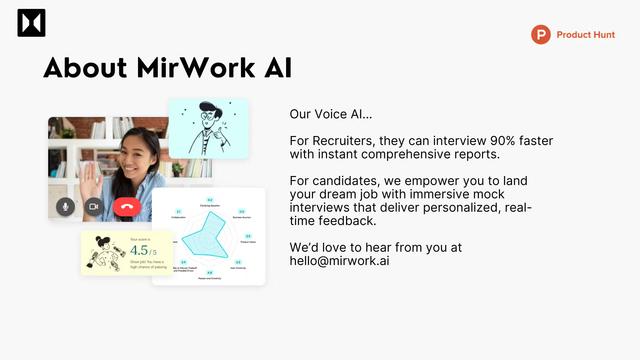
Quick Mock is an AI-powered interview preparation tool that enables users to extract job descriptions from leading platforms and instantly conduct realistic mock interviews with real-time voice AI technology and comprehensive feedback.
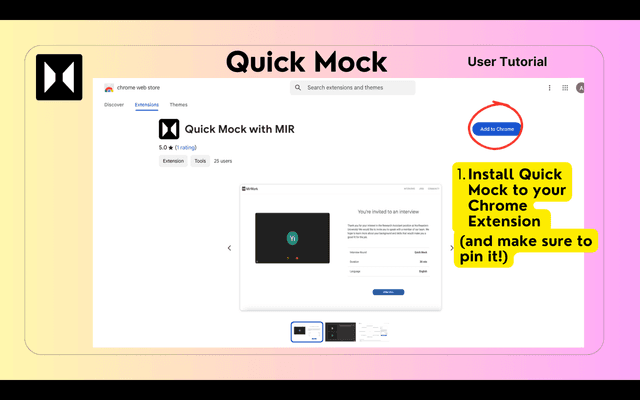
QuickMock 2.0 – AI for Hot Interviews
QuickMock 2.0 is an AI-powered interview preparation tool that instantly converts LinkedIn job descriptions into tailored mock interviews with real-time feedback and a comprehensive question bank from top companies.
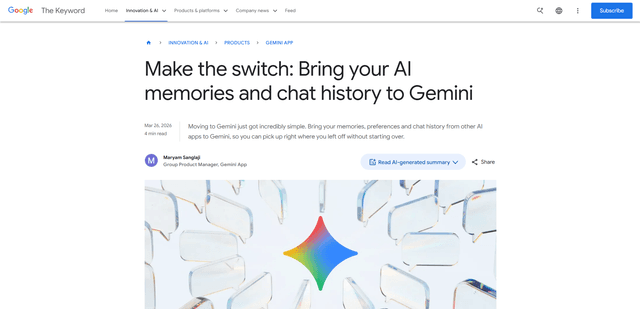
Google Gemini Memory Import
Google Gemini Memory Import is a new feature that allows users to seamlessly transfer their memories, preferences, and chat histories from other AI assistants to Gemini without starting from scratch.