
Heym
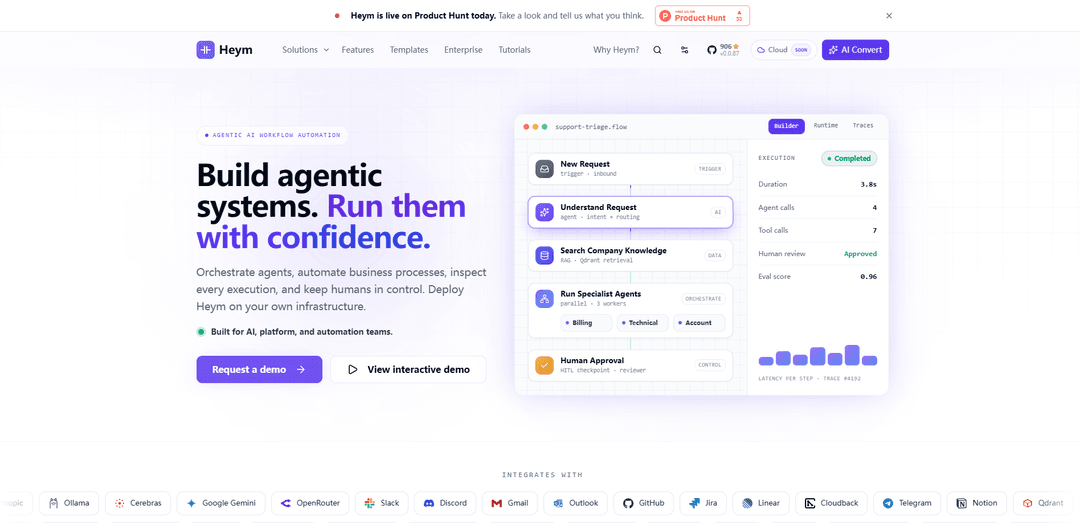
Heym è una piattaforma di automazione del flusso di lavoro AI auto-ospitata e disponibile con codice sorgente che ti consente di costruire ed eseguire pipeline agentiche a più fasi su una tela visiva con RAG integrato, supporto client/server MCP, approvazioni human-in-the-loop e osservabilità della produzione (tracciamento, valutazioni e monitoraggio dei costi).
https://heym.run/?ref=producthunt&utm_source=aipure
Informazioni sul Prodotto
Aggiornato:Aug 15, 2026
Cos'è Heym
Heym è un runtime di automazione del flusso di lavoro nativo AI progettato per i team che costruiscono automazioni agentiche reali, non solo prototipi. Fornisce un editor visivo a basso codice dove è possibile descrivere un flusso di lavoro in linguaggio naturale e farlo generare da Heym, oppure collegare manualmente i nodi da una vasta libreria di componenti AI, dati, logica e integrazione. Poiché Heym è disponibile con il codice sorgente e completamente auto-ospitato, puoi eseguirlo sulla tua infrastruttura (ad esempio, Docker Compose o Kubernetes), utilizzare i tuoi modelli e le tue credenziali e ispezionare ogni esecuzione fin dal primo giorno.
Caratteristiche principali di Heym
Heym è una piattaforma di automazione del flusso di lavoro AI con codice sorgente disponibile, completamente auto-ospitata, per la creazione e l'esecuzione di pipeline agentiche sulla propria infrastruttura. Fornisce una tela visiva (più la generazione di flussi di lavoro in linguaggio naturale) per comporre flussi di lavoro DAG di livello produttivo con esecuzione parallela, orchestrazione multi-agente, RAG integrato (pgvector/Postgres o Qdrant), supporto client/server MCP e checkpoint di approvazione "human-in-the-loop" di prima classe. La piattaforma enfatizza l'ispezionabilità e le operazioni fin dal primo giorno — cronologia delle esecuzioni, tracce LLM, valutazioni, log, esportazione OpenTelemetry e tracciamento dei costi reali — insieme a un'ampia libreria di nodi per integrazioni (Slack, email/IMAP, GitHub/Jira/Linear, code, database, API HTTP) e primitive di automazione come l'automazione del browser Playwright.
Costruttore di flussi di lavoro DAG visivo (no-code/low-code): Canvas drag-and-drop per connettere trigger, AI, logica, dati, integrazioni, automazione e utilità in grafici aciclici diretti validati che vengono eseguiti in parallelo dove possibile per una maggiore produttività.
Nodi agente + orchestrazione multi-agente: Coordina più agenti, sotto-flussi di lavoro, competenze e chiamate di strumenti sotto un modello di orchestratore per gestire attività in più parti più velocemente delle chiamate LLM sequenziali.
RAG e archivi vettoriali integrati: Pipeline di recupero native con caricamento di documenti e ricerca semantica cablate direttamente nei flussi di lavoro, utilizzando Qdrant o Postgres/pgvector integrati, tutto visibile in una singola traccia di esecuzione.
Supporto MCP (client e server): Gli agenti possono connettersi a server MCP esterni e scoprire automaticamente gli strumenti; Heym può anche esporre i flussi di lavoro pubblicati come strumenti MCP richiamabili da client come Claude Desktop o Cursor.
Checkpoint Human-in-the-loop (HITL): Metti in pausa l'esecuzione in passaggi critici, genera un URL di revisione pubblico una tantum e consenti ai revisori di accettare, modificare o rifiutare prima che il flusso di lavoro continui, mantenendo gli umani al controllo.
Osservabilità e governance della produzione: Cronologia e ricerca delle esecuzioni, tracce LLM, valutazioni, log in stile audit, esportazione OpenTelemetry e tracciamento dei costi reali in USD per il debug, il monitoraggio e la gestione dei flussi di lavoro in produzione.
Casi d'uso di Heym
Redazione del supporto clienti con approvazioni: Riassumi le email o i ticket in entrata, redigi le risposte con un agente, instrada gli elementi urgenti a Slack e richiedi l'approvazione HITL prima di inviare le risposte ai clienti.
Revisione e invio di PR per Dev & IT Ops: Estrai le PR da GitHub, esegui la revisione del codice multi-agente/avversaria, crea attività attuabili, apri o aggiorna le PR e notifica Slack quando è necessario l'intervento umano.
Pipeline di contenuti di marketing: Genera risorse per campagne end-to-end (ad esempio, argomenti da Fogli → script → generazione video tramite API esterne → pubblicazione) con gate di revisione e esecuzioni tracciabili.
Assistenti di conoscenza documentale (RAG): Carica documenti interni, crea flussi di lavoro di ricerca semantica + risposta ed esponili come strumenti (MCP) o tramite chat REST/SSE/portale per dipendenti o clienti.
Automazione delle operazioni basata su browser: Utilizza l'automazione Playwright di prima parte (passi visivi, passi generati dall'IA o modalità codice completo) per eseguire attività web come l'inserimento di dati, lo scraping o i flussi di lavoro di back-office.
Vantaggi
Auto-ospitato e con codice sorgente disponibile, mantenendo dati, credenziali ed esecuzione sulla propria infrastruttura.
Forti primitive agentiche (orchestrazione multi-agente, competenze, MCP) combinate con RAG integrato e approvazioni HITL.
Ispezionabilità di livello produttivo: cronologia delle esecuzioni, tracce, valutazioni, log, esportazione OpenTelemetry e tracciamento dei costi.
Svantaggi
La licenza con codice sorgente disponibile (Commons Clause + MIT) potrebbe non essere adatta ai team che richiedono una licenza open-source completamente permissiva.
L'auto-hosting introduce un overhead operativo (implementazione, scalabilità, aggiornamenti) rispetto a un SaaS di automazione completamente gestito.
Come usare Heym
1) Scegli come eseguire Heym (auto-ospitato): Decidi se distribuire Heym con Docker Compose o Kubernetes (Helm). Heym è disponibile con il codice sorgente e progettato per essere eseguito sulla tua infrastruttura in modo da poter utilizzare i tuoi modelli/credenziali e mantenere i dati nel tuo ambiente.
2) Installa e avvia Heym: Segui la Guida introduttiva dalla documentazione di Heym su GitHub per clonare il repository, configurare le variabili d'ambiente richieste e avviare i servizi (comunemente tramite Docker Compose). Se desideri una configurazione minima, inizia con la configurazione in stile "DB minimo + .env" a cui si fa riferimento nella documentazione, quindi espandi secondo necessità utilizzando il riferimento all'ambiente.
3) Apri l'applicazione web Heym e crea un flusso di lavoro: Avvia l'interfaccia utente di Heym e crea un nuovo flusso di lavoro. I flussi di lavoro di Heym sono costruiti su una tela visiva in cui si collegano i nodi in un grafo aciclico diretto (DAG).
4) Costruisci un flusso di lavoro in uno dei due modi: prompt-to-workflow o cablaggio manuale della tela: Opzione A: Descrivi il flusso di lavoro in linguaggio naturale e lascia che l'assistente di Heym generi nodi e archi sulla tela. Opzione B: Trascina e rilascia i nodi dalla libreria dei nodi (trigger, AI, logica, dati, integrazioni, automazione, utilità) e collegali manualmente.
5) Aggiungi un nodo Agente per l'automazione che utilizza strumenti: Posiziona un nodo Agente quando desideri che un LLM pianifichi e chiami gli strumenti. Configura il provider del modello dell'agente (ad esempio, OpenAI/Anthropic/Gemini/Ollama/OpenRouter) e definisci quali strumenti può utilizzare (strumenti del nodo della tela, skill, strumenti MCP, ecc.).
6) Aggiungi nodi LLM per la generazione di testo/visione (quando non è necessaria la chiamata di strumenti): Usa i nodi LLM per attività di generazione semplici (riassunti, estrazione, riscrittura, comprensione basata sulla visione). Questo mantiene parti del flusso di lavoro semplici e mirate quando non è richiesta l'orchestrazione completa dell'agente.
7) Collega le integrazioni (Slack, email/IMAP, API HTTP, code, ecc.): Aggiungi nodi di integrazione per connettere sistemi esterni come Slack, Telegram, caselle di posta IMAP, email, Redis, RabbitMQ, Grist, Fogli Google/Drive e API HTTP generiche. Fornisci le credenziali nei pannelli di configurazione dei nodi.
8) Aggiungi RAG (Generazione Aumentata dal Recupero) se hai bisogno di ricerca di conoscenza: Configura RAG per cercare in un archivio vettoriale come Qdrant o Postgres integrato (pgvector). Usalo quando l'agente/LLM deve basare le risposte sui tuoi documenti o sulla conoscenza interna.
9) Usa MCP in entrambe le direzioni (client o server): Come client MCP: collega un nodo Agente a un server MCP esterno; Heym scopre gli strumenti e li rende disponibili nella configurazione dell'agente. Come server MCP: pubblica i flussi di lavoro in modo che i client MCP esterni (Claude Desktop, Cursor, estensioni VS Code, ecc.) possano invocarli come strumenti.
10) Aggiungi Skill per rendere le capacità dell'agente portatili e riutilizzabili: Allega una skill (zip o Markdown con SKILL.md e strumenti Python opzionali) a un nodo Agente per estendere il suo contesto di sistema e la sua cassetta degli attrezzi senza riscrivere il nodo. Usa lo Skill Builder per redigere/revisionare le skill e riutilizza la stessa skill in più flussi di lavoro per un comportamento coerente.
11) Abilita le approvazioni Human-in-the-Loop (HITL) per azioni rischiose: Attiva HITL per un nodo Agente e definisci le linee guida per ciò che richiede approvazione (chiamate di strumenti, effetti collaterali, sotto-flussi di lavoro, azioni MCP, ecc.). Quando l'agente raggiunge un checkpoint, chiama request_human_review; Heym crea un URL di richiesta di revisione pubblico e mette in pausa l'esecuzione principale fino all'approvazione. Puoi instradare l'URL di revisione in sospeso a Slack/email/logging tramite nodi collegati all'handle di revisione dell'agente.
12) Aggiungi guardrail per bloccare input non sicuri prima dell'esecuzione: Abilita Guardrail nelle proprietà del nodo per impedire che messaggi utente non sicuri raggiungano l'agente. Questo è utile per portali di chat pubblici o flussi di lavoro attivati da input esterni.
13) Progetta per il parallelismo con un DAG: Collega i nodi in modo che i rami indipendenti possano essere eseguiti in parallelo. Heym compila ed esegue il DAG con esecuzione parallela dove le dipendenze lo consentono, migliorando la produttività senza codice di concorrenza manuale.
14) Configura l'affidabilità: tentativi e rami di errore: Per i nodi che potrebbero fallire (chiamate di rete, API esterne), abilita Retry con tentativi/backoff. Aggiungi un ramo di errore per instradare i fallimenti a un percorso dedicato invece di interrompere il flusso di lavoro e usa il contesto di errore (ad esempio, $nodeName.error) nei nodi a valle per gestire/segnalare i fallimenti.
15) Esegui il flusso di lavoro dalla tela: Esegui il flusso di lavoro direttamente nell'editor per osservare il runtime visivo: rami, chiamate di strumenti, memoria e checkpoint HITL appaiono mentre il grafo è in esecuzione.
16) Esegui il flusso di lavoro tramite endpoint API: Chiama i flussi di lavoro programmaticamente usando /execute, trasmetti i progressi tramite /execute/stream, esponili come strumenti MCP su /api/mcp/sse, o pubblicali come app di chat del Portale su /chat/{slug}. Questo permette allo stesso flusso di lavoro di servire persone, servizi backend e client AI senza doverlo ricostruire.
17) Ispeziona le esecuzioni con tracciamento e osservabilità: Usa le tracce integrate di Heym per ispezionare ogni esecuzione e l'esecuzione dei nodi. Esporta facoltativamente gli span OpenTelemetry su OTLP/HTTP nel tuo backend di osservabilità usando le variabili d'ambiente HEYM_OTEL_* (disabilitate per impostazione predefinita), con propagazione del contesto di traccia W3C.
18) Tieni traccia dell'utilizzo dei token e dei costi: Usa il monitoraggio dei costi dei token di Heym per comprendere l'utilizzo del modello per esecuzione e le caratteristiche dei costi, specialmente quando si confrontano modelli multi-agente, RAG o diversi provider di modelli.
19) Inizia dai modelli per imparare rapidamente i modelli comuni: Sfoglia i modelli di Heym, scarica un flusso di lavoro, incollalo sulla tela ed eseguilo in pochi minuti. I modelli coprono schemi come la stesura di risposte di supporto HITL, la revisione avversaria delle PR con più agenti, il monitoraggio dello stato LLM in batch e la gestione della posta in arrivo IMAP su Slack.
20) Rafforza la distribuzione e i controlli di accesso: Per la produzione, mantieni la registrazione controllata (ad esempio, disabilita la registrazione aperta) e abilita le funzionalità sensibili (come l'accesso ai log di Docker) solo per gli amministratori fidati come documentato. Ciò riduce il rischio che utenti non verificati ottengano una visibilità elevata.
FAQ di Heym
Heym è una piattaforma di automazione del flusso di lavoro AI agentica, self-hosted e con codice sorgente disponibile, dotata di una tela visiva a basso codice. Ti permette di costruire, visualizzare ed eseguire flussi di lavoro intelligenti (DAG) con agenti, strumenti e integrazioni su un'infrastruttura che controlli tu.
Video di Heym
Articoli Popolari

Atoms: Una Piattaforma AI Multi-Agente Che Trasforma le Idee in Prodotti Pronti al Lancio
May 22, 2026

Nano Banana SBTI: Cos'è, come funziona e come usarlo nel 2026
Apr 15, 2026

Recensione di Atoms — Il builder di prodotti AI che ridefinisce la creazione digitale nel 2026
Apr 10, 2026

Kilo Claw: Come Distribuire e Utilizzare un Vero Agente AI "Fai-da-Te" (Aggiornamento 2026)
Apr 3, 2026
Ultimi Strumenti AI Simili a Heym

Hapticlabs
Hapticlabs è un toolkit senza codice che consente a designer, sviluppatori e ricercatori di progettare, prototipare e distribuire facilmente interazioni tattili immersive su diversi dispositivi senza codifica.
Deployo.ai
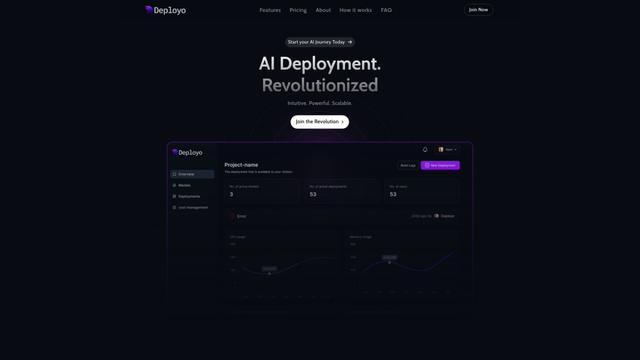
Deployo.ai è una piattaforma completa per la distribuzione dell'IA che consente una distribuzione, un monitoraggio e una scalabilità senza soluzione di continuità dei modelli con framework etici dell'IA integrati e compatibilità cross-cloud.
CloudSoul
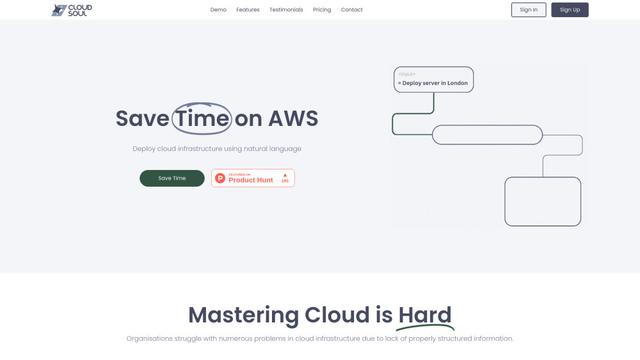
CloudSoul è una piattaforma SaaS alimentata da intelligenza artificiale che consente agli utenti di distribuire e gestire istantaneamente l'infrastruttura cloud attraverso conversazioni in linguaggio naturale, rendendo la gestione delle risorse AWS più accessibile ed efficiente.
Devozy.ai
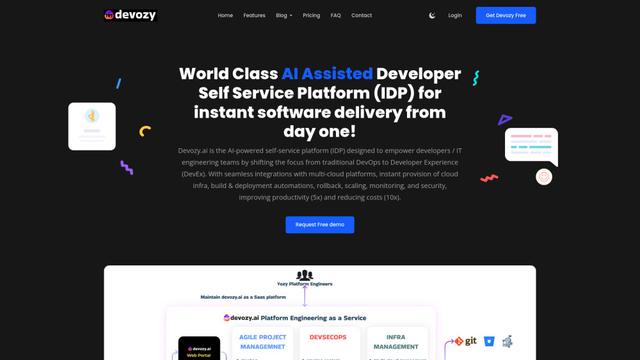
Devozy.ai è una piattaforma di self-service per sviluppatori alimentata da AI che combina gestione dei progetti Agile, DevSecOps, gestione dell'infrastruttura multi-cloud e gestione dei servizi IT in una soluzione unificata per accelerare la consegna del software.
Strumenti AI Popolari Come Heym

A2A Protocol
Il protocollo A2A (Agent2Agent) è un protocollo di interoperabilità aperto sviluppato da Google che consente una comunicazione e una collaborazione senza interruzioni tra agenti AI attraverso diversi framework e fornitori, indipendentemente dalla loro architettura sottostante.
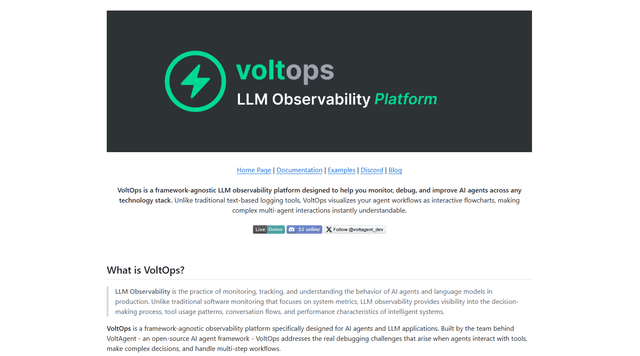
VoltOps
VoltOps è una piattaforma di osservabilità LLM agnostica al framework che fornisce strumenti di monitoraggio visivo, debug e ottimizzazione in tempo reale per agenti AI su qualsiasi stack tecnologico.
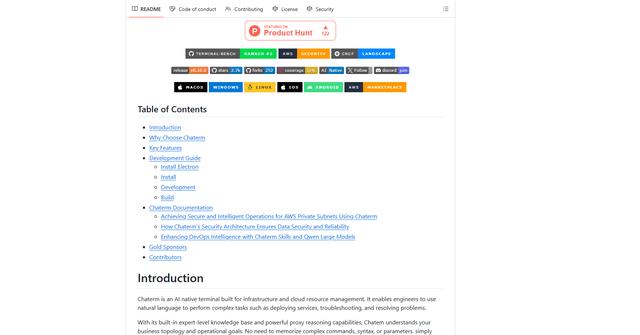
Chaterm
Chaterm è un terminale AI-native open-source e un copilota SRE che consente agli ingegneri di gestire infrastrutture complesse attraverso il linguaggio naturale, automatizzando la distribuzione, la risoluzione dei problemi e le operazioni senza memorizzare i comandi.
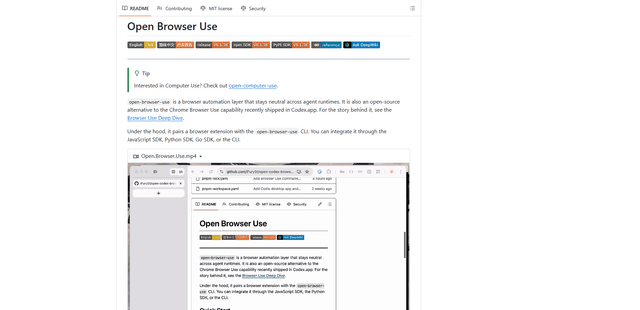
Open Browser Use
Open Browser Use è un livello di automazione del browser open-source, neutrale rispetto al runtime dell'agente, che accoppia un'estensione di Chrome con una CLI/SDK/MCP per abilitare il controllo delle schede, la navigazione e le azioni basate su DOM e CDP tra diversi strumenti di agenti AI.