
Nous Research
Nous Research – это независимая, управляемая сообществом лаборатория ИИ с открытым исходным кодом, которая обучает и выпускает языковые модели с открытым весом и создает инфраструктуру для распределенного обучения, с исследованиями, охватывающими архитектуру, синтез данных, тонкую настройку и рассуждения.
https://nousresearch.com/?ref=producthunt&utm_source=aipure

Информация о продукте
Обновлено:08/06/2026
Что такое Nous Research
Nous Research – это американская научно-исследовательская организация в области искусственного интеллекта с открытым исходным кодом, специализирующаяся на разработке «первоклассных» открытых языковых моделей и инструментов, необходимых для повышения доступности разработки передовых моделей. Возникнув как децентрализованная, управляемая добровольцами инициатива, она наиболее известна выпуском моделей с открытым весом (в частности, серии Hermes) и публикацией практических исследовательских артефактов, таких как рецепты обучения и оценки. Организация подчеркивает неограниченную доступность и более широкое научное понимание языковых моделей, а также формулирует свою миссию вокруг продвижения прав и свобод человека посредством ИИ с открытым исходным кодом.
Ключевые особенности Nous Research
Nous Research – это независимая лаборатория ИИ, специализирующаяся на развитии больших открытых языковых моделей и инфраструктуры вокруг них. Она обучает и выпускает модели с открытым весом (в частности, семейства Hermes и DeepHermes), разрабатывает методы пост-обучения (включая тонкую настройку и обучение с подкреплением) и создает инструменты для оркестрации агентов и распределенного обучения. Организация подчеркивает прозрачную, управляемую сообществом разработку и стремится поддерживать права и свободы человека, делая мощные языковые модели широко доступными и пригодными для повторного использования разработчиками и исследователями.
Выпуски LLM с открытым весом (Hermes / DeepHermes): Публикует высококачественные модели, настроенные на инструкции и способные к рассуждениям (включая гибридные режимы «чат против глубоких рассуждений»), разработанные для практического развертывания, многоходового диалога, использования инструментов и высокой общей производительности.
Инструменты для пост-обучения и выравнивания: Сосредоточен на тонкой настройке, улучшении рассуждений и пост-обучении в стиле обучения с подкреплением (например, работа, подобная Atropos, и варианты моделей, такие как NousCoder) для повышения возможностей и следования инструкциям.
Координация и инфраструктура распределенного обучения: Создает инфраструктуру и исследовательские рабочие процессы для координации масштабируемой, распределенной разработки и экспериментов с моделями, нацеленных на более доступные и менее централизованные конвейеры обучения.
Экосистема агентов и оркестрации: Разрабатывает инструменты, ориентированные на агентов (например, Hermes Agent и планируемый Nous-Forge «композитор» для оркестрации), чтобы помочь разработчикам создавать помощников, использующих инструменты, и автоматизированные рабочие процессы.
Доступ разработчиков через API и чат-продукты: Предлагает способы использования моделей Nous через такие продукты, как Nous Chat, и уровень вывода/API, стремясь упростить интеграцию открытых моделей в приложения.
Прикладные исследования в области архитектуры LLM и синтеза данных: Работает над архитектурой моделей, синтезом данных, подходами к оценке и связанными исследованиями, чтобы поднять качество моделей с открытым исходным кодом за пределы оптимизации, основанной на таблицах лидеров.
Варианты использования Nous Research
Поддержка клиентов и корпоративные помощники: Развертывание моделей семейства Hermes в качестве чат-помощников для служб поддержки, внутренней ИТ-службы, отдела кадров и вопросов и ответов на основе базы знаний – особенно там, где команды предпочитают модели с открытым весом для контроля, конфиденциальности или локального размещения.
Агенты, использующие инструменты для автоматизации: Использование Hermes Agent / инструментов оркестрации для создания агентов, которые вызывают инструменты (поиск, браузеры, функции) для таких задач, как планирование, генерация отчетов, сортировка заявок и операционные руководства.
Разработка программного обеспечения и помощь в кодировании: Применение моделей Nous, ориентированных на кодирование, и методов пост-обучения для генерации кода, помощи в отладке и обучения программированию – полезно для стартапов, разработчиков инструментов и образовательных платформ.
Исследования и эксперименты с открытыми моделями: Предоставление академикам и лабораториям возможности воспроизводить результаты, проводить абляции и тестировать новые методы пост-обучения или оценки с использованием открытых выпусков и связанной инфраструктуры.
Творческое письмо и ролевые приложения: Использование сильного многоходового диалогового поведения (фокус серии Hermes) для интерактивной фантастики, диалогов NPC в играх и инструментов для совместной работы над творческими проектами с длинным контекстом.
Развертывания, чувствительные к конфиденциальности или регулируемые: Использование моделей с открытым весом в средах, требующих более строгого контроля данных (здравоохранение, юриспруденция, финансы), путем локального размещения моделей и настройки поведения с помощью тонкой настройки.
Преимущества
Сильная ориентация на открытый исходный код (выпуски с открытым весом и разработка, управляемая сообществом).
Практическая направленность на реальную применимость: настройка инструкций, вызов инструментов/функций и рабочие процессы агентов.
Активные прикладные исследования в области архитектуры, синтеза данных, рассуждений и пост-обучения.
Недостатки
Запуск больших моделей с открытым весом может потребовать значительных вычислительных ресурсов и опыта MLOps по сравнению с полностью управляемыми проприетарными API.
Детали экосистемы и зрелость продукта могут варьироваться в зависимости от компонента (модели, агенты, API), что требует оценки для каждого варианта использования.
Некоторые сторонние нарративы смешивают лабораторию с проектами блокчейна/токенов; пользователям может потребоваться проверить, что является официальным, а что внешним маркетингом.
Как использовать Nous Research
1) Узнайте, что предоставляет Nous Research: Перейдите на https://nousresearch.com, чтобы понять основные предложения: языковые модели с открытым исходным кодом, прикладные исследования ИИ (архитектура, синтез данных, тонкая настройка, рассуждения) и инфраструктура для распределенного обучения.
2) Попробуйте модели Nous через чат (без кода): Откройте https://chat.nousresearch.com и начните разговор с размещенной Nous открытой моделью (например, семейством Hermes). Используйте это для быстрой оценки поведения модели в вашем случае использования.
3) Создайте учетную запись Nous (для размещенного доступа): Используйте портал Nous/область учетной записи (описывается как место, где вы управляете своей учетной записью и ключами API) для регистрации/входа, чтобы получить доступ к размещенным функциям и сгенерировать учетные данные API.
4) Сгенерируйте ключ API: На странице управления учетной записью/ключами API создайте новый ключ API. Храните его надежно (например, в менеджере паролей или переменной среды), потому что он предоставляет программный доступ к размещенному выводу.
5) Ознакомьтесь с документацией по API вывода: Откройте документацию API, на которую ссылаются страницы API вывода Nous, и определите необходимые конечные точки (генерация текста/чат, вызов функций/использование инструментов, режим JSON/соответствие схеме, если поддерживается выбранной моделью).
6) Сделайте свой первый запрос на размещенный вывод: Используя свой ключ API, отправьте базовый запрос к размещенной Nous модели для генерации текста или выполнения завершения чата. Начните с минимального запроса, убедитесь, что аутентификация работает, затем итерируйте запросы и параметры.
7) Выберите модель, соответствующую вашей задаче: Из доступных моделей Nous (в частности, серии Hermes) выберите ту, которая соответствует вашим потребностям: стоимость/скорость против глубины рассуждений, длина контекста и необходимость использования инструментов, вызова функций или структурированных выходных данных JSON.
8) Управляйте поведением рассуждений, когда это доступно: Если вы используете гибридную модель Hermes, поддерживающую это, переключите поведение рассуждений модели с помощью документированного элемента управления (например, логического значения, такого как `reasoning.enabled`), чтобы переключаться между прямыми ответами и явными трассировками рассуждений.
9) Используйте структурированные выходные данные (JSON/схема) при необходимости: Для рабочих процессов, требующих надежной структуры (экстракторы, агенты, конвейеры), включите режим JSON и/или предоставьте схему, если выбранная модель поддерживает соответствие схеме, затем проверьте выходные данные в вашем приложении.
10) Установите и используйте Hermes Agent для рабочих процессов/автоматизации: Посетите сайт документации Hermes Agent (hermes-agent.nousresearch.com/docs) и установите агент. Используйте его для организации многошаговых задач и интеграции использования инструментов (веб-поиск, автоматизация браузера, генерация изображений, TTS) в зависимости от настроенных вами поставщиков.
11) Настройте поставщиков и инструменты Hermes Agent: В конфигурации Hermes Agent подключите выбранные вами конечные точки модели (размещенные Nous или другие поддерживаемые конечные точки) и включите интеграцию инструментов по мере необходимости. Если вы хотите использовать подход «все в одном» по подписке, используйте Nous Portal, где описывается объединение моделей и шлюзов инструментов в один план.
12) Добавьте память и персонализацию (необязательно): Если вы используете Hermes Agent, настройте параметры памяти (например, через файлы конфигурации, такие как MEMORY.md/USER.md и конфигурацию агента) или установите плагин памяти для сохранения предпочтений и контекста долгосрочного проекта.
13) Сотрудничайте с сообществом: Присоединяйтесь к Nous Discord (упоминается на страницах API вывода), чтобы задавать вопросы, делиться результатами и узнавать лучшие практики от других разработчиков, использующих модели и инструменты Nous.
14) Исследуйте и вносите вклад в проекты с открытым исходным кодом: Просмотрите организацию Nous Research на GitHub (например, Hermes Agent и связанные инфраструктурные проекты). Создавайте проблемы, отправляйте запросы на извлечение или тестируйте новые выпуски, чтобы участвовать в экосистеме с открытым исходным кодом вокруг Nous.
15) Применяйте методы Nous Research в своей работе: Используйте заявленные Nous области внимания — архитектура модели, синтез данных, тонкая настройка и рассуждения — для руководства своими экспериментами: тонкая настройка открытых моделей, синтез данных инструкций, оценка качества рассуждений и итерация запросов/агентов для вашей области.
Часто задаваемые вопросы о Nous Research
Nous Research - это научно-исследовательская организация в области искусственного интеллекта с открытым исходным кодом, которая обучает языковые модели и создает инфраструктуру для координации распределенного обучения, уделяя особое внимание человеко-ориентированным языковым моделям и симуляторам.
Видео Nous Research
Популярные статьи

Vosko AI: локализация и дубляж видео для мировой аудитории
Oct 15, 2026

Atoms: Мультиагентная ИИ-платформа, которая превращает идеи в готовые к запуску продукты
May 22, 2026

Nano Banana SBTI: Что это такое, как это работает и как это использовать в 2026 году
Apr 15, 2026

Обзор Atoms — AI Product Builder, переопределяющий цифровое творчество в 2026 году
Apr 10, 2026
Последние ИИ-инструменты, похожие на Nous Research

MarketYap!
MarketYap! — это платформа для агрегации инвестиционных новостей с использованием ИИ, которая упрощает исследование акций, собирая и обобщая статьи из множества репутабельных источников.

ArXiv Pulse
ArXiv Pulse — это платформа, которая помогает исследователям оставаться в курсе последних исследовательских статей, предоставляя персонализированные, удобные для чтения сводки предпечатных версий arXiv, доставляемые прямо в их почтовый ящик.

Zeli.app
Zeli — это платформа на английском языке, которая агрегирует и предоставляет дайджесты статей из Hacker News и последних исследовательских статей по ИИ, чтобы помочь энтузиастам технологий оставаться в курсе передовых технологий.
Gene
Gene — это инструмент для исследований и веб-ассистент, управляемый ИИ, который помогает пользователям анализировать, сокращать и выделять ключевую информацию из статей и документов.
Популярные ИИ-инструменты, похожие на Nous Research
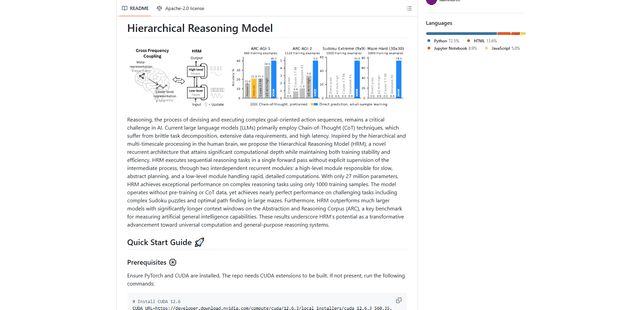
Hierarchical Reasoning Model
Иерархическая модель рассуждений (HRM) - это вдохновленная мозгом архитектура ИИ, которая достигает исключительных возможностей рассуждения, имея всего 27 миллионов параметров, используя два взаимозависимых рекуррентных модуля для абстрактного планирования и подробных вычислений.
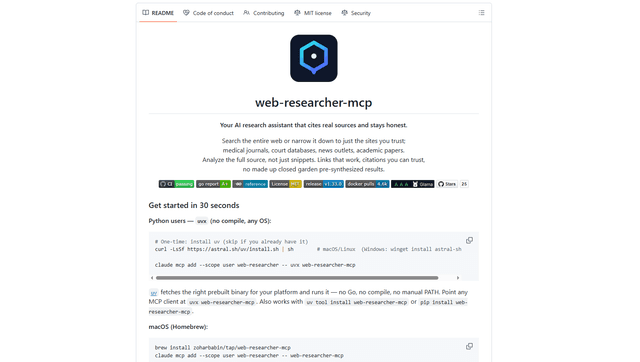
Web Researcher MCP
Web Researcher MCP — это локальный, производственный MCP-сервер, который позволяет ИИ-помощникам искать в интернете (опционально с ограничением до доверенных «линз поиска»), читать полные источники (включая страницы, отображаемые JS, PDF и стенограммы YouTube) и возвращать проверяемые цитаты с отказоустойчивостью нескольких провайдеров. [Источник: https://github.com/zoharbabin/web-researcher-mcp?ref=producthunt]
Open AI o3
OpenAI o3 - это модель рассуждения следующего поколения с улучшенными возможностями в кодировании, математике и решении проблем, которая достигает прорывной производительности на продвинутых бенчмарках, при этом приоритизируя безопасность через делиберативное выравнивание.

NextGenAI by OpenAI
NextGenAI — это первый в своем роде консорциум, запущенный OpenAI, который объединяет 15 ведущих исследовательских институтов с финансированием в размере 50 миллионов долларов США и инструментами для продвижения исследований и образования в области ИИ.