Fabric by Carmel Labs
Fabric by Carmel Labs is a distributed compute network that connects idle consumer devices to power AI workloads, offering faster and cheaper computing solutions compared to traditional cloud services.
https://carmel.so/fabric?ref=producthunt
Product Information
Updated:Feb 28, 2026
What is Fabric by Carmel Labs
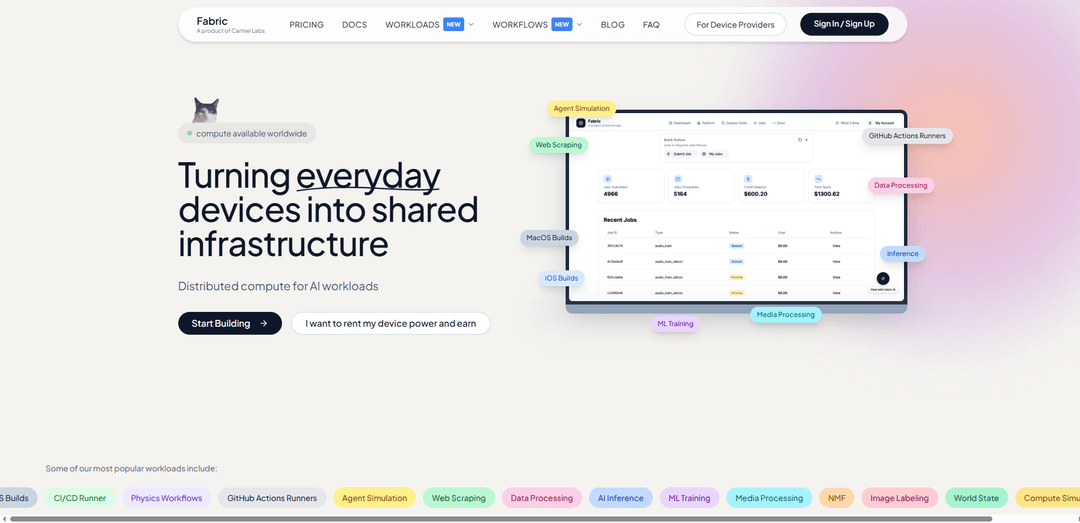
Fabric by Carmel Labs is an innovative distributed computing platform that transforms everyday devices into shared infrastructure for AI and computational workloads. The platform creates the world's first distributed compute network powered by idle consumer devices, enabling users to either contribute their computing power for passive income or run various types of workloads including AI inference, ML training, data processing, and more at significantly lower costs than traditional cloud services.
Key Features of Fabric by Carmel Labs
Fabric by Carmel Labs is a distributed compute network that transforms idle consumer devices into shared infrastructure for AI workloads. It offers a platform where users can either contribute their compute power to earn passive income or run AI inference jobs at significantly lower costs compared to traditional cloud services. The platform features enterprise-level security, global network coverage, and pay-per-use pricing model.
Distributed Computing: Utilizes a network of idle consumer devices worldwide to process workloads in parallel, delivering up to 10x faster processing times
Enterprise Security: Provides end-to-end encryption and isolated sandboxed environments to ensure secure workload execution
Flexible Workload Support: Supports various containerized workloads including ML training, data processing, web scraping, and AI inference
Pay-Per-Use Model: Cost-effective pricing structure where users only pay for actual compute resources used, eliminating costs for idle resources
Use Cases of Fabric by Carmel Labs
AI/ML Development: Run machine learning training, inference, and data processing tasks at scale with reduced costs
CI/CD Operations: Execute iOS builds, macOS builds, and GitHub Actions runners in a distributed environment
Data Analysis: Process large-scale data operations including anomaly detection, clustering, and sports analytics
Media Processing: Handle image preprocessing, labeling, and audio training tasks across distributed nodes
Pros
Cost-effective compared to traditional cloud services
Global availability with 24/7 access
Fast processing through distributed computing
Strong security measures with end-to-end encryption
Cons
Depends on availability of distributed devices
May require containerization of workloads
Performance might vary based on network conditions
How to Use Fabric by Carmel Labs
Create an account: Sign up for Fabric through their dashboard to get started with the platform
Containerize your workload: Package your AI/ML workload or other compute task into a container that can be run on the Fabric network
Deploy workload: Use Fabric's SDK or dashboard to push your containerized workload to their platform
Let Fabric distribute the work: The orchestrator automatically splits and distributes your workload across their network of idle compute devices
Monitor progress: Track the progress of your distributed workload through the dashboard
Receive results: Get the aggregated results of your workload with full provenance and verification included
Pay for usage: Only pay for the actual compute resources used, with no charges for idle time
Fabric by Carmel Labs FAQs
Fabric is a distributed compute network that connects idle compute power with AI workloads, allowing users to either earn passive income by sharing their computing resources or run inference jobs at lower costs compared to traditional cloud services.
Fabric by Carmel Labs Video
Popular Articles

Atoms: A Multi-Agent AI Platform That Transforms Ideas into Launch-Ready Products
May 22, 2026

Nano Banana SBTI: What It Is, How It Works, and How to Use It in 2026
Apr 15, 2026

Atoms Review — The AI Product Builder Redefining Digital Creation in 2026
Apr 10, 2026

Kilo Claw: How to Deploy and Use a True "Do‑It‑For‑You" AI Agent(2026 Update)
Apr 3, 2026
Latest AI Tools Similar to Fabric by Carmel Labs

Hapticlabs
Hapticlabs is a no-code toolkit that enables designers, developers and researchers to easily design, prototype and deploy immersive haptic interactions across devices without coding.
Deployo.ai
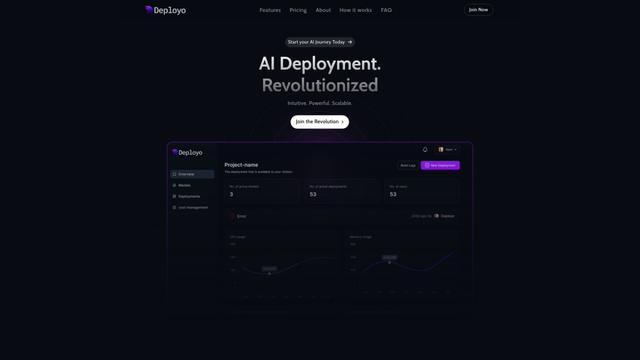
Deployo.ai is a comprehensive AI deployment platform that enables seamless model deployment, monitoring, and scaling with built-in ethical AI frameworks and cross-cloud compatibility.
CloudSoul
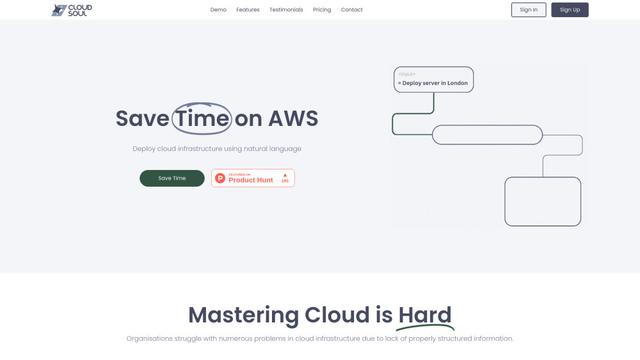
CloudSoul is an AI-powered SaaS platform that enables users to instantly deploy and manage cloud infrastructure through natural language conversations, making AWS resource management more accessible and efficient.
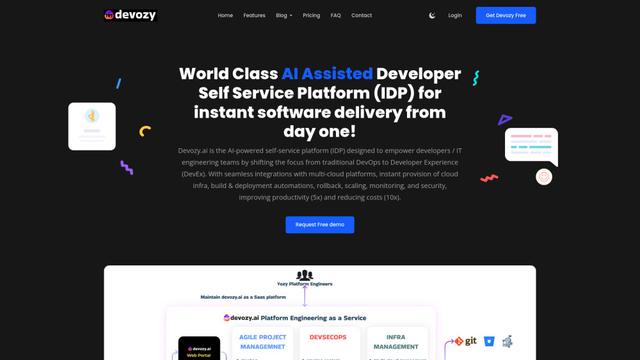
Devozy.ai
Devozy.ai is an AI-powered developer self-service platform that combines Agile project management, DevSecOps, multi-cloud infrastructure management, and IT service management into a unified solution for accelerating software delivery.
Popular AI Tools Like Fabric by Carmel Labs

A2A Protocol
A2A (Agent2Agent) Protocol is an open interoperability protocol developed by Google that enables seamless communication and collaboration between AI agents across different frameworks and vendors, regardless of their underlying architecture.
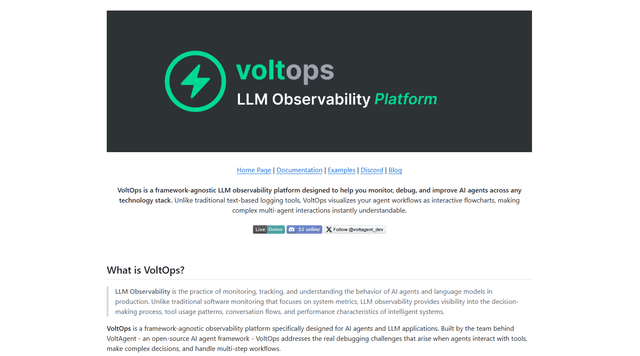
VoltOps
VoltOps is a framework-agnostic LLM observability platform that provides real-time visual monitoring, debugging, and optimization tools for AI agents across any technology stack.
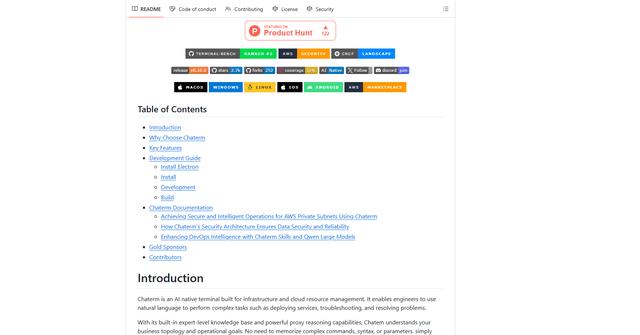
Chaterm
Chaterm is an open-source AI-native terminal and SRE copilot that enables engineers to manage complex infrastructure through natural language, automating deployment, troubleshooting, and operations without memorizing commands.
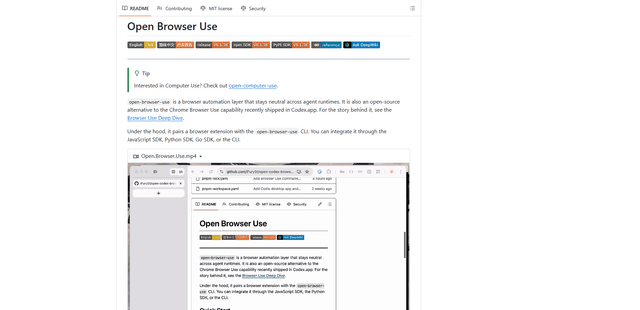
Open Browser Use
Open Browser Use is an open-source, agent-runtime-neutral browser automation layer that pairs a Chrome extension with a CLI/SDK/MCP to enable DOM-aware, CDP-powered tab control, navigation, and actions across different AI agent tools.