Astorie
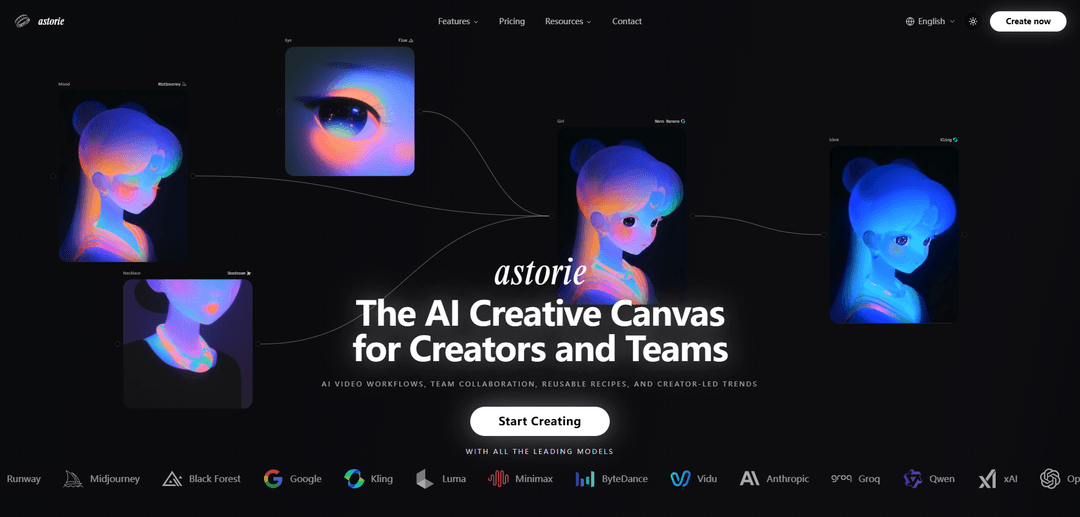
Astorie adalah kanvas Cerdas untuk studio kreatif AI: satu ruang kerja tak terbatas berbasis node untuk 100+ model gambar, video, audio, dan 3D. Bandingkan keluaran berdampingan, rangkai model ke dalam alur kerja, sempurnakan aset dengan alat bawaan, simpan Resep yang dapat digunakan kembali, dan berkolaborasi dengan tim Anda.
https://astorie.ai/?utm_source=aipure
Informasi Produk
Diperbarui:Aug 13, 2026
Apa itu Astorie
Astorie adalah platform kreatif AI yang dibangun di sekitar kanvas tak terbatas berbasis node visual untuk produksi konten end-to-end—terutama video. Alih-alih bekerja di alat "satu perintah" terpisah untuk setiap model atau media, Astorie menyatukan model video, gambar, dan audio AI terkemuka ke dalam satu ruang kerja tempat kreator dan tim dapat membangun, mengulang, dan mengelola alur kerja produksi. Astorie mendukung generasi multi-model, "Resep" yang dapat digunakan kembali (alur yang dapat diulang), dan fitur kolaborasi yang dirancang untuk membuat kreasi AI lebih terstruktur dan terukur daripada perintah sekali pakai.
Fitur Utama Astorie
Astorie adalah kanvas kreatif AI berbasis node lengkap untuk memproduksi video, gambar, dan audio dengan menghubungkan 100+ model generatif terkemuka (misalnya, Sora, Runway, Kling, Veo, Seedance, Hailuo) pada kanvas tanpa batas. Ini mendukung generasi "fan-out" multi-model dari satu prompt, "Resep" alur kerja yang dapat digunakan kembali, dan pipeline ujung-ke-ujung di mana skrip menghasilkan sulih suara (melalui ElevenLabs atau Fish Audio) yang dapat terhubung langsung ke sinkronisasi bibir, pembuatan urutan/timeline, dan ekspor. Dirancang untuk kolaborasi gaya studio dan produksi berulang, Astorie menekankan alur kerja yang persisten, sadar silsilah, dan serah terima penyelesaian melalui ekspor yang ramah editor seperti XML/EDL untuk NLE seperti Premiere Pro, DaVinci Resolve, dan Final Cut Pro.
Alur kerja kanvas tak terbatas berbasis node: Bangun produksi sebagai grafik node yang terhubung (teks/skrip, gambar, video, audio, alat, referensi) alih-alih satu prompt linier, memungkinkan perantaian, percabangan, dan generasi berbasis referensi.
Generasi video multi-model (fan-out): Hasilkan dan bandingkan beberapa pengambilan di seluruh model frontier (misalnya, Sora, Runway Gen-4, Kling, Veo, Seedance, Hailuo) dari satu pengaturan, lalu pilih output terbaik per maksud bidikan.
Pipeline audio-first dengan sulih suara + SFX + musik: Hasilkan sulih suara dengan ElevenLabs dan Fish Audio sebagai aset audio asli, lalu hubungkan output ke sinkronisasi bibir, pembuat urutan, dan ekspor; juga hasilkan SFX yang cocok dengan adegan dan musik latar dalam kanvas yang sama.
Resep yang dapat digunakan kembali dan alur kerja berbasis tren: Buat alur kerja yang dapat diulang, dapat disalin-tempel (Resep) untuk pola umum seperti bidikan iklan produk, rantai konsistensi karakter, dan potongan sosial multi-aspek, selaras dengan tren video yang dipimpin kreator.
Kolaborasi dan silsilah produksi yang persisten: Perlakukan alur kerja sebagai artefak bersama yang persisten sehingga tim dapat melihat apa yang telah dicoba, apa yang berubah, dan bagaimana aset akhir diproduksi—mendukung riwayat iterasi dan serah terima.
Ekspor siap NLE untuk penyelesaian: Ekspor urutan dengan pengaturan waktu ke editor profesional melalui XML/EDL (misalnya, Premiere Pro, DaVinci Resolve, Final Cut Pro) untuk menyederhanakan pengeditan akhir, penilaian, dan pengiriman.
Kasus Penggunaan Astorie
Iklan video pemasaran dan produk: Ubah gambar produk yang disetujui merek menjadi beberapa varian iklan dengan menganimasikan gerakan kamera dan pencahayaan di seluruh model (misalnya, Seedance untuk fidelitas label, Runway untuk nuansa editorial, Kling untuk pengungkapan sinematik) dan mengekspor ke NLE untuk polesan akhir.
Pipeline konten media sosial (Reels/TikTok/Shorts): Hasilkan potongan vertikal dan persegi dengan cepat dengan menduplikasi urutan di seluruh rasio aspek, berulang dengan Resep, dan memproduksi sulih suara + SFX + musik dalam satu alur kerja yang terhubung.
Penceritaan multi-shot gaya studio: Bangun video multi-adegan dengan referensi yang konsisten dan pembuat timeline/urutan, menjaga identitas dan gaya tetap koheren di seluruh bidikan sambil membandingkan output model per adegan.
Maskot influencer/merek berbasis karakter: Buat karakter AI yang konsisten dengan mengunci referensi kanonik, menghasilkan lembar karakter, membawa referensi ke dalam pembuatan video, dan mempertahankan identitas di beberapa bidikan sebelum meningkatkan bingkai pahlawan.
Video komunikasi internal dan pelatihan: Konversikan skrip menjadi video narasi menggunakan generasi suara terintegrasi, rakit urutan di kanvas, dan ekspor timeline yang siap diedit untuk penyempurnaan dan distribusi cepat.
R&D kreatif dan eksplorasi konsep: Gunakan grafik node bercabang untuk menjelajahi banyak arah visual secara paralel (gambar, video, audio), mempertahankan riwayat iterasi, dan menyatukan konsep akhir dengan asal yang jelas.
Kelebihan
Kanvas ujung-ke-ujung menyatukan skrip, suara, video, sinkronisasi bibir, pengurutan, dan ekspor dalam satu alur kerja.
Fan-out multi-model memudahkan untuk membandingkan output di seluruh generator video teratas dan memilih pengambilan terbaik per bidikan.
Resep yang dapat digunakan kembali dan grafik node memungkinkan produksi yang berulang dan terukur daripada prompting satu kali.
Serah terima profesional melalui ekspor XML/EDL mendukung alur kerja pasca-produksi nyata di NLE utama.
Kekurangan
Alur kerja grafik node dapat memiliki kurva pembelajaran yang lebih curam daripada alat sederhana, gaya obrolan, atau satu prompt.
Kualitas dan kemampuan output bervariasi menurut model pihak ketiga yang mendasarinya, membutuhkan eksperimen untuk memilih model yang tepat per tugas.
Penggunaan berbasis kredit dan batasan konkurensi dapat membatasi produksi berat kecuali pada tingkatan yang lebih tinggi.
Beberapa akses lanjutan (misalnya, model akses awal/jendela tak terbatas/diskon) tergantung pada paket.
Cara Menggunakan Astorie
1) Daftar dan buka kanvas: Kunjungi https://astorie.ai/, buat akun (tersedia paket gratis), lalu buat Proyek baru. Anda akan mendarat di kanvas tak terbatas berbasis node Astorie di mana setiap "blok" adalah node yang dapat Anda hubungkan ke dalam alur kerja.
2) Buat ruang proyek baru untuk alur kerja Anda: Dari dasbor Anda, mulai Proyek baru untuk video/gambar/audio yang sedang Anda buat. Kanvas proyek adalah tempat Anda akan menyimpan perintah, referensi, iterasi, dan keluaran bersama sebagai alur kerja yang persisten.
3) Pelajari tindakan kanvas inti (node + koneksi): Seret dan lepas node ke kanvas, lalu hubungkan dengan tepi untuk meneruskan keluaran (misalnya, Gambar → Video → Upscale → Ekspor). Gunakan fan-out (satu masukan ke beberapa node model) untuk membandingkan hasil di seluruh model secara paralel.
4) Mulai dengan bingkai pertama yang kuat (node Gambar): Tambahkan node pembuatan/pengeditan Gambar untuk mendesain atau menyempurnakan bingkai awal Anda. Gunakan gambar sumber yang tajam dan beresolusi tinggi untuk kualitas video hilir terbaik. Jika Anda memiliki potret yang kaku, pertama-tama buat/edit pose yang lebih dinamis sebelum menganimasikan.
5) Tambahkan aset referensi untuk mengunci gaya/identitas: Jatuhkan gambar referensi (misalnya, wajah karakter, pakaian, palet merek, moodboard, pack-shot) ke kanvas dan hubungkan ke model yang menerima referensi. Beberapa alur kerja mendukung banyak referensi (misalnya, alur produk dengan beberapa aset merek).
6) Ubah gambar menjadi video (Image-to-Video): Tambahkan node Video dan pilih model image-to-video. Hubungkan gambar bingkai pertama Anda ke dalamnya. Untuk iterasi cepat, mulailah dengan klip pendek (umumnya 5 detik), lalu perpanjang (misalnya, 10 detik) untuk keluaran akhir. Perintah gerakan sebagai gerakan kamera (arah + kecepatan) untuk hasil yang lebih dapat diprediksi.
7) Pilih model video yang tepat untuk bidikan: Gunakan model yang berbeda tergantung pada kebutuhan Anda: Runway Gen-4 Turbo untuk iterasi image-to-video cepat dari bingkai yang dirancang; Kling 3.0 (Standar untuk draf, Pro untuk pengiriman) untuk orang dan ekspresi mikro wajah alami; Sora 2 untuk realisme yang berat fisika dan text-to-video; varian Seedance untuk gaya gerakan produk siap produksi.
8) Sebarkan satu sumber ke beberapa model untuk membandingkan: Duplikat atau sebarkan gambar sumber Anda ke beberapa node Video (misalnya, Kling + Runway + Seedance + Veo) dan hasilkan secara paralel. Tinjau keluaran berdampingan di kanvas dan pertahankan pengambilan terbaik yang disematkan untuk langkah selanjutnya.
9) Gunakan text-to-video saat Anda tidak memiliki bingkai sumber: Jika model pilihan Anda mendukung text-to-video (misalnya, Sora 2, Hailuo 02), tambahkan node Video, tulis perintah terperinci (adegan, subjek, kamera, pencahayaan, gerakan), dan hasilkan secara langsung. Anda masih dapat menambahkan referensi saat didukung untuk menjaga gaya tetap konsisten.
10) Bangun karakter yang konsisten di seluruh episode (alur kerja referensi): Buat lembar karakter (berbagai sudut/pose) menggunakan node Gambar, lalu gunakan kembali referensi tersebut di seluruh adegan. Untuk konten mingguan/berulang, hubungkan referensi wajah/pose kanonik ke setiap generasi adegan baru agar identitas tetap stabil di seluruh bidikan.
11) Edit atau tata ulang rekaman yang ada (alur kerja Edit Video): Jika Anda sudah memiliki klip sumber, arahkan ke model edit video di kanvas. Contohnya termasuk menggunakan Runway Aleph untuk transfer gaya yang sesuai dengan kamera, Wan VACE Video Edit untuk render ulang berbasis referensi, atau Kling O3 Video Edit untuk pertukaran karakter/adegan sambil mempertahankan waktu dan gerakan.
12) Tambahkan sulih suara (node Audio) dan hubungkan ke video: Tambahkan node Audio dan hasilkan narasi dengan model suara yang didukung (misalnya, ElevenLabs, Fish Audio, Minimax Speech). Hubungkan keluaran audio ke node hilir (lip-sync, perakitan urutan/timeline) agar suara dan video tetap terhubung dalam satu alur kerja.
13) Tambahkan lip-sync untuk bidikan dialog: Untuk dialog talking-head atau karakter, hubungkan audio sulih suara Anda dan klip potret/video ke node model lip-sync. Ulangi hingga gerakan mulut dan waktu sesuai dengan narasi.
14) Hasilkan musik dan efek suara (opsional): Tambahkan node pembuatan musik/SFX (misalnya, Suno untuk musik, ElevenLabs SFX untuk efek suara) dan hubungkan ke urutan Anda. Ini membantu menghindari pencarian perpustakaan eksternal dan menjaga aset audio terikat pada alur kerja kanvas yang sama.
15) Rangkai urutan multi-shot pada satu kanvas: Buat beberapa bidikan (bidikan utama, sisipan gaya hidup, loop detail) sebagai cabang terpisah, lalu hubungkan ke alur kerja pembangun urutan/timeline. Ini menjaga komposisi multi-shot tetap terorganisir dan dapat diulang.
16) Upscale, ekstrak bingkai, dan siapkan hasil akhir: Arahkan klip akhir ke node alat untuk upscaling, ekstraksi bingkai (untuk thumbnail/bingkai utama), atau konversi format. Simpan keluaran di kanvas agar Anda dapat melacak silsilah kembali ke perintah dan referensi.
17) Ekspor ke NLE Anda (perangkat lunak pengeditan) saat dibutuhkan: Kirim aset video/audio akhir ke alur kerja ekspor untuk diedit di NLE. Jika varian model tidak memiliki audio asli, lapisi audio di NLE atau hasilkan audio di kanvas dan ekspor bersama.
18) Berkolaborasi dan gunakan kembali Resep (alur yang dapat diulang): Ubah grafik node kerja Anda menjadi Resep yang dapat digunakan kembali (alur produksi yang dapat diulang). Bagikan proyek/ruang kerja dengan rekan tim agar semua orang dapat melihat apa yang telah dicoba, apa yang ditolak, dan bagaimana aset akhir diproduksi.
19) Kelola kredit, konkurensi, dan pemilihan paket: Periksa kredit bulanan dan batas konkurensi paket Anda (berapa banyak video/gambar/karakter yang dapat berjalan sekaligus). Tingkatkan jika Anda membutuhkan lebih banyak generasi paralel, throughput yang lebih tinggi, atau fitur akses awal (penawaran paket bervariasi berdasarkan tingkatan).
20) Sesuaikan preferensi privasi/tag pemasaran (pengaturan situs): Jika diminta, tinjau pengaturan cookie/analitik dan tag pemasaran. Astorie mencatat bahwa tag pemasaran mungkin aktif secara default di beberapa wilayah dan dapat dimatikan; cookie/analitik dasar digunakan untuk keamanan dan peningkatan produk.
FAQ Astorie
Astorie adalah platform kanvas tak terbatas berbasis node untuk pembuatan konten AI. Ini memungkinkan kreator dan tim membangun alur kerja secara visual (tanpa pengkodean) yang menghasilkan dan mengedit gambar, video, dan audio dengan menghubungkan node pada kanvas.
Artikel Populer
Atoms: Platform AI Multi-Agen yang Mengubah Ide menjadi Produk Siap Diluncurkan
May 22, 2026
Nano Banana SBTI: Apa Itu, Bagaimana Cara Kerjanya, dan Cara Menggunakannya di Tahun 2026
Apr 15, 2026

Ulasan Atoms — Pembuat Produk AI yang Mendefinisikan Ulang Kreasi Digital di Tahun 2026
Apr 10, 2026
Kilo Claw: Cara Menerapkan dan Menggunakan Agen AI "Lakukan-Untuk-Anda" Sejati (Pembaruan 2026)
Apr 3, 2026
Alat AI Terbaru Serupa dengan Astorie
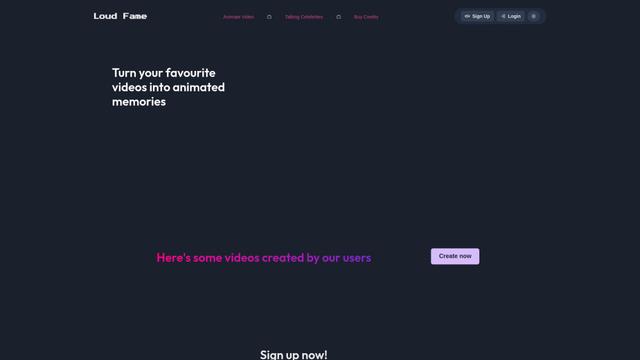
Loud Fame
Loud Fame adalah alat transformasi video bertenaga AI yang memungkinkan pengguna mengubah video biasa menjadi animasi bergaya anime dan membuat video selebriti berbicara yang dihasilkan AI.
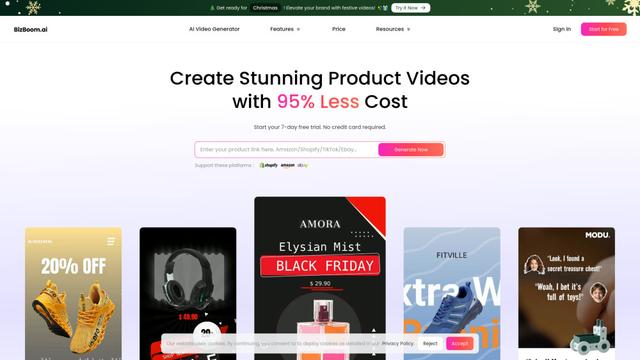
BizBoom.ai
BizBoom.ai adalah platform bertenaga AI yang secara otomatis menghasilkan video produk profesional dari tautan dan gambar produk dengan biaya 95% lebih rendah.
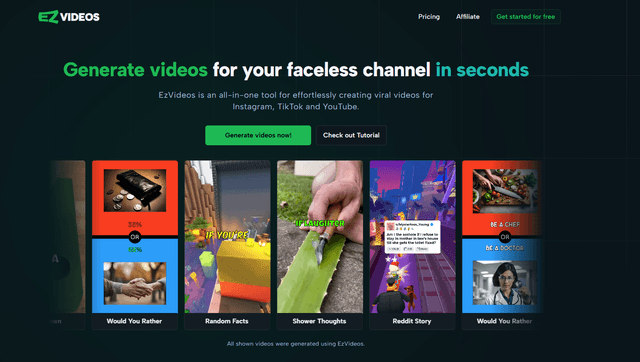
EzVideos
EzVideos adalah alat pembuatan video all-in-one yang membantu pengguna menghasilkan video viral untuk platform media sosial seperti Instagram, TikTok, dan YouTube dengan fitur pengeditan otomatis dan sumber daya bawaan.
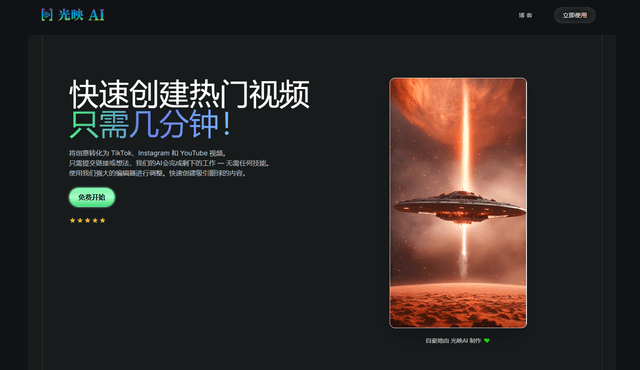
Illuminix
Illuminix adalah platform bertenaga AI yang memberdayakan bisnis dengan hyper-experts otonom dan alat khusus untuk proses bisnis otomatis, manajemen data, dan pembuatan konten video.
Alat AI Populer Seperti Astorie
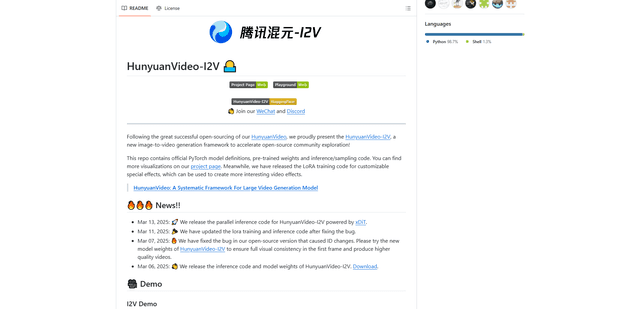
HunyuanVideo-I2V
HunyuanVideo-I2V adalah kerangka kerja AI sumber terbuka yang dikembangkan oleh Tencent yang mengubah gambar statis menjadi video dinamis berkualitas tinggi dengan efek gerakan yang dapat disesuaikan dan konsistensi visual yang luar biasa.
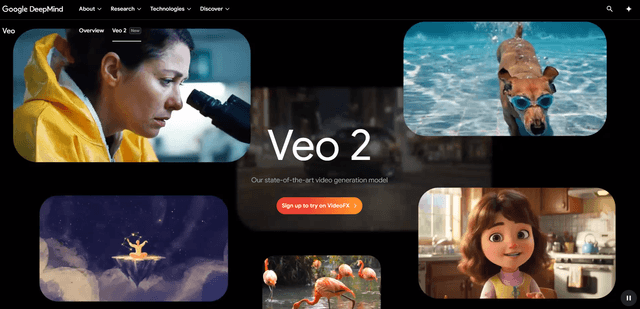
Google Veo 2
Veo 2 adalah model generasi video AI canggih dari Google DeepMind yang dapat membuat video berkualitas tinggi hingga resolusi 4K dengan gerakan realistis, kontrol kamera yang luas, dan simulasi fisika yang lebih baik dari pengaturan teks.
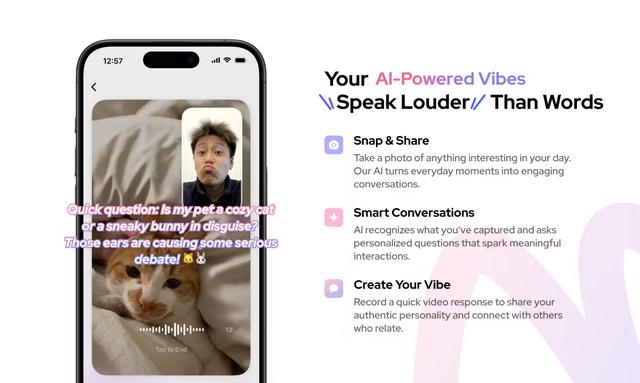
Vibing
Vibing adalah aplikasi kencan yang didukung AI yang membantu pengguna membagikan momen autentik melalui cerita video dan menjalin koneksi yang tulus berdasarkan pencocokan kepribadian dan fitur interaktif.
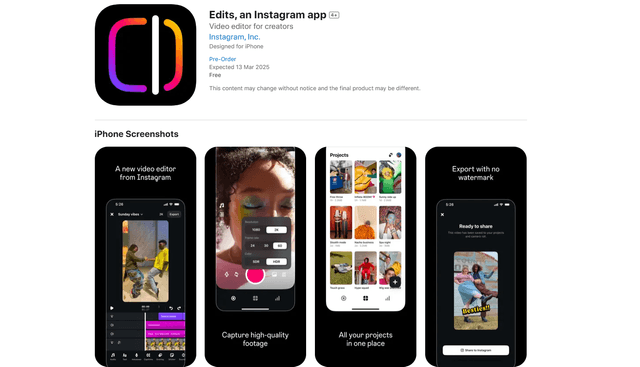
Edits, an Instagram app
Edits adalah aplikasi pembuatan video gratis dari Instagram yang menyediakan pembuat dengan alat pengeditan profesional, fitur AI, dan kemampuan analitik untuk membuat video berkualitas tinggi langsung dari ponsel mereka.