
Starchild-1 by Odyssey
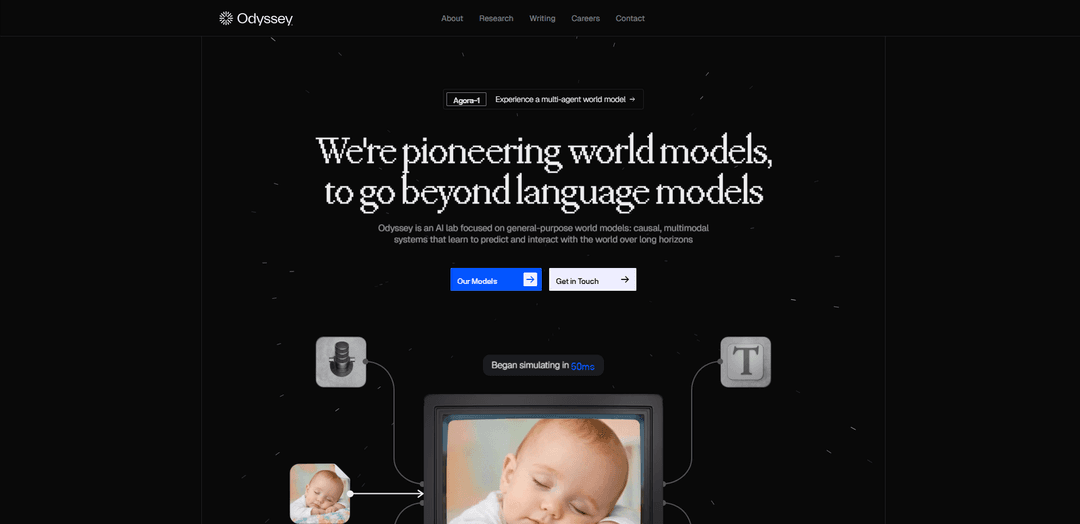
Starchild-1 by Odyssey is a real-time multimodal world model that autoregressively generates synchronized video and audio while continuously responding to streaming user input for interactive, long-horizon simulations.
https://odyssey.ml/?ref=producthunt
Product Information
Updated:Jun 8, 2026
What is Starchild-1 by Odyssey
Starchild-1 is Odyssey’s preview “multimodal world model,” designed to simulate the world in a more natural, interactive way than video-only models. Instead of producing short, offline clips, it runs as a responsive simulation that can keep going while a user provides live input (e.g., text, speech, or action controls). Odyssey positions Starchild-1 as an early step toward general-purpose world simulators that learn from richer multimodal interaction—capturing not just what the world looks like, but also how it sounds as it changes over time.
Key Features of Starchild-1 by Odyssey
Starchild-1 by Odyssey is a real-time multimodal world model that autoregressively generates synchronized video and audio while continuously responding to streaming user input (e.g., text, speech, or actions). It is positioned as an early step beyond “silent” visual-only world models toward richer interactive simulation, emphasizing low-latency, persistent rollouts, and tight audio-visual alignment so users (or agents) can steer an evolving scene in a more natural, expressive way for applications like interactive AI systems, gaming, education, robotics, and other immersive experiences.
Real-time synchronized audio + video generation: Generates visuals and sound together as part of the same evolving scene, rather than adding audio as an afterthought, aiming to keep timing and environmental cues aligned.
Autoregressive, interactive world simulation: Rolls out the next moments of a scene step-by-step in real time, enabling continuous interaction instead of producing a fixed, offline video clip.
Continuous response to streaming inputs: Designed to stay controllable while inputs arrive live (such as text, speech, or action/control signals), allowing users or agents to steer what happens next.
Multimodal learning signal beyond visuals: Incorporates audio as a core modality, which can force learning of hidden physical and social structure (e.g., impacts, motion, intent, emotion) that silent video can miss.
Low-latency, long-horizon interaction focus: Marketed around responsiveness and persistence during ongoing use—key criteria for interactive simulations where small errors can compound over time.
Audio-video synchronization architecture: Uses an approach described as enabling audio and video to run on their own temporal “clocks” while remaining synchronized during real-time generation.
Use Cases of Starchild-1 by Odyssey
Interactive gaming and immersive simulations: Enables open-ended, controllable audiovisual worlds that react instantly to player inputs, supporting more dynamic gameplay than fixed-length generated clips.
Robotics rehearsal and policy training: Can be used as a simulator-like environment where agents practice navigation/manipulation behaviors and explore outcomes before acting in the real world.
Education and training experiences: Supports interactive audiovisual lessons or scenario-based training where learners can ask questions, speak, or take actions and see/hear consequences in real time.
Healthcare guidance and patient support: Powers interactive, empathetic audiovisual assistants that can walk users through environments or procedures with responsive dialogue and contextual sound/visual cues.
Retail, hospitality, and customer-facing agents: Creates more natural “in-world” brand or service agents that can engage users in multimodal, situational interactions rather than text-only chat.
Defense and high-stakes scenario simulation: Generates controllable edge-case and training scenarios where synchronized sound and visuals improve realism for decision-making practice.
Pros
True multimodal interactivity: generates audio and video together while responding live to user input, enabling more immersive experiences.
Better scene grounding potential: audio provides extra signal about physics and intent, which may improve realism and coherence over silent video-only models.
Designed for real-time use: emphasis on low-latency responsiveness and synchronization makes it suitable for interactive applications.
Cons
Early-stage technology: positioned as an early step, so stability, physical accuracy, and long-horizon consistency may still be limited.
Hard synchronization problem: keeping audio-visual alignment and predictability under continuous control is challenging and may degrade over long rollouts.
Safety and societal concerns: highly immersive, responsive simulations can raise misuse risks and concerns about over-reliance or unsettling experiences.
How to Use Starchild-1 by Odyssey
1) Open Odyssey’s site and find Starchild-1: Go to https://odyssey.ml/ and navigate to the “World Model” section. Select “Starchild-1” (it’s described as a real-time multimodal world model that generates synchronized audio + video and responds to streaming user input).
2) Open the Starchild-1 experience (Learn More / demo): Click into the Starchild-1 page via “Learn More” (or any available demo/preview link on that page). This is where Odyssey hosts the interactive experience and supporting materials.
3) Prepare your setup for real-time audio-video: Use a modern browser, enable audio output (unmute the tab/system), and use headphones if you want clearer synchronization between generated sound and visuals. Ensure a stable, low-latency internet connection for real-time streaming.
4) Start a session: Begin the interactive stream/session from the Starchild-1 interface. Starchild-1 is designed to generate audio and video autoregressively in real time while the session is running.
5) Provide streaming input (text, speech, or actions): Use the interface controls to send live input. Based on Odyssey’s description, Starchild-1 can continuously respond to streaming user input such as text prompts, speech, or action/control inputs (depending on what the demo UI exposes).
6) Iterate in real time to steer the simulation: Keep sending incremental instructions or control changes while the model is generating. The key workflow is continuous interaction: observe the evolving scene (video) and sound, then adjust your input to guide what happens next.
7) Evaluate synchronization and responsiveness: As you interact, pay attention to whether audio events match visual events (timing/alignment), whether the scene remains coherent over time (persistence), and whether the system stays responsive under continuous input (latency).
8) Use the technical report to understand capabilities/limits: For deeper usage and expectations, read the Starchild-1 technical report: https://starchild.odyssey.ml/starchild-1.pdf. This provides context on how it works (real-time autoregressive A/V generation, synchronization approach) and what behaviors to expect.
Starchild-1 by Odyssey FAQs
Starchild-1 is Odyssey’s real-time multimodal world model that autoregressively generates synchronized video and audio while continuously responding to streaming user input.
Starchild-1 by Odyssey Video
Popular Articles

Atoms: A Multi-Agent AI Platform That Transforms Ideas into Launch-Ready Products
May 22, 2026

Nano Banana SBTI: What It Is, How It Works, and How to Use It in 2026
Apr 15, 2026

Atoms Review — The AI Product Builder Redefining Digital Creation in 2026
Apr 10, 2026

Kilo Claw: How to Deploy and Use a True "Do‑It‑For‑You" AI Agent(2026 Update)
Apr 3, 2026
Latest AI Tools Similar to Starchild-1 by Odyssey
Loud Fame
Loud Fame is an AI-powered video transformation tool that allows users to convert regular videos into anime-style animations and create AI-generated celebrity talking videos.
BizBoom.ai
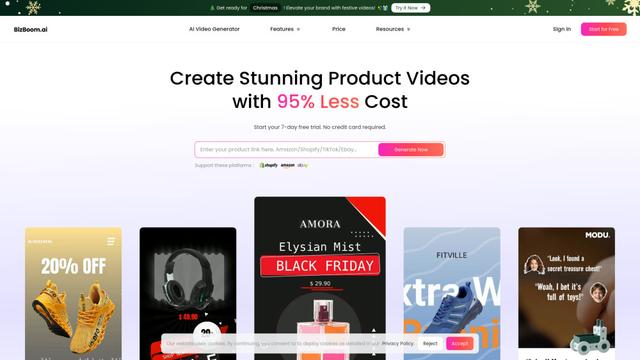
BizBoom.ai is an AI-powered platform that automatically generates professional product videos from product links and images with 95% less cost.
EzVideos
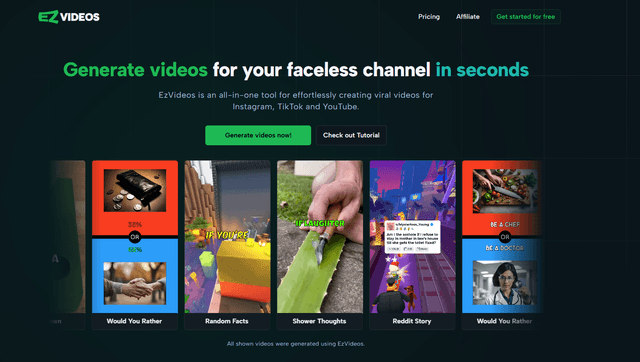
EzVideos is an all-in-one video creation tool that helps users generate viral videos for social media platforms like Instagram, TikTok, and YouTube with automated editing features and built-in resources.
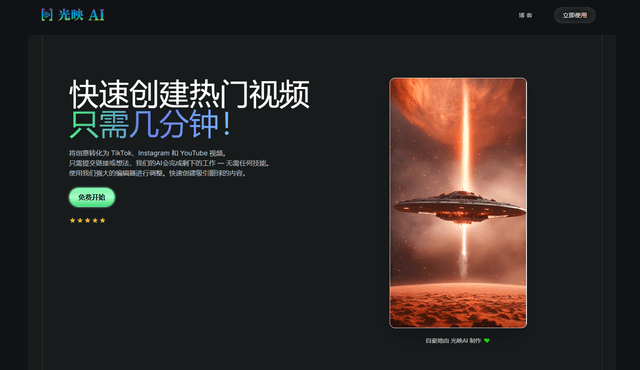
Illuminix
Illuminix is an AI-powered platform that empowers businesses with autonomous hyper-experts and specialized tools for automated business processes, data management, and video content creation.
Popular AI Tools Like Starchild-1 by Odyssey
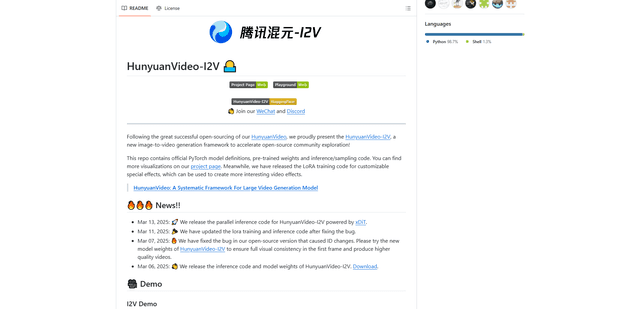
HunyuanVideo-I2V
HunyuanVideo-I2V is an open-source AI framework developed by Tencent that transforms static images into high-quality, dynamic videos with customizable motion effects and exceptional visual consistency.
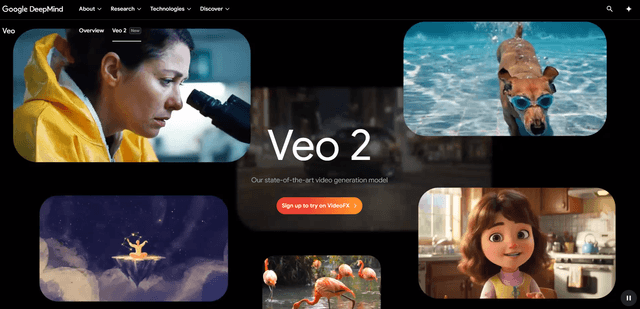
Google Veo 2
Veo 2 is Google DeepMind's state-of-the-art AI video generation model that can create high-quality videos up to 4K resolution with realistic motion, extensive camera controls, and improved physics simulation from text prompts.
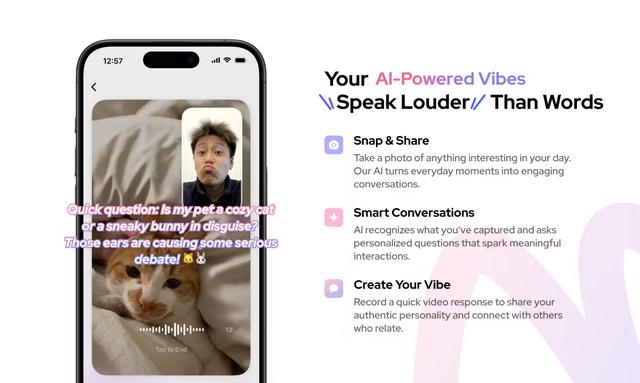
Vibing
Vibing is an AI-powered dating app that helps users share authentic moments through video stories and make genuine connections based on personality matching and interactive features.
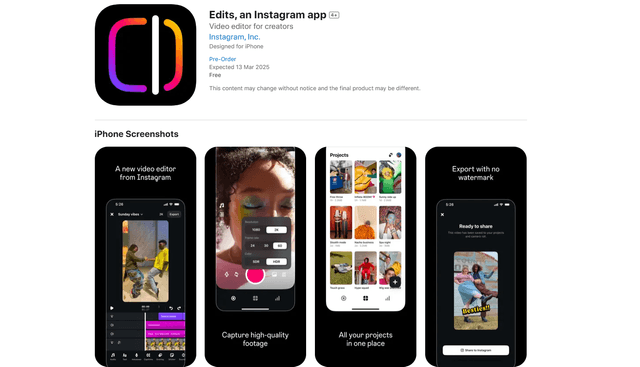
Edits, an Instagram app
Edits is Instagram's free video creation app that provides creators with professional editing tools, AI features, and analytics capabilities to create high-quality videos directly from their phones.