
Manus Skills
Manus Skills are modular, file-system-based resources that transform AI agents into specialized experts by encapsulating workflows, best practices, and domain knowledge into reusable, shareable capabilities that can be built once and deployed across conversations, projects, and platforms.
https://manus.im/blog/manus-skills?ref=producthunt
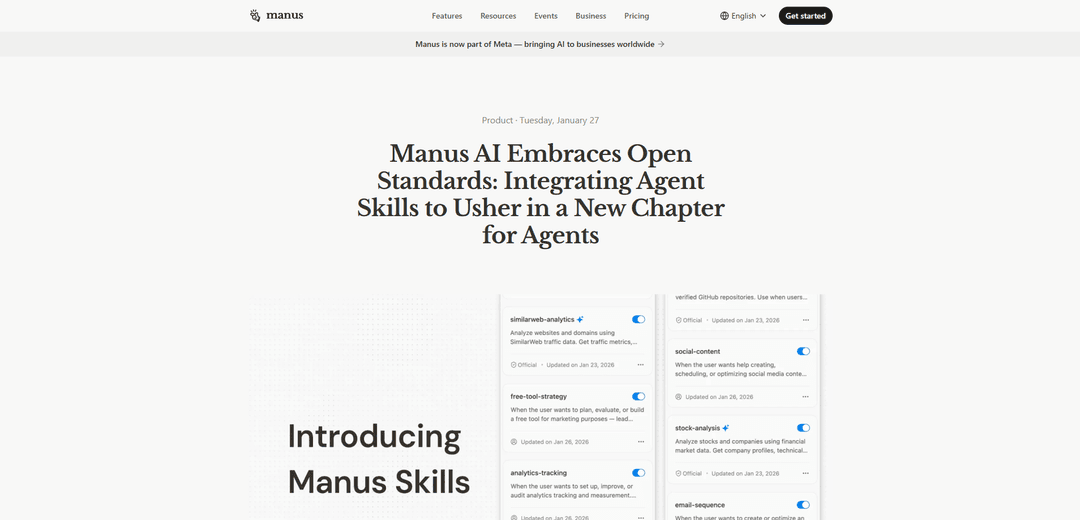
Product Information
Updated:Apr 16, 2026
Manus Skills Monthly Traffic Trends
Manus Skills achieved 14.5M visits with a 4.5% increase in July. The Manus 1.5 update in October significantly improved the speed and reliability of its AI agents, likely contributing to the slight growth in traffic. Additionally, Microsoft's testing of Manus in Windows 11 PCs may have expanded its user base.
What is Manus Skills
Manus Skills is an innovative feature built on the open Agent Skills standard that allows users to package specialized knowledge, complex workflows, and proven best practices into modular, reusable resources for AI agents. Think of Skills as detailed onboarding guides that transform a generalist AI agent into a domain expert capable of handling specific tasks with precision and consistency. Unlike traditional AI instructions that are forgotten after conversations end, Skills are persistent, discoverable resources stored in a file-system-based format. Users can create Skills by capturing successful workflows with a single click, import them from GitHub repositories, upload them directly, or browse curated Skills from the official library. These Skills can be customized for specific domains like legal review, financial analysis, brand content creation, or market research, and can be combined to create powerful multi-step workflows that handle complex tasks autonomously.
Key Features of Manus Skills
Manus Skills is an innovative feature that transforms successful AI workflows into reusable, modular capabilities through an open standard framework. It allows users to package their best practices into Skills with automatic SKILL.md file generation, share them across teams through dedicated libraries, and compose complex multi-step workflows by combining multiple Skills. The system uses progressive disclosure to efficiently manage context, loading metadata, instructions, and resources only when needed, while running in a secure sandbox environment with full Ubuntu filesystem access and native Python/Bash script execution capabilities.
Build a Skill with Manus: One-click feature that automatically analyzes successful interaction flows and packages them into reusable Skills by generating SKILL.md files and bundling relevant scripts, capturing personal know-how and best practices for future use.
Team Skill Library: Shared organizational repository where team members can publish battle-tested Skills, enabling seamless knowledge transfer, lowering barriers to entry for new members, and fostering collaborative improvement across the entire organization.
Progressive Disclosure Architecture: Three-level loading system that efficiently manages context by loading skill metadata at startup, instructions when triggered, and resources only on demand, minimizing token consumption while maximizing capability.
Multiple Import Methods: Flexible skill acquisition through direct upload of .zip or .skill files, import from GitHub repositories, browsing the official curated library, or creating custom skills from successful workflows.
Precise Skill Triggering: Slash command system (/SKILL_NAME) that allows explicit activation of specific Skills in chat, ensuring reliable and predictable execution of desired workflows with full user control.
Native Sandbox Execution: Complete Ubuntu environment with full filesystem access and shell execution capabilities that reads SKILL.md files, executes Python/Bash scripts, and orchestrates workflows automatically in a secure isolated VM.
Use Cases of Manus Skills
Market Research Automation: Skills can automate the entire market research process by guiding Manus to browse specific websites, execute data analysis scripts on downloaded information, and generate comprehensive reports using preset templates.
Event Management Workflow: Create complete event setups in 15 minutes including marketing materials, funnels, email campaigns, ads, video sales letters, invites, and post-event follow-ups by packaging the entire workflow into a reusable Skill.
Domain-Specific Specialization: Customize AI capabilities for specific professional domains such as legal document review, financial analysis, or brand content creation, transforming a generalist agent into a specialized expert.
New Employee Onboarding: Lower barriers to entry by enabling new team members to use Skills created by experienced colleagues, providing them with instant access to organizational best practices and standard operating procedures.
Project-Specific Toolkits: Build dedicated capability libraries for specific projects by curating Skills from team pools or personal collections, creating self-contained intelligent workspaces with single sources of truth for task completion.
Consulting Business Management: Run entire consulting operations using Skills as a personal Chief of Staff, automating repetitive workflows for client deliverables, reports, presentations, and communications across multiple engagements.
Pros
Eliminates repetitive thinking and trial-and-error by capturing successful workflows as reusable assets, significantly boosting personal and team productivity
Open standard architecture ensures compatibility across multiple AI platforms and enables collaborative ecosystem development
Progressive disclosure mechanism efficiently manages context consumption, using only ~100 tokens per skill at startup and loading resources on demand
Seamless integration of specialized knowledge with powerful multi-tool capabilities (browser automation, code execution, file operations) creates significant synergistic effects
Cons
Learning curve exists for understanding skill structure and creation, requiring users to browse official libraries and documentation to get started effectively
Reliability issues reported by some users when workflows become more complex or demanding at scale
Limited customization compared to fully custom-built solutions, as skills must conform to the standardized SKILL.md format
Requires Pro or Team membership for advanced features like custom skill creation, team sharing, and early access to beta capabilities
How to Use Manus Skills
1. Access the Skills Library: Type / in the chat input box to bring up a list of your available Skills. You can browse Skills from your personal library, team library (for team plan users), or the official curated library maintained by the Manus team.
2. Add a Skill (Method 1: Create from Existing Workflow): Complete a task with Manus that you'd like to reuse repeatedly. Once satisfied with the result, say 'Package this workflow as a Skill.' Manus will automatically analyze the interaction, generate a SKILL.md file, and bundle any relevant scripts.
3. Add a Skill (Method 2: Upload Directly): Upload a .zip file, .skill file, or folder directly to your workspace containing the Skill files (SKILL.md and associated scripts).
4. Add a Skill (Method 3: Import from GitHub): Click + Add in the Skills tab and choose 'Import from GitHub.' Paste the repository URL containing the Skill. Manus will clone the repo and find the SKILL.md file. Before using, ask Manus to analyze the SKILL.md file and scripts to identify any potential security risks.
5. Add a Skill (Method 4: From Official Library): Browse the curated Skills library maintained by the Manus team. Select pre-built Skills for common tasks like market research, financial analysis, legal review, or brand content creation.
6. Activate a Skill: Type /SKILL_NAME in the chat input to explicitly trigger a specific Skill. This loads the Skill's instructions and executes its workflow. The Skill will guide Manus through the specialized task using its embedded knowledge and scripts.
7. Use Skills in Projects: Add Skills to specific projects to create a dedicated, curated library for each project. Build project-specific libraries by adding Skills from your personal collection or team's shared pool to create the perfect workflow for that initiative.
8. Combine Multiple Skills: Leverage the composability feature by combining multiple Skills for complex, multi-step workflows. For example, combine a research Skill with a content creation Skill and an email Skill to automate end-to-end processes.
9. Share Skills with Team (Team Plan): Publish your validated, high-efficiency personal Skills to the Team Skill Library. Team members can then access and use these Skills, enabling knowledge sharing and scaling expertise across the organization.
10. Review and Understand Skills: Before using any Skill, especially community-built ones, read the SKILL.md file to understand its functionality, parameters, and any potential security risks. The file uses progressive disclosure with metadata, instructions, and resources loaded only when needed.
Manus Skills FAQs
Manus Skills are modular, file-system-based resources that encapsulate a specific capability or workflow. They act as detailed instructions or an 'onboarding guide' for your Manus agent, enabling it to perform specialized tasks with precision and consistency. Skills package expertise, workflows, and best practices into reusable resources that transform a generalist agent into a domain expert.
Manus Skills Video
Popular Articles

Vosko AI: Localize and Dub Videos for Global Audiences
Oct 15, 2026
Atoms: A Multi-Agent AI Platform That Transforms Ideas into Launch-Ready Products
Oct 13, 2026
Nano Banana SBTI: What It Is, How It Works, and How to Use It in 2026
Apr 15, 2026

Atoms Review — The AI Product Builder Redefining Digital Creation in 2026
Apr 10, 2026
Analytics of Manus Skills Website
Manus Skills Traffic & Rankings
14.5M
Monthly Visits
#3458
Global Rank
#8
Category Rank
Traffic Trends: Mar 2025-Oct 2025
Manus Skills User Insights
00:07:21
Avg. Visit Duration
5.18
Pages Per Visit
35.93%
User Bounce Rate
Top Regions of Manus Skills
BR: 34.46%
US: 11.12%
JP: 6.18%
SA: 3.29%
CN: 2.8%
Others: 42.16%
Latest AI Tools Similar to Manus Skills
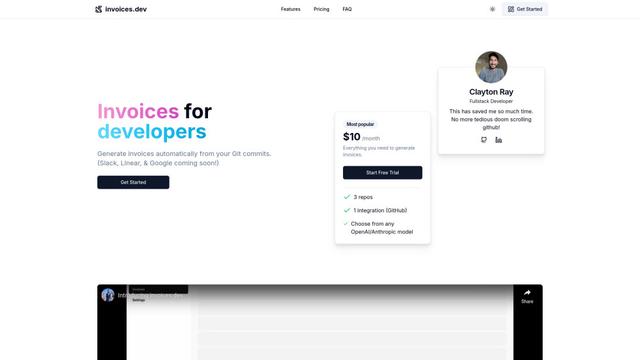
invoices.dev
invoices.dev is an automated invoicing platform that generates invoices directly from developers' Git commits, with integration capabilities for GitHub, Slack, Linear, and Google services.
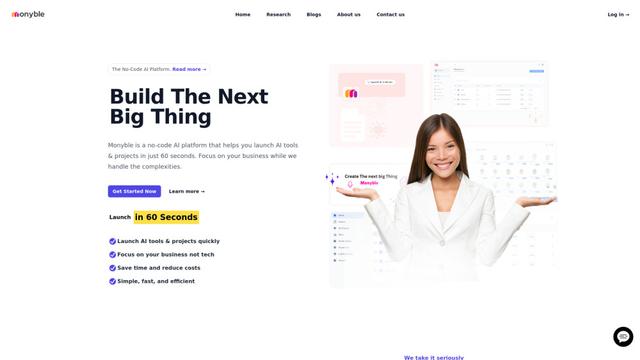
Monyble
Monyble is a no-code AI platform that enables users to launch AI tools and projects within 60 seconds without requiring technical expertise.
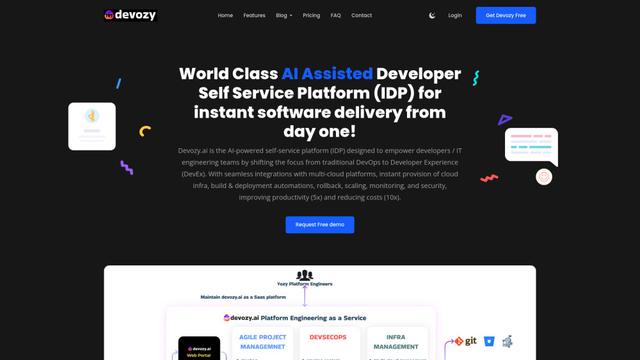
Devozy.ai
Devozy.ai is an AI-powered developer self-service platform that combines Agile project management, DevSecOps, multi-cloud infrastructure management, and IT service management into a unified solution for accelerating software delivery.
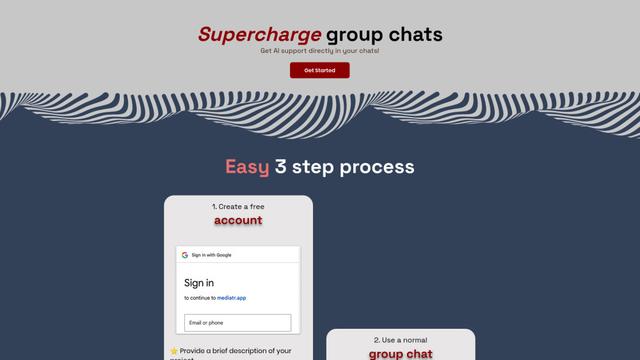
Mediatr
MediatR is a popular open-source .NET library that implements the Mediator pattern to provide simple and flexible request/response handling, command processing, and event notifications while promoting loose coupling between application components.
Popular AI Tools Like Manus Skills
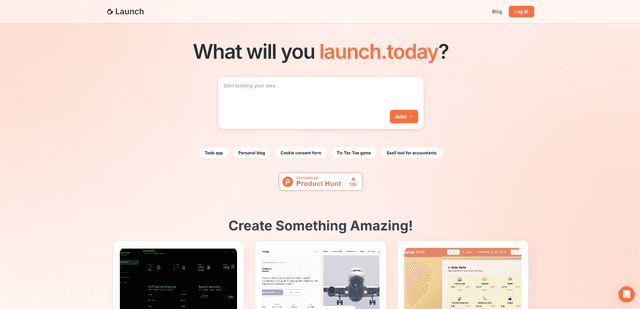
Launch
Launch is an AI-powered platform that enables users to build full-stack applications instantly while providing comprehensive tools for product launches, entrepreneurship programs, and customer acquisition.

GitHub Copilot Chat
GitHub Copilot Chat is an AI-powered coding assistant that provides natural language interactions, real-time code suggestions, and contextual support directly within supported IDEs and GitHub.com.
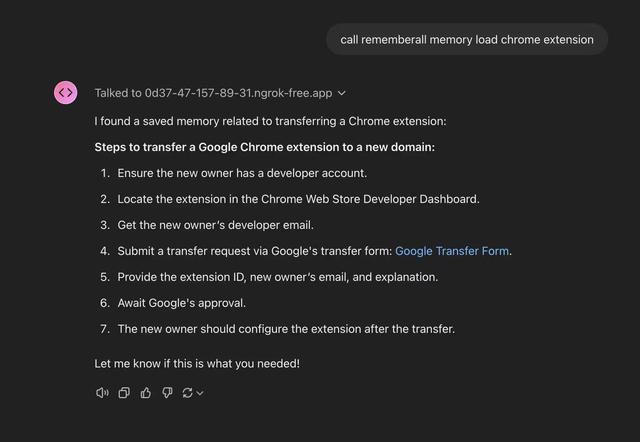
Rememberall
Rememberall is a secure, open-source long-term memory solution that enables AI applications and GPT models to maintain persistent memory across conversations through semantic search and vector storage capabilities.
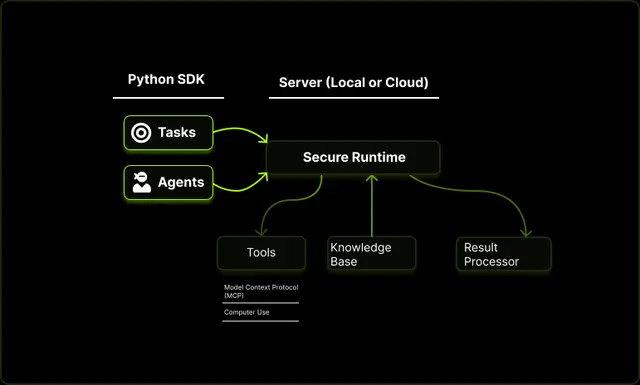
Upsonic
Upsonic is a reliability-focused AI agent framework with dockerized server-client architecture that enables trusted agent workflows through advanced features like verification layers, triangular architecture, and Model Context Protocol (MCP) integration.