
LangChain
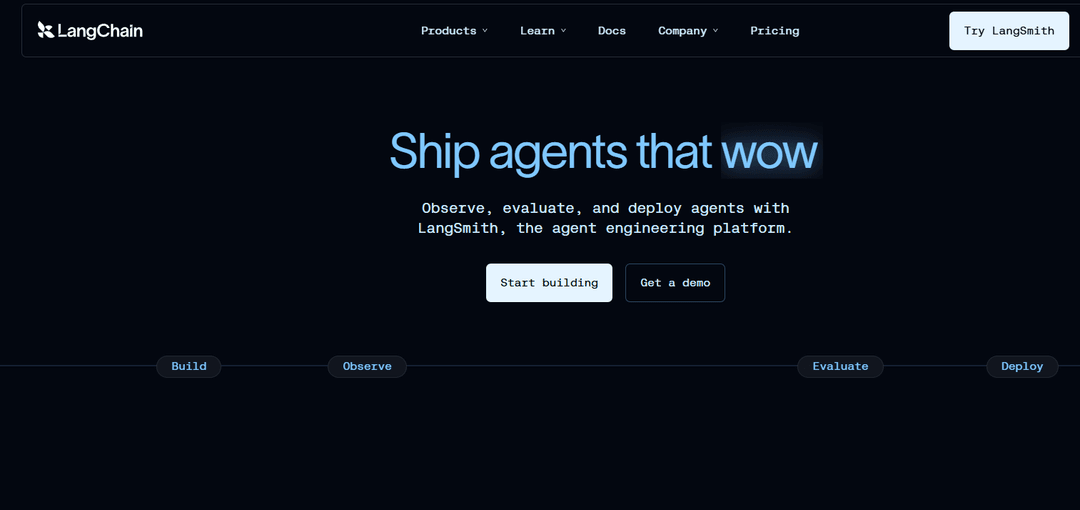
LangChain é uma estrutura de código aberto que simplifica o desenvolvimento de aplicações alimentadas por LLM, fornecendo interfaces padronizadas, componentes pré-construídos e recursos de integração contínua com vários modelos de linguagem e ferramentas externas.
https://www.langchain.com/?utm_source=aipure
Informações do Produto
Atualizado:Apr 8, 2026
Tendências de Tráfego Mensal do LangChain
LangChain recebeu 2.6m visitas no mês passado, demonstrando um Leve Crescimento de 1.2%. Com base em nossa análise, essa tendência está alinhada com a dinâmica típica do mercado no setor de ferramentas de IA.
Ver histórico de tráfegoO que é LangChain
LangChain é uma estrutura de software lançada em outubro de 2022 por Harrison Chase que permite aos desenvolvedores construir aplicações usando grandes modelos de linguagem (LLMs). Ele serve como um ambiente de desenvolvimento centralizado que fornece uma interface padrão para integrar diferentes LLMs (como OpenAI, Anthropic, Google) com fontes de dados externas e fluxos de trabalho de software. A estrutura se tornou um dos projetos de código aberto de crescimento mais rápido no GitHub, desempenhando um papel significativo em tornar a IA generativa mais acessível a desenvolvedores e organizações.
Principais Recursos do LangChain
LangChain é uma estrutura de código aberto que simplifica o desenvolvimento de aplicações alimentadas por LLM, fornecendo componentes modulares, interfaces padronizadas e ferramentas abrangentes. Permite que os desenvolvedores construam, testem e implementem agentes de IA com recursos como interoperabilidade de modelos, integração de fontes de dados, gerenciamento de memória e fluxos de trabalho estruturados por meio de cadeias e agentes. A estrutura inclui suporte integrado para monitoramento, avaliação e depuração por meio de integrações como o LangSmith.
Arquitetura Modular: Permite que os desenvolvedores troquem facilmente componentes como modelos de linguagem, fontes de dados e etapas de processamento sem interromper toda a aplicação, permitindo prototipagem e experimentação rápidas
Gerenciamento de Memória: Simplifica o tratamento do contexto e do histórico conversacional entre as interações, com suporte integrado para vários tipos de sistemas de armazenamento e recuperação de memória
Cadeias e Agentes: Fornece a capacidade de criar fluxos de trabalho de várias etapas (cadeias) e agentes autônomos de tomada de decisão que podem usar ferramentas e APIs para realizar tarefas complexas
Integração de Fontes de Dados: Oferece integração perfeita com fontes de dados externas, APIs e ferramentas, permitindo que os LLMs acessem e utilizem informações e capacidades do mundo real
Casos de Uso do LangChain
Chatbots Inteligentes: Crie agentes conversacionais sofisticados que podem manter o contexto, acessar dados externos e executar tarefas complexas em vários turnos de diálogo
Análise de Documentos: Crie aplicações que podem processar, analisar e resumir grandes volumes de documentos, mantendo a referência aos materiais de origem
Assistência à Pesquisa: Desenvolva agentes de IA que podem conduzir pesquisas abrangentes, combinando informações de várias fontes e gerando insights estruturados
Automação de Processos: Crie agentes autônomos que podem lidar com fluxos de trabalho complexos, tomando decisões e executando ações em várias ferramentas e sistemas
Vantagens
Estrutura altamente flexível e adaptável que oferece suporte a vários LLMs e ferramentas
Ambiente de desenvolvimento abrangente com recursos integrados de depuração e monitoramento
Forte suporte da comunidade com mais de 1.000 colaboradores e extensa documentação
Desvantagens
Pode exigir uma sobrecarga de armazenamento significativa devido ao ramificação frequente em aplicações complexas
Curva de aprendizado para desenvolvedores iniciantes no desenvolvimento de aplicações LLM
Complexidade no gerenciamento e otimização de implementações em grande escala
Como Usar o LangChain
Instale o LangChain: Instale a biblioteca LangChain usando pip install langchain. Você também precisará instalar quaisquer dependências adicionais com base em qual provedor de LLM você planeja usar.
Configure as chaves de API: Gere e armazene com segurança as chaves de API para o provedor de LLM escolhido (por exemplo, OpenAI). Armazene-as como variáveis de ambiente para segurança.
Importe as bibliotecas necessárias: Importe os módulos LangChain necessários, como LLMs, PromptTemplates, Chains, etc., com base no seu caso de uso.
Inicialize o LLM: Configure seu modelo de linguagem inicializando-o com sua chave de API. Por exemplo: from langchain.llms import OpenAI; llm = OpenAI(openai_api_key='YOUR_API_KEY')
Crie modelos de prompt: Defina modelos de prompt para estruturar suas entradas para o LLM de forma consistente. Isso ajuda a formatar as entradas do usuário em prompts adequados.
Construa correntes: Construa correntes para combinar vários componentes (prompts, LLMs, memória, etc.) em um único fluxo de trabalho usando o LCEL (LangChain Expression Language) com o operador |.
Adicione memória (opcional): Implemente componentes de memória como ConversationBufferMemory ou SummaryMemory se sua aplicação precisar manter o contexto entre as interações.
Integre ferramentas (opcional): Adicione ferramentas e agentes se precisar de recursos adicionais, como pesquisa na web, cálculos ou chamadas de API. Use as funções load_tools e initialize_agent.
Use o LangSmith para depuração: Integre o LangSmith para rastrear solicitações, depurar o comportamento do agente e avaliar as saídas durante o desenvolvimento.
Implante e dimensione: Use os recursos de implantação do LangSmith para enviar seu agente para produção com recursos como gerenciamento de memória, encadeamento de conversas e checkpointing.
Perguntas Frequentes do LangChain
LangChain é uma estrutura de código aberto com arquiteturas de agentes pré-construídas e integrações para modelos, ferramentas e bancos de dados que ajuda a padronizar a forma como você interage com diferentes modelos de linguagem. Ele permite que você troque perfeitamente de provedores e evite o bloqueio ao construir agentes e aplicativos alimentados por LLM.
Vídeo do LangChain
Artigos Relacionados
Artigos Populares

Atoms: Uma Plataforma de IA Multiagente Que Transforma Ideias em Produtos Prontos para Lançamento
May 22, 2026

Nano Banana SBTI: O Que É, Como Funciona e Como Usá-lo em 2026
Apr 15, 2026

Análise do Atoms — O Construtor de Produtos de IA Redefinindo a Criação Digital em 2026
Apr 10, 2026

Kilo Claw: Como Implementar e Usar um Verdadeiro Agente de IA "Faça Você Mesmo" (Atualização de 2026)
Apr 3, 2026
Análises do Site LangChain
Tráfego e Classificações do LangChain
2.6M
Visitas Mensais
#17265
Classificação Global
#375
Classificação por Categoria
Tendências de Tráfego: Jul 2024-Jun 2025
Insights dos Usuários do LangChain
00:06:18
Duração Média da Visita
6.16
Páginas por Visita
44.62%
Taxa de Rejeição dos Usuários
Principais Regiões do LangChain
US: 17.13%
IN: 16.23%
CN: 13.37%
KR: 4.35%
GB: 3.44%
Others: 45.48%
Ferramentas de IA Mais Recentes Semelhantes a LangChain
10xBeast
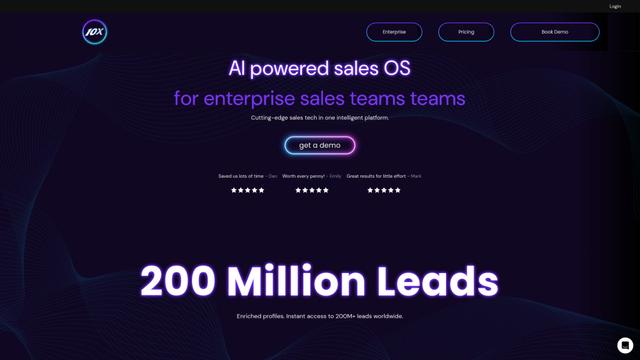
10xBeast é uma plataforma de vendas impulsionada por IA que ajuda as empresas a automatizar e personalizar o alcance de e-mails frios para converter leads em clientes em apenas alguns cliques.
Inbox AI
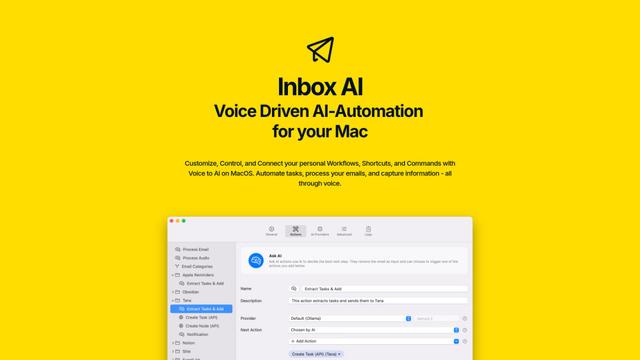
Inbox AI é um aplicativo de produtividade focado na privacidade do MacOS que combina automação impulsionada por IA orientada por voz com capacidades de gestão de e-mails, permitindo que os usuários criem fluxos de trabalho e comandos personalizados, oferecendo opções de IA tanto baseadas em nuvem quanto no dispositivo.

MailSense
MailSense é um assistente de e-mail alimentado por IA que filtra, resume e gera respostas para e-mails através de uma interface de bot do Telegram para ajudar os usuários a gerenciar sua caixa de entrada de forma mais eficiente.
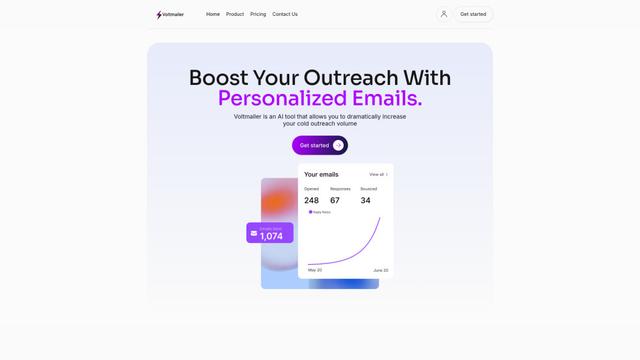
Voltmailer
Voltmailer é uma ferramenta de automação de e-mails impulsionada por IA que ajuda as empresas a escalarem seu alcance frio gerando e-mails personalizados através da coleta de dados de sites e personalização automatizada.
Ferramentas de IA Populares Como LangChain

Mailmeteor AI for Gmail
Mailmeteor é uma poderosa extensão do Gmail que combina redação de e-mail com IA, mala direta, follow-ups automatizados e capacidades de exportação de e-mail para aumentar a produtividade e o gerenciamento de e-mails dentro do Gmail.
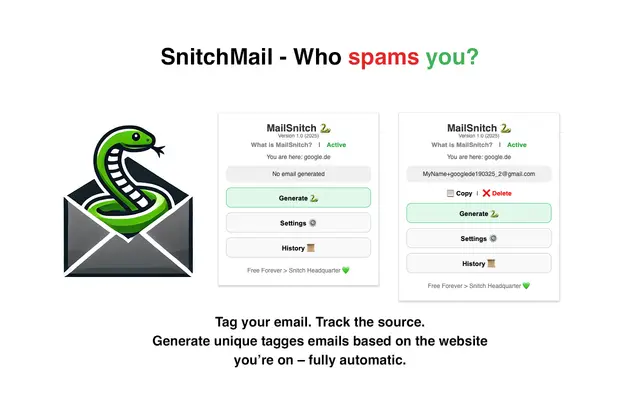
MailSnitch
MailSnitch é uma extensão gratuita de rastreamento de e-mail e anti-spam para Chrome que ajuda os usuários a identificar fontes de spam por meio de um sistema automatizado de marcação e rastreamento de e-mail.

MailMood - AI Email Rewriter
MailMood é uma extensão do Chrome que transforma instantaneamente mensagens do Gmail em linguagem comercial profissional, limpa e confiante com três opções de tom diferentes - corporativo, casual ou assertivo - tudo com apenas um clique.

Apparent for Gmail
O Apparent para Gmail é uma extensão do Chrome que aprimora a legibilidade e a usabilidade do Gmail, reorganizando as conversas, simplificando os layouts e otimizando os fluxos de trabalho, mantendo a privacidade e a segurança.