Kim Personal Health Assistant
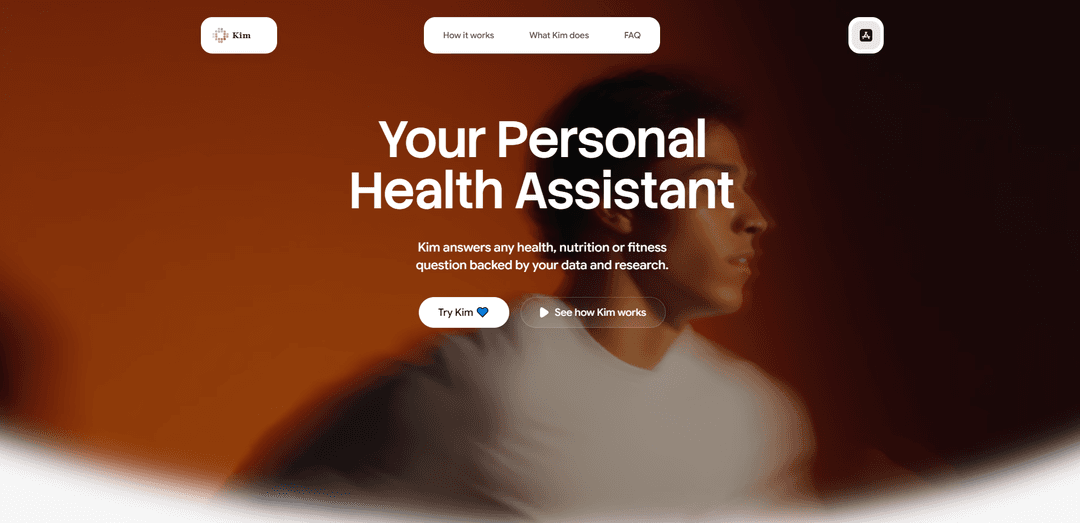
Kim Personal Health Assistant is an AI health, nutrition, and fitness assistant that connects your wearable, bloodwork, food, and supplement data to deliver research-backed, personalized insights, optimization guidance, and weekly progress reports.
https://www.oculimedical.com/?ref=producthunt
Product Information
Updated:Jun 8, 2026
What is Kim Personal Health Assistant
Kim Personal Health Assistant is a personal AI health app designed to help you understand what’s happening inside your body by bringing your key health inputs into one interface—wearable metrics, blood lab results, nutrition logs, and supplement stacks. Instead of only showing raw numbers, Kim answers health questions in plain language using your own data and cited research, and helps you translate “normal” lab ranges into what may be more optimal for your age, sex, and goals. It’s built for people who want a single place to visualize health data, ask questions, and get actionable next steps.
Key Features of Kim Personal Health Assistant
Kim Personal Health Assistant is a data-driven health, nutrition, and fitness assistant that connects to your wearable and lab/bloodwork data, visualizes it in one interface, and answers personalized questions using both your data and cited research. It goes beyond “normal” lab ranges by interpreting results relative to your age, sex, and goals, and it helps you take action through features like supplement stack optimization (interactions, timing, gaps), weekly body reports, and pattern detection that links behaviors (e.g., supplements, sleep habits, nutrition) to outcomes (e.g., deep sleep, recovery).
Wearable + bloodwork data integration: Connects your wearable signals and lab/blood data so you can view and interpret what’s happening inside your body in a single interface.
Personalized Q&A backed by data and research: Answers health, nutrition, and fitness questions using your own tracked data, with responses supported by cited web sources.
Optimal-range interpretation (not just “normal”): Explains whether lab values are truly optimal for your age, sex, and goals, rather than relying only on standard reference ranges.
Supplement stack optimizer: Reviews your supplement “stack” for potential interactions, timing mistakes, and missing gaps, cross-referencing recommendations with your labs and wearable trends.
Weekly body report: Provides a weekly summary of what improved, what didn’t, and clear guidance on what to change next week across areas like sleep, recovery, and calories.
Pattern detection & insights: Surfaces correlations in your logs (e.g., magnesium nights vs. deep sleep duration) and turns them into actionable insights and prompts.
Use Cases of Kim Personal Health Assistant
Personal wellness optimization: Individuals can use Kim to connect wearables and labs, identify drivers of sleep/recovery changes, and get concrete weekly adjustments for habits, food, and supplements.
Supplement and nutrition planning: People managing complex supplement routines can use Kim to check timing, interactions, and gaps, and align choices with bloodwork and tracked outcomes.
Fitness and training support: Active users can track recovery and sleep alongside activity data, then ask Kim what’s helping or hurting performance and what to modify next.
Preventive health monitoring between checkups: Users can interpret trends in labs and wearable metrics over time, using Kim’s “optimal vs normal” framing to guide informed discussions with clinicians.
Coaching and client reporting workflows: Health, nutrition, or fitness coaches can use Kim’s consolidated data views and weekly reports to streamline check-ins and provide evidence-informed recommendations.
Pros
Highly personalized: recommendations and answers are grounded in your own wearable, nutrition, supplement, and bloodwork data.
Action-oriented outputs: weekly reports and pattern insights translate data into specific next steps.
Research-supported responses: includes source-backed answers rather than purely generic advice.
Cons
Dependent on data quality and completeness: insights may be limited or misleading if wearable/lab/log data is inconsistent or missing.
Not a substitute for medical care: interpreting “optimal” ranges and supplement interactions may still require clinician oversight for safety.
Potential privacy sensitivity: aggregating bloodwork and wearable data in one app increases the importance of strong data protection practices.
How to Use Kim Personal Health Assistant
1) Get the Kim app: Install and open Kim (Your Personal Health Assistant) from the mobile app where it’s available, then start onboarding so Kim can tailor insights to your age, sex, and goals.
2) Connect your wearable data: Link your wearable so Kim can read and visualize your activity, recovery, and sleep (including deep sleep tracking) in one interface.
3) Add your blood/lab data: Upload or enter your bloodwork so Kim can interpret results beyond “normal” lab ranges and assess whether values are optimal for your age, sex, and goals.
4) Track your nutrition: Enable nutrition tracking and log what you eat so Kim can connect food patterns to outcomes like sleep, recovery, and weekly progress.
5) Enter your supplement stack: List all supplements you take (the full stack) so Kim can review interactions, timing issues, and gaps using your bloodwork and wearable signals.
6) Ask health, nutrition, or fitness questions: Use the in-app chat to ask questions; Kim answers using your connected data plus research, and provides source-backed responses.
7) Review “what’s working / what isn’t”: Check Kim’s insights to see which behaviors correlate with better outcomes (e.g., sleep changes on nights you logged magnesium) and what to adjust next.
8) Use pattern detection insights: Open Kim’s “Insight” notifications to explore detected patterns, then tap into details (e.g., comparing deep sleep averages on days with vs. without a supplement).
9) Optimize your supplement timing and safety: Use the Supplement Stack Optimizer to identify timing errors, potential interactions, and missing elements; review recommendations that are cross-referenced with your labs.
10) Read your Weekly Body Report: Each week, review the summary of what improved, what didn’t, and the specific changes Kim recommends for the next week across areas like sleep, recovery, and calories.
11) Iterate based on your goals: Continue logging, syncing, and asking questions so Kim can adapt to your lifestyle and refine recommendations as your data changes over time.
12) Use product ingredient scanning (if available in your app): Scan a product’s ingredient list to help evaluate it within your overall wellness plan and supplement stack.
Kim Personal Health Assistant FAQs
Kim is a personal health assistant app that answers health, nutrition, and fitness questions using your connected data and research-backed (source-backed) information.
Popular Articles

Vosko AI: Localize and Dub Videos for Global Audiences
Oct 15, 2026
Atoms: A Multi-Agent AI Platform That Transforms Ideas into Launch-Ready Products
Oct 13, 2026

Nano Banana SBTI: What It Is, How It Works, and How to Use It in 2026
Apr 15, 2026
Atoms Review — The AI Product Builder Redefining Digital Creation in 2026
Apr 10, 2026
Latest AI Tools Similar to Kim Personal Health Assistant
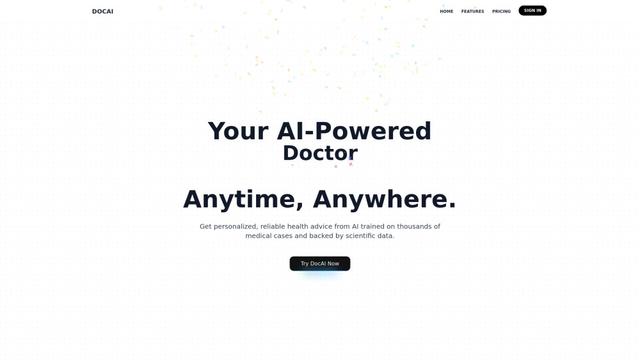
DocAI
DocAI is an AI-powered platform that offers intelligent document processing, medical consultation analysis, and personalized healthcare solutions through advanced machine learning technologies.
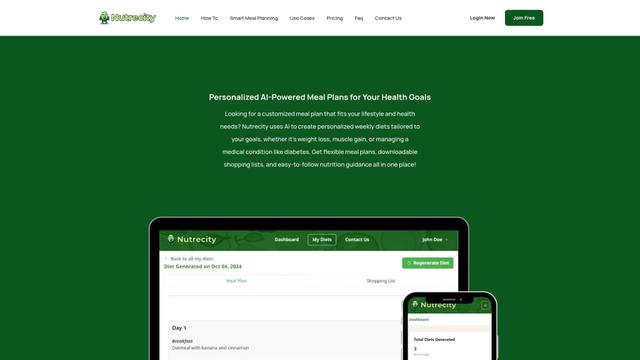
Nutrecity
Nutrecity is an AI-powered meal planning platform that creates personalized nutrition plans tailored to individual health goals, dietary preferences, and restrictions while providing comprehensive nutritional tracking and reporting.
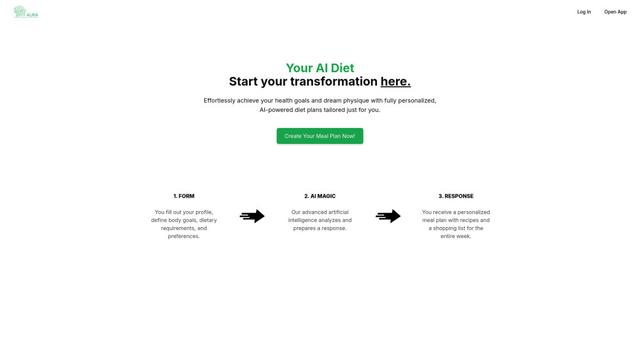
Fit Aura
Fit Aura is an AI-powered diet and nutrition platform that creates personalized meal plans, generates recipes, and helps track fitness progress for achieving health goals.
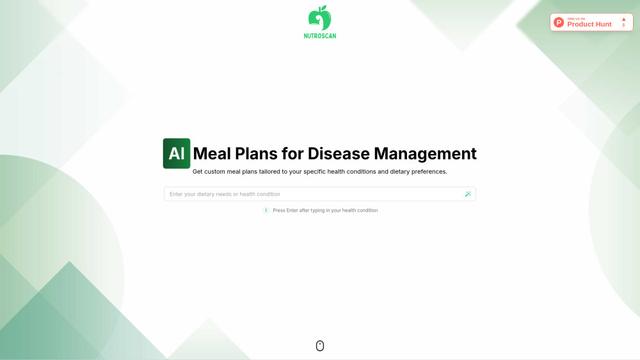
Nutroscan
Nutroscan is an AI-powered meal planning platform that generates personalized nutrition plans based on individual health conditions, dietary preferences, and nutritional needs.
Popular AI Tools Like Kim Personal Health Assistant
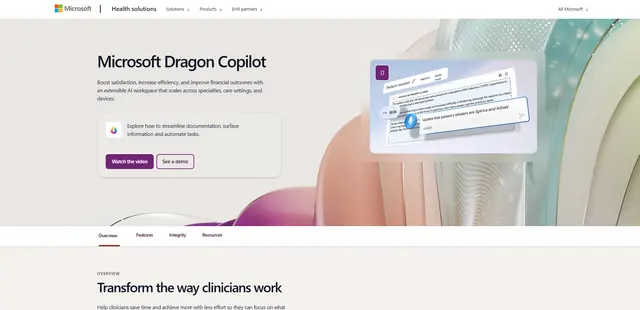
Microsoft Dragon Copilot
Microsoft Dragon Copilot is an AI-powered clinical workflow assistant that combines natural language voice dictation, ambient listening capabilities, and generative AI to streamline documentation, surface information, and automate tasks across healthcare settings.
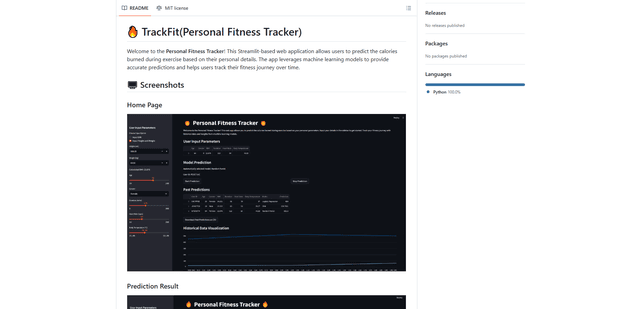
TrackFit
TrackFit is a comprehensive AI-powered fitness tracking system that combines smartwatch sensor data, machine learning models, and personalized analytics to help users monitor workouts, track progress, and improve exercise form in real-time.
HealthyAI - Nutrition Scanner
FreemiumHealthcare
HealthyAI is an AI-powered nutrition scanner app that helps users make healthier food choices by providing instant ingredient analysis, nutritional breakdowns, and personalized recommendations through barcode scanning and photo recognition technology.
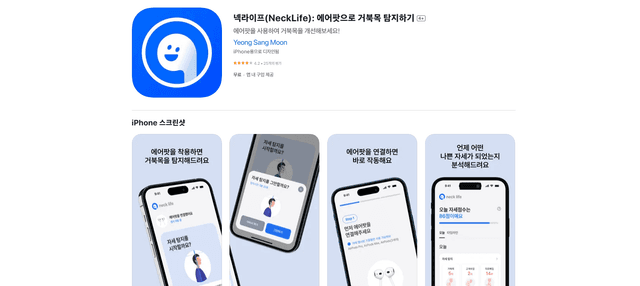
Neck-Life
FreemiumHealthcare
Neck-Life is an innovative app that uses AirPods sensors to monitor neck posture in real-time and helps prevent 'tech neck' through timely alerts and personalized settings.