Grok 4.2
Grok 4.2 is xAI's latest multi-agent AI model featuring four specialized collaborative agents, real-time web integration, and rapid learning capabilities aimed at tackling complex reasoning tasks.
https://grok.com/
Product Information
Updated:Oct 8, 2026
Grok 4.2 Monthly Traffic Trends
The 15.6% slight growth to 204.3M visits, an increase of 27.6M visits, is primarily driven by xAI's rapid product iteration, notably the Grok 4.1 rollout, the launch of Grokipedia, and performance enhancements to Grok Imagine. These continuous feature expansions effectively sustained user engagement and broadened the platform's utility across DeepSearch research and multimedia generation.
What is Grok 4.2
Grok 4.2 (also known as Grok 4.20) is an incremental but significant upgrade within the Grok 4.x model family developed by xAI. Released in early 2026 as a beta version, it introduces a novel multi-agent collaboration system consisting of four specialized AI agents working together to analyze and solve problems from different angles. The model is available through Overchat AI and X (formerly Twitter) platforms for Premium+ and SuperGrok subscribers at $30 per month.
Key Features of Grok 4.2
Grok 4.2 is an advanced AI model featuring a multi-agent architecture with four specialized agents (Captain Grok, Harper, Lucas, and Benjamin) that collaborate to deliver precise, balanced outputs. It builds on the Grok 4.x architecture with improved conversational consistency, better code generation, and real-time web integration. The model includes features like voice interaction, visual input processing, and a context window of up to 256K tokens, making it particularly effective for complex, multi-dimensional problems requiring careful analysis.
Multi-Agent Architecture: Four specialized agents work together in parallel, cross-checking facts and challenging assumptions to provide more accurate and balanced responses
Real-time Integration: Seamlessly pulls current web and X (Twitter) data to provide up-to-date information and responses without separate browsing
Voice and Visual Processing: Supports real-time voice interaction with visual input, allowing users to point their camera at objects and receive live voice responses
Rapid Learning Architecture: Features weekly improvements based on user feedback, enabling continuous enhancement of the model's capabilities
Use Cases of Grok 4.2
Complex Research and Analysis: Ideal for tackling complex queries, fact-checking, and research summarization where bias mitigation and cross-validation are crucial
Software Development: Enhanced code generation and debugging capabilities with tool integration for verification and iteration
Real-time Content Analysis: Can process and analyze live content from various sources, making it useful for media monitoring and content creation
Interactive Learning: Functions as a read-along or watch-along companion that can see and discuss content in real-time
Pros
Superior accuracy and reduced hallucinations due to multi-agent cross-checking
Continuous improvement through rapid learning architecture
Versatile multimodal capabilities combining text, voice, and visual processing
Cons
Limited context window compared to some competitors (256K tokens vs 1M for some others)
Requires specific subscription plans for full access ($30/month for SuperGrok)
No persistent memory - each prompt needs full context
How to Use Grok 4.2
Access Grok Interface: Log in to X (formerly Twitter) or go directly to grok.com and sign in to your account
Enable Grok 4.2 Beta: Open the model selector menu and specifically choose 'Grok 4.2' or 'Grok 4.20 (Beta)' to enable the beta features
Choose Response Style: Go to bottom left > Click Profile > Click Settings to select from 4 response options: Concise (short clear answers), Fast Mode (quick responses powered by Grok 3), Expert Mode (thorough answers using Grok 4), or Custom
Start Interacting: Begin asking questions or giving prompts - Grok 4.2 can handle real-time web searches, coding, math problems, and general queries with its multi-agent system
Utilize Real-Time Features: Take advantage of Grok 4.2's ability to pull current information from the web and X platform for up-to-date answers about news, markets, sports, etc.
Submit Feedback: Provide critical feedback during beta period as Grok 4.2 receives weekly improvements and updates with release notes
Grok 4.2 FAQs
Grok 4.2 is part of the Grok model family that first appeared in late January 2026. It builds on the Grok 4.x architecture with improved conversational consistency, better code generation, and real-time web and X integration capabilities. It's one of the few AI models that reliably builds high-quality interfaces.
Grok 4.2 Video
Related Articles
Popular Articles
Atoms: A Multi-Agent AI Platform That Transforms Ideas into Launch-Ready Products
May 22, 2026
Nano Banana SBTI: What It Is, How It Works, and How to Use It in 2026
Apr 15, 2026

Atoms Review — The AI Product Builder Redefining Digital Creation in 2026
Apr 10, 2026
Kilo Claw: How to Deploy and Use a True "Do‑It‑For‑You" AI Agent(2026 Update)
Apr 3, 2026
Analytics of Grok 4.2 Website
Grok 4.2 Traffic & Rankings
204.3M
Monthly Visits
#165
Global Rank
#4
Category Rank
Traffic Trends: Jan 2025-Oct 2025
Grok 4.2 User Insights
00:07:27
Avg. Visit Duration
5.75
Pages Per Visit
36.49%
User Bounce Rate
Top Regions of Grok 4.2
US: 23.89%
IN: 9.77%
KR: 4.44%
HK: 4.08%
BR: 4.02%
Others: 53.81%
Latest AI Tools Similar to Grok 4.2
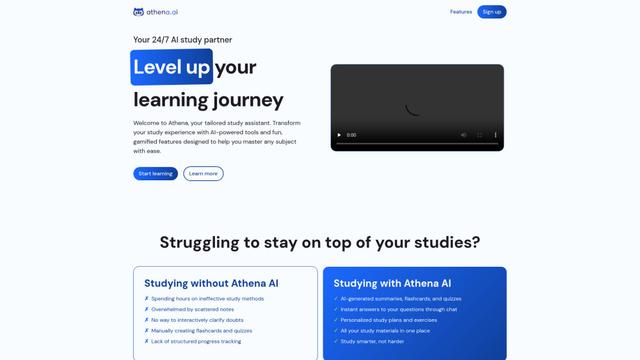
Athena AI
Athena AI is a versatile AI-powered platform offering personalized study assistance, business solutions, and life coaching through features like document analysis, quiz generation, flashcards, and interactive chat capabilities.
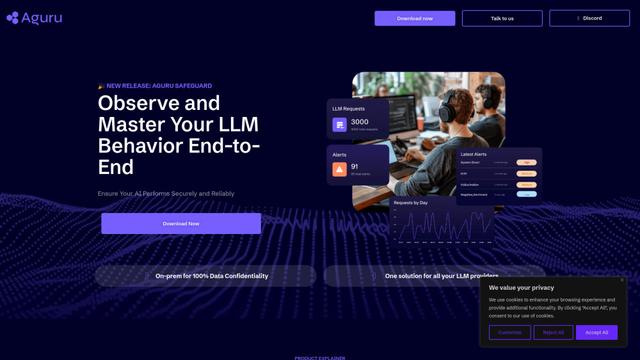
Aguru AI
Aguru AI is an on-premises software solution that provides comprehensive monitoring, security, and optimization tools for LLM-based applications with features like behavior tracking, anomaly detection, and performance optimization.
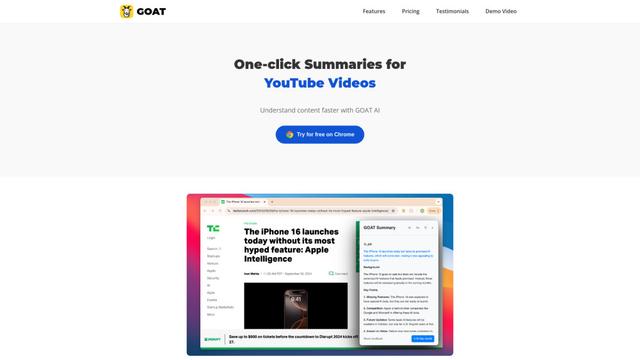
GOAT AI
GOAT AI is an AI-powered platform that provides one-click summarization capabilities for various content types including news articles, research papers, and videos, while also offering advanced AI agent orchestration for domain-specific tasks.
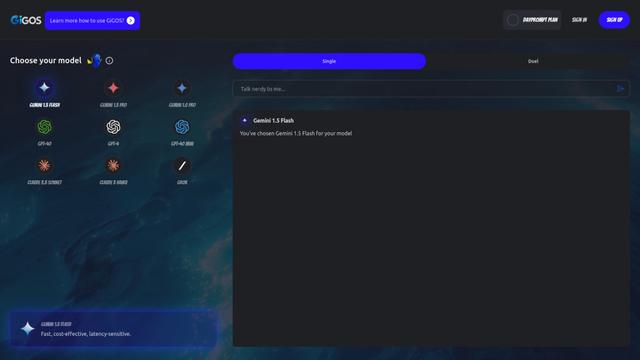
GiGOS
GiGOS is an AI platform that provides access to multiple advanced language models like Gemini, GPT-4, Claude, and Grok with an intuitive interface for users to interact with and compare different AI models.
Popular AI Tools Like Grok 4.2
GPT‑5.5 | ChatGPT Official
GPT‑5.5 in ChatGPT is OpenAI’s latest work-focused model designed to understand complex goals, use tools effectively, check its work, and carry multi-step tasks (coding, research, documents, spreadsheets) through to completion with stronger safeguards.
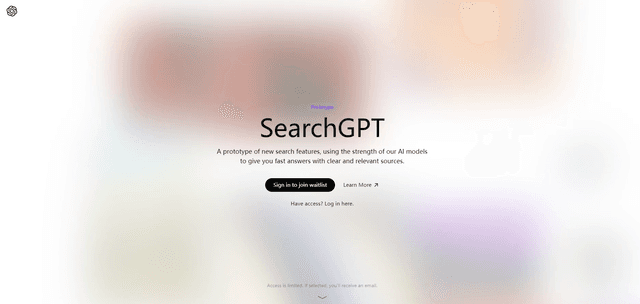
SearchGPT
SearchGPT is an AI-powered search prototype by OpenAI that provides fast, conversational answers with clear sources using GPT models.
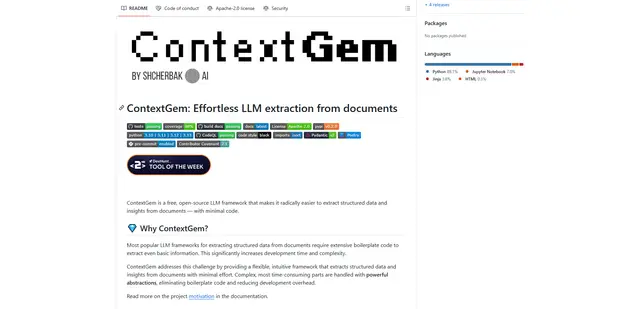
ContextGem
ContextGem is a free, open-source LLM framework that simplifies structured data and insights extraction from documents with minimal code through powerful built-in abstractions and automated features.
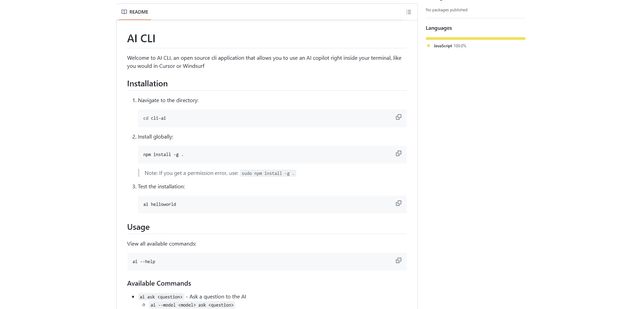
AI CLI
AI CLI is an open-source command-line interface tool that brings AI capabilities directly to your terminal, allowing you to interact with various AI models like OpenAI's GPT and Anthropic's Claude through simple commands.