
DodoForm
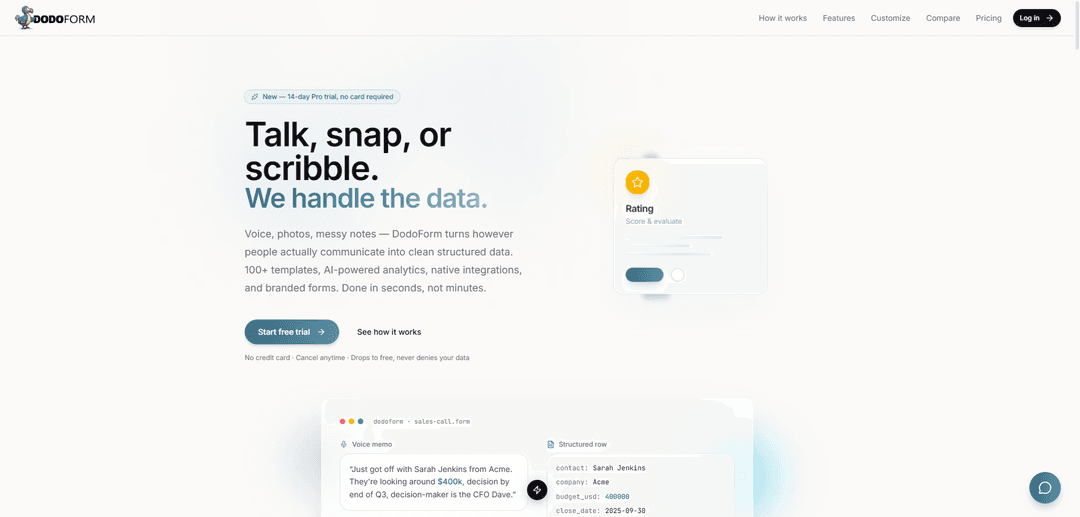
DodoForm is an AI-native form builder that turns voice, photos, and messy notes into clean structured data, with 100+ templates, branded customization, analytics, native integrations, and signed webhooks.
https://www.dodoform.com/?ref=producthunt
Product Information
Updated:Jun 8, 2026
What is DodoForm
DodoForm (“forms that fill themselves”) is a modern form and workflow tool designed to capture information the way people actually communicate—by talking, snapping photos, or jotting unstructured notes—and automatically convert it into structured, usable data. Beyond traditional form building, it combines a flexible builder (25+ field types and layout blocks) with AI-powered extraction, reporting, and integration options so teams can create anything from lead-gen forms and surveys to payments, contracts, and intake workflows, then route submissions into their existing systems.
Key Features of DodoForm
DodoForm is an AI-native form builder that turns real-world inputs—voice memos, photos, and messy notes—into clean, structured data. It offers 100+ templates, a flexible builder with 25+ field types (including payments, signatures, scheduling, uploads, and conditional logic), and strong customization/branding (including AI-generated themes). Beyond form creation, it emphasizes outcomes: analytics dashboards, conversational BI for exact answers, schema versioning as forms evolve, and robust data plumbing via native integrations, exports, and signed outbound webhooks with delivery logs.
Messy-input to structured data: Accept voice, images, and unstructured notes on public forms, then automatically extract and normalize them into structured fields/rows for downstream systems.
Flexible form builder (25+ field types): Build anything from lead forms to paid quizzes using text/choice fields, scheduling, file uploads, signatures, payments, matrices (Likert), rankings, and layout blocks like headings, media, and page breaks.
Native integrations + reliable automation hooks: Connect to tools like Zapier, Google Sheets, and Notion, and push every submission to your CRM/backend via HMAC-signed webhooks with retries, backoff, rotatable secrets, and delivery audit logs.
Branding & AI theme generation: Customize logo, banner/background, fonts, spacing, radius, shadows, and colors—or describe a vibe/brand kit and let DodoAI generate a full theme with live preview and custom thank-you pages.
Analytics + conversational BI: Go beyond charts with an analytics dashboard and a conversational BI layer designed to return exact answers (via a constrained query engine) about form performance and submissions.
Schema versioning & iterative improvement: Each save can version the schema so you can evolve forms over time while keeping submissions tied to the correct structure.
Use Cases of DodoForm
Sales lead capture from calls and field notes: Convert voice memos or messy sales notes into structured CRM-ready fields (contact, company, budget, close date, decision-maker) and route via signed webhooks to HubSpot/Salesforce/Zapier.
Customer feedback, surveys, and NPS: Run branded surveys with Likert matrices, rating scales, and conditional logic; accept voice replies and automatically structure them for analysis and follow-up.
Paid quizzes and lead scoring for marketing: Create multi-step quizzes with branching logic and AI lead scoring, capturing high-intent leads and syncing results to spreadsheets, Notion, or automation workflows.
Orders, payments, and lightweight checkout: Collect payments at submission (amount/currency/checkout handled) for digital products, event fees, deposits, or paid intake flows.
Contracts, approvals, and sign-off workflows: Use signature pads with versioned schema snapshots stored alongside each submission for auditable approvals and internal/external sign-offs.
Hiring and intake workflows: Build job application or client intake wizards with resume uploads and multi-page flows; extract structured profiles from unstructured applicant/client notes.
Pros
AI-first data capture (voice/image/notes → structured output) reduces manual typing and cleanup.
Strong automation and data portability: signed webhooks, retries, delivery logs, plus integrations and CSV/Excel export.
High customization with AI-assisted theming and branded form experiences.
No per-seat pricing and a 14-day Pro trial with no credit card required.
Cons
Some advanced capabilities (e.g., voice/image extraction, analytics/conversational BI, removing branding) are tied to higher-tier plans (Pro/Max).
Product messaging suggests a modern, AI-centric workflow; teams wanting purely traditional form tooling may find the AI features unnecessary or require process changes.
How to Use DodoForm
1) Start a Pro trial (optional): Go to https://www.dodoform.com/login and start the 14-day Pro trial (no card required). You can also start on the free plan and upgrade later.
2) Create a new form from a template (fastest path): Choose one of the 100+ templates to avoid building from scratch. Templates help you start with a ready-made structure you can edit.
3) Build or edit your form fields: Use the form builder to add the inputs you need (e.g., text, choice, scheduling, file upload, signatures, payments, matrix scales, rankings). Use layout blocks like headings, images/video, and page breaks to keep longer forms easy to complete.
4) Add logic for smarter flows (when needed): Configure conditional logic/branching so respondents see only relevant questions (useful for surveys, quizzes, and intake forms).
5) Enable messy-input capture (voice/photos/notes) and let AI structure it: Configure your form to accept real-world inputs like voice memos, photos, or messy notes. DodoForm will extract and convert that input into clean structured fields (e.g., turning a sales call note into company, contact, budget, close date, decision maker).
6) Customize branding and theme: Upload your logo/banner/background and adjust colors (14+), fonts, spacing, corner radius, shadows, and layout. Alternatively, describe your desired style to DodoAI (or upload a brand kit) to generate a theme in one click. Optionally set a custom thank-you page.
7) Configure analytics (Pro and above): Use the analytics dashboard to review submissions and charts. If available on your plan, use conversational BI to ask questions and get exact answers from your structured data.
8) Share your form: Publish and distribute via a public link or QR code so respondents can submit from anywhere.
9) Export your data (CSV/Excel): Download submissions as CSV/Excel for offline analysis or to import into other systems.
10) Connect integrations (Zapier, Google Sheets, Notion, etc.): Enable native integrations to automatically send structured submissions into your existing tools and workflows.
11) Send submissions to your own backend via signed webhooks: Configure an outbound webhook endpoint to receive events like submission.created. DodoForm signs payloads with HMAC-SHA256 and includes delivery retries with backoff and an audit log. Your server should verify the signature header before trusting the payload.
12) Iterate safely as your form evolves: Update your form as requirements change. DodoForm supports schema versioning so changes are tracked alongside submissions, helping you evolve fields without losing traceability.
DodoForm FAQs
DodoForm is a form builder that turns voice, photos, and messy notes into clean, structured data. It offers 100+ templates, AI-powered analytics, native integrations, and branded forms.
DodoForm Video
Popular Articles

Vosko AI: Localize and Dub Videos for Global Audiences
Oct 15, 2026

Atoms: A Multi-Agent AI Platform That Transforms Ideas into Launch-Ready Products
Oct 13, 2026

Nano Banana SBTI: What It Is, How It Works, and How to Use It in 2026
Apr 15, 2026

Atoms Review — The AI Product Builder Redefining Digital Creation in 2026
Apr 10, 2026
Latest AI Tools Similar to DodoForm
Appeal Parking Ticket
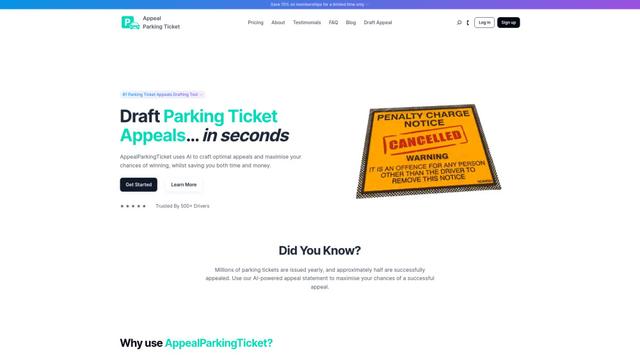
AppealParkingTicket is a specialized online service that helps drivers efficiently contest unfair parking tickets by providing expert guidance and automated appeal letter generation.
Formaloo
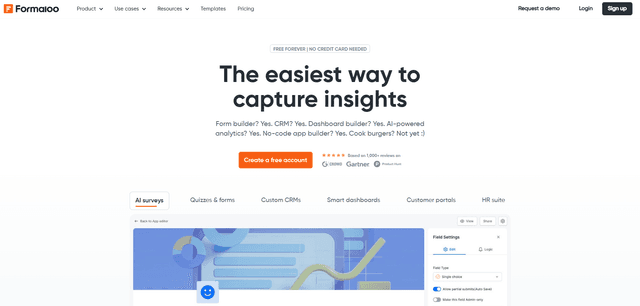
Formaloo is a no-code customer engagement platform that enables businesses to build custom forms, surveys, CRMs, dashboards, client portals, and business applications without writing a single line of code.
MagicLoop
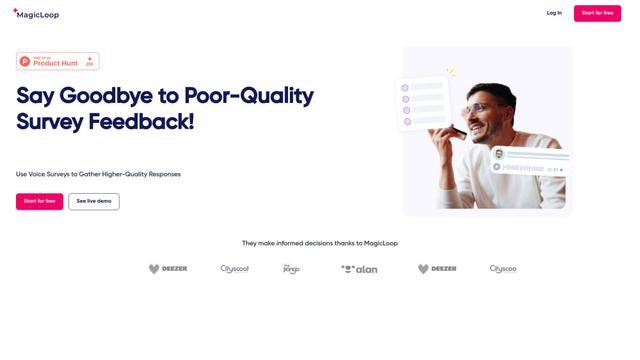
MagicLoop is a voice survey tool that enables companies to gather higher-quality customer feedback through spoken responses.
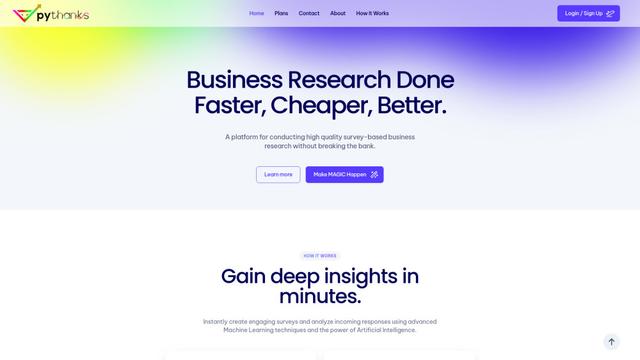
pythanks
Pythanks is an AI-powered platform for creating and analyzing high-quality customer experience surveys quickly and affordably.
Popular AI Tools Like DodoForm
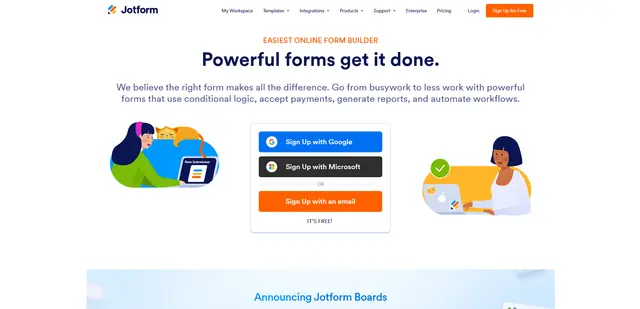
Jotform
Jotform is a powerful online form builder platform that allows users to create customizable forms, surveys, and applications without coding while offering features like payment processing, workflow automation, and integration capabilities.
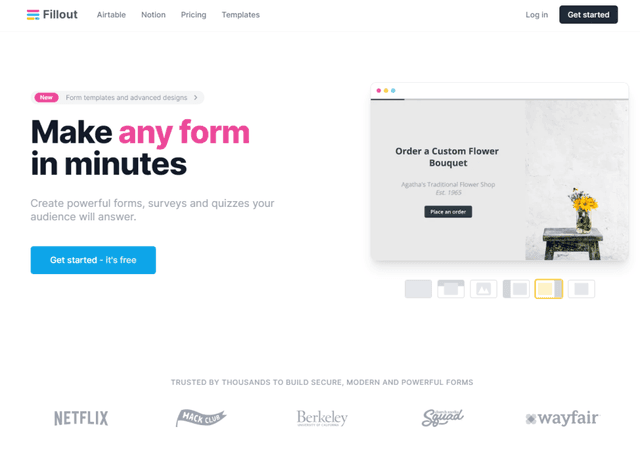
Fillout.com
Fillout is a powerful, no-code form builder that allows users to create customizable forms, surveys, and quizzes with advanced features and integrations.
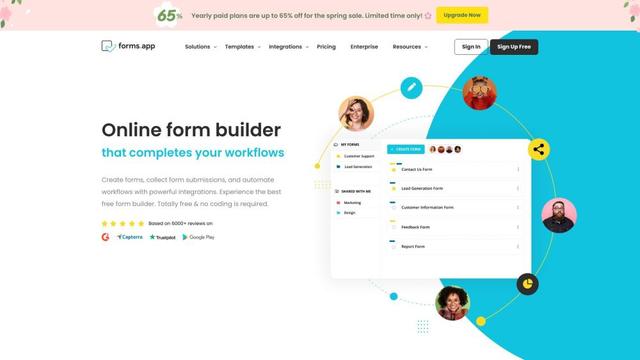
forms app
forms.app is an online form builder that allows users to create beautiful forms, surveys, and quizzes with powerful features like conditional logic, payment integration, and workflow automation.

BlockSurvey
BlockSurvey is a Web3 forms and survey tool offering end-to-end encryption, AI-driven survey creation, and data analysis with a focus on privacy and security.