
Athena by Shoplazza
Athena by Shoplazza is an AI admin and operations agent that executes real back-office eCommerce tasks and delivers analytics insights through natural-language conversations—while keeping merchants in control with preview-and-approve workflows.
https://www.shoplaza.ai/?ref=producthunt

Product Information
Updated:Aug 8, 2026
What is Athena by Shoplazza
Athena by Shoplazza is an AI agent built into the Shoplazza admin that helps merchants run day-to-day commerce operations through simple chat-style instructions. Designed for independent commerce workflows, it goes beyond answering questions by performing operational work inside the backend—such as product management, order processing, discount and promotion setup, and shipping configuration—without requiring plugins or extra setup. Athena also supports merchant analytics by turning business questions into charts, key findings, metric explanations, and actionable suggestions, helping teams connect performance data to product, conversion, campaign, and customer behavior context.
Key Features of Athena by Shoplazza
Athena by Shoplazza is an AI admin/operations agent embedded in the Shoplazza commerce platform that lets merchants run back-office workflows and get performance insights through natural language. It can execute operational tasks (e.g., product and order management, discounts, shipping configuration), answer platform questions, and perform analytics by returning charts, key findings, metric explanations, and suggested next actions. Athena also orchestrates specialized Shoplazza AI capabilities across the commerce lifecycle—store creation (AI Store Builder), creative production (LazzaStudio), and marketing execution (AdValet)—while keeping the merchant in control via clarification questions, previews, and explicit approval before changes, spend, shipping, or scaling go live.
Natural-language back-office execution: Manage core admin workflows by chatting—Athena can carry out tasks like bulk product creation/updates, order filtering/processing, promotion setup, and shipping configuration directly in the Shoplazza backend.
Approval-first automation with previews: Before making consequential changes (money, inventory, shipping, scaling), Athena generates a clear preview and waits for your confirmation; if instructions are incomplete, it asks follow-up questions instead of guessing.
Analytics Q&A with actionable insights: Ask business questions (conversion, campaigns, customer behavior, product performance) and receive charts, key findings, metric explanations, and operational suggestions—reducing time spent navigating dashboards and filters.
Multi-agent orchestration across commerce: Acts as a master agent that breaks down goals and delegates to Shoplazza’s specialist agents (AI Store Builder, LazzaStudio, AdValet/Ares, Payments, Loyalty & Push, Fulfillment) and returns results for approval.
End-to-end lifecycle support (launch → operations): Supports merchants from initial store build (pages, products, localized copy, checkout) to ongoing operations (daily admin tasks, diagnostics, and campaign execution) so the same agent continues working after launch.
Built-in access with minimal setup: Available inside Shoplazza admin with quick setup and no plugins required; during the open access period, it’s positioned as free for Shoplazza sellers to try.
Use Cases of Athena by Shoplazza
DTC brand launch (e.g., coffee, skincare, supplements): A founder describes the brand and goals; Athena builds a launch-ready store (pages/products/copy/checkout), generates consistent product imagery via LazzaStudio, and launches initial Meta test ads via AdValet—merchant approves key steps.
Daily store operations for lean teams: Small teams use Athena to handle repetitive, high-stakes admin tasks—bulk product updates, discount creation, shipping rule changes, and order processing—cutting tool switching and reducing operational overhead.
Marketing performance optimization for ecommerce: A marketing lead asks Athena to diagnose ROAS/CPA shifts, test creatives, pause underperformers, and reallocate budget within an approved cap—useful for categories like consumer electronics or home & garden.
Conversion-rate drop diagnosis and store troubleshooting: Ops teams query why conversion changed; Athena confirms diagnostic parameters (time window, baseline, traffic filters, promo effects), then produces a structured analysis tied to product, checkout, campaign, and customer behavior signals.
Retention and win-back for repeat-purchase categories: For beauty, personal care, or replenishable goods, Athena helps segment customers and coordinate loyalty/win-back actions (e.g., replenishment nudges, lapsed-buyer offers) to grow repeat revenue.
Order-to-fulfillment workflow coordination: Merchants use Athena to streamline order handling and shipping configuration, and (where enabled) coordinate fulfillment actions—reducing manual steps and improving responsiveness during spikes.
Pros
Vertical ecommerce focus: Designed specifically for Shoplazza store workflows (products, orders, promos, shipping, analytics) rather than generic agent behavior.
Merchant control and safety: Clarifying questions plus preview-and-approve flow helps prevent costly mistakes on inventory, spend, or operational changes.
Unified execution layer: One conversational interface can orchestrate store building, creative generation, ads, payments, loyalty, and fulfillment capabilities.
Cons
Platform dependency: Full value is tied to operating on Shoplazza; merchants on other platforms can’t use Athena’s embedded execution.
Coverage limits: Task support is scoped to the current set (e.g., product/order/promo/shipping/data queries/platform Q&A); edge workflows may still require manual handling.
Requires trust and oversight: Even with approvals, teams must review previews carefully—automation can amplify errors if confirmations are rushed.
How to Use Athena by Shoplazza
1) Open Athena inside Shoplazza and start a conversation: In your Shoplazza admin, open Athena (the built-in AI operations agent). Use the chat to describe what you want in plain language—Athena is designed to both answer questions and execute back-office tasks after you approve.
2) State the outcome you want (not the clicks you want to do): Type a goal such as: “I’m launching a coffee brand—build the store and start selling.” Athena works best when you give an outcome; it will split the work and route tasks to the right capabilities (store building, creatives, ads, payments, loyalty, fulfillment) and then bring results back for approval.
3) Review Athena’s proposed plan and generated assets: Athena will return what it created (e.g., products, pages, checkout setup, images, ad drafts) and what it intends to do next. Review the outputs and confirm any details you want adjusted before execution.
4) Approve execution (you stay in control): Athena operates; you approve. Confirm actions before anything ships, scales, or spends. For example, if Athena asks to “approve the spend cap” for ads, you decide whether to approve or change the cap.
5) Build a store from the first conversation (AI Store Builder): Tell Athena what you want to sell and your brand direction. Athena can generate a launch-ready storefront with products, pages, and checkout. You don’t need to code, design, or wire up tools manually—Athena coordinates the build and returns the finished work for your approval.
6) Create or import products in bulk (product management): Ask Athena to create/edit listings in bulk using common inputs such as a product URL, images, a spreadsheet, or marketplace sources (e.g., AliExpress). Athena can also handle repetitive catalog updates that are typically error-prone when done manually.
7) Generate consistent product imagery (LazzaStudio): Provide product photos (or tell Athena where they are). Athena can use LazzaStudio to turn plain photos into on-brand product images and keep a consistent look across pages. Review the generated images and approve before publishing.
8) Launch and manage ad tests with guardrails (AdValet / Ares): Ask Athena to launch test ads (e.g., on Meta). Athena can create multiple creatives, run tests, identify underperformers, and shift budget toward winners—within the spend cap you set. You approve key decisions like caps and scaling.
9) Use Athena for operational setup: discounts and shipping rules: Tell Athena what promotion or shipping outcome you want (e.g., “Create a free-shipping threshold for orders over $50” or “Set up a discount for a collection”). Athena can configure discounts and shipping rules and can preview checkout outcomes for you to verify before you approve.
10) Ask business questions and get analysis with context (analytics & diagnosis): Ask questions like “Why did conversion rate drop?” or “Which category is trending?” Athena can generate charts/visualizations and provide structured findings. For conversion diagnosis, Athena will confirm parameters (time window, baseline period, bot filtering, promo differences) and then produce a breakdown by channel, device, and funnel with suggested next actions.
11) Run day-to-day back-office workflows via chat (orders and operations): Use Athena to handle repetitive operational tasks from one conversation—such as order filtering and other admin workflows—without switching across multiple tools and tabs. Athena will propose actions and wait for your confirmation.
12) Review Athena’s “overnight work” and morning briefing: Athena is designed to keep work moving while you’re away. Check the briefing for what was done (e.g., SEO fixes, fulfillment actions, ad test results, payment recovery, loyalty actions). Approve follow-up actions or request changes based on the summary.
13) Iterate by giving feedback and requesting adjustments: If you want changes—different copy, different creatives, different shipping thresholds, different reporting cuts—tell Athena directly. Athena will revise proposals, show you what will change, and then execute only after you approve.
14) Keep operations connected in one place: Continue using Athena as the single interface across store building, product/catalog work, promotions, shipping, ads, payments, loyalty, fulfillment, and analytics. The core workflow is consistent: ask → Athena proposes/executes → you review → you approve → move on.
Athena by Shoplazza FAQs
Athena is an AI admin agent inside Shoplazza designed to run day-to-day ecommerce operations through natural-language instructions. It can execute back-office workflows (not just answer questions) and coordinates Shoplazza’s specialized capabilities to get work done, then returns a preview for your approval.
Athena by Shoplazza Video
Popular Articles

Vosko AI: Localize and Dub Videos for Global Audiences
Oct 15, 2026

Atoms: A Multi-Agent AI Platform That Transforms Ideas into Launch-Ready Products
Oct 13, 2026

Nano Banana SBTI: What It Is, How It Works, and How to Use It in 2026
Apr 15, 2026

Atoms Review — The AI Product Builder Redefining Digital Creation in 2026
Apr 10, 2026
Latest AI Tools Similar to Athena by Shoplazza
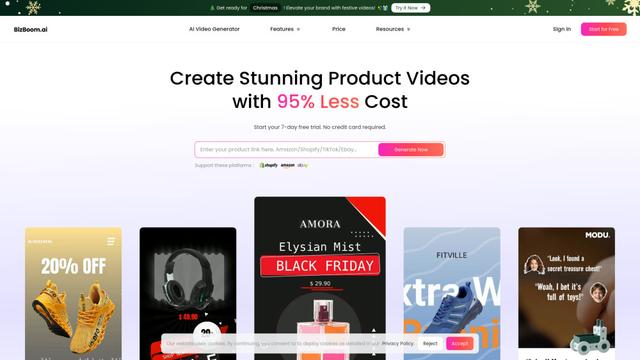
BizBoom.ai
BizBoom.ai is an AI-powered platform that automatically generates professional product videos from product links and images with 95% less cost.
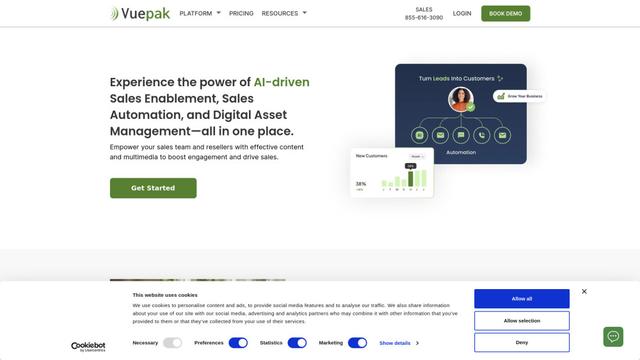
Vuepak
Vuepak is an AI-powered sales and marketing platform that combines sales enablement, automation, and digital asset management to help teams organize media assets into dynamic presentations for enhanced customer engagement.
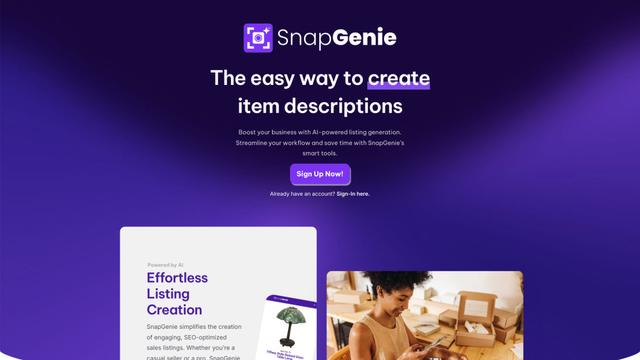
SnapGenie
SnapGenie is an AI-powered web application that transforms product photos into professional sales listings with optimized descriptions, value estimates, and SEO-friendly content.
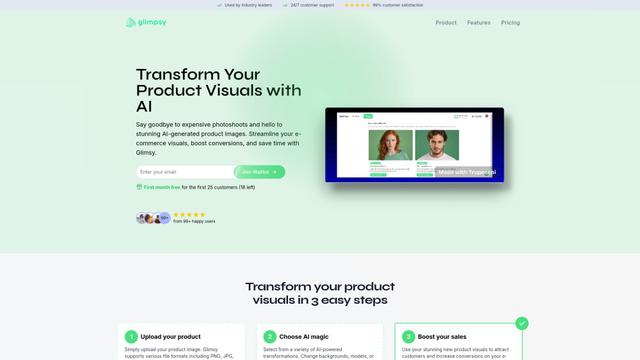
Glimsy
Glimsy is an AI-powered product visualization platform that transforms e-commerce product images through automated photoshoots and background transformations without requiring design skills.
Popular AI Tools Like Athena by Shoplazza
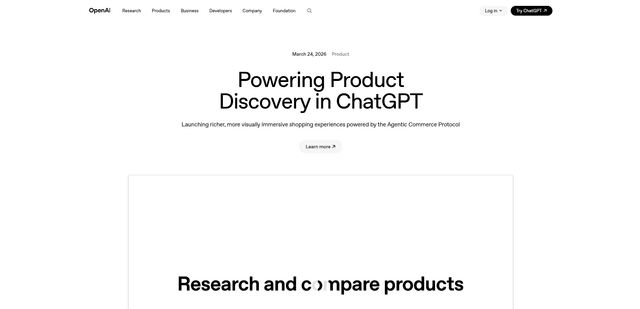
ChatGPT Shopping
ChatGPT Shopping is an AI-powered product discovery and comparison platform that enables users to browse, research, and compare products visually through conversational interactions, powered by the Agentic Commerce Protocol and a specialized GPT-5 mini model.

Shopify
Free TrialAI E-commerce Tools
Shopify is a leading all-in-one commerce platform that helps businesses of all sizes create and manage online stores, process payments, handle shipping, and sell products across multiple channels with no coding required.
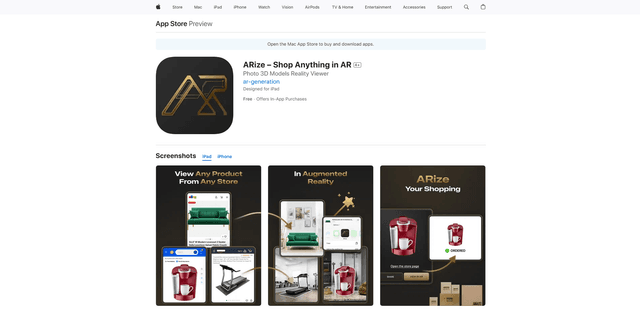
ARize – Shop Anything in AR
FreemiumAI E-commerce Tools
ARize is an innovative augmented reality shopping app that allows users to instantly generate 3D models from any product image and visualize items in their real space before making a purchase.
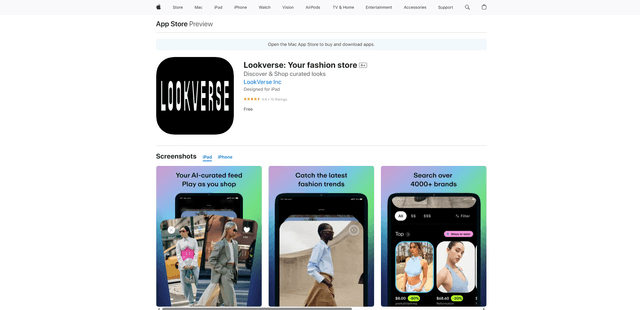
Lookverse.ai
Lookverse.ai is an AI-powered fashion matchmaker that personalizes your shopping experience by curating outfits from over 2,500 global brands based on your style preferences, body shape, colors, events, and budget.