
ReliAPI
ReliAPI is a stability engine that provides robust error handling, failover protection, and cost optimization for HTTP and LLM APIs, particularly focusing on OpenAI and Anthropic API calls.
https://kikuai-lab.github.io/reliapi?ref=producthunt

Product Information
Updated:Dec 8, 2025
What is ReliAPI
ReliAPI is a comprehensive stability engine designed to transform chaotic API interactions into stable, reliable operations. It serves as a middleware solution that helps manage and optimize API calls, particularly for HTTP and Large Language Model (LLM) APIs. The platform offers both self-hosted options and cloud-based services, making it accessible for different deployment needs while focusing on maintaining high performance with minimal configuration requirements.
Key Features of ReliAPI
ReliAPI is a stability engine designed for HTTP and LLM APIs that provides automatic failover, smart retry mechanisms, idempotency, and cost protection features. It acts as a reliability layer that transforms chaotic API interactions into stable operations, reducing error rates and optimizing costs while supporting both self-hosted and cloud options with minimal configuration requirements.
Automatic Failover System: Automatically switches to backup servers when primary servers fail, ensuring continuous service availability
Smart Retry Management: Intelligently handles rate limits and failed requests with optimized retry strategies
Cost Protection: Implements budget caps and cost variance control to prevent unexpected expenses and maintain predictable spending
High-Performance Caching: Achieves 68% cache hit rate compared to 15% direct API calls, significantly improving response times and reducing API costs
Use Cases of ReliAPI
AI Application Development: Provides stable integration with OpenAI and Anthropic APIs for AI-powered applications requiring reliable LLM access
High-Volume API Services: Manages request storms and heavy API traffic with idempotency controls and efficient request handling
Cost-Sensitive Operations: Helps organizations maintain budget control while using expensive API services through cost protection and caching mechanisms
Pros
Low proxy overhead (15ms) compared to competitors
Supports both HTTP and LLM APIs
Comprehensive feature set including self-hosted options
Minimal configuration requirements
Cons
Limited public track record as a newer solution
Requires additional layer in architecture
How to Use ReliAPI
Get API Key: Sign up and obtain your API key from ReliAPI through RapidAPI platform (https://rapidapi.com/kikuai-lab-kikuai-lab-default/api/reliapi)
Install Required Dependencies: If using Python, install the requests library using pip: pip install requests
Import Library: In your Python code, import the requests library: import requests
Prepare API Request: Create a POST request to 'https://reliapi.kikuai.dev/proxy/llm' with your API key and idempotency key in headers
Configure Request Parameters: Set up the JSON payload with required parameters including 'target' (e.g., 'openai'), 'model' (e.g., 'gpt-4'), and 'messages' array
Make API Call: Send the POST request with your configured headers and JSON payload using the requests library
Handle Response: Process the JSON response from the API call using response.json()
Implement Error Handling: ReliAPI will automatically handle provider errors, rate limits, and request storms with its built-in stability features
ReliAPI FAQs
ReliAPI is a stability engine for HTTP and LLM APIs that helps transform chaos into stability by providing features like automatic failover, smart retry, idempotency, and cost protection.
Popular Articles

Vosko AI: Localize and Dub Videos for Global Audiences
Oct 15, 2026

Atoms: A Multi-Agent AI Platform That Transforms Ideas into Launch-Ready Products
Oct 13, 2026

Nano Banana SBTI: What It Is, How It Works, and How to Use It in 2026
Apr 15, 2026

Atoms Review — The AI Product Builder Redefining Digital Creation in 2026
Apr 10, 2026
Latest AI Tools Similar to ReliAPI

Mediatr
MediatR is a popular open-source .NET library that implements the Mediator pattern to provide simple and flexible request/response handling, command processing, and event notifications while promoting loose coupling between application components.
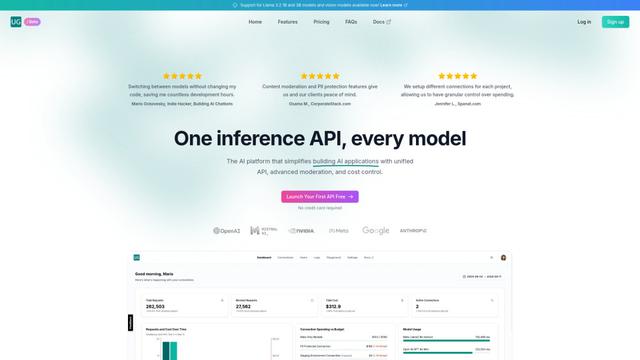
UsageGuard
UsageGuard is a secure AI platform that provides unified API access to multiple LLM providers with built-in safeguards, moderation, and cost control features.
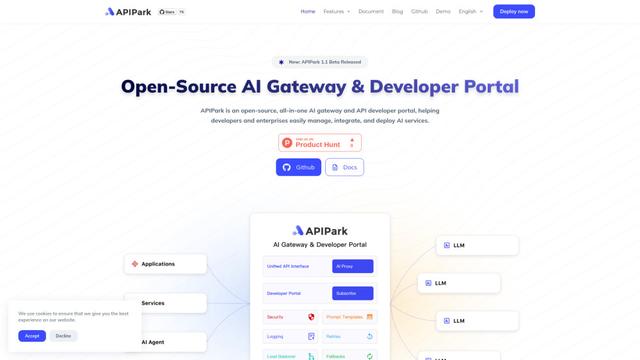
APIPark
APIPark is an open-source, all-in-one AI gateway and API developer portal that enables organizations to quickly build internal API portals, manage multiple AI models, and streamline API lifecycle management with enterprise-grade security and governance features.
API Fabric
API Fabric is an AI-powered application generator that helps create APIs and frontends by describing the application requirements through natural language prompts.
Popular AI Tools Like ReliAPI

A2A Protocol
A2A (Agent2Agent) Protocol is an open interoperability protocol developed by Google that enables seamless communication and collaboration between AI agents across different frameworks and vendors, regardless of their underlying architecture.
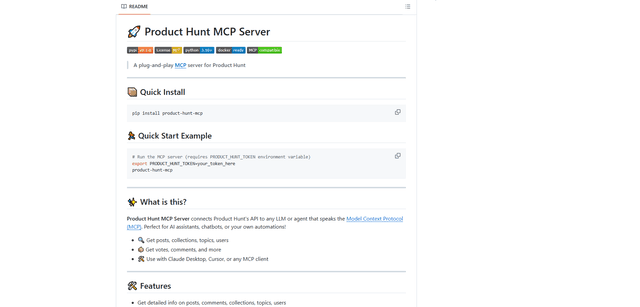
Product Hunt MCP
Product Hunt MCP Server is a blazing-fast, plug-and-play server that connects Product Hunt's API to any LLM or AI agent through the Model Context Protocol (MCP), enabling seamless access to posts, collections, topics, users, votes, and comments.
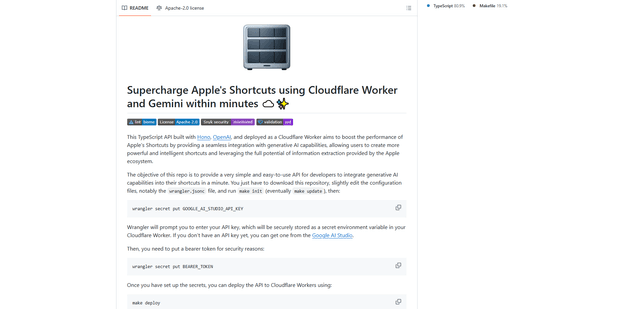
GenAI API for Apple Shortcuts
A TypeScript API that supercharges Apple's Shortcuts by integrating Cloudflare Workers with Google's Gemini AI model to enable powerful AI capabilities within minutes and for free (up to 1,500 requests per day).
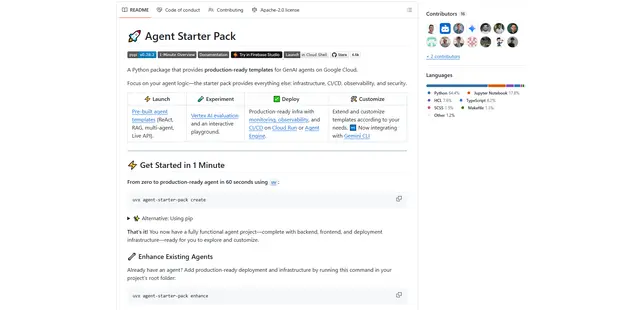
Agent Starter Pack
Agent Starter Pack is a Python package that provides production-ready templates for building GenAI agents on Google Cloud with built-in infrastructure, CI/CD, observability, and security features.