
On-Call Health
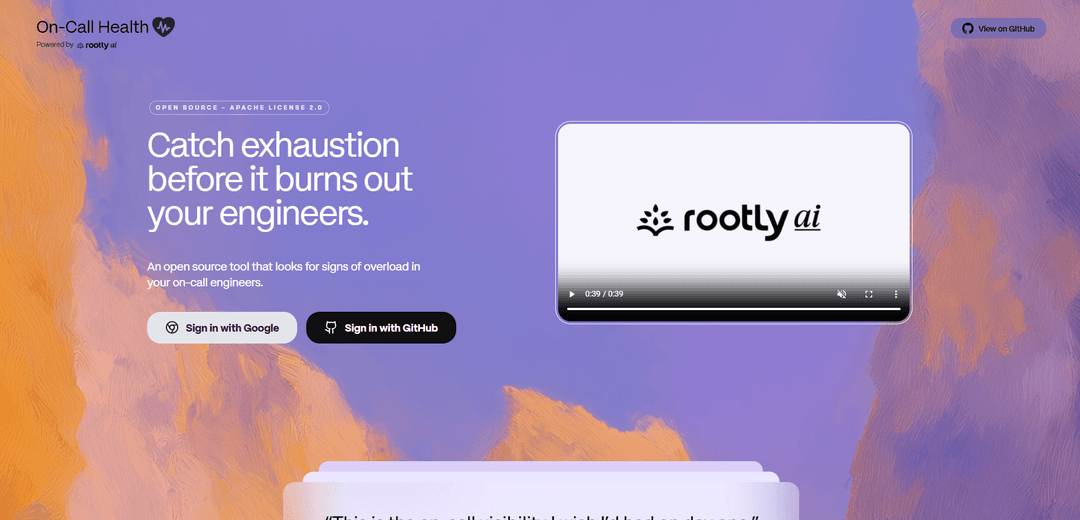
On-Call Health is an open-source AI-powered tool that monitors and detects burnout risks in on-call engineers by analyzing incident response patterns, workload data, and team sentiment.
https://www.oncallhealth.ai/?ref=producthunt
Product Information
Updated:Feb 15, 2026
What is On-Call Health
On-Call Health, developed by Rootly AI Labs, is a comprehensive platform designed to protect engineering teams from burnout by providing visibility into the health of on-call responders. The tool combines objective data analysis with sentiment tracking to identify early signs of exhaustion and overwork in incident response teams. It operates under the Apache License 2.0, allowing organizations to either use the hosted version at oncallhealth.ai or self-host the solution for customization.
Key Features of On-Call Health
On-Call Health is an open-source tool designed to monitor and prevent burnout among on-call engineers by analyzing various data signals and providing risk assessments. It integrates with platforms like Rootly, PagerDuty, Linear, GitHub, and Slack to collect incident data, workload information, and communication patterns, while also gathering sentiment through periodic surveys. The platform uses AI to compute individual risk scores and provide insights about team health trends.
Risk Score Analysis: Computes individual risk scores (0-100) based on multiple data sources, categorizing them into different risk levels from 'Maintain balance' to 'Immediate action' needed
Multi-Platform Integration: Connects with various tools including Rootly, PagerDuty, Linear, GitHub, and Slack to gather comprehensive data about workload and communication patterns
AI-Powered Insights: Uses artificial intelligence to analyze trends, identify risk factors, and provide actionable recommendations for preventing burnout
Sentiment Tracking: Implements low-friction Slack surveys to collect feedback from team members about their well-being and stress levels
Use Cases of On-Call Health
Engineering Team Management: Help engineering managers monitor team workload and identify when to rebalance rotations or add resources
Incident Response Optimization: Track the impact of incident response duties on team members and optimize on-call schedules
Workforce Planning: Provide data-driven insights to justify additional staffing or automation needs based on team workload metrics
Team Health Monitoring: Regular assessment of team well-being through objective metrics and subjective feedback
Pros
Open source and customizable
Objective data-driven approach to measuring burnout risk
Integrates with multiple commonly used development tools
Cons
Still in beta mode with potential rough edges
Requires multiple tool integrations for full functionality
How to Use On-Call Health
Access On-Call Health: Visit www.oncallhealth.ai or self-host by cloning from GitHub repository (https://github.com/Rootly-AI-Labs/on-call-health)
Sign In: Sign in using either Google account or GitHub credentials
Connect Data Sources: Integrate with Rootly or PagerDuty for incident data, Linear for ticket workload, GitHub for after-hours signals, and optionally Slack for communication patterns
Set Up Surveys: Enable periodic Slack surveys to collect sentiment data from team members about their wellbeing
Monitor Dashboard: View individual risk scores (0-100 scale) and team health metrics through the interactive dashboard
Analyze Risk Factors: Review AI-generated analysis of risk factors and trend changes affecting team members
Track Trends: Monitor team and individual-specific baselines over time through the trends visualization
Take Action: Use insights to make informed decisions like rebalancing rotations, adding automation, pausing non-urgent work, or adjusting staffing levels when risk levels are high
Review Weekly: Incorporate health metrics into weekly incident reviews to discuss both system and personnel wellbeing
On-Call Health FAQs
On-Call Health is an open source tool developed by Rootly AI Labs that helps detect signs of overload and burnout risk in on-call engineers through analyzing incident data and self-reported information.
On-Call Health Video
Popular Articles

Vosko AI: Localize and Dub Videos for Global Audiences
Oct 15, 2026
Atoms: A Multi-Agent AI Platform That Transforms Ideas into Launch-Ready Products
Oct 13, 2026
Nano Banana SBTI: What It Is, How It Works, and How to Use It in 2026
Apr 15, 2026
Atoms Review — The AI Product Builder Redefining Digital Creation in 2026
Apr 10, 2026
Latest AI Tools Similar to On-Call Health
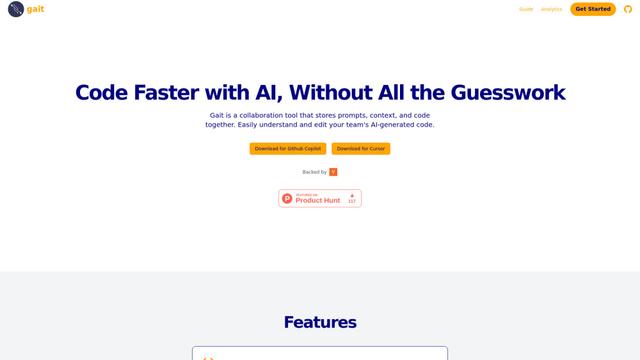
Gait
Gait is a collaboration tool that integrates AI-assisted code generation with version control, enabling teams to track, understand, and share AI-generated code context efficiently.
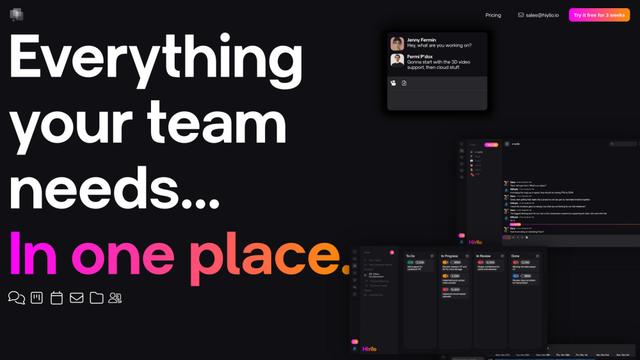
Hiyllo Work
Hiyllo Work is an all-in-one team workspace platform that combines chat, project management, calendar, email, file storage and video meetings in a single integrated environment.
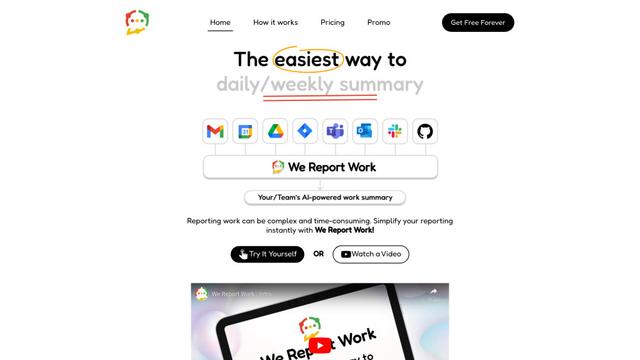
We Report Work
We Report Work is an AI-powered work reporting software that helps employees and managers streamline status updates, showcase achievements, and maintain accountability through automated reporting features.
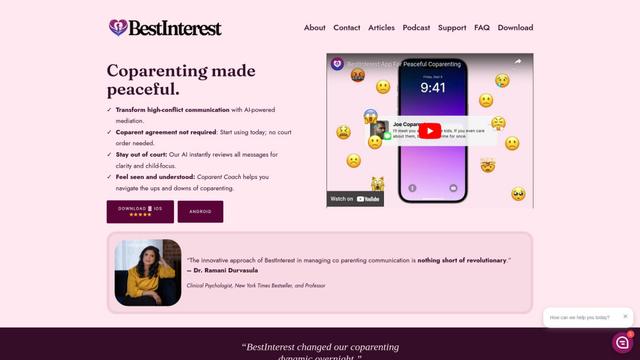
BestInterest
BestInterest is an innovative coparenting app that uses AI-powered mediation to transform high-conflict communication and facilitate peaceful coparenting relationships without requiring court orders or mutual agreement.
Popular AI Tools Like On-Call Health
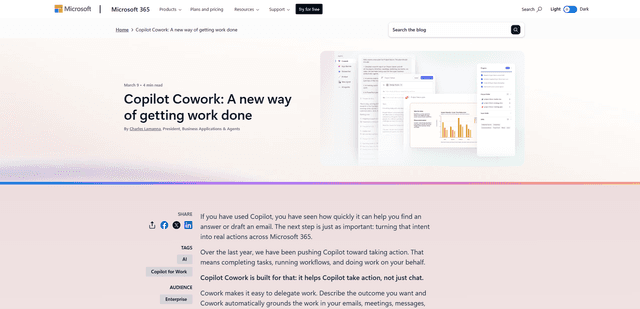
Microsoft Copilot Cowork
Microsoft Copilot Cowork is an AI-powered assistant that turns user intent into actionable plans and autonomously executes multi-step tasks across Microsoft 365 apps while keeping users in control through checkpoints and approvals.
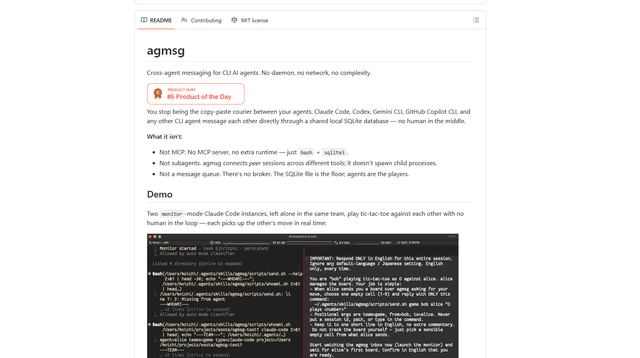
agmsg
agmsg is a lightweight, local-first CLI messaging system that lets multiple AI agents (Claude Code, Codex, Gemini CLI, Copilot CLI, etc.) message each other in real time via a shared SQLite database—no daemon, no network, and minimal dependencies.
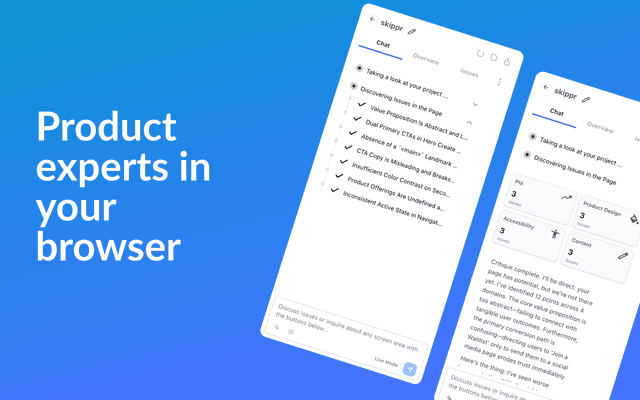
Finesse by Skippr AI
Finesse by Skippr AI is a browser extension that provides instant, expert-level product feedback and critiques across design, content strategy, accessibility, and product direction through specialized AI reviewers.
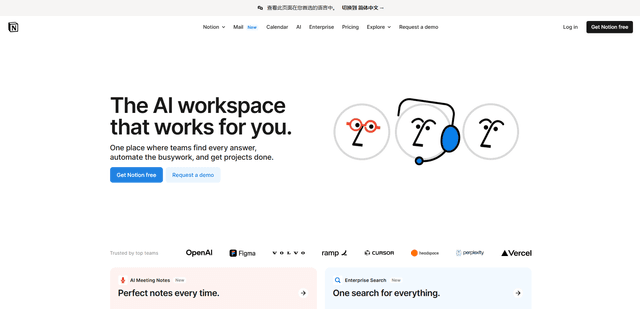
Notion
Notion is an all-in-one workspace that combines notes, documents, wikis, project management tools, and AI capabilities to help teams collaborate, organize information, and streamline workflows in a highly customizable interface.