
Dagster
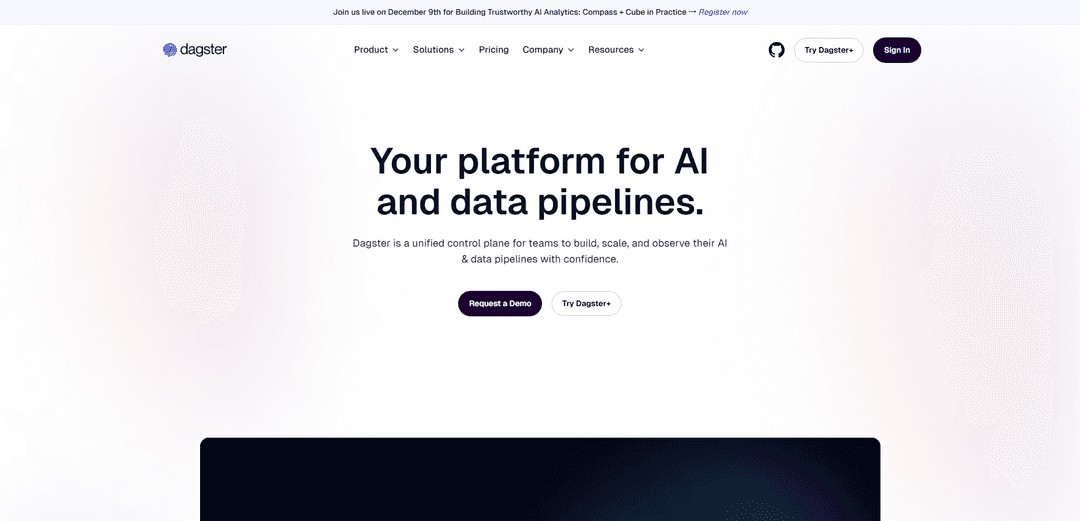
Dagster is a modern data orchestration platform that helps teams build, schedule, and monitor reliable data and AI pipelines with integrated lineage, observability, declarative programming model, and best-in-class testability.
https://www.dagster.io/?ref=producthunt
Product Information
Updated:Dec 8, 2025
What is Dagster
Dagster is a cloud-native data pipeline orchestrator designed for developing and maintaining data assets throughout the entire development lifecycle. It serves as a unified control plane for teams to build, scale, and observe their data workflows with confidence. The platform is built specifically for data engineers and supports various data assets including tables, datasets, machine learning models, and reports. As a Python-based platform, it allows users to declare their data assets as Python functions and manages how these functions run to keep assets up-to-date.
Key Features of Dagster
Dagster is a modern data orchestration platform that provides end-to-end pipeline management with integrated lineage, observability, and testability. It offers a declarative programming model in Python, allowing teams to build, scale, and monitor their AI and data pipelines. The platform features asset-based development, built-in testing capabilities, comprehensive monitoring, and integration with various data tools and services while maintaining data quality and governance.
Asset-Based Framework: Uses a declarative approach where data assets (tables, files, ML models) are central, providing automatic cataloging, lineage tracking, and cost insights
Integrated Testing and Development: Supports local testing, branch deployments, and development environments before production, enabling better code quality and confidence
Comprehensive Observability: Provides end-to-end monitoring of data pipelines, including asset health, freshness monitoring, custom dashboards, and cost tracking
Flexible Integration: Offers built-in integrations with various tools and services (S3, Snowflake, PowerBI, etc.) while maintaining a modular, vendor-agnostic approach
Use Cases of Dagster
Machine Learning Operations: Managing and maintaining ML models throughout their lifecycle, from data preparation to model deployment and monitoring
Data Warehouse ETL: Building and managing complex data transformation pipelines with quality checks and lineage tracking
Cross-team Data Collaboration: Enabling multiple teams to work together on data projects while maintaining governance and visibility
Data Quality Management: Implementing automated testing and validation of data assets throughout the pipeline to ensure data integrity
Pros
Strong testing capabilities with local development support
Comprehensive observability and monitoring features
Flexible integration with existing data tools
Built-in data quality and governance features
Cons
Some advanced features require Dagster+ paid version
Learning curve for teams new to asset-based development
How to Use Dagster
Install Dagster: Install Dagster using pip or verify installation by running 'dg' command to check version number
Create a new Dagster project: Use 'create-dagster project my-project' command or 'dg scaffold' to generate a new project with the basic structure including pyproject.toml and src directory
Define assets: Create Python functions decorated with @dg.asset to define your data assets. Assets are the core building blocks that represent tables, datasets, or other data products
Set up dependencies: Use the deps parameter in @dg.asset decorator to specify dependencies between assets, creating a DAG of data transformations
Start the Dagster UI: Navigate to project root directory and run 'dg dev' to start the Dagster web server interface
View asset lineage: Access the Dagster UI through port 3000 to see the lineage graph showing dependencies between your assets
Configure storage: Set DAGSTER_HOME environment variable to specify permanent storage location for runs and assets
Add resources: Define resources for external connections (databases, APIs) that your assets need to interact with
Write tests: Create tests in the tests directory and run them using pytest to verify asset behavior
Deploy to production: Use Dagster Cloud or follow deployment guides to move your project to a production environment
Dagster FAQs
Dagster is a cloud-native data orchestrator platform built for data engineers, providing integrated lineage, observability, a declarative programming model, and best-in-class testability. It serves as a unified control plane for teams to build, scale, and observe their AI and data pipelines.
Dagster Video
Popular Articles

Vosko AI: Localize and Dub Videos for Global Audiences
Oct 15, 2026

Atoms: A Multi-Agent AI Platform That Transforms Ideas into Launch-Ready Products
Oct 13, 2026

Nano Banana SBTI: What It Is, How It Works, and How to Use It in 2026
Apr 15, 2026

Atoms Review — The AI Product Builder Redefining Digital Creation in 2026
Apr 10, 2026
Latest AI Tools Similar to Dagster
Tomat
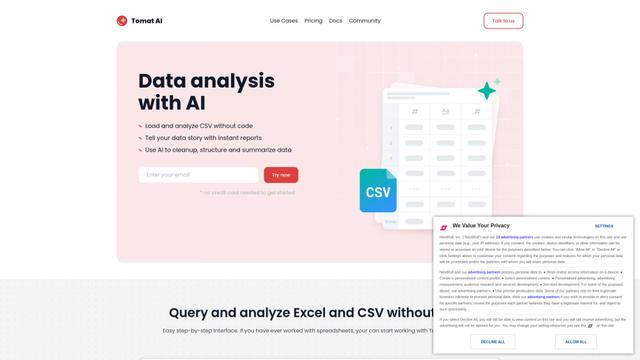
Tomat.AI is an AI-powered desktop application that enables users to easily explore, analyze, and automate large CSV and Excel files without coding, featuring local processing and advanced data manipulation capabilities.
Data Nuts
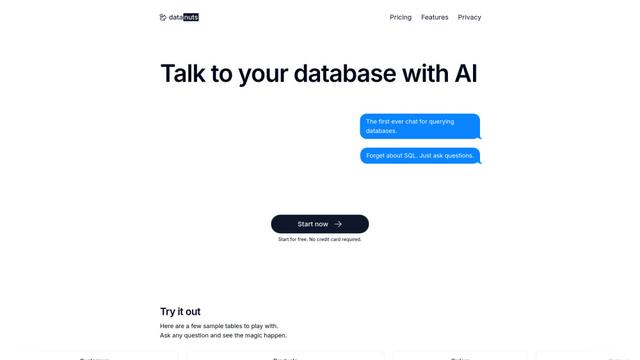
DataNuts is a comprehensive data management and analytics solutions provider that specializes in healthcare solutions, cloud migration, and AI-powered database querying capabilities.
CogniKeep AI
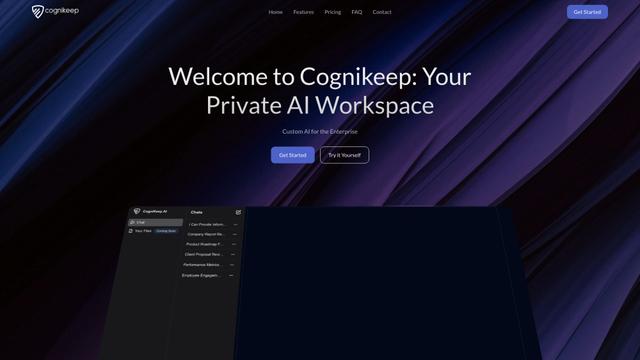
CogniKeep AI is a private, enterprise-grade AI solution that enables organizations to deploy secure, customizable AI capabilities within their own infrastructure while maintaining complete data privacy and security.
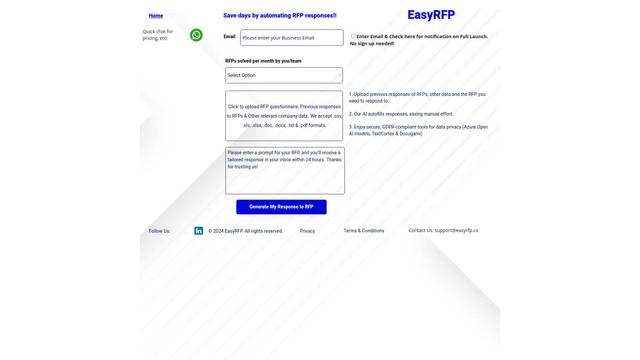
EasyRFP
EasyRFP is an AI-powered edge computing toolkit that streamlines RFP (Request for Proposal) responses and enables real-time field phenotyping through deep learning technology.
Popular AI Tools Like Dagster

Researcher & Analyst in M365 Copilot
Contact for PricingAI Data Mining
Researcher and Analyst are two first-of-their-kind AI reasoning agents in Microsoft 365 Copilot that help users tackle complex research and data analysis tasks by leveraging both enterprise and web data with advanced reasoning capabilities.
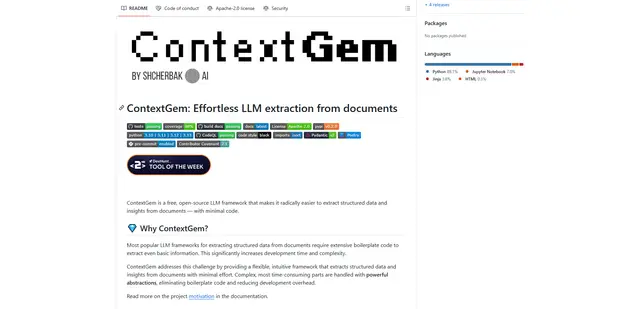
ContextGem
ContextGem is a free, open-source LLM framework that simplifies structured data and insights extraction from documents with minimal code through powerful built-in abstractions and automated features.
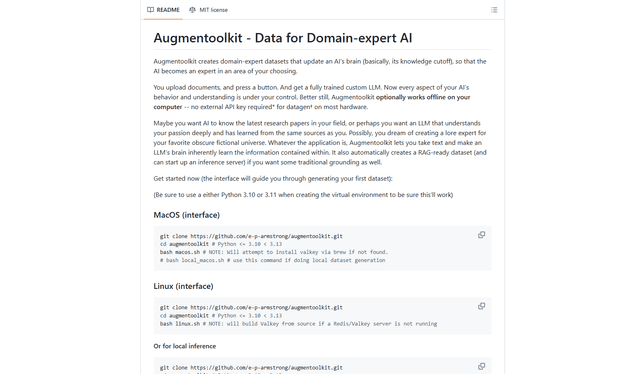
Augmentoolkit 3.0
Augmentoolkit 3.0 is a refined and battle-tested open-source tool that creates domain-expert datasets to train custom LLMs with your own data, featuring an intuitive interface, offline capability, and automatic dataset generation and training processes.
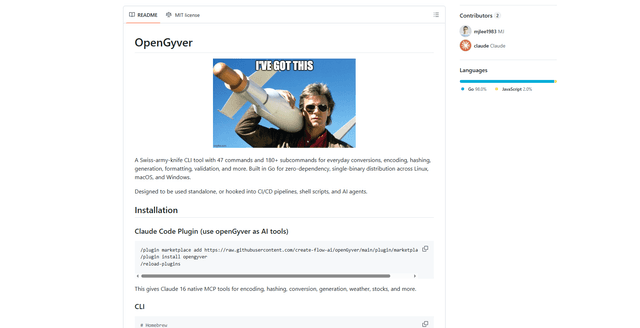
OpenGyver
OpenGyver is an open-source Swiss-army-knife CLI tool with 47 commands and 180+ subcommands for everyday conversions, encoding, hashing, generation, formatting, and validation, designed for standalone use or integration with CI/CD pipelines, shell scripts, and AI agents.